Growing Geriatric Population
The increasing geriatric population in India is a significant driver for the peptide anticoagulant-drugs market. As individuals age, the risk of developing thromboembolic disorders rises, necessitating effective anticoagulation therapies. Current demographic data indicates that the population aged 60 years and above is projected to reach 300 million by 2050, creating a substantial demand for peptide anticoagulants. This demographic shift is prompting healthcare providers to seek effective treatment options tailored to the needs of older patients. Consequently, the peptide anticoagulant-drugs market is likely to experience growth as pharmaceutical companies develop formulations specifically designed for this age group, addressing their unique health challenges and improving overall patient care.
Advancements in Biotechnology
Technological advancements in biotechnology are significantly influencing the peptide anticoagulant-drugs market. Innovations in peptide synthesis and modification techniques have led to the development of more effective and safer anticoagulant drugs. For instance, the introduction of novel delivery systems and formulations has enhanced the bioavailability and efficacy of these drugs. The Indian pharmaceutical industry, which is rapidly evolving, is increasingly investing in research and development to create next-generation peptide anticoagulants. This focus on biotechnology not only improves therapeutic outcomes but also aligns with the global trend towards personalized medicine. As a result, the peptide anticoagulant-drugs market is poised for growth, driven by the continuous influx of innovative products that cater to the specific needs of patients with varying health conditions.
Government Initiatives and Funding
Government initiatives aimed at improving healthcare infrastructure and funding for research are pivotal for the peptide anticoagulant-drugs market. The Indian government has launched several programs to enhance access to advanced medical treatments, including anticoagulants. For example, the National Health Mission has allocated substantial resources to promote research in the field of cardiovascular health. This financial support is likely to facilitate the development of new peptide anticoagulant therapies, thereby expanding the market. Additionally, public-private partnerships are becoming more common, fostering collaboration between government bodies and pharmaceutical companies. Such initiatives not only enhance the availability of peptide anticoagulant drugs but also encourage innovation within the industry, ultimately benefiting patients who require these essential therapies.
Rising Awareness of Preventive Healthcare
There is a notable increase in awareness regarding preventive healthcare among the Indian population, which is positively impacting the peptide anticoagulant-drugs market. As more individuals recognize the importance of early intervention in managing health conditions, the demand for preventive therapies, including anticoagulants, is expected to rise. Educational campaigns and health initiatives are encouraging people to adopt healthier lifestyles and seek medical advice for risk factors associated with thromboembolic diseases. This shift in mindset is likely to lead to higher prescription rates of peptide anticoagulants, as healthcare professionals recommend these therapies for at-risk patients. The peptide anticoagulant-drugs market stands to benefit from this growing trend, as it aligns with the broader movement towards proactive health management.
Increasing Prevalence of Cardiovascular Diseases
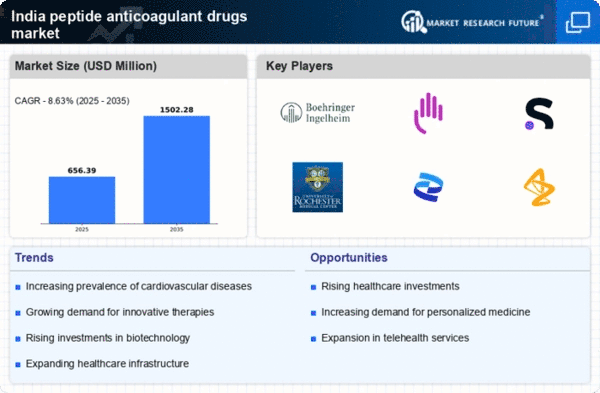
The rising incidence of cardiovascular diseases in India is a primary driver for the peptide anticoagulant-drugs market. According to recent health reports, cardiovascular diseases account for approximately 28% of all deaths in the country. This alarming statistic highlights the urgent need for effective treatment options, including peptide anticoagulants. As healthcare providers seek to address this growing health crisis, the demand for innovative anticoagulant therapies is expected to surge. The peptide anticoagulant-drugs market is likely to benefit from this trend, as these drugs offer targeted mechanisms of action that can improve patient outcomes. Furthermore, the increasing awareness of cardiovascular health among the Indian population may lead to higher screening rates and, consequently, a greater need for anticoagulant therapies. This trend suggests a robust growth trajectory for the peptide anticoagulant-drugs market in the coming years.














Leave a Comment