×
Hero Background
English
Chinese
French
Japanese
Korean
German
Spanish

Conductive Silicone Rubber Market Analysis

ID: MRFR/CnM/7008-HCR
150 Pages
Priya Nagrale
October 2025

Conductive Silicone Rubber Market Research Report Information: By Product (Electrically Conductive, Thermally Conductive), By Application (Automotive & Transportation, Electrical & Electronics, Industrial Machines, Others) - Forecast to 2035

Share:
Download PDF ×

We do not share your information with anyone. However, we may send you emails based on your report interest from time to time. You may contact us at any time to opt-out.

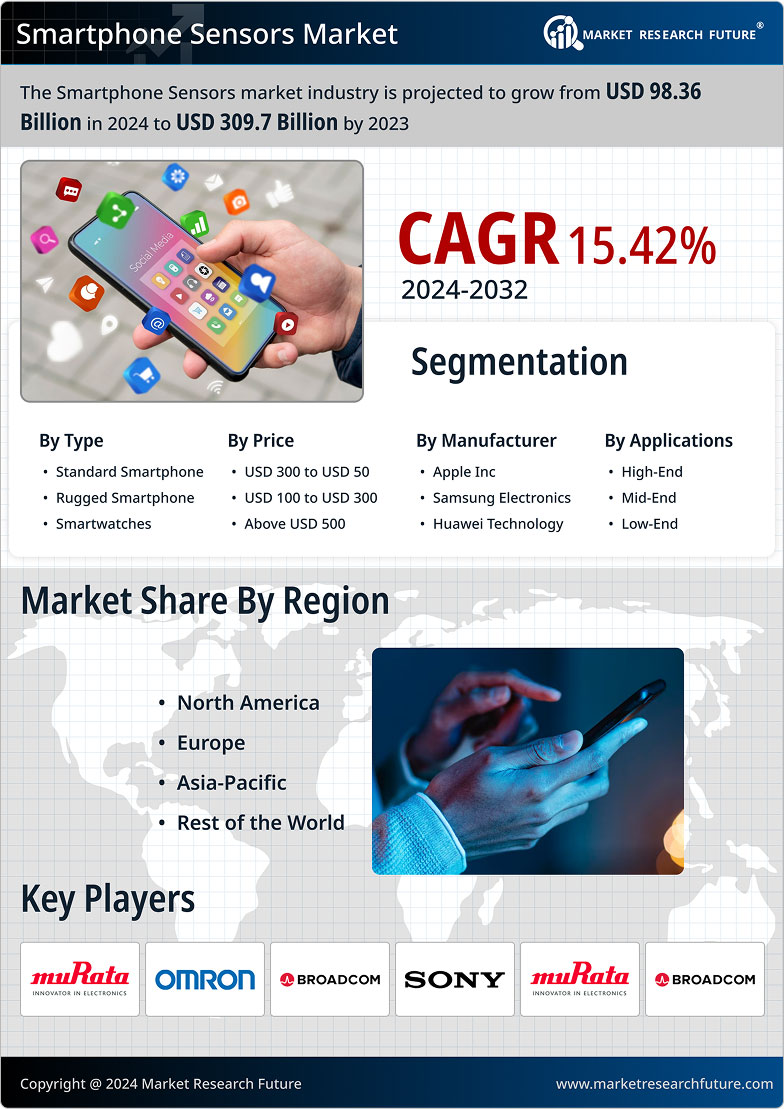
Conductive Silicone Rubber Market Infographic
Purchase Options

Market Analysis

In-depth Analysis of Conductive Silicone Rubber Market Industry Landscape

The Conductive Silicone Rubber market has unique and growing trends driven by several factors. The growing demand in cutting-edge electronic parts across businesses shapes the market. Conductive silicone rubber is used in vehicle and medical applications due to its versatility, warmth stability, and electrical conductivity.

Fast mechanical advances in the hardware industry drive market elements. Materials with strong conductivity and adaptability are needed as electronic devices get smaller and more sophisticated. Conductive silicone rubber finds uses in adaptable circuits, keypads, and other electronics.

Additionally, the vehicle industry is a major player in the conductive silicone rubber sector. The integration of electrical systems into modern automobiles has increased demand for materials that can withstand harsh auto environments.

Clinical applications also boost conductive silicone rubber sales. Biocompatibility and electrical conductivity make the material suitable for wearable sensors and testing gear. As medical services embrace digitization, solid and versatile materials like conductive silicone rubber will gain popularity.

Producers' efforts to improve conductive silicone rubber's exhibition affect stock prices. Innovative work sessions aim to improve material conductivity, sturdiness, and quality. This constant improvement expands utilization zones, opening new market opportunities.

Administrative variables shape market elements, with a growing emphasis on natural maintainability. The conductive silicone rubber market is adapting to eco-friendly material usage regulations as legislators and administrative bodies tighten them. This change toward maintainability matches the global trend toward naturally conscious assembly practices.

Topography is developing in both developed and emerging economies. Designed locations with their hardware and auto endeavors keep conductive silicone rubber in demand. Emerging economies are becoming more important market players because to their rapid electronic assembly development.

Author
Priya Nagrale
Senior Research Analyst

With an experience of over five years in market research industry (Chemicals & Materials domain), I gather and analyze market data from diverse sources to produce results, which are then presented back to a client. Also, provide recommendations based on the findings. As a Senior Research Analyst, I perform quality checks (QC) for market estimations, QC for reports, and handle queries and work extensively on client customizations. Also, handle the responsibilities of client proposals, report planning, report finalization, and execution

Leave a Comment

FAQs

At what CAGR is the global conductive silicone rubber market projected to grow in the forecast period (2019-2025)?

conductive silicone rubber market is projected to grow at approximately 7% CAGR during the assessment period

How much is the global conductive silicone rubber market worth in the future?

conductive silicone rubber market is estimated to reach a valuation of approx. USD 8 BN

Which is the largest end-use industry in the global conductive silicone rubber market?

Automotive & transportation is the largest end-use industry in the global conductive silicone rubber market.

Which region holds the largest share in the global conductive silicone rubber market?

North America holds the largest share in the global conductive silicone rubber market, followed by Europe and the Asia Pacific, respectively.

Who are the top players in the global Conductive silicone rubber market?

Wacker Chemie AG, Dow, Saint-Gobain, Shin-Etsu Chemical Co., Ltd., The Rubber Company, KCC Corporation, Simolex Rubber Corporation, Specialty Silicone Products, Inc., Western Polyrub India Pvt. Ltd., and Creative Elastomers, are some of the top players operating in the global Conductive silicone rubber market.

Market Summary

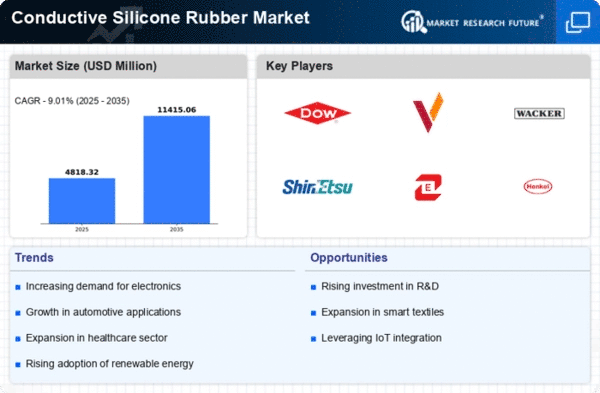
As per MRFR analysis, the Conductive Silicone Rubber Market Size was estimated at 4420.07 USD Million in 2024. The Conductive Silicone Rubber industry is projected to grow from 4818.24 USD Million in 2025 to 11415.06 USD Million by 2035, exhibiting a compound annual growth rate (CAGR) of 9.01 during the forecast period 2025 - 2035.

Key Market Trends & Highlights

The Conductive Silicone Rubber Market is poised for robust growth driven by technological advancements and increasing applications across various sectors.

  • North America remains the largest market for conductive silicone rubber, driven by its strong electronics sector.
  • Asia-Pacific is the fastest-growing region, reflecting a surge in demand from emerging markets and industrial applications.
  • The electronics segment dominates the market, while the automotive segment is experiencing rapid growth due to advancements in electric vehicles.
  • Rising demand in electronics and the automotive industry's growth are key drivers propelling the market forward.

Market Size & Forecast

2024 Market Size 4420.07 (USD Million)
2035 Market Size 11415.06 (USD Million)
CAGR (2025 - 2035) 9.01%
Largest Regional Market Share in 2024 Asia-Pacific

Major Players

<p>Dow (US), Momentive (US), Wacker Chemie (DE), Shin-Etsu Chemical (JP), Elkem (NO), Henkel (DE), 3M (US), KCC Corporation (KR), Trelleborg (SE)</p>

Market Trends

The Conductive Silicone Rubber Market is currently experiencing a notable transformation, driven by advancements in technology and increasing demand across various sectors. This material, known for its unique properties such as flexibility, durability, and electrical conductivity, is finding applications in industries ranging from electronics to automotive. The growing trend towards miniaturization in electronic devices necessitates materials that can provide both protection and conductivity, thereby enhancing the functionality of products. Furthermore, the rise of electric vehicles and renewable energy solutions is likely to bolster the demand for conductive silicone rubber, as these sectors require reliable materials for efficient performance. In addition to technological advancements, environmental considerations are shaping the Conductive Silicone Rubber Market. Manufacturers are increasingly focusing on sustainable practices, leading to the development of eco-friendly formulations. This shift not only addresses regulatory pressures but also aligns with consumer preferences for greener products. As the market evolves, it appears that innovation will play a crucial role in meeting the diverse needs of end-users. The interplay between performance, sustainability, and cost-effectiveness will likely define the competitive landscape in the coming years, suggesting a dynamic future for this sector.

Technological Advancements

The ongoing evolution of technology is significantly influencing the Conductive Silicone Rubber Market. Innovations in material science are leading to the development of enhanced formulations that offer superior conductivity and durability. This trend is particularly evident in the electronics sector, where the demand for smaller, more efficient components is driving the need for advanced conductive materials.

Sustainability Initiatives

There is a growing emphasis on sustainability within the Conductive Silicone Rubber Market. Manufacturers are increasingly adopting eco-friendly practices and developing sustainable products to meet regulatory requirements and consumer expectations. This trend reflects a broader shift towards environmentally responsible manufacturing processes, which may enhance brand reputation and market competitiveness.

Diverse Applications

The versatility of conductive silicone rubber is leading to its adoption across a wide range of applications. From automotive to healthcare, the material is being utilized in various sectors due to its unique properties. This trend indicates a potential for market expansion as new applications are explored, further driving demand for innovative solutions.

Conductive Silicone Rubber Market Market Drivers

Rising Demand in Electronics

The Global Conductive Silicone Rubber Market Industry experiences a surge in demand driven by the increasing use of electronic devices. As technology advances, the need for materials that provide both flexibility and conductivity becomes paramount. For instance, conductive silicone rubber is utilized in smartphones, wearables, and automotive electronics, where it serves as a key component in touchscreens and sensors. This trend is expected to contribute to the market's growth, with projections indicating a market value of 4.87 USD Billion in 2024, reflecting the industry's adaptation to evolving consumer preferences and technological innovations.

Market Segment Insights

By Application: Electronics (Largest) vs. Automotive (Fastest-Growing)

<p>In the Conductive Silicone Rubber Market, the application segment highlights varied usage across electronics, automotive, medical, aerospace, and industrial sectors. Electronics continue to hold the largest market share, driven by increasing demand for electronic components, smart devices, and telecommunications equipment. In contrast, the automotive sector is witnessing rapid growth, fueled by the rise of electric vehicles and the integration of smart technologies within vehicles, thus reshaping the dynamics of this market. Growth trends indicate a significant shift towards advanced applications in the automotive sector, which is projected to become the fastest-growing segment. This surge is largely attributed to the growing need for conductive materials that can enhance the efficiency of automotive electronics. Furthermore, innovations in automotive design, coupled with stricter regulations on electrical performance, are expected to drive growth in the application of conductive silicone rubber in this field.</p>

<p>Electronics (Dominant) vs. Automotive (Emerging)</p>

<p>Electronics is the dominant application segment in the Conductive Silicone Rubber Market, characterized by its robust integration into various electronic devices including smartphones, computers, and consumer electronics. The durability, flexibility, and enhanced conductivity of silicone rubber make it an ideal choice for protecting and insulating electronic components. On the other hand, the automotive sector is showing signs of being an emerging application segment, with particular momentum gained from the shift towards electric vehicles (EVs) and increasing adoption of autonomous driving technologies. This emerging segment highlights the need for advanced materials that can support high-performance requirements while ensuring safety and reliability, positioning automotive applications as a significant area of focus for future innovations in conductive silicone rubber.</p>

By End Use: Consumer Electronics (Largest) vs. Medical Devices (Fastest-Growing)

<p>The Conductive Silicone Rubber Market is segmented into various end uses, notably Consumer Electronics, Telecommunications, Automotive Components, Medical Devices, and Industrial Equipment. Among these, Consumer Electronics dominates the market, accounting for the largest share due to the increasing adoption of advanced electronic devices. Telecommunications also holds a significant share, bolstered by the rising demand for communication technologies. Meanwhile, segments such as Automotive Components and Industrial Equipment follow closely, reflecting the versatility of conductive silicone rubber across different industries.</p>

<p>Consumer Electronics (Dominant) vs. Medical Devices (Emerging)</p>

<p>Consumer Electronics stands out as the dominant end-use segment in the Conductive Silicone Rubber Market, driven by the rapid technological advancements and the growing preference for lightweight, efficient materials. The rise of smart gadgets and IoT devices necessitates materials that can support electronic functionalities while maintaining flexibility and durability. On the other hand, the Medical Devices segment is emerging swiftly, influenced by an increasing need for advanced healthcare solutions. The integration of conductive silicone rubber in medical devices enhances their performance, offering improved biocompatibility and reliability in various applications, including wearables and diagnostic tools.</p>

By Type: Thermal Conductive Silicone Rubber (Largest) vs. Electrical Conductive Silicone Rubber (Fastest-Growing)

<p>The Conductive Silicone Rubber Market showcases distinct segments where Thermal Conductive Silicone Rubber holds the largest market share, primarily due to its extensive applications in electronics and thermal management solutions. This segment is widely favored in industries requiring efficient heat dissipation, such as automotive and consumer electronics, thus solidifying its position as a dominant force in the market. In contrast, Electrical Conductive Silicone Rubber is recognized as the fastest-growing segment, driven by increasing demand for advanced electronic components and assemblies. Its rise can be attributed to innovations in smart devices and wearable technology that require efficient electrical conduction, paving the way for significant growth in the upcoming years.</p>

<p>Thermal Conductive (Dominant) vs. Electrical Conductive (Emerging)</p>

<p>Thermal Conductive Silicone Rubber stands out as the dominant force in the Conductive Silicone Rubber Market, offering outstanding heat management capabilities for various applications, including LED lighting and automotive components. Its unparalleled thermal conductivity makes it an essential material in maintaining optimal performance and safety in high-performance devices. Conversely, Electrical Conductive Silicone Rubber is emerging rapidly, capturing attention with its potential for versatile applications ranging from electronic housings to flexible circuits. The segment's adaptability to different formulations allows it to meet the specific conduction requirements of evolving technologies, contributing to its fast-paced growth and expanding market share.</p>

By Formulation: One-Part Silicone Rubber (Largest) vs. Two-Part Silicone Rubber (Fastest-Growing)

<p>In the conductive silicone rubber market, the distribution of market share among formulation segments reveals that one-part silicone rubber holds the largest share due to its ease of use and efficiency. This segment is widely favored for various applications including automotive and electronics, which depend heavily on conductive materials. Following closely, two-part silicone rubber is gaining traction as it offers customizable properties that enhance performance in specialized applications. This segment, while smaller, is rapidly expanding due to increasing demand for high-performance materials that cater to specific industry needs.</p>

<p>One-Part Silicone Rubber (Dominant) vs. Two-Part Silicone Rubber (Emerging)</p>

<p>One-part silicone rubber is distinguished by its user-friendly application process and rapid curing times, which make it a preferred choice among manufacturers for mass production. Its dominance in the market is attributed to its versatility in various uses, from molds and seals to electronic applications. In contrast, two-part silicone rubber is emerging as a strong contender, offering adjustable curing times and customizable properties that make it suitable for intricate designs and specialized applications. The growth of this segment is fueled by innovations in product formulations that cater to evolving technological demands in the electronics and automotive sectors.</p>

By Processing Method: Injection Molding (Largest) vs. 3D Printing (Fastest-Growing)

<p>In the Conductive Silicone Rubber Market, the segmentation by processing method reveals that Injection Molding holds the largest market share due to its efficiency and suitability for high-volume production. This method is favored for its ability to produce complex shapes with precision, and it caters to a wide range of applications in electronics and automotive industries. Conversely, 3D Printing is emerging rapidly as a significant player in the market, primarily due to the rising demand for customized solutions and rapid prototyping, which allows for innovative designs and flexibility in production.</p>

<p>Injection Molding: Dominant vs. 3D Printing: Emerging</p>

<p>Injection Molding is recognized as the dominant processing method in the Conductive Silicone Rubber Market, known for its rapid production capabilities and consistent quality. This method is especially advantageous for large-scale applications where uniformity and precision are critical. On the other hand, 3D Printing is considered an emerging method, revolutionizing how conductive silicone products are made. Its ability to create intricate designs and reduce material wastage is attracting attention, especially from industries that require bespoke solutions. Both methods cater to different market needs, with Injection Molding focusing on high-volume production while 3D Printing emphasizes customization and innovation.</p>

Get more detailed insights about Conductive Silicone Rubber Market Research Report - Global Forecast till 2035

Regional Insights

North America : Innovation and Demand Growth

The North American conductive silicone rubber market is projected to reach $1326.02 million by December 2025, driven by increasing demand in electronics, automotive, and healthcare sectors. Regulatory support for advanced materials and sustainability initiatives further catalyze market growth. The region's focus on innovation and R&D is expected to enhance product offerings, meeting the evolving needs of various industries. Leading countries like the US and Canada dominate the market, with key players such as Dow, Momentive, and 3M establishing a strong foothold. The competitive landscape is characterized by strategic partnerships and technological advancements, ensuring a robust supply chain. The presence of established manufacturers and a growing emphasis on high-performance materials position North America as a critical player in the global market.

Europe : Sustainable Solutions and Innovation

Europe's conductive silicone rubber market is anticipated to reach €1100 million by December 2025, fueled by stringent regulations promoting sustainability and innovation. The demand for eco-friendly materials in automotive and electronics sectors is a significant growth driver. Regulatory frameworks, such as the EU's REACH, encourage the adoption of safer materials, enhancing market dynamics. Germany, France, and the UK are leading countries in this region, with major players like Wacker Chemie and Henkel contributing to market expansion. The competitive landscape is marked by a focus on R&D and collaboration among manufacturers to develop advanced solutions. The presence of established companies and a strong emphasis on sustainability make Europe a vital market for conductive silicone rubber.

Asia-Pacific : Dominance in Market Share

The Asia-Pacific region is projected to dominate the conductive silicone rubber market, reaching $1980 million by December 2025. This growth is driven by rapid industrialization, increasing electronic manufacturing, and a rising demand for high-performance materials. Countries like China, Japan, and South Korea are at the forefront, supported by favorable government policies and investments in technology. China is the largest market, with significant contributions from key players such as Shin-Etsu Chemical and KCC Corporation. The competitive landscape is characterized by a mix of local and international companies, focusing on innovation and cost-effective solutions. The region's robust manufacturing capabilities and growing consumer electronics market position Asia-Pacific as a powerhouse in The Conductive Silicone Rubber.

Middle East and Africa : Emerging Market Potential

The Middle East and Africa (MEA) conductive silicone rubber market is expected to reach $14.05 million by December 2025, driven by increasing industrial activities and a growing demand for advanced materials. The region's focus on diversifying economies and investing in infrastructure projects is expected to catalyze market growth. Regulatory support for manufacturing and technology adoption further enhances the market landscape. Countries like South Africa and the UAE are emerging as key players in this market, with a growing number of local manufacturers entering the space. The competitive landscape is evolving, with international companies exploring opportunities in the region. The presence of key players and a focus on innovation position the MEA region as a potential growth area for conductive silicone rubber.

Key Players and Competitive Insights

The Conductive Silicone Rubber Market is currently characterized by a dynamic competitive landscape, driven by increasing demand across various sectors such as electronics, automotive, and healthcare. Key players are actively engaging in strategies that emphasize innovation, regional expansion, and partnerships to enhance their market positioning. For instance, in November 2025, Dow (US) announced a strategic partnership with a leading automotive manufacturer to develop advanced conductive silicone materials aimed at improving electric vehicle performance. This collaboration underscores Dow's commitment to innovation and its focus on the growing electric vehicle segment, which is likely to shape competitive dynamics in the market.

In terms of business tactics, companies are increasingly localizing manufacturing and optimizing supply chains to enhance efficiency and responsiveness to market demands. The market structure appears moderately fragmented, with several key players exerting considerable influence. This fragmentation allows for a diverse range of products and innovations, while also fostering competition among established firms and new entrants alike.

In October 2025, Momentive (US) unveiled a new line of conductive silicone rubber products designed specifically for the medical device industry. This launch is significant as it not only expands Momentive's product portfolio but also positions the company to capitalize on the growing demand for advanced materials in healthcare applications. The strategic focus on medical devices indicates a shift towards specialized applications, which may enhance Momentive's competitive edge.

Similarly, in September 2025, Wacker Chemie (DE) announced the expansion of its production capacity for conductive silicone rubber in Asia. This move is indicative of Wacker's strategy to strengthen its presence in the rapidly growing Asian market, which is expected to see substantial growth in demand for conductive materials. By increasing production capacity, Wacker aims to meet the rising needs of local customers while enhancing its supply chain efficiency.

Lastly, in August 2025, Shin-Etsu Chemical (JP) launched a new initiative focused on sustainability, aiming to reduce the environmental impact of its manufacturing processes for conductive silicone rubber. This initiative reflects a broader trend within the industry towards sustainable practices, which are becoming increasingly important to consumers and regulatory bodies alike. Shin-Etsu's commitment to sustainability may not only improve its market reputation but also align with the growing demand for eco-friendly products.

As of December 2025, current competitive trends indicate a strong emphasis on digitalization, sustainability, and the integration of AI technologies within the production processes. Strategic alliances are increasingly shaping the landscape, allowing companies to leverage complementary strengths and enhance innovation capabilities. Looking ahead, competitive differentiation is likely to evolve from traditional price-based competition towards a focus on technological advancements, product innovation, and supply chain reliability, as companies strive to meet the complex demands of a rapidly changing market.

Key Companies in the Conductive Silicone Rubber Market market include

Industry Developments

Future Outlook

Conductive Silicone Rubber Market Future Outlook

<p>The Conductive Silicone Rubber Market is projected to grow at a 9.01% CAGR from 2024 to 2035, driven by advancements in electronics, automotive applications, and increasing demand for flexible materials.</p>

New opportunities lie in:

  • <p>Development of specialized conductive silicone formulations for automotive sensors.</p>
  • <p>Expansion into emerging markets with tailored product offerings.</p>
  • <p>Integration of conductive silicone in wearable technology for enhanced performance.</p>

<p>By 2035, the market is expected to solidify its position as a leader in advanced material solutions.</p>

Market Segmentation

Conductive Silicone Rubber Market Type Outlook

  • Thermal Conductive Silicone Rubber
  • Electrical Conductive Silicone Rubber
  • Pressure Sensitive Conductive Silicone Rubber
  • Self-Healing Conductive Silicone Rubber

Conductive Silicone Rubber Market End Use Outlook

  • Consumer Electronics
  • Telecommunications
  • Automotive Components
  • Medical Devices
  • Industrial Equipment

Conductive Silicone Rubber Market Application Outlook

  • Electronics
  • Automotive
  • Medical
  • Aerospace
  • Industrial

Conductive Silicone Rubber Market Formulation Outlook

  • One-Part Silicone Rubber
  • Two-Part Silicone Rubber
  • Liquid Silicone Rubber
  • Solid Silicone Rubber

Conductive Silicone Rubber Market Processing Method Outlook

  • Injection Molding
  • Compression Molding
  • Extrusion
  • 3D Printing

Report Scope

MARKET SIZE 20244420.07(USD Million)
MARKET SIZE 20254818.24(USD Million)
MARKET SIZE 203511415.06(USD Million)
COMPOUND ANNUAL GROWTH RATE (CAGR)9.01% (2024 - 2035)
REPORT COVERAGERevenue Forecast, Competitive Landscape, Growth Factors, and Trends
BASE YEAR2024
Market Forecast Period2025 - 2035
Historical Data2019 - 2024
Market Forecast UnitsUSD Million
Key Companies ProfiledDow (US), Momentive (US), Wacker Chemie (DE), Shin-Etsu Chemical (JP), Elkem (NO), Henkel (DE), 3M (US), KCC Corporation (KR), Trelleborg (SE)
Segments CoveredApplication, End Use, Type, Formulation, Processing Method
Key Market OpportunitiesGrowing demand for electric vehicles drives innovation in the Conductive Silicone Rubber Market.
Key Market DynamicsRising demand for electric vehicles drives innovation and competition in the conductive silicone rubber market.
Countries CoveredNorth America, Europe, APAC, South America, MEA

FAQs

At what CAGR is the global conductive silicone rubber market projected to grow in the forecast period (2019-2025)?

conductive silicone rubber market is projected to grow at approximately 7% CAGR during the assessment period

How much is the global conductive silicone rubber market worth in the future?

conductive silicone rubber market is estimated to reach a valuation of approx. USD 8 BN

Which is the largest end-use industry in the global conductive silicone rubber market?

Automotive &amp; transportation is the largest end-use industry in the global conductive silicone rubber market.

Which region holds the largest share in the global conductive silicone rubber market?

North America holds the largest share in the global conductive silicone rubber market, followed by Europe and the Asia Pacific, respectively.

Who are the top players in the global Conductive silicone rubber market?

Wacker Chemie AG, Dow, Saint-Gobain, Shin-Etsu Chemical Co., Ltd., The Rubber Company, KCC Corporation, Simolex Rubber Corporation, Specialty Silicone Products, Inc., Western Polyrub India Pvt. Ltd., and Creative Elastomers, are some of the top players operating in the global Conductive silicone rubber market.

  1. Executive Summary
  2. Scope of the Report
    1. Market Definition
    2. Scope of the Study
      1. Research Objectives
      2. Assumptions & Limitations
    3. Markets Structure
  3. Market
    1. Research Methodology
    2. Research Process
    3. Secondary Research
    4. Primary Research
    5. Forecast Model
  4. Market Landscape
    1. Supply Chain Analysis
    2. Market Dynamics of Global Conductive Silicone Rubber Market
  5. Raw Material Suppliers
  6. Manufacturers/Producers
  7. Distributors/Retailers/Wholesalers/E-Commerce
  8. End Use
    1. Porter’s Five Forces Analysis
      1. Threat of New Entrants
      2. Bargaining Power of Buyers
      3. Bargaining Power of Suppliers
      4. Threat of Substitutes
      5. Intensity of Competitive Rivalry
    2. Introduction
    3. Drivers
    4. Restraints
    5. Opportunities
    6. Challenges
    7. Trends/Technology
  9. Global Conductive Silicone Rubber Market, by
    1. Product
    2. Introduction
    3. Electrically Conductive
      1. Market
      2. Market Estimates & Forecast,
    4. Estimates & Forecast, 2020−2027
    5. by Region, 2020−2027
    6. Thermally Conductive
      1. Market Estimates
      2. Market Estimates & Forecast, by Region,
    7. & Forecast, 2020−2027
  10. Global Conductive Silicone Rubber Market, by End Use
    1. Introduction
    2. Automotive & Transportation
      1. Market
      2. Market Estimates & Forecast,
    3. Estimates & Forecast, 2020−2027
    4. by Region, 2020−2027
    5. Electrical & Electronics
      1. Market
      2. Market Estimates & Forecast,
    6. Estimates & Forecast, 2020−2027
    7. by Region, 2020−2027
    8. Industrial Machines
      1. Market Estimates
      2. Market Estimates & Forecast, by Region,
    9. & Forecast, 2020−2027
    10. Others
      1. Market Estimates & Forecast, 2020−2027
      2. Market Estimates & Forecast, by Region, 2020−2027
  11. Global
  12. Conductive Silicone Rubber Market, by Region
    1. Introduction
    2. North
      1. Market Estimates & Forecast, 2020−2027
      2. Market
      3. Market Estimates
      4. US
      5. Canada
      6. Market Estimates & Forecast, 2020−2027
      7. Market
      8. Market Estimates
      9. Germany
      10. France
    3. America
    4. Estimates & Forecast, by Product, 2020−2027
    5. & Forecast, by End Use, 2020−2027
    6. & Forecast, 2020−2027
    7. Product, 2020−2027
    8. Europe
    9. Estimates & Forecast, by Product, 2020−2027
    10. & Forecast, by End Use, 2020−2027
    11. Estimates & Forecast, 2020−2027
    12. by Product, 2020−2027
    13. Use, 2020−2027
    14. Italy
  13. Market Estimates & Forecast, by Product, 2020−2027
    1. Estimates & Forecast, by End Use, 2020−2027
    2. Market Estimates & Forecast, 2020−2027
    3. Forecast, by Product,2020−2027
    4. by End Use, 2020−2027
    5. Russia
  14. Market
  15. Spain
  16. Market Estimates &
  17. Market Estimates & Forecast,
  18. UK
  19. Market Estimates & Forecast,
  20. Market Estimates & Forecast, by Product,2020−2027
  21. Market Estimates & Forecast, by End Use, 2020−2027
  22. Market Estimates & Forecast, 2020−2027
  23. Market Estimates & Forecast, by Product,2020−2027
    1. Estimates & Forecast, by End Use, 2020−2027
    2. Market Estimates & Forecast, 2020−2027
    3. & Forecast, by Product, 2020−2027
    4. Forecast, by End Use, 2020−2027
    5. Estimates & Forecast, 2020−2027
    6. by Product, 2020−2027
    7. Use, 2020−2027
    8. China
  24. Market
  25. Poland
  26. Market Estimates
  27. Market Estimates &
  28. Rest of Europe
  29. Market
  30. Market Estimates & Forecast,
  31. Market Estimates & Forecast, by End
    1. Asia-Pacific
      1. Market Estimates & Forecast,
      2. Market Estimates & Forecast, by Product, 2020−2027
      3. Market Estimates & Forecast, by End Use, 2020−2027
  32. Market Estimates & Forecast, by Product, 2020−2027
    1. Estimates & Forecast, by End Use, 2020−2027
    2. Market Estimates & Forecast, 2020−2027
    3. Forecast, by Product, 2020−2027
    4. by End Use, 2020−2027
    5. Forecast, 2020−2027
    6. Rest of Asia-Pacific
  33. Market
  34. India
  35. Market Estimates &
  36. Market Estimates & Forecast,
  37. Japan
  38. Market Estimates &
  39. Market Estimates & Forecast, by Product,
  40. Market Estimates & Forecast, by End Use, 2020−2027
  41. Australia & New Zealand
  42. Market Estimates & Forecast,
  43. Market Estimates & Forecast, by Product, 2020−2027
  44. Market Estimates & Forecast, by End Use, 2020−2027
  45. Market Estimates & Forecast, 2020−2027
  46. Market Estimates & Forecast, by Product, 2020−2027
  47. Market Estimates & Forecast, by End Use, 2020−2027
    1. Middle East
      1. Market Estimates & Forecast, 2020−2027
    2. & Africa
  48. Market Estimates & Forecast, by Product, 2020−2027
    1. & Forecast, by End Use, 2020−2027
    2. & Forecast, 2020−2027
    3. Product, 2020−2027
    4. North Africa
  49. Market Estimates
  50. UAE
  51. Market Estimates
  52. Market Estimates & Forecast, by
  53. Market Estimates & Forecast, by End Use,
  54. Israel
  55. Market Estimates & Forecast,
  56. Market Estimates & Forecast, by Product, 2020−2027
  57. Market Estimates & Forecast, by End Use, 2020−2027
  58. Market Estimates & Forecast, 2020−2027
  59. Market Estimates & Forecast, by Product, 2020−2027
    1. Estimates & Forecast, by End Use, 2020−2027
    2. Market Estimates & Forecast, 2020−2027
    3. Forecast, by Product, 2020−2027
    4. by End Use, 2020−2027
    5. Market Estimates & Forecast, 2020−2027
    6. Forecast, by Product, 2020−2027
    7. by End Use, 2020−2027
    8. Forecast, 2020−2027
  60. Market
  61. Turkey
  62. Market Estimates &
  63. Market Estimates & Forecast,
  64. Rest of Middle East & Africa
  65. Market Estimates &
  66. Market Estimates & Forecast,
    1. Latin America
      1. Market Estimates &
      2. Market Estimates & Forecast, by Product,
      3. Market Estimates & Forecast, by End Use, 2020−2027
      4. Brazil
  67. Market Estimates & Forecast, by End Use, 2020−2027
    1. Estimates & Forecast, by Product, 2020−2027
    2. & Forecast, by End Use, 2020−2027
    3. Estimates & Forecast, 2020−2027
    4. by Product, 2020−2027
    5. Use, 2020−2027
    6. & Forecast, 2020−2027
    7. Product, 2020−2027
  68. Argentina
  69. Market Estimates & Forecast, 2020−2027
  70. Market
  71. Market Estimates
  72. Mexico
  73. Market
  74. Market Estimates & Forecast,
  75. Market Estimates & Forecast, by End
  76. Rest of Latin America
  77. Market Estimates
  78. Market Estimates & Forecast, by
  79. Market Estimates & Forecast, by End Use,
  80. Company Landscape
    1. Introduction
    2. Market
    3. Strategy
    4. Key Development Analysis (Expansion/Merger & Acquisitions/Joint
    5. Venture/New Product Development/Agreement/Investment)
  81. Company Profiles
    1. Wacker Chemie AG
      1. Company Overview
      2. Financial Updates
      3. Product/Business Segment Overview
      4. Strategy
      5. SWOT Analysis
    2. Key Developments
    3. Shin-Etsu Chemical Co., Ltd
      1. Company Overview
      2. Financial Updates
      3. Product/Business
      4. Strategy
      5. Key Developments
    4. Segment Overview
    5. SWOT Analysis
    6. Saint-Gobain
      1. Company Overview
      2. Financial
      3. Product/Business Segment Overview
      4. Strategy
      5. Key Developments
      6. SWOT Analysis
    7. Updates
    8. Dow
      1. Company
      2. Financial Updates
      3. Product/Business Segment Overview
      4. Strategy
      5. Key Developments
      6. SWOT Analysis
    9. Overview
    10. KCC Corporation
      1. Company Overview
      2. Financial Updates
      3. Product/Business Segment Overview
      4. Strategy
      5. SWOT Analysis
    11. Key Developments
    12. Specialty Silicone Products,
      1. Company Overview
      2. Financial Updates
      3. Product/Business
      4. Strategy
      5. Key Developments
    13. Inc.
    14. Segment Overview
    15. SWOT Analysis
    16. Simolex Rubber Corporation
      1. Company Overview
      2. Financial Updates
      3. Product/Business Segment Overview
      4. Key Developments
      5. SWOT Analysis
    17. Strategy
    18. WESTERN
      1. Company Overview
      2. Financial Updates
      3. Product/Business Segment Overview
      4. Strategy
      5. SWOT Analysis
    19. POLYRUB INDIA PVT. LTD.
    20. Key Developments
    21. The Rubber Company
      1. Financial Updates
      2. Product/Business Segment
      3. Strategy
      4. Key Developments
      5. SWOT Analysis
    22. Company Overview
    23. Overview
    24. Creative Elastomers
      1. Company Overview
      2. Financial
      3. Product/Business Segment Overview
      4. Strategy
      5. Key Developments
      6. SWOT Analysis
    25. Updates
  82. Conclusion
    1. LIST
  83. OF TABLES
  84. Global Conductive Silicone Rubber Market: by Region,
  85. North America: Conductive Silicone Rubber Market, by
    1. Country, 2020−2027
  86. Europe: Conductive Silicone Rubber Market,
    1. by Country, 2020−2027
  87. Asia-Pacific: Conductive Silicone Rubber
    1. Market. by Country, 2020−2027
  88. Middle East & Africa: Conductive
  89. Silicone Rubber Market, by Country, 2020−2027
  90. Latin America:
  91. Conductive Silicone Rubber Market, by Country, 2020−2027
  92. Global
  93. Conductive Silicone Rubber Product Market, by Regions, 2020−2027
    1. Table
  94. North America: Conductive Silicone Rubber Product Market, by Country, 2020−2027
  95. Europe: Conductive Silicone Rubber Product Market, by Country, 2020−2027
  96. Table10 Asia-Pacific: Conductive Silicone Rubber Product Market, by Country, 2020−2027
    1. Table11 Middle East & Africa: Conductive Silicone Rubber Product Market, by
    2. Country, 2020−2027
    3. Table12 Latin America: Conductive Silicone Rubber
  97. Product Market, by Country, 2020−2027
  98. Global Conductive Silicone
  99. Rubber End Use Market, by Regions, 2020−2027
    1. Table14 North America: Conductive
  100. Silicone Rubber End Use Market, by Country, 2020−2027
    1. Table15 Europe:
  101. Conductive Silicone Rubber End Use Market, by Country, 2020−2027
    1. Table16
  102. Asia-Pacific: Conductive Silicone Rubber End Use Market, by Country, 2020−2027
    1. Table17 Middle East & Africa: Conductive Silicone Rubber End Use Market, by
    2. Country, 2020−2027
    3. Table18 Latin America: Conductive Silicone Rubber
  103. by End Use Market, by Country, 2020–2027
    1. Table19 Global Product Market,
    2. by Region, 2020−2027
  104. Table20 Global End Use Market, by Region, 2020−2027
  105. Table21 North America: Conductive Silicone Rubber Market, by Country, 2020−2027
  106. Table22 North America: Conductive Silicone Rubber Market, by Product, 2020−2027
  107. Table23 North America: Conductive Silicone Rubber Market, by End Use, 2020−2027
  108. Table24 Europe: Conductive Silicone Rubber Market, by Country, 2020−2027
  109. Table25 Europe: Conductive Silicone Rubber Market, by Product, 2020−2027
  110. Table26 Europe: Conductive Silicone Rubber Market, by End Use, 2020−2027
  111. Table27 Asia-Pacific: Conductive Silicone Rubber Market, by Country, 2020−2027
  112. Table28 Asia-Pacific: Conductive Silicone Rubber Market, by Product, 2020−2027
  113. Table29 Asia-Pacific: Conductive Silicone Rubber Market, by End Use, 2020−2027
  114. Table30 Middle East & Africa: Conductive Silicone Rubber Market, by Country,
    1. Table31 Middle East & Africa: Conductive Silicone Rubber
  115. Market, by Product, 2020−2027
    1. Table32 Middle East & Africa: Conductive
  116. Silicone Rubber Market, by End Use, 2020−2027
    1. Table33 Latin America:
  117. Conductive Silicone Rubber Market, by Country, 2020−2027
    1. Table34 Latin
  118. America: Conductive Silicone Rubber Market, by Product, 2020−2027
    1. Table35
  119. Latin America: Conductive Silicone Rubber Market, by End Use, 2020−2027
  120. LIST OF FIGURES
  121. Global Conductive Silicone Rubber Market Segmentation
  122. Forecast Research Methodology
  123. Porter’s Five Forces
    1. Analysis of Global Conductive Silicone Rubber Market
  124. Value Chain of
    1. Global Conductive Silicone Rubber Market
  125. Share of Global Conductive
  126. Silicone Rubber Market in 2020, by Country
  127. Global Conductive Silicone
    1. Rubber Market, 2020−2027,
  128. Global Conductive Silicone Rubber
  129. Market Size, by Product, 2020
  130. Share of Global Conductive Silicone
  131. Rubber Market, by Product, 2020−2027
  132. Global Conductive Silicone
  133. Rubber Market Size, by End Use, 2020
    1. FIGURE10 Share of Global Conductive Silicone
  134. Rubber Market, by End Use, 2020−2027

Conductive Silicone Rubber Market Segmentation

Market Segmentation Overview

  • Detailed segmentation data will be available in the full report
  • Comprehensive analysis by multiple parameters
  • Regional and country-level breakdowns
  • Market size forecasts by segment
Infographic

Free Sample Request

Kindly complete the form below to receive a free sample of this Report

Get Free Sample

Customer Strories

Compare Licence

×
Features License Type
Single User Multiuser License Enterprise User
Price $4,950 $5,950 $7,250
Maximum User Access Limit 1 User Upto 10 Users Unrestricted Access Throughout the Organization
Free Customization
Direct Access to Analyst
Deliverable Format
Platform Access
Discount on Next Purchase 10% 15% 15%
Printable Versions