×
Hero Background
English
Chinese
French
Japanese
Korean
German
Spanish

Immunosuppressive Drugs Market Size

ID: MRFR/Pharma/6756-HCR
111 Pages
Kinjoll Dey
October 2025

Immunosuppressive Drugs Market Research Report Information By Drug Type (Calcineurin Inhibitors, Corticosteroids, Antiproliferative Agents, mTOR Inhibitors, Others), Route of Administration (Intravenous, Oral, Others), Application (Autoimmune Disease, Organ Transplant, Kidney Transplant, Heart Transplant, Others) and End User (Hospitals and Clinics, Organ Transplant Centers, Others)-Forecast to 2035.

Share:
Download PDF ×

We do not share your information with anyone. However, we may send you emails based on your report interest from time to time. You may contact us at any time to opt-out.

Immunosuppressive Drugs Market Infographic
Purchase Options

Immunosuppressive Drugs Size

Immunosuppressive Drugs Market Growth Projections and Opportunities

The Immunosuppressive Drugs Market is forecasted to reach a value of USD 9.98 Billion by 2032, with a CAGR of 7.5% the forecast period estimated to be running from 2023 to 2032. The Immunosuppressive Drugs Market is effected by a lot of factors, which interact and set the market dynamics landscape to stimulate growth in it. The main actor here is the growing acceptance of autoimmune disorders, organ transplants, and inflammatory conditions which need immunosuppressive therapies. The knowledge about the immune system becomes deeper, as a result, the use of powerful immunosuppressive drugs must be enhanced to manage immune responses and these health conditions. This trend is exactly the one that is also aggravated by the cutting edge in transplantation medicine through which life-saving immunosuppressive medications play a pivotal role in fighting graft rejection and ensuring the success of organ transplants.

Likewise the medicines safety and efficacy of the immunosuppressive drugs are ensured by the regulatory factors which have a major impact in the market. Severe regulations are implemented for approval, manufacturing, and use of immunosuppressive drugs, thus allowing for every party’s responsible practice and being able to ensure the patients’ well-being. Fulfillment of these regulations will improve the preservation of the safety and reliability of immunosuppressive drugs and thereby engender trust not just among health professionals but also patients who are using these drugs for different medical conditions.

Technological advances in drug development and research have a central role in the defining of the industry prospects. Continuous growth in development of novel immunosuppressive agents, drug delivery system advancements, and targeted therapies all shape the increasing diversity of treatment avenues. These technological innovations are conceived with the purpose of making immunosuppressive drugs more efficacious, lessen its side effects, and ultimately results to better patient outcomes, thus stirring the market up.

Economical factors are one of the main determining factors such as insurance coverage, healthcare budgets and reimbursement policies which affect the adoption of immunosuppressive drugs in the healthcare. The cost-effectiveness of the therapies together with their ability to improve patients’ quality of life and also long-term health result makes them appealing to healthcare providers as well as payers. Economic factors, including their impact on the availability of such innovations in the immunosuppressive treatment area, constitute an essential part of influencing market trends.

The current competitive landscape of the immunosuppressive drugs market is comprised of well-established pharmaceutical companies that are fighting for market share by infiltrating the market with drugs for a different medical needs. Intensity in competition of market environment encourages inventiveness: only drugs with a better mechanism of action, efficacy, and safety profile are further developed. This diversity allows professionals to match the certain immunosuppressive drug that work for specific patients which makes the market slightly more dynamic than what it was in the past.
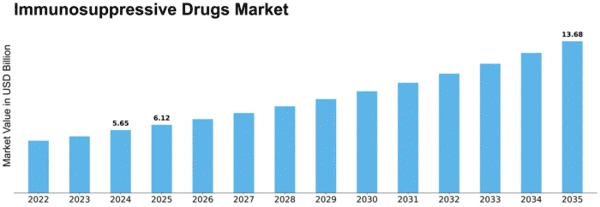

Immunosuppressive Drugs Market Size Graph
Author
Kinjoll Dey
Research Analyst Level I

He is an extremely curious individual currently working in Healthcare and Medical Devices Domain. Kinjoll is comfortably versed in data centric research backed by healthcare educational background. He leverages extensive data mining and analytics tools such as Primary and Secondary Research, Statistical Analysis, Machine Learning, Data Modelling. His key role also involves Technical Sales Support, Client Interaction and Project management within the Healthcare team. Lastly, he showcases extensive affinity towards learning new skills and remain fascinated in implementing them.

Leave a Comment

FAQs

At what CAGR is the immunosuppressive drugs market projected to grow during the forecast period?

The immunosuppressive drugs market is projected to grow at a 8.37% CAGR between 2025-2035.

Which region is predicted to have the largest share in the immunosuppressive drugs market?

The Americas are predicted to have the largest share in the immunosuppressive drugs market.

What will be the value of the immunosuppressive drugs market during the forecast period?

The immunosuppressive drugs market is predicted to touch USD 9.98 illion by 2032.

What are the key factors boosting the immunosuppressive drugs market growth?

Rising prevalence of autoimmune diseases and rising number of organ transplantation procedures are boosting market growth.

Which factors may limit the immunosuppressive drugs market growth?

Strict regulatory and approval processes may limit market growth.

Market Summary

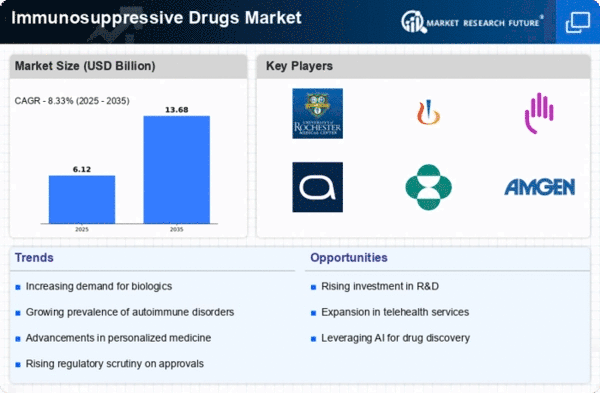
As per MRFR analysis, the Immunosuppressive Drugs Market Size was estimated at 5.65 USD Billion in 2024. The Immunosuppressive Drugs industry is projected to grow from 6.19 USD Billion in 2025 to 13.68 USD Billion by 2035, exhibiting a compound annual growth rate (CAGR) of 8.33 during the forecast period 2025 - 2035.

Key Market Trends & Highlights

The Immunosuppressive Drugs Market is experiencing robust growth driven by advancements and increasing demand across various segments.

  • The market is witnessing a rising demand for targeted therapies, particularly in the treatment of autoimmune diseases.
  • North America remains the largest market, while the Asia-Pacific region is emerging as the fastest-growing area for immunosuppressive drugs.
  • Organ transplantation continues to dominate the market, whereas the segment for autoimmune diseases is expanding rapidly.
  • Key drivers include the increasing prevalence of autoimmune diseases and the rising number of organ transplantation procedures.

Market Size & Forecast

2024 Market Size 5.65 (USD Billion)
2035 Market Size 13.68 (USD Billion)
CAGR (2025 - 2035) 8.33%
Largest Regional Market Share in 2024 North America

Major Players

<p>AbbVie (US), Roche (CH), Novartis (CH), Bristol-Myers Squibb (US), Merck & Co. (US), Amgen (US), Pfizer (US), Astellas Pharma (JP), Gilead Sciences (US)</p>

Market Trends

The Immunosuppressive Drugs Market is currently experiencing notable transformations driven by various factors. The increasing prevalence of autoimmune diseases and organ transplantation procedures has led to a heightened demand for effective immunosuppressive therapies. Furthermore, advancements in drug formulations and delivery mechanisms are enhancing patient outcomes, thereby fostering market growth. Regulatory bodies are also playing a crucial role in shaping the landscape by approving new therapies and ensuring safety standards. As a result, pharmaceutical companies are investing significantly in research and development to innovate and expand their product portfolios. In addition to the growing demand, the Immunosuppressive Drugs Market is witnessing a shift towards personalized medicine. Tailoring treatments to individual patient profiles appears to improve efficacy and minimize adverse effects. This trend is likely to encourage collaboration between healthcare providers and pharmaceutical firms, facilitating the development of targeted therapies. Moreover, the rise of biologics and biosimilars is reshaping the competitive dynamics within the market, as these products offer potential cost advantages and improved therapeutic options. Overall, the Immunosuppressive Drugs Market is poised for continued evolution, driven by scientific advancements and changing patient needs.

Rising Demand for Targeted Therapies

The Immunosuppressive Drugs Market is increasingly leaning towards targeted therapies that cater to specific patient profiles. This trend suggests a shift from traditional broad-spectrum treatments to more personalized approaches, potentially enhancing treatment efficacy and reducing side effects.

Advancements in Drug Delivery Systems

Innovations in drug delivery systems are transforming how immunosuppressive therapies are administered. Enhanced formulations and delivery mechanisms may improve patient compliance and therapeutic outcomes, indicating a promising direction for future developments in the market.

Growth of Biologics and Biosimilars

The emergence of biologics and biosimilars is reshaping the competitive landscape of the Immunosuppressive Drugs Market. These products could offer cost-effective alternatives to traditional therapies, thereby expanding access to treatment options for patients.

Immunosuppressive Drugs Market Market Drivers

Market Growth Projections

The Global Immunosuppressive Drugs Market Industry is projected to experience substantial growth over the next decade. With an estimated value of 5.12 USD Billion in 2024, the market is expected to reach 12.4 USD Billion by 2035, reflecting a robust compound annual growth rate of 8.37% from 2025 to 2035. This growth trajectory indicates a strong demand for immunosuppressive therapies driven by various factors, including the rising prevalence of autoimmune diseases, advancements in drug development, and increasing organ transplantation procedures. The market's expansion is indicative of the critical role immunosuppressive drugs play in modern medicine.

Growing Awareness and Education

The increasing awareness and education regarding autoimmune diseases and organ transplantation are pivotal for the Global Immunosuppressive Drugs Market Industry. Enhanced public knowledge leads to earlier diagnosis and treatment, which is essential for managing these conditions effectively. Healthcare providers are also becoming more informed about the latest treatment options, contributing to improved patient outcomes. Campaigns and initiatives aimed at educating both patients and healthcare professionals are likely to drive demand for immunosuppressive therapies. This heightened awareness is expected to support the growth of the Global Immunosuppressive Drugs Market Industry in the coming years.

Advancements in Drug Development

Innovations in drug development are significantly impacting the Global Immunosuppressive Drugs Market Industry. The emergence of biologics and targeted therapies offers new avenues for treating complex conditions. These advancements not only enhance efficacy but also reduce side effects compared to traditional therapies. For example, monoclonal antibodies have revolutionized treatment protocols for various autoimmune diseases. The ongoing research and development efforts are expected to yield more effective immunosuppressive agents, thereby expanding the market. The Global Immunosuppressive Drugs Market Industry is anticipated to grow at a CAGR of 8.37% from 2025 to 2035, indicating a robust pipeline of new therapies.

Regulatory Support and Approvals

Regulatory support and streamlined approval processes for immunosuppressive drugs are vital for the Global Immunosuppressive Drugs Market Industry. Governments and health authorities are increasingly recognizing the need for effective treatments for autoimmune diseases and transplant patients. Initiatives to expedite the approval of new therapies can significantly enhance market dynamics. For instance, the U.S. Food and Drug Administration has implemented programs to facilitate faster access to innovative treatments. This supportive regulatory environment is likely to encourage pharmaceutical companies to invest in research and development, thereby expanding the Global Immunosuppressive Drugs Market Industry.

Rising Prevalence of Autoimmune Diseases

The increasing incidence of autoimmune diseases globally drives the Global Immunosuppressive Drugs Market Industry. Conditions such as rheumatoid arthritis, lupus, and multiple sclerosis are becoming more prevalent, necessitating effective treatment options. For instance, the World Health Organization reports a rising trend in autoimmune disorders, which may lead to a higher demand for immunosuppressive therapies. As the global population ages, the burden of these diseases is likely to escalate, further propelling market growth. The Global Immunosuppressive Drugs Market Industry is projected to reach 5.12 USD Billion in 2024, reflecting the urgent need for innovative therapeutic solutions.

Increasing Organ Transplantation Procedures

The rise in organ transplantation procedures globally serves as a crucial driver for the Global Immunosuppressive Drugs Market Industry. As more individuals require organ transplants due to chronic diseases, the demand for immunosuppressive drugs to prevent organ rejection becomes paramount. According to the Global Observatory on Donation and Transplantation, the number of organ transplants has steadily increased, necessitating effective immunosuppressive regimens. This trend is likely to continue, with the market expected to reach 12.4 USD Billion by 2035. The need for tailored immunosuppressive therapies to improve transplant outcomes underscores the importance of this market.

Market Segment Insights

By Application: Organ Transplantation (Largest) vs. Autoimmune Diseases (Fastest-Growing)

<p>The application segment of the immunosuppressive drugs market reveals a diverse landscape characterized by various therapeutic areas. Organ transplantation emerges as the most substantial segment, capturing the largest share of the market due to the ongoing demand for transplant procedures. However, autoimmune diseases are rapidly gaining traction, reflecting a shift in market dynamics as more patients are diagnosed and treated for conditions such as rheumatoid arthritis and lupus. This dual landscape underscores the extensive need for immunosuppressive therapies across different medical scenarios. Growth trends within this segment are influenced by various factors including increasing rates of organ transplants and heightened awareness of autoimmune diseases. Advancements in drug formulations and treatment protocols are also contributing to the expansion of the autoimmune diseases sector. Furthermore, the aging population and associated rise in chronic conditions are driving demand for immunosuppressive drugs, emphasizing the critical role these treatments play in enhancing patient outcomes across both dominant and emerging therapeutic areas.</p>

<p>Organ Transplantation (Dominant) vs. Autoimmune Diseases (Emerging)</p>

<p>The organ transplantation segment of the immunosuppressive drugs market remains dominant, primarily due to a well-established procedural framework and the critical need for effective therapy to prevent organ rejection. This segment benefits from established clinical practices and a robust pipeline of immunosuppressive agents, helping to optimize patient outcomes post-surgery. Conversely, the autoimmune diseases segment stands out as an emerging area, showcasing rapid growth. The increasing recognition of autoimmune disorders, compounded by innovative treatment options, is accelerating demand. Patients are increasingly seeking tailored therapies that address the specific mechanisms of their conditions, facilitating a shift in treatment paradigms. This contrast highlights the diverse application needs within the market, emphasizing comprehensive strategies for both established and emerging therapeutic areas.</p>

By Drug Class: Calcineurin Inhibitors (Largest) vs. Antimetabolites (Fastest-Growing)

<p>In the Immunosuppressive Drugs Market, Calcineurin Inhibitors represent the largest segment, primarily used for preventing organ rejection in transplant procedures. Their dominance stems from their established efficacy and long-standing usage, making them a cornerstone of immunosuppressive therapy. In contrast, Antimetabolites have emerged as the fastest-growing segment, driven by increasing adoption and new drug formulations that enhance their effectiveness and safety profiles. Their growth signifies a shift towards more targeted therapies in managing autoimmune and transplant-related conditions. The growth trends in the market highlight a strategic focus on innovation and patient-centric approaches. Factors such as rising incidences of transplant surgeries, an increasing prevalence of chronic autoimmune conditions, and advancements in drug development are propelling the demand for Antimetabolites. Furthermore, regulatory approvals for newer agents are catalyzing market expansion. Meanwhile, Calcineurin Inhibitors continue to evolve through formulation improvements, further solidifying their leading position even in the face of growing competition from newer drug classes.</p>

<p>Calcineurin Inhibitors (Dominant) vs. mTOR Inhibitors (Emerging)</p>

<p>Calcineurin Inhibitors play a dominant role in the Immunosuppressive Drugs Market due to their extensive clinical history and established use in organ transplantation. These drugs work by inhibiting the activation of T-cells, crucial for the immune response, thereby effectively preventing organ rejection. On the other hand, mTOR Inhibitors, while now recognized as an emerging class, are gaining momentum owing to their unique mechanisms that offer alternative pathways for immunosuppression. They not only serve in transplant medicine but also show promise in treating certain cancers and autoimmune diseases. As researchers explore dual therapy options involving both classes, the synergy between Calcineurin Inhibitors and mTOR Inhibitors highlights a dynamic shift towards personalized medicine, catering to diverse patient needs.</p>

By Route of Administration: Oral (Largest) vs. Intravenous (Fastest-Growing)

<p>In the Immunosuppressive Drugs Market, the route of administration showcases significant diversity, with 'Oral' formulations leading in market share due to their ease of use and patient compliance. Conversely, 'Intravenous' applications are rapidly gaining traction as they provide faster therapeutic effects, making them the preferred choice in acute settings. 'Subcutaneous' drugs, while valuable, currently hold a smaller share compared to the other two methods.</p>

<p>Administration: Oral (Dominant) vs. Intravenous (Emerging)</p>

<p>Oral administration remains the dominant route in the immunosuppressive drugs segment, mainly due to its convenience and patient acceptance. These drugs are favored for long-term treatment, as patients tend to adhere better to oral regimens. On the other hand, intravenous drugs are emerging rapidly, especially in hospitals, due to their quick onset of action and effectiveness in managing severe conditions. Although currently less prevalent, subcutaneous routes are gaining attention for their potential benefits, including ease of administration and self-administration, positioning them as a valuable alternative in outpatient settings.</p>

By Patient Type: Adult Patients (Largest) vs. Pediatric Patients (Fastest-Growing)

<p>The Immunosuppressive Drugs Market exhibits a diverse distribution across patient types, with Adult Patients commanding the largest share. This demographic, often requiring long-term management of chronic diseases, relies heavily on immunosuppressive therapies, which have become essential in treating conditions such as autoimmune diseases and organ transplants. Pediatric Patients, though smaller in market share, are witnessing increased demand for tailored immunosuppressive treatments as awareness about pediatric-specific health needs grows.</p>

<p>Adult Patients (Dominant) vs. Pediatric Patients (Emerging)</p>

<p>Adult Patients represent the dominant segment within the Immunosuppressive Drugs Market due to the prevalence of chronic conditions that necessitate long-term immunosuppression. This includes diseases like rheumatoid arthritis and organ transplants that mature in adulthood. The segment emphasizes the need for potent and effective therapies. Conversely, Pediatric Patients are emerging as a vital segment, with increasing recognition of their unique healthcare needs. As the understanding of pediatric autoimmune diseases advances, the demand for specially formulated immunosuppressive drugs is growing, highlighting a shift towards developing age-appropriate treatment options.</p>

By Therapeutic Area: Rheumatology (Largest) vs. Oncology (Fastest-Growing)

<p>In the immunosuppressive drugs market, rheumatology holds the largest market share, driven by the rising prevalence of autoimmune diseases. This therapeutic area includes treatments for conditions such as rheumatoid arthritis and lupus, contributing significantly to sales. Meanwhile, nephrology and hematology also maintain substantial portions of the market, but their shares are lower in comparison to rheumatology. On the other hand, oncology has emerged as a significant player, with a rapidly growing share fueled by increased incidence rates of cancers and ongoing advancements in therapeutics. The growth trends for this segment indicate a dynamic shift towards oncology as the fastest-growing area within the immunosuppressive drugs market. This can be attributed to the growing interest in targeted therapies and biological agents that improve treatment efficacy and patient outcomes in cancer. Additionally, increasing patient awareness and advancements in research capabilities have resulted in an uptick in therapy initiation, thereby further driving the oncology segment's growth. As healthcare systems evolve, the emphasis on personalized medicine will continue to bolster oncology's prominence in the market.</p>

<p>Rheumatology (Dominant) vs. Oncology (Emerging)</p>

<p>Rheumatology remains a dominant segment in the immunosuppressive drugs market, characterized by a well-established framework of therapies aimed at managing chronic autoimmune diseases. The treatments often involve conventional synthetic drugs as well as novel biologic agents, optimizing patient care and improving quality of life for millions. Rheumatology's significance is underscored by the increasing number of diagnosed cases, highlighting the importance of sustained research and development within this area. In contrast, oncology is recognized as an emerging segment fueled by innovation in drug development and a focus on immunotherapy for various cancers. The oncology segment is seeing an influx of advanced therapies, such as CAR-T cell therapy and checkpoint inhibitors, which promise enhanced efficacy and reshaping of treatment paradigms. As immunosuppressive treatments in oncology gain traction, their adoption rates are expected to rise exponentially, paving the way for a transformative impact within the healthcare ecosystem.</p>

Get more detailed insights about Immunosuppressive Drugs Market Research Report - Forecast till 2035

Regional Insights

North America : Market Leader in Innovation

North America continues to lead the Immunosuppressive Drugs Market, holding a significant share of 2.83 billion in 2024. The region's growth is driven by increasing incidences of autoimmune diseases and organ transplants, alongside robust healthcare infrastructure. Regulatory support and advancements in drug development further catalyze market expansion, making it a hub for innovation and research in immunosuppressive therapies. The competitive landscape is characterized by major players such as AbbVie, Bristol-Myers Squibb, and Merck & Co., which dominate the market with their advanced product portfolios. The U.S. remains the largest contributor, supported by a strong pipeline of new therapies and a focus on personalized medicine. This competitive edge is bolstered by significant investments in R&D, ensuring that North America maintains its leadership position in the global market.

Europe : Emerging Market with Growth Potential

Europe's Immunosuppressive Drugs Market is valued at 1.7 billion, reflecting a growing demand driven by rising cases of chronic diseases and an aging population. Regulatory frameworks in the EU are increasingly supportive of innovative therapies, which is expected to enhance market growth. The region is also witnessing a shift towards biologics and targeted therapies, which are becoming essential in treatment protocols. Leading countries such as Germany, France, and the UK are at the forefront of this market, with a strong presence of key players like Roche and Novartis. The competitive landscape is marked by collaborations and partnerships aimed at enhancing drug efficacy and patient outcomes. As the market evolves, Europe is poised to become a significant player in the global immunosuppressive drugs arena, driven by innovation and regulatory support.

Asia-Pacific : Rapidly Growing Market Dynamics

The Asia-Pacific region, with a market size of 0.9 billion, is experiencing rapid growth in the Immunosuppressive Drugs Market. This growth is fueled by increasing healthcare expenditure, rising awareness of autoimmune diseases, and a growing patient population. Regulatory bodies in countries like Japan and Australia are also enhancing their frameworks to support the introduction of new therapies, which is expected to further stimulate market demand. Countries such as Japan, China, and India are leading the charge, with a mix of local and international players like Astellas Pharma and Gilead Sciences making significant inroads. The competitive landscape is evolving, with a focus on affordable treatment options and innovative drug delivery systems. As the region continues to develop, it is set to play a crucial role in The Immunosuppressive Drugs.

Middle East and Africa : Emerging Market with Challenges

The Middle East and Africa (MEA) region, with a market size of 0.22 billion, presents unique challenges and opportunities in the Immunosuppressive Drugs Market. The growth is primarily driven by increasing healthcare investments and a rising prevalence of chronic diseases. However, regulatory hurdles and limited access to advanced therapies remain significant barriers to market expansion in this region. Countries like South Africa and the UAE are leading the market, with a growing presence of both local and international pharmaceutical companies. The competitive landscape is characterized by a focus on improving healthcare infrastructure and increasing awareness of immunosuppressive therapies. As the region continues to evolve, it holds potential for growth, albeit with challenges that need to be addressed.

Key Players and Competitive Insights

The Immunosuppressive Drugs Market is characterized by a dynamic competitive landscape, driven by increasing incidences of autoimmune diseases and organ transplants. Key players such as AbbVie (US), Roche (CH), and Novartis (CH) are strategically positioned to leverage their extensive research and development capabilities. AbbVie (US) focuses on innovation, particularly in biologics, while Roche (CH) emphasizes personalized medicine through targeted therapies. Novartis (CH) is actively pursuing partnerships to enhance its product pipeline, which collectively shapes a competitive environment that is increasingly reliant on advanced therapeutic solutions.

In terms of business tactics, companies are localizing manufacturing to reduce costs and optimize supply chains, which is crucial in a moderately fragmented market. The competitive structure is influenced by the collective actions of these key players, who are not only vying for market share but also striving to enhance patient outcomes through improved drug efficacy and safety profiles.

In November 2025, AbbVie (US) announced a collaboration with a leading biotech firm to develop a novel immunosuppressive agent aimed at reducing transplant rejection rates. This strategic move underscores AbbVie’s commitment to innovation and its proactive approach to addressing unmet medical needs in transplant patients. Such collaborations are likely to enhance AbbVie’s competitive edge by expanding its therapeutic offerings.

In October 2025, Roche (CH) launched a new digital platform designed to facilitate real-time monitoring of patients undergoing immunosuppressive therapy. This initiative not only reflects Roche’s focus on digital transformation but also aims to improve patient adherence and outcomes. By integrating technology into treatment protocols, Roche positions itself as a leader in patient-centric care, which is becoming increasingly vital in the healthcare landscape.

In September 2025, Novartis (CH) entered into a strategic partnership with a prominent academic institution to advance research in gene therapy for autoimmune diseases. This collaboration is indicative of Novartis’s strategy to harness cutting-edge research to develop next-generation therapies. Such alliances are essential for fostering innovation and maintaining a competitive advantage in a rapidly evolving market.

As of December 2025, current trends in the Immunosuppressive Drugs Market include a pronounced shift towards digitalization, sustainability, and the integration of artificial intelligence in drug development. Strategic alliances are increasingly shaping the competitive landscape, enabling companies to pool resources and expertise. Looking ahead, competitive differentiation is likely to evolve from traditional price-based competition to a focus on innovation, technological advancements, and supply chain reliability, which will be critical in meeting the complex demands of healthcare providers and patients alike.

Key Companies in the Immunosuppressive Drugs Market market include

Industry Developments

November 2023Novartis receives FDA approval for its new oral immunosuppressant, Kynviq® (ledipasvir/sofosbuvir), for the treatment of chronic hepatitis C virus (HCV) infection in adults with compensated liver disease who have not received prior antiviral treatment. Kynviq® is a combination of ledipasvir, an NS5A inhibitor, and sofosbuvir, an NS5B inhibitor.GlaxoSmithKline (GSK) announces that it has submitted a New Drug Application (NDA) to the FDA for its investigational drug, Benlysta® (belimumab), for the treatment of systemic lupus erythematosus (SLE).

Benlysta® is a monoclonal antibody that targets B-lymphocytes, a type of white blood cell that plays a role in the development of SLE.Bristol Myers Squibb (BMS) announces that it has received FDA approval for its new drug, Opdivo® (nivolumab), for the treatment of microsatellite instability-high (MSI-H) or mismatch repair deficient (dMMR) metastatic colorectal cancer (mCRC). Opdivo® is a checkpoint inhibitor that targets PD-1, a protein that helps cancer cells evade the immune system.

October 2023Sanofi announces that it has received FDA approval for its new drug, Dupixent® (dupilumab), for the treatment of moderate-to-severe atopic dermatitis in adolescents and adults who are candidates for systemic therapy. Dupixent® is a biologic drug that targets the IL-4 and IL-13 signaling pathways, which play a role in the inflammation associated with atopic dermatitis.Pfizer announces that it has submitted a New Drug Application (NDA) to the FDA for its investigational drug, Xeljanz® (tofacitinib), for the treatment of ulcerative colitis (UC).

Xeljanz® is a small molecule that inhibits Janus kinase (JAK), a protein that plays a role in inflammation.AbbVie announces that it has received FDA approval for its new drug, Rinvoq® (upadacitinib), for the treatment of rheumatoid arthritis (RA) in adults who have not responded adequately to or are intolerant of methotrexate. Rinvoq® is a small molecule that inhibits Janus kinase (JAK), a protein that plays a role in inflammation.

Intended Audience

This report will be beneficial for every stakeholder of the immunosuppressive drugs market such as:

  • Manufacturers of immunosuppressive drugs
  • Medical research and development institutes
  • Traders and distributors
  • Medical professionals
  • Patients

Future Outlook

Immunosuppressive Drugs Market Future Outlook

<p>The Immunosuppressive Drugs Market is projected to grow at an 8.33% CAGR from 2024 to 2035, driven by increasing autoimmune diseases, organ transplants, and advancements in drug formulations.</p>

New opportunities lie in:

  • <p>Development of personalized immunosuppressive therapies for specific patient profiles.</p>
  • <p>Expansion into emerging markets with tailored pricing strategies.</p>
  • <p>Investment in digital health platforms for remote patient monitoring and adherence.</p>

<p>By 2035, the Immunosuppressive Drugs Market is expected to achieve substantial growth and innovation.</p>

Market Segmentation

Immunosuppressive Drugs Market Drug Class Outlook

  • Calcineurin Inhibitors
  • Antimetabolites
  • Corticosteroids
  • mTOR Inhibitors

Immunosuppressive Drugs Market Application Outlook

  • Organ Transplantation
  • Autoimmune Diseases
  • Cancer Treatment
  • Chronic Inflammatory Diseases

Immunosuppressive Drugs Market Patient Type Outlook

  • Adult Patients
  • Pediatric Patients
  • Geriatric Patients

Immunosuppressive Drugs Market Therapeutic Area Outlook

  • Rheumatology
  • Nephrology
  • Hematology
  • Oncology

Immunosuppressive Drugs Market Route of Administration Outlook

  • Oral
  • Intravenous
  • Subcutaneous

Report Scope

MARKET SIZE 20245.65(USD Billion)
MARKET SIZE 20256.19(USD Billion)
MARKET SIZE 203513.68(USD Billion)
COMPOUND ANNUAL GROWTH RATE (CAGR)8.33% (2024 - 2035)
REPORT COVERAGERevenue Forecast, Competitive Landscape, Growth Factors, and Trends
BASE YEAR2024
Market Forecast Period2025 - 2035
Historical Data2019 - 2024
Market Forecast UnitsUSD Billion
Key Companies ProfiledAbbVie (US), Roche (CH), Novartis (CH), Bristol-Myers Squibb (US), Merck & Co. (US), Amgen (US), Pfizer (US), Astellas Pharma (JP), Gilead Sciences (US)
Segments CoveredApplication, Drug Class, Route of Administration, Patient Type, Therapeutic Area
Key Market OpportunitiesAdvancements in personalized medicine enhance treatment efficacy in the Immunosuppressive Drugs Market.
Key Market DynamicsRising demand for personalized medicine drives innovation and competition in the immunosuppressive drugs market.
Countries CoveredNorth America, Europe, APAC, South America, MEA

FAQs

At what CAGR is the immunosuppressive drugs market projected to grow during the forecast period?

The immunosuppressive drugs market is projected to grow at a 8.37% CAGR between 2025-2035.

Which region is predicted to have the largest share in the immunosuppressive drugs market?

The Americas are predicted to have the largest share in the immunosuppressive drugs market.

What will be the value of the immunosuppressive drugs market during the forecast period?

The immunosuppressive drugs market is predicted to touch USD 9.98 illion by 2032.

What are the key factors boosting the immunosuppressive drugs market growth?

Rising prevalence of autoimmune diseases and rising number of organ transplantation procedures are boosting market growth.

Which factors may limit the immunosuppressive drugs market growth?

Strict regulatory and approval processes may limit market growth.

  1. Definition
    1. Scope of the Study
      1. Research Objective
      2. Assumptions
      3. Limitations
    2. Overview
    3. Primary Research
    4. Secondary Research
    5. Market Size Estimation
    6. Drivers
    7. Restraints
    8. Opportunities
    9. Porter’s Five Forces Analysis
      1. Bargaining Power of Suppliers
      2. Bargaining Power of Buyers
      3. Threat of New Entrants
      4. Threat of Substitutes
      5. Intensity of Rivalry
    10. Value Chain Analysis
      1. R&D & Designing
      2. Manufacturing
      3. Distribution & Sales
      4. Post-Sales Review
  2. Chapter 6. Global Immunosuppressive Drugs Market, by Drug Type
    1. Overview
    2. Calcineurin Inhibitors
  3. Market Estimates & Forecast, by Region, 2020-2027
  4. Market Estimates & Forecast, by Country, 2020-2027
    1. Corticosteroids
  5. Market Estimates & Forecast, by Region, 2020-2027
  6. Market Estimates & Forecast, by Country, 2020-2027
    1. Antiproliferative Agents
  7. Market Estimates & Forecast, by Region, 2020-2027
  8. Market Estimates & Forecast, by Country, 2020-2027
    1. mTOR Inhibitors
  9. Market Estimates & Forecast, by Region, 2020-2027
  10. Market Estimates & Forecast, by Country, 2020-2027
    1. IMDH Inhibitors
  11. Market Estimates & Forecast, by Region, 2020-2027
  12. Market Estimates & Forecast, by Country, 2020-2027
    1. Others
  13. Market Estimates & Forecast, by Region, 2020-2027
  14. Market Estimates & Forecast, by Country, 2020-2027
  15. Chapter 7. Global Immunosuppressive Drugs Market, by Route of Administration
    1. Overview
    2. Intravenous
  16. Market Estimates & Forecast, by Region, 2020-2027
  17. Market Estimates & Forecast, by Country, 2020-2027
    1. Oral
  18. Market Estimates & Forecast, by Region, 2020-2027
  19. Market Estimates & Forecast, by Country, 2020-2027
    1. Others
  20. Market Estimates & Forecast, by Region, 2020-2027
  21. Market Estimates & Forecast, by Country, 2020-2027
  22. Chapter 8. Global Immunosuppressive Drugs Market, by Application
    1. Overview
    2. Autoimmune Disease
  23. Market Estimates & Forecast, by Region, 2020-2027
  24. Market Estimates & Forecast, by Country, 2020-2027
    1. Organ Transplant
  25. Market Estimates & Forecast, by Region, 2020-2027
  26. Market Estimates & Forecast, by Country, 2020-2027
  27. Kidney Transplant
  28. Market Estimates & Forecast, by Region, 2020-2027
  29. Market Estimates & Forecast, by Country, 2020-2027
  30. Liver Transplant
  31. Market Estimates & Forecast, by Region, 2020-2027
  32. Market Estimates & Forecast, by Country, 2020-2027
  33. Heart Transplant
  34. Market Estimates & Forecast, by Region, 2020-2027
  35. Market Estimates & Forecast, by Country, 2020-2027
  36. Others
  37. Market Estimates & Forecast, by Region, 2020-2027
  38. Market Estimates & Forecast, by Country, 2020-2027
    1. Others
  39. Market Estimates & Forecast, by Region, 2020-2027
  40. Market Estimates & Forecast, by Country, 2020-2027
  41. Chapter 9. Global Immunosuppressive Drugs Market, by End User
    1. Overview
    2. Hospitals & Clinics
  42. Market Estimates & Forecast, by Region, 2020-2027
  43. Market Estimates & Forecast, by Country, 2020-2027
    1. Organ Transplant Centers
  44. Market Estimates & Forecast, by Region, 2020-2027
  45. Market Estimates & Forecast, by Country, 2020-2027
    1. Others
  46. Market Estimates & Forecast, by Region, 2020-2027
  47. Market Estimates & Forecast, by Country, 2020-2027
  48. Chapter 10. Global Immunosuppressive Drugs Market, by Region
    1. Overview
    2. Americas
      1. North America
      2. Latin America
    3. Europe
      1. Western Europe
      2. Eastern Europe
    4. Asia-Pacific
      1. Japan
      2. China
      3. India
      4. Australia
      5. South Korea
      6. Rest of Asia-Pacific
    5. Middle East & Africa
      1. Middle East
      2. Africa
    6. Chapter 11. Company Landscape
    7. Overview
    8. Competitive Analysis
    9. Chapter 12. Company Profiles
    10. Accord Healthcare
      1. Company Overview
      2. Products/Services Offered
      3. Financial Overview
      4. Key Developments
      5. SWOT Analysis
      6. Key Strategies
    11. Astella Pharma
      1. Company Overview
      2. Products/Services Offered
      3. Financial Overview
      4. Key Developments
      5. SWOT Analysis
      6. Key Strategies
    12. Bristol-Myers Squibb Company
      1. Company Overview
      2. Products/Services Offered
      3. Financial Overview
      4. Key Development
      5. SWOT Analysis
      6. Key Strategies
    13. Genzyme Co.
      1. Company Overview
      2. Products/Services Offered
      3. Financial Overview
      4. Key Development
      5. SWOT Analysis
      6. Key Strategies
    14. F. Hoffmann-La Roche AG
      1. Company Overview
      2. Products/Services Offered
      3. Financial overview
      4. Key Developments
      5. SWOT Analysis
      6. Key Strategies
    15. GlaxoSmithKline PLC
      1. Company Overview
      2. Products/Services Offered
      3. Financial Overview
      4. Key Developments
      5. SWOT Analysis
      6. Key Strategies
    16. Glenmark Pharmaceuticals, Inc.
      1. Overview
      2. Products/Services Offered
      3. Financial Overview
      4. Key Developments
      5. SWOT Analysis
      6. Key Strategies
    17. Mylan Laboratories Inc.
      1. Overview
      2. Products/Services Offered
      3. Financial Overview
      4. Key Developments
      5. SWOT Analysis
      6. Key Strategies
    18. Pfizer Inc.
      1. Overview
      2. Products/Services Offered
      3. Financial Overview
      4. Key Developments
      5. SWOT Analysis
      6. Key Strategies
    19. Novartis AG
      1. Overview
      2. Products/Services Offered
      3. Financial Overview
      4. Key Developments
      5. SWOT Analysis
      6. Key Strategies
    20. Actavis, Inc.
      1. Overview
      2. Products/Services Offered
      3. Financial Overview
      4. Key Developments
      5. SWOT Analysis
      6. Key Strategies
    21. Zydus Cadila
      1. Overview
      2. Products/Services Offered
      3. Financial Overview
      4. Key Developments
      5. SWOT Analysis
      6. Key Strategies
    22. Chapter 13 Appendix
    23. References
    24. Related Reports
  49. LIST OF TABLES
  50. Global Immunosuppressive Drugs Market Synopsis, 2020-2027
  51. Global Immunosuppressive Drugs Market Estimates & Forecast, 2020-2027 (USD Million)
  52. Global Immunosuppressive Drugs Market, by Drug Type, 2020-2027 (USD Million)
  53. Global Immunosuppressive Drugs Market, by Route of Administration, 2020-2027 (USD Million)
  54. Global Immunosuppressive Drugs Market, by Application, 2020-2027 (USD Million)
  55. Global Immunosuppressive Drugs Market, by End User, 2020-2027 (USD Million)
  56. Global Immunosuppressive Drugs Market, by Region, 2020-2027 (USD Million)
  57. Americas: Immunosuppressive Drugs Market, by Region, 2020 & 2025
  58. Americas: Immunosuppressive Drugs Market, by Drug Type, 2020-2027 (USD Million)
  59. Americas: Immunosuppressive Drugs Market, by Route of Administration, 2020-2027 (USD Million)
  60. Americas: Immunosuppressive Drugs Market, by Application, 2020-2027 (USD Million)
  61. Americas: Immunosuppressive Drugs Market, by End User, 2020-2027 (USD Million)
  62. North America: Immunosuppressive Drugs Market, by Country, 2020-2027 (USD Million)
  63. North America: Immunosuppressive Drugs Market, by Drug Type, 2020-2027 (USD Million)
  64. North America: Immunosuppressive Drugs Market, by Route of Administration, 2020-2027 (USD Million)
  65. North America: Immunosuppressive Drugs Market, by Application, 2020-2027 (USD Million)
  66. North America: Immunosuppressive Drugs Market, by End User, 2020-2027 (USD Million)
  67. Latin America: Immunosuppressive Drugs Market, by Drug Class, 2020-2027 (USD Million)
  68. Latin America: Immunosuppressive Drugs Market, by Route of Administration, 2020-2027 (USD Million)
  69. Latin America: Immunosuppressive Drugs Market, by Application, 2020-2027 (USD Million)
  70. Latin America: Immunosuppressive Drugs Market, by End User, 2020-2027 (USD Million)
  71. Europe: Immunosuppressive Drugs Market, by Region, 2020-2027 (USD Million)
  72. Europe: Immunosuppressive Drugs Market, by Drug Type, 2020-2027 (USD Million)
  73. Europe: Immunosuppressive Drugs Market, by Route of Administration, 2020-2027 (USD Million)
  74. Europe: Immunosuppressive Drugs Market, by Application, 2020-2027 (USD Million)
  75. Europe: Immunosuppressive Drugs Market, by End User, 2020-2027 (USD Million)
  76. Western Europe: Immunosuppressive Drugs Market, by Country, 2020-2027 (USD Million)
  77. Western Europe: Immunosuppressive Drugs Market, by Drug Type, 2020-2027 (USD Million)
  78. Western Europe: Immunosuppressive Drugs Market, by Route of Administration, 2020-2027 (USD Million)
  79. Western Europe: Immunosuppressive Drugs Market, by Application, 2020-2027 (USD Million)
  80. Western Europe: Immunosuppressive Drugs Market, by End User, 2020-2027 (USD Million)
  81. Eastern Europe: Immunosuppressive Drugs Market, by Drug Type, 2020-2027 (USD Million)
  82. Eastern Europe: Immunosuppressive Drugs Market, by Route of Administration, 2020-2027 (USD Million)
  83. Eastern Europe: Immunosuppressive Drugs Market, by Application, 2020-2027 (USD Million)
  84. Eastern Europe: Immunosuppressive Drugs Market, by End User, 2020-2027 (USD Million)
  85. Asia-Pacific: Immunosuppressive Drugs Market, by Country, 2020-2027 (USD Million)
  86. Asia-Pacific: Immunosuppressive Drugs Market, by Drug Type, 2020-2027 (USD Million)
  87. Asia-Pacific: Immunosuppressive Drugs Market, by Route of Administration, 2020-2027 (USD Million)
  88. Asia-Pacific: Immunosuppressive Drugs Market, by Application, 2020-2027 (USD Million)
  89. Asia-Pacific: Immunosuppressive Drugs Market, by End User, 2020-2027 (USD Million)
  90. Middle East & Africa: Immunosuppressive Drugs Market, by Region, 2020-2027 (USD Million)
  91. Middle East & Africa: Immunosuppressive Drugs Market, by Drug Type, 2020-2027 (USD Million)
  92. Middle East & Africa: Immunosuppressive Drugs Market, by Route of Administration, 2020-2027 (USD Million)
  93. Middle East & Africa: Immunosuppressive Drugs Market, by Application, 2020-2027 (USD Million)
  94. Middle East & Africa: Immunosuppressive Drugs Market, by End User, 2020-2027 (USD Million)  
  95. LIST OF FIGURES
  96. Research Process
  97. Market Structure for the Global Immunosuppressive Drugs Market
  98. Market Dynamics for the Global Immunosuppressive Drugs Market
  99. Global Immunosuppressive Drugs Market Share, by Drug Type, 2020 (%)
  100. Global Immunosuppressive Drugs Market Size, by Drug Type, 2020 (USD Million)
  101. Global Immunosuppressive Drugs Market Share, by Route of Administration, 2020 (%)
  102. Global Immunosuppressive Drugs Market Size, by Route of Administration, 2020 (USD Million)
  103. Global Immunosuppressive Drugs Market Share, by Application, 2020 (%)
  104. Global Immunosuppressive Drugs Market Size, by Application, 2020 (USD Million)
  105. Global Immunosuppressive Drugs Market Share, by End User, 2020 (%)
  106. Global Immunosuppressive Drugs Market Size, by End User, 2020 (USD Million)
  107. Global Immunosuppressive Drugs Market Share, by Region, 2020 (%)
  108. Americas: Immunosuppressive Drugs Market Share, by Region, 2020 (%)
  109. North America: Immunosuppressive Drugs Market Share, by Country, 2020 (%)
  110. Europe: Immunosuppressive Drugs Market Share, by Region, 2020 (%)
  111. Western Europe: Immunosuppressive Drugs Market Share, by Country, 2020 (%)
  112. Asia-Pacific: Immunosuppressive Drugs Market Share, by Country, 2020 (%)
  113. Middle East & Africa: Immunosuppressive Drugs Market Share, by Region, 2020 (%)
  114. Global Immunosuppressive Drugs Market: Company Share Analysis, 2020 (%)
  115. Accord Healthcare: Key Financials
  116. Accord Healthcare: Segmental Revenue
  117. Accord Healthcare: Regional Revenue
  118. Astella Pharma: Key Financials
  119. Astella Pharma: Segmental Revenue
  120. Astella Pharma: Regional Revenue
  121. Bristol-Myers Squibb Company: Key Financials
  122. Bristol-Myers Squibb Company: Segmental Revenue
  123. Bristol-Myers Squibb Company: Regional Revenue
  124. Genzyme Co.: Key Financials
  125. Genzyme Co.: Segmental Revenue
  126. Genzyme Co.: Regional Revenue
  127. F. Hoffmann-La Roche AG: Key Financials
  128. F. Hoffmann-La Roche AG: Segmental Revenue
  129. F. Hoffmann-La Roche AG: Regional Revenue
  130. GlaxoSmithKline PLC: Key Financials
  131. GlaxoSmithKline PLC: Segmental Revenue
  132. GlaxoSmithKline PLC: Regional Revenue
  133. Glenmark Pharmaceuticals, Inc.: Key Financials
  134. Glenmark Pharmaceuticals, Inc.: Segmental Revenue
  135. Glenmark Pharmaceuticals, Inc.: Regional Revenue
  136. Mylan Laboratories Inc.: Key Financials
  137. Mylan Laboratories Inc.: Segmental Revenue
  138. Mylan Laboratories Inc.: Regional Revenue
  139. Pfizer Inc.: Key Financials
  140. Pfizer Inc.: Segmental Revenue
  141. Pfizer Inc.: Regional Revenue
  142. Novartis AG: Key Financials
  143. Novartis AG: Segmental Revenue
  144. Novartis AG: Regional Revenue
  145. Actavis, Inc.: Key Financials
  146. Actavis, Inc.: Segmental Revenue
  147. Actavis, Inc.: Regional Revenue
  148. Zydus Cadila: Key Financials
  149. Zydus Cadila: Segmental Revenue
  150. Zydus Cadila: Regional Revenue

Immunosuppressive Drugs Market Segmentation

Market Segmentation Overview

  • Detailed segmentation data will be available in the full report
  • Comprehensive analysis by multiple parameters
  • Regional and country-level breakdowns
  • Market size forecasts by segment
Infographic

Free Sample Request

Kindly complete the form below to receive a free sample of this Report

Get Free Sample

Customer Strories

Compare Licence

×
Features License Type
Single User Multiuser License Enterprise User
Price $4,950 $5,950 $7,250
Maximum User Access Limit 1 User Upto 10 Users Unrestricted Access Throughout the Organization
Free Customization
Direct Access to Analyst
Deliverable Format
Platform Access
Discount on Next Purchase 10% 15% 15%
Printable Versions