×
Hero Background
English
Chinese
French
Japanese
Korean
German
Spanish

Recombinant DNA Technology Market Size

ID: MRFR/LS/4389-HCR
100 Pages
Rahul Gotadki
October 2025

Recombinant DNA Technology Market Research Report Information By Product (Medical and Non-Medical), By Component (Expression System and Cloning Vector), By Application (Food & Agriculture, and Health & Disease), By End User (Biotechnology Companies and Pharmaceuticals) And By Region (North America, Europe, Asia-Pacific, And Rest Of The World) –Market Forecast Till 2035

Share:
Download PDF ×

We do not share your information with anyone. However, we may send you emails based on your report interest from time to time. You may contact us at any time to opt-out.

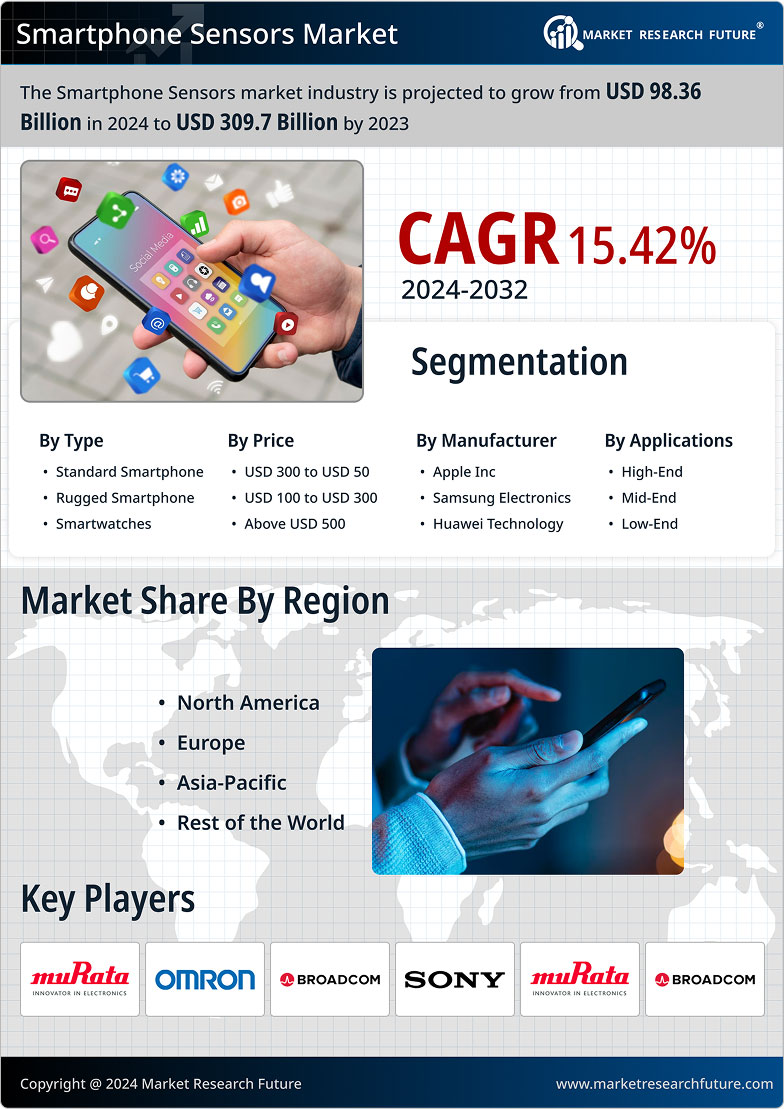
Recombinant DNA Technology Market Infographic
Purchase Options

Recombinant Dna Technology Size

Recombinant DNA Technology Market Growth Projections and Opportunities

Biopharmaceuticals have a big impact on recombinant DNA technology. Being able to change and add to DNA has changed how hormones, vaccines, and medicinal proteins are made, which has helped the business grow. Gene treatment progress has an effect on the business world. Recombinant DNA technologies are used in gene therapy to change and add genetic material in order to treat genetic problems and other illnesses at the molecular level. Recombinant DNA has changed how insulin and other hormones are made. Biopharmaceuticals are made in big quantities by engineered enzymes or bacteria, which is helpful for the endocrinology industry. Make vaccines are what drives the market. With recombinant DNA technology, vaccines for cancer, respiratory diseases, and other health problems are safer and work better. Recombinant DNA technology sales go up because of study in biotechnology. Understanding and changing genes could help natural science, farming, and health move forward. Genomics is made possible by recombinant DNA technology, which lets scientists study genes and their effects on health. Individualized treatment, genetically designed drugs, and tests are all things that are helping precision medicine grow very quickly. More and more market power is being gained over crop engineering. Recombinant DNA technology creates crops with desired traits, such as resistance to pests or high nutritional value. This supports long-term farming and market trends. Funding for biotechnology research and development is very important to the business. Recombinant DNA technology gets better because governments, private donors, and drug companies fund new projects. Biotech, research, and drug companies work together to make recombinant DNA tools better. These partnerships affect market trends by speeding up the creation, study, and release of biopharmaceuticals. The recombinant DNA technology business is growing thanks to automation and new technologies. Automation lowers production costs and improves the speed and scale of bioprocessing, which makes things made from recombinant DNA easier to get. The market is shaped by rules and ethics. Respecting the ethics of genetic engineering and following strict rules makes sure that recombinant DNA technology is used in an ethical and safe way, which affects the technology's market potential. The market has changed because of CRISPR technology. Because CRISPR can change DNA more precisely and quickly, it could change health and how people act.
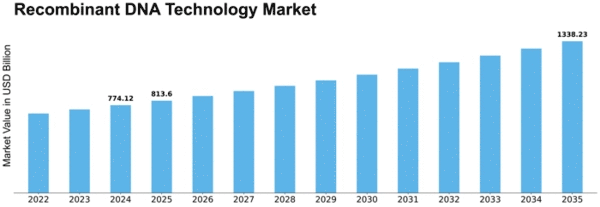
Recombinant DNA Technology Market Size Graph
Author
Rahul Gotadki
Assistant Manager

He holds an experience of about 7+ years in Market Research and Business Consulting, working under the spectrum of Life Sciences and Healthcare domains. Rahul conceptualizes and implements a scalable business strategy and provides strategic leadership to the clients. His expertise lies in market estimation, competitive intelligence, pipeline analysis, customer assessment, etc. In addition to the above, his other responsibility includes strategic tracking of high growth markets & advising clients on the potential areas of focus they could direct their business initiatives

Leave a Comment

FAQs

What is the projected growth of the Recombinant DNA Technology market?

The Recombinant DNA Technology market is the expected increase in total market value of 1338.23 USD billion over a defined forecast period 2025–2035. It is driven by factors such as demand trends, technological advances, regulatory changes, and geographic expansion.

What is the size of the Recombinant DNA Technology market?

Recombinant DNA Technology market size was valued at approximately 774.12 billion USD in 2024. This figure will reach 1338.23 billion USD covering all regions (America, Europe, Asia, MEA and ROW), focusing its segments / services / distribution channels till 2035.

What is the CAGR of the Recombinant DNA Technology market?

Recombinant DNA Technology market is expected to grow at a CAGR of 5.1% between 2025 and 2035.

How much will the Recombinant DNA Technology market be worth by 2035?

Recombinant DNA Technology market is expected to be worth of 1338.23 billion USD, reflecting growth driven by usage, technology and global demands by the end of 2035.

How will the Recombinant DNA Technology market perform over the next 10 years?

Over the next 10 years the Recombinant DNA Technology market is expected to shift from usd billion 774.12 to 1338.23 billion USD, led by adoption of advanced tech, demographic trends, regulatory approvals, with potential headwinds from 2025 to 2035.

Which region held the largest market share in the Recombinant DNA Technology market?

North America had the largest share in the market

Market Summary

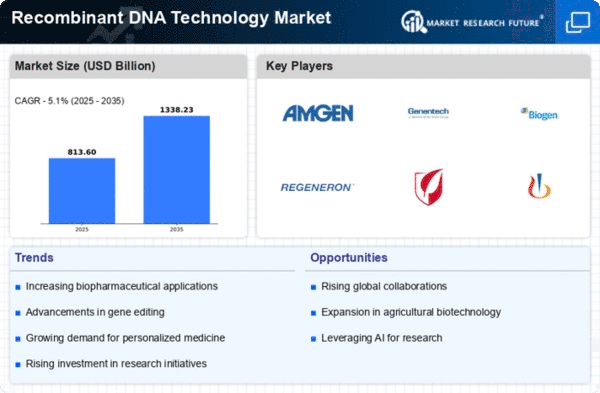
As per MRFR analysis, the Recombinant DNA Technology Market Size was estimated at 774.12 USD Billion in 2024. The Recombinant DNA Technology industry is projected to grow from 813.61 USD Billion in 2025 to 1338.23 USD Billion by 2035, exhibiting a compound annual growth rate (CAGR) of 5.1 during the forecast period 2025 - 2035.

Key Market Trends & Highlights

The Recombinant DNA Technology Market is poised for substantial growth driven by advancements in biopharmaceuticals and agricultural applications.

  • North America remains the largest market for recombinant DNA technology, driven by robust biopharmaceutical research.
  • The Asia-Pacific region is emerging as the fastest-growing market, fueled by increasing investments in genetic engineering.
  • Gene therapy continues to dominate the market, while genetic engineering is rapidly gaining traction as a key growth segment.
  • Rising demand for personalized medicine and advancements in gene editing technologies are significant drivers of market expansion.

Market Size & Forecast

2024 Market Size 774.12 (USD Billion)
2035 Market Size 1338.23 (USD Billion)
CAGR (2025 - 2035) 5.1%
Largest Regional Market Share in 2024 North America

Major Players

<p>Amgen (US), Genentech (US), Biogen (US), Regeneron Pharmaceuticals (US), Gilead Sciences (US), Novartis (CH), Roche (CH), Sanofi (FR), Bayer (DE), Merck KGaA (DE)</p>

Market Trends

The Recombinant DNA Technology Market is currently experiencing a transformative phase, driven by advancements in genetic engineering and biotechnology. This market encompasses a wide array of applications, including pharmaceuticals, agriculture, and industrial biotechnology. The increasing demand for genetically modified organisms and biopharmaceuticals is reshaping the landscape, as stakeholders seek innovative solutions to address global challenges such as food security and disease management. Furthermore, the integration of artificial intelligence and machine learning into research and development processes is enhancing the efficiency and precision of recombinant DNA techniques, potentially leading to groundbreaking discoveries. In addition, regulatory frameworks are evolving to accommodate the rapid advancements in this field. Governments and regulatory bodies are working to establish guidelines that ensure safety and efficacy while promoting innovation. This dynamic environment suggests that the Recombinant DNA Technology Market is poised for substantial growth, as both public and private sectors invest in research initiatives. The interplay between scientific progress and regulatory oversight will likely shape the future trajectory of this market, fostering an ecosystem that encourages collaboration and knowledge sharing among various stakeholders.

Increased Investment in Biopharmaceuticals

There is a noticeable trend towards heightened investment in biopharmaceuticals, driven by the growing need for novel therapies and treatments. This shift is likely to enhance the development of recombinant DNA-based drugs, as companies aim to leverage genetic engineering to create more effective and targeted therapies.

Advancements in Agricultural Biotechnology

The Recombinant DNA Technology Market is witnessing significant advancements in agricultural biotechnology. Innovations in crop modification and pest resistance are becoming more prevalent, suggesting a potential increase in the adoption of genetically modified crops to meet the demands of a growing global population.

Integration of AI in Genetic Research

The integration of artificial intelligence in genetic research appears to be a burgeoning trend within the Recombinant DNA Technology Market. This technological convergence may facilitate more efficient data analysis and accelerate the discovery of new genetic applications, thereby enhancing research outcomes.

Recombinant DNA Technology Market Market Drivers

Market Growth Projections

The Global Recombinant DNA Technology Market Industry is projected to experience substantial growth over the coming years. With a market value of 774.1 USD Billion in 2024, it is anticipated to reach 1338.2 USD Billion by 2035, reflecting a robust CAGR of 5.1% from 2025 to 2035. This growth trajectory indicates a strong demand for recombinant DNA technologies across various sectors, including pharmaceuticals, agriculture, and diagnostics. The increasing focus on personalized medicine, biopharmaceuticals, and sustainable agricultural practices further fuels this expansion. As the industry evolves, it is likely to play a crucial role in addressing pressing global challenges and improving health outcomes.

Rising Investments in Biotechnology

The Global Recombinant DNA Technology Market Industry benefits from increasing investments in biotechnology research and development. Governments and private entities are channeling funds into innovative projects aimed at harnessing the potential of recombinant DNA technology. For example, substantial funding initiatives are being launched to support the development of next-generation therapeutics and diagnostics. This influx of capital not only accelerates technological advancements but also fosters collaboration between academia and industry. As a result, the market is poised for expansion, with the potential to reach 1338.2 USD Billion by 2035, reflecting the growing recognition of biotechnology's role in addressing global health challenges.

Expanding Applications in Agriculture

The Global Recombinant DNA Technology Market Industry is witnessing a diversification of applications, particularly in agriculture. The use of recombinant DNA technology in developing genetically modified crops enhances yield, pest resistance, and nutritional value. This trend is increasingly relevant as global food security concerns escalate. For instance, genetically engineered crops are being adopted to withstand climate change impacts and improve food production efficiency. As agricultural biotechnology continues to evolve, the market is expected to expand, driven by the need for sustainable farming practices and increased agricultural productivity. This diversification of applications underscores the versatility of recombinant DNA technology in addressing global challenges.

Growing Awareness of Genetic Disorders

The Global Recombinant DNA Technology Market Industry is significantly impacted by the increasing awareness of genetic disorders and the need for effective treatments. As public understanding of genetic conditions expands, there is a corresponding demand for innovative therapies that leverage recombinant DNA technology. This awareness drives research initiatives focused on gene therapy and personalized medicine, which aim to provide tailored solutions for patients. The market's growth is further supported by regulatory bodies advocating for the development of gene-based therapies. Consequently, the industry is likely to experience robust growth as it addresses the unmet medical needs associated with genetic disorders.

Increasing Demand for Biopharmaceuticals

The Global Recombinant DNA Technology Market Industry experiences a notable surge in demand for biopharmaceuticals, driven by advancements in genetic engineering. As the industry evolves, the production of therapeutic proteins, vaccines, and monoclonal antibodies becomes more efficient, leading to improved patient outcomes. For instance, the market is projected to reach 774.1 USD Billion in 2024, reflecting a growing reliance on recombinant DNA technology for drug development. This trend is further supported by the increasing prevalence of chronic diseases, which necessitates innovative treatment solutions. Consequently, the biopharmaceutical sector is expected to play a pivotal role in shaping the future of the Global Recombinant DNA Technology Market Industry.

Technological Advancements in Genetic Engineering

Technological innovations in genetic engineering significantly influence the Global Recombinant DNA Technology Market Industry. The advent of CRISPR-Cas9 and other gene-editing technologies enhances the precision and efficiency of genetic modifications. These advancements facilitate the development of novel therapies and genetically modified organisms, which are crucial for agricultural and medical applications. As a result, the market is likely to witness substantial growth, with projections indicating a CAGR of 5.1% from 2025 to 2035. This growth trajectory underscores the importance of continuous research and development in driving the adoption of recombinant DNA technologies across various sectors.

Market Segment Insights

By Application: Gene Therapy (Largest) vs. Genetic Engineering (Fastest-Growing)

<p>The Recombinant DNA Technology Market is broadly segmented into four key applications: Gene Therapy, Genetic Engineering, Pharmaceuticals, and Agricultural Biotechnology. Among these, Gene Therapy holds the largest market share, primarily driven by increasing investments in research and the growing prevalence of genetic disorders. On the other hand, Genetic Engineering is quickly gaining traction due to advancements in technology and its expanding applications in various sectors, including healthcare and agriculture. The market share among these applications indicates distinct consumer needs and diverse research directions.</p>

<p>Gene Therapy (Dominant) vs. Genetic Engineering (Emerging)</p>

<p>Gene Therapy represents the dominant application in the Recombinant DNA Technology Market, showcasing its potential to transform treatment paradigms for genetic diseases by correcting defective genes. It has garnered significant attention due to successful clinical trials and a growing number of approved therapies, leading to increased acceptance among healthcare professionals. Conversely, Genetic Engineering is emerging as a vital player, leveraging technology to enhance crop yields and produce novel pharmaceutical compounds. Its rapid growth is fueled by ongoing research and regulatory support, positioning it as a key area for innovation and investment in the coming years.</p>

By End Use: Healthcare (Largest) vs. Agriculture (Fastest-Growing)

<p>The Recombinant DNA Technology Market is significantly influenced by its end-use segments, where Healthcare emerges as the largest segment, primarily due to the rising demand for innovative therapeutics and vaccine development. Agriculture follows closely, benefitting from the increasing adoption of genetically modified organisms (GMOs) to enhance crop yield and resist pests. Industrial Biotechnology and Research and Development also contribute significantly, but they do not match the scale of Healthcare and Agriculture in market share.</p>

<p>Healthcare: Therapeutics (Dominant) vs. Agriculture: GMOs (Emerging)</p>

<p>Healthcare, particularly the therapeutics segment, stands as a dominant force within the Recombinant DNA Technology Market, driven by advancements in gene therapies and personalized medicine. The rapid evolution of biopharmaceuticals and the demand for new vaccines have solidified its position. In contrast, Agriculture focuses on emerging genetically modified organisms (GMOs), which cater to the increasing global food demand and sustainability concerns. This segment is witnessing accelerated growth due to the development of crops with enhanced nutritional profiles, drought resistance, and pest tolerance, making it an essential area for future advancements.</p>

By Technology Type: CRISPR (Largest) vs. Gene Editing (Fastest-Growing)

<p>In the Recombinant DNA Technology Market, CRISPR represents the largest share, dominating the segment due to its innovative approach to gene editing. This technology has revolutionized genetic research and therapy, contributing significantly to market expansion. In contrast, Gene Editing stands out as the fastest-growing segment, driven by increasing investments in genetic engineering and a surge in research activities aimed at disease treatment and agricultural improvements. Together, these technologies are shaping the landscape of recombinant DNA applications.</p>

<p>Technology: CRISPR (Dominant) vs. Gene Editing (Emerging)</p>

<p>CRISPR technology is recognized for its precision and efficiency, making it the dominant player in the Recombinant DNA Technology Market. Its application ranges from agriculture to medicine, providing solutions for genetic disorders and advancing biotechnology. Emerging alongside it, Gene Editing demonstrates rapid growth fueled by escalating demand for genetic modifications, particularly in therapeutic applications and crop enhancement. As research and regulatory frameworks evolve, both segments are likely to see expanded applications, but CRISPR's established presence gives it a considerable competitive edge in terms of market leadership.</p>

Get more detailed insights about Recombinant DNA Technology Market Research Report - Forecast to 2035

Regional Insights

North America : Market Leader in Innovation

North America continues to lead the Recombinant DNA Technology market, holding a significant share of 387.06M in 2024. The region's growth is driven by robust investments in biotechnology, favorable regulatory frameworks, and increasing demand for personalized medicine. The presence of advanced research institutions and a strong focus on R&D further catalyze market expansion, making it a hub for innovation in genetic engineering. The United States is the primary contributor to this market, with key players like Amgen, Genentech, and Biogen leading the charge. The competitive landscape is characterized by continuous advancements in technology and strategic collaborations among companies. Regulatory support from agencies like the FDA ensures a conducive environment for product development and commercialization, solidifying North America's position as a global leader.

Europe : Emerging Market with Growth Potential

Europe's Recombinant DNA Technology market is valued at 215.0M, reflecting a growing interest in biopharmaceuticals and genetic research. The region benefits from strong regulatory support and initiatives aimed at fostering innovation in biotechnology. Increasing investments in healthcare and a rising prevalence of genetic disorders are driving demand for recombinant products, positioning Europe as a key player in the global market. Leading countries such as Germany, France, and Switzerland are at the forefront, hosting major companies like Novartis and Roche. The competitive landscape is marked by a mix of established firms and emerging startups, all vying for a share of the expanding market. The European Medicines Agency (EMA) plays a crucial role in regulating and approving new therapies, ensuring safety and efficacy in the market.

Asia-Pacific : Rapidly Growing Biotech Sector

The Asia-Pacific region is witnessing rapid growth in the Recombinant DNA Technology market, currently valued at 145.0M. Factors such as increasing healthcare expenditure, a growing population, and rising awareness of genetic disorders are driving demand for recombinant products. Additionally, supportive government policies and investments in biotechnology research are expected to further enhance market growth in the coming years. Countries like China, Japan, and India are leading the charge, with a burgeoning number of biotech firms entering the market. The competitive landscape is evolving, with both local and international players striving to establish a foothold. Key companies are focusing on collaborations and partnerships to leverage technological advancements and expand their product offerings, contributing to the region's dynamic market environment.

Middle East and Africa : Emerging Market with Challenges

The Middle East and Africa (MEA) region's Recombinant DNA Technology market is valued at 27.06M, reflecting its nascent stage in biotechnology. The market is driven by increasing healthcare needs, rising investments in research, and a growing focus on genetic diseases. However, challenges such as regulatory hurdles and limited infrastructure can impede growth. Governments are beginning to recognize the importance of biotechnology, leading to initiatives aimed at enhancing the sector. Countries like South Africa and the UAE are emerging as key players in the region, with a growing number of biotech firms and research institutions. The competitive landscape is still developing, with opportunities for both local and international companies to invest and expand. As regulatory frameworks improve, the MEA region is poised for gradual growth in the Recombinant DNA Technology market.

Key Players and Competitive Insights

The Recombinant DNA Technology Market is characterized by a dynamic competitive landscape, driven by innovation, strategic partnerships, and a focus on therapeutic advancements. Key players such as Amgen (US), Genentech (US), and Gilead Sciences (US) are at the forefront, leveraging their extensive research capabilities and robust product pipelines to maintain competitive advantages. Amgen (US) emphasizes biopharmaceutical innovation, particularly in oncology and cardiovascular diseases, while Genentech (US) focuses on personalized medicine and targeted therapies. Gilead Sciences (US) is notable for its advancements in antiviral therapies, particularly in the treatment of HIV and hepatitis, which positions it strategically within the market. Collectively, these companies shape a competitive environment that is increasingly focused on cutting-edge research and development, as well as strategic collaborations to enhance their market presence.

In terms of business tactics, companies are increasingly localizing manufacturing to reduce costs and improve supply chain efficiency. This trend is particularly evident in the Recombinant DNA Technology Market, which appears to be moderately fragmented, with several key players exerting significant influence. The collective strategies of these companies suggest a concerted effort to optimize operations while enhancing product offerings, thereby fostering a competitive structure that encourages innovation and responsiveness to market demands.

In November 2025, Amgen (US) announced a strategic partnership with a leading biotechnology firm to co-develop a novel gene therapy aimed at treating rare genetic disorders. This collaboration is expected to enhance Amgen's capabilities in gene editing technologies, potentially expanding its therapeutic portfolio and reinforcing its position in the market. The strategic importance of this partnership lies in its potential to accelerate the development of innovative treatments, thereby addressing unmet medical needs and driving revenue growth.

In October 2025, Gilead Sciences (US) launched a new recombinant DNA-based therapy for the treatment of a rare form of cancer, which has shown promising results in clinical trials. This launch not only diversifies Gilead's product offerings but also underscores its commitment to addressing complex health challenges. The introduction of this therapy is likely to enhance Gilead's competitive edge, as it aligns with the growing demand for specialized treatments in oncology.

In September 2025, Genentech (US) expanded its research collaboration with a prominent academic institution to explore the potential of CRISPR technology in developing next-generation therapies. This initiative reflects Genentech's strategic focus on harnessing cutting-edge technologies to drive innovation. The collaboration is expected to yield significant advancements in gene editing, positioning Genentech as a leader in the application of recombinant DNA technology in therapeutic development.

As of December 2025, current competitive trends in the Recombinant DNA Technology Market are increasingly defined by digitalization, sustainability, and the integration of artificial intelligence (AI) in research and development processes. Strategic alliances are playing a crucial role in shaping the landscape, enabling companies to pool resources and expertise to accelerate innovation. Looking ahead, competitive differentiation is likely to evolve from traditional price-based competition to a focus on technological advancements, innovative therapies, and reliable supply chains. This shift underscores the importance of agility and responsiveness in a rapidly changing market environment.

Key Companies in the Recombinant DNA Technology Market market include

Industry Developments

March 2022:PreHevbrio (Recombinant Hepatitis B Vaccine) was introduced in the United States by VBI Vaccines Inc. to prevent viral infection caused by all known subtypes of hepatitis B virus (HBV) in people aged 18 and older.

February 2022:VBI Vaccines Inc. received a positive opinion from the European Medicines Agency's Committee for Medicinal Products for Human Use for its 3-antigen hepatitis B (HBV) vaccine, PreHevbri, for active immunization against infection resulting from all known subtypes of the hepatitis B virus in adults.

Future Outlook

Recombinant DNA Technology Market Future Outlook

<p>The Recombinant DNA Technology Market is projected to grow at a 5.1% CAGR from 2024 to 2035, driven by advancements in biotechnology, increasing demand for genetic therapies, and rising investments in research.</p>

New opportunities lie in:

  • <p>Development of personalized gene therapies for rare diseases.</p>
  • <p>Expansion of CRISPR technology applications in agriculture.</p>
  • <p>Partnerships with biotech firms for innovative product development.</p>

<p>By 2035, the Recombinant DNA Technology Market is expected to be robust, reflecting substantial growth and innovation.</p>

Market Segmentation

Recombinant DNA Technology Market End Use Outlook

  • Healthcare
  • Agriculture
  • Industrial Biotechnology
  • Research and Development

Recombinant DNA Technology Market Application Outlook

  • Gene Therapy
  • Genetic Engineering
  • Pharmaceuticals
  • Agricultural Biotechnology

Recombinant DNA Technology Market Technology Type Outlook

  • CRISPR
  • Recombinant Protein Technology
  • Gene Cloning
  • Gene Editing

Report Scope

MARKET SIZE 2024774.12(USD Billion)
MARKET SIZE 2025813.61(USD Billion)
MARKET SIZE 20351338.23(USD Billion)
COMPOUND ANNUAL GROWTH RATE (CAGR)5.1% (2024 - 2035)
REPORT COVERAGERevenue Forecast, Competitive Landscape, Growth Factors, and Trends
BASE YEAR2024
Market Forecast Period2025 - 2035
Historical Data2019 - 2024
Market Forecast UnitsUSD Billion
Key Companies ProfiledAmgen (US), Genentech (US), Biogen (US), Regeneron Pharmaceuticals (US), Gilead Sciences (US), Novartis (CH), Roche (CH), Sanofi (FR), Bayer (DE), Merck KGaA (DE)
Segments CoveredApplication, End Use, Technology Type
Key Market OpportunitiesAdvancements in gene editing technologies enhance applications in therapeutics and agriculture within the Recombinant DNA Technology Market.
Key Market DynamicsRising demand for biopharmaceuticals drives innovation and competition in the recombinant DNA technology sector.
Countries CoveredNorth America, Europe, APAC, South America, MEA

FAQs

What is the projected growth of the Recombinant DNA Technology market?

The Recombinant DNA Technology market is the expected increase in total market value of 1338.23 USD billion over a defined forecast period 2025–2035. It is driven by factors such as demand trends, technological advances, regulatory changes, and geographic expansion.

What is the size of the Recombinant DNA Technology market?

Recombinant DNA Technology market size was valued at approximately 774.12 billion USD in 2024. This figure will reach 1338.23 billion USD covering all regions (America, Europe, Asia, MEA and ROW), focusing its segments / services / distribution channels till 2035.

What is the CAGR of the Recombinant DNA Technology market?

Recombinant DNA Technology market is expected to grow at a CAGR of 5.1% between 2025 and 2035.

How much will the Recombinant DNA Technology market be worth by 2035?

Recombinant DNA Technology market is expected to be worth of 1338.23 billion USD, reflecting growth driven by usage, technology and global demands by the end of 2035.

How will the Recombinant DNA Technology market perform over the next 10 years?

Over the next 10 years the Recombinant DNA Technology market is expected to shift from usd billion 774.12 to 1338.23 billion USD, led by adoption of advanced tech, demographic trends, regulatory approvals, with potential headwinds from 2025 to 2035.

Which region held the largest market share in the Recombinant DNA Technology market?

North America had the largest share in the market

  1. Definition
    1. Scope of the Study
      1. Research Objective
      2. Assumptions
      3. Limitations
    2. Introduction
    3. Primary Research
    4. Secondary research
    5. Market Size Estimation
    6. Drivers
    7. Restraints
    8. Opportunities
    9. Challenges
    10. Macroeconomic Indicators
    11. Technology Trends & Assessment
    12. Porter’s Five Forces Analysis
      1. Bargaining Power of Suppliers
      2. Bargaining Power of Buyers
      3. Threat of New Entrants
      4. Threat of Substitutes
      5. Intensity of Rivalry
    13. Value Chain Analysis
    14. Investment Feasibility Analysis
    15. Pricing Analysis
  2. Chapter 6. Global Recombinant DNA Technology Market, by Product
    1. Introduction
    2. Medical
      1. Market Estimates & Forecast, 2020-2027
      2. Therapeutic Agent
      3. Human Protein
      4. Vaccine
    3. Non-Medical
      1. Market Estimates & Forecast, 2020-2027
      2. Biotech Crops
      3. Specialty Chemicals
      4. Others
    4. Others
  3. Chapter 7. Global Recombinant DNA Technology Market, by Component
    1. Introduction
    2. Expression System
      1. Market Estimates & Forecast, 2020-2027
      2. Mammalian
      3. Bacteria
      4. Yeast
      5. BaculovirU.S./Insect
      6. Others
    3. Cloning Vector
      1. Market Estimates & Forecast, 2020-2027
      2. Plasmid
      3. Phage
      4. Cosmid
      5. Bacterial Artificial Chromosome (BAC)
      6. Yeast Artificial Chromosome (YAC)
      7. Human Artificial Chromosome (HAC).
    4. Others
  4. Chapter 8. Global Recombinant DNA Technology Market, by Application
    1. Introduction
    2. Food & Agriculture
      1. Market Estimates & Forecast, 2020-2027
    3. Health & Disease
      1. Market Estimates & Forecast, 2020-2027
    4. Environment
      1. Market Estimates & Forecast, 2020-2027
    5. Others
  5. Chapter 9. Global Recombinant DNA Technology Market, by End-U.S.er
    1. Introduction
    2. Biotechnology Companies
      1. Market Estimates & Forecast, 2020-2027
    3. Academic & Government Research Institutes
      1. Market Estimates & Forecast, 2020-2027
    4. Pharmaceuticals
      1. Market Estimates & Forecast, 2020-2027
    5. Others
  6. Chapter .8 Global Recombinant DNA Technology Market, by Region
    1. Introduction
    2. Americas
      1. North America
      2. South America
    3. Europe
      1. Western Europe
      2. Eastern Europe
    4. Asia Pacific
      1. Japan
      2. China
      3. India
      4. Australia
      5. Republic of Korea
      6. Rest of Asia Pacific
    5. The Middle East & Africa
      1. United Arab Emirates
      2. Saudi Arabia
      3. Oman
      4. Kuwait
      5. Qatar
      6. Rest of the Middle East & Africa
    6. Chapter 9 Company Landscape
    7. Introduction
    8. Market Share Analysis
    9. Key Development & Strategies
      1. Key Developments
    10. Chapter 10 Company Profiles
    11. F. Hoffmann-La Roche Ltd
      1. Company Overview
      2. Product Overview
      3. Financials
      4. SWOT Analysis
    12. Profacgen
      1. Company Overview
      2. Product Overview
      3. Financial Overview
      4. Key Developments
      5. SWOT Analysis
    13. Amgen Inc.
      1. Company Overview
      2. Product Overview
      3. Financial Overview
      4. Key Development
      5. SWOT Analysis
    14. Novartis AG
      1. Company Overview
      2. Product/Business Segment Overview
      3. Financial Overview
      4. Key Development
      5. SWOT Analysis
    15. Genscript Biotech
      1. Company Overview
      2. Product Overview
      3. Financial overview
      4. Key Developments
    16. Pfizer Inc.
      1. Company Overview
      2. Product Overview
      3. Financial Overview
      4. Key Developments
    17. Novo Nordisk A/S
      1. Overview
      2. Product Overview
      3. Financials
      4. Key Developments
      5. SWOT Analysis
    18. Eli Lilly and Company
      1. Company Overview
      2. Product/Business Segment Overview
      3. Financial Overview
      4. Key Development
      5. SWOT Analysis
    19. Sanofi S.A.
      1. Company Overview
      2. Product Overview
      3. Financial overview
      4. Key Developments
    20. Merck & Co., Inc.
      1. Company Overview
      2. Product Overview
      3. Financial overview
      4. Key Developments
    21. Biogen Inc.
      1. Company Overview
      2. Product Overview
      3. Financial overview
      4. Key Developments
    22. Others
    23. Chapter 17 MRFR Conclusion
    24. Key Findings
      1. From CEO’s View Point
      2. Unmet Needs of the Market
    25. Key Companies to Watch
    26. Prediction of the Pharmaceutical Industry
    27. Chapter 12 Appendix
  7. LIST OF TABLES
  8. Recombinant DNA technology Industry Synopsis, 2020-2027
  9. Recombinant DNA Technology Market Estimates & Forecast, 2020-2027, (USD Million)
  10. Recombinant DNA Technology Market, by Region, 2020-2027, (USD Million)
  11. Recombinant DNA Technology Market, by Product, 2020-2027, (USD Million)
  12. Recombinant DNA Technology Market, by Component, 2020-2027, (USD Million)
  13. Recombinant DNA Technology Market, by Application, 2020-2027, (USD Million)
  14. Recombinant DNA Technology Market, by End-U.S.er, 2020-2027, (USD Million)
  15. North America Recombinant DNA Technology Market, by Product, 2020-2027, (USD Million)
  16. North America Recombinant DNA Technology Market, by Component, 2020-2027, (USD Million)
  17. North America Recombinant DNA Technology Market, by Application, 2020-2027, (USD Million)
  18. North America Recombinant DNA Technology Market, by End-User, 2020-2027, (USD Million)
  19. U.S. Recombinant DNA Technology Market, by Product, 2020-2027, (USD Million)
  20. U.S. Recombinant DNA Technology Market, by Component, 2020-2027, (USD Million)
  21. U.S. Recombinant DNA Technology Market, by Application, 2020-2027, (USD Million)
  22. U.S. Recombinant DNA Technology Market, by End-User, 2020-2027, (USD Million)
  23. Canada Recombinant DNA Technology Market, by Product, 2020-2027, (USD Million)
  24. Canada Recombinant DNA Technology Market, by Component, 2020-2027, (USD Million)
  25. Canada Recombinant DNA Technology Market, by Application, 2020-2027, (USD Million)
  26. Canada Recombinant DNA Technology Market, by End-User, 2020-2027, (USD Million)
  27. South America Recombinant DNA Technology Market, by Product, 2020-2027, (USD Million)
  28. South America Recombinant DNA Technology Market, by Component, 2020-2027, (USD Million)
  29. South America Recombinant DNA Technology Market, by Application, 2020-2027, (USD Million)
  30. South America Recombinant DNA Technology Market, by End-User, 2020-2027, (USD Million)
  31. Europe Recombinant DNA Technology Market, by Product, 2020-2027, (USD Million)
  32. Europe Recombinant DNA Technology Market, by Component, 2020-2027, (USD Million)
  33. Europe Recombinant DNA Technology Market, by Application, 2020-2027, (USD Million)
  34. Europe Recombinant DNA Technology Market, by End-User, 2020-2027, (USD Million)
  35. Western Europe Recombinant DNA Technology Market, by Product, 2020-2027, (USD Million)
  36. Western Europe Recombinant DNA Technology Market, by Component, 2020-2027, (USD Million)
  37. Western Europe Recombinant DNA Technology Market, by Application, 2020-2027, (USD Million)
  38. Western Europe Recombinant DNA Technology Market, by End-User, 2020-2027, (USD Million)
  39. Eastern Europe Recombinant DNA Technology Market, by Product, 2020-2027, (USD Million)
  40. Eastern Europe Recombinant DNA Technology Market, by Component, 2020-2027, (USD Million)
  41. Eastern Europe Recombinant DNA Technology Market, by Application, 2020-2027, (USD Million)
  42. Eastern Europe Recombinant DNA Technology Market, by End-User, 2020-2027, (USD Million)
  43. Asia Pacific Recombinant DNA Technology Market, by Product, 2020-2027, (USD Million)
  44. Asia Pacific Recombinant DNA Technology Market, by Component, 2020-2027, (USD Million)
  45. Asia Pacific Recombinant DNA Technology Market, by Application, 2020-2027, (USD Million)
  46. Asia Pacific Recombinant DNA Technology Market, by End-User, 2020-2027, (USD Million)
  47. The Middle East & Africa Recombinant DNA Technology Market, by Product, 2020-2027, (USD Million)
  48. The Middle East & Africa Recombinant DNA Technology Market, by Component, 2020-2027, (USD Million)
  49. The Middle East & Africa Recombinant DNA Technology Market, by Application, 2020-2027, (USD Million)
  50. The Middle East & Africa Recombinant DNA Technology Market, by End-User, 2020-2027, (USD Million)
  51. LIST OF FIGURES
  52. Research Process
  53. Segmentation of the Recombinant DNA Technology Market
  54. Segmentation Market Dynamics for the Recombinant DNA Technology Market
  55. Global Recombinant DNA Technology Market Share, by Product 2020
  56. Global Recombinant DNA Technology Market Share, by Component 2020
  57. Global Recombinant DNA Technology Market Share, by Application 2020
  58. Global Recombinant DNA Technology Market Share, by End-User2020
  59. Global Recombinant DNA Technology Market Share, by Region, 2020
  60. Americas Recombinant DNA Technology Market Share, by Country, 2020
  61. Europe Recombinant DNA Technology Market Share, by Country, 2020
  62. Asia Pacific Recombinant DNA Technology Market Share, by Country, 2020
  63. Middle East & Africa Recombinant DNA Technology Market Share, by Country, 2020
  64. Global Recombinant DNA Technology Market: Company Share Analysis, 2020 (%)
  65. F. Hoffmann-La Roche Ltd: Key Financials
  66. F. Hoffmann-La Roche Ltd: Segmental Revenue
  67. F. Hoffmann-La Roche Ltd: Geographical Revenue
  68. Profacgen: Key Financials
  69. Profacgen: Segmental Revenue
  70. Profacgen: Geographical Revenue
  71. Amgen Inc.: Key Financials
  72. Amgen Inc.: Segmental Revenue
  73. Amgen Inc.: Geographical Revenue
  74. Novartis AG: Key Financials
  75. Novartis AG: Segmental Revenue
  76. Novartis AG: Geographical Revenue
  77. Genscript Biotech: Key Financials
  78. Genscript Biotech: Segmental Revenue
  79. Genscript Biotech: Geographical Revenue
  80. Pfizer Inc.: Key Financials
  81. Pfizer Inc.: Segmental Revenue
  82. Pfizer Inc.: Geographical Revenue
  83. Novo Nordisk A/S: Key Financials
  84. Novo Nordisk A/S: Segmental Revenue
  85. Novo Nordisk A/S: Geographical Revenue
  86. Eli Lilly and Company: Key Financials
  87. Eli Lilly and Company: Segmental Revenue
  88. Eli Lilly and Company: Geographical Revenue

Market Segmentation

Recombinant DNA Technology Product Outlook (USD Billion, 2018-2032)

Medical

Non-Medical

Recombinant DNA Technology Component Outlook (USD Billion, 2018-2032)

Expression System

Cloning Vector

Recombinant DNA Technology Application Outlook (USD Billion, 2018-2032)

Food & Agriculture

Health & Disease

Recombinant DNA Technology End User Outlook (USD Billion, 2018-2032)

Biotechnology Companies

Pharmaceuticals

Recombinant DNA Technology Regional Outlook (USD Billion, 2018-2032)

North America Outlook (USD Billion, 2018-2032)

North America Recombinant DNA Technology by Product

Medical

Non-Medical

North America Recombinant DNA Technology by Component

Expression System

Cloning Vector

North America Recombinant DNA Technology by Application

Food & Agriculture

Health & Disease

North America Recombinant DNA Technology by End User

Biotechnology Companies

Pharmaceuticals

US Outlook (USD Billion, 2018-2032)

US Recombinant DNA Technology by Product

Medical

Non-Medical

US Recombinant DNA Technology by Component

Expression System

Cloning Vector

US Recombinant DNA Technology by Application

Food & Agriculture

Health & Disease

US Recombinant DNA Technology by End User

Biotechnology Companies

Pharmaceuticals

CANADA Outlook (USD Billion, 2018-2032)

CANADA Recombinant DNA Technology by Product

Medical

Non-Medical

CANADA Recombinant DNA Technology by Component

Expression System

Cloning Vector

CANADA Recombinant DNA Technology by Application

Food & Agriculture

Health & Disease

CANADA Recombinant DNA Technology by End User

Biotechnology Companies

Pharmaceuticals

Europe Outlook (USD Billion, 2018-2032)

Europe Recombinant DNA Technology by Product

Medical

Non-Medical

Europe Recombinant DNA Technology by Component

Expression System

Cloning Vector

Europe Recombinant DNA Technology by Application

Food & Agriculture

Health & Disease

Europe Recombinant DNA Technology by End User

Biotechnology Companies

Pharmaceuticals

Germany Outlook (USD Billion, 2018-2032)

Germany Recombinant DNA Technology by Product

Medical

Non-Medical

Germany Recombinant DNA Technology by Component

Expression System

Cloning Vector

Germany Recombinant DNA Technology by Application

Food & Agriculture

Health & Disease

Germany Recombinant DNA Technology by End User

Biotechnology Companies

Pharmaceuticals

France Outlook (USD Billion, 2018-2032)

France Recombinant DNA Technology by Product

Medical

Non-Medical

France Recombinant DNA Technology by Component

Expression System

Cloning Vector

France Recombinant DNA Technology by Application

Food & Agriculture

Health & Disease

France Recombinant DNA Technology by End User

Biotechnology Companies

Pharmaceuticals

UK Outlook (USD Billion, 2018-2032)

UK Recombinant DNA Technology by Product

Medical

Non-Medical

UK Recombinant DNA Technology by Component

Expression System

Cloning Vector

UK Recombinant DNA Technology by Application

Food & Agriculture

Health & Disease

UK Recombinant DNA Technology by End User

Biotechnology Companies

Pharmaceuticals

ITALY Outlook (USD Billion, 2018-2032)

ITALY Recombinant DNA Technology by Product

Medical

Non-Medical

ITALY Recombinant DNA Technology by Component

Expression System

Cloning Vector

ITALY Recombinant DNA Technology by Application

Food & Agriculture

Health & Disease

ITALY Recombinant DNA Technology by End User

Biotechnology Companies

Pharmaceuticals

SPAIN Outlook (USD Billion, 2018-2032)

Spain Recombinant DNA Technology by Product

Medical

Non-Medical

Spain Recombinant DNA Technology by Component

Expression System

Cloning Vector

Spain Recombinant DNA Technology by Application

Food & Agriculture

Health & Disease

Spain Recombinant DNA Technology by End User

Biotechnology Companies

Pharmaceuticals

Rest Of Europe Outlook (USD Billion, 2018-2032)

Rest Of Europe Recombinant DNA Technology by Product

Medical

Non-Medical

Rest Of Europe Recombinant DNA Technology by Component

Expression System

Cloning Vector

Rest Of Europe Recombinant DNA Technology by Application

Food & Agriculture

Health & Disease

Rest Of Europe Recombinant DNA Technology by End User

Biotechnology Companies

Pharmaceuticals

Asia-Pacific Outlook (USD Billion, 2018-2032)

Asia-Pacific Recombinant DNA Technology by Product

Medical

Non-Medical

Asia-Pacific Recombinant DNA Technology by Component

Expression System

Cloning Vector

Asia-Pacific Recombinant DNA Technology by Application

Food & Agriculture

Health & Disease

Asia-Pacific Recombinant DNA Technology by End User

Biotechnology Companies

Pharmaceuticals

China Outlook (USD Billion, 2018-2032)

China Recombinant DNA Technology by Product

Medical

Non-Medical

China Recombinant DNA Technology by Component

Expression System

Cloning Vector

China Recombinant DNA Technology by Application

Food & Agriculture

Health & Disease

China Recombinant DNA Technology by End User

Biotechnology Companies

Pharmaceuticals

Japan Outlook (USD Billion, 2018-2032)

Japan Recombinant DNA Technology by Product

Medical

Non-Medical

Japan Recombinant DNA Technology by Component

Expression System

Cloning Vector

Japan Recombinant DNA Technology by Application

Food & Agriculture

Health & Disease

Japan Recombinant DNA Technology by End User

Biotechnology Companies

Pharmaceuticals

India Outlook (USD Billion, 2018-2032)

India Recombinant DNA Technology by Product

Medical

Non-Medical

India Recombinant DNA Technology by Component

Expression System

Cloning Vector

India Recombinant DNA Technology by Application

Food & Agriculture

Health & Disease

India Recombinant DNA Technology by End User

Biotechnology Companies

Pharmaceuticals

Australia Outlook (USD Billion, 2018-2032)

Australia Recombinant DNA Technology by Product

Medical

Non-Medical

Australia Recombinant DNA Technology by Component

Expression System

Cloning Vector

Australia Recombinant DNA Technology by Application

Food & Agriculture

Health & Disease

Australia Recombinant DNA Technology by End User

Biotechnology Companies

Pharmaceuticals

Rest of Asia-Pacific Outlook (USD Billion, 2018-2032)

Rest of Asia-Pacific Recombinant DNA Technology by Product

Medical

Non-Medical

Rest of Asia-Pacific Recombinant DNA Technology by Component

Expression System

Cloning Vector

Rest of Asia-Pacific Recombinant DNA Technology by Application

Food & Agriculture

Health & Disease

Rest of Asia-Pacific Recombinant DNA Technology by End User

Biotechnology Companies

Pharmaceuticals

Rest of the World Outlook (USD Billion, 2018-2032)

Rest of the World Recombinant DNA Technology by Product

Medical

Non-Medical

Rest of the World Recombinant DNA Technology by Component

Expression System

Cloning Vector

Rest of the World Recombinant DNA Technology by Application

Food & Agriculture

Health & Disease

Rest of the World Recombinant DNA Technology by End User

Biotechnology Companies

Pharmaceuticals

Middle East Outlook (USD Billion, 2018-2032)

Middle East Recombinant DNA Technology by Product

Medical

Non-Medical

Middle East Recombinant DNA Technology by Component

Expression System

Cloning Vector

Middle East Recombinant DNA Technology by Application

Food & Agriculture

Health & Disease

Middle East Recombinant DNA Technology by End User

Biotechnology Companies

Pharmaceuticals

Africa Outlook (USD Billion, 2018-2032)

Africa Recombinant DNA Technology by Product

Medical

Non-Medical

Africa Recombinant DNA Technology by Component

Expression System

Cloning Vector

Africa Recombinant DNA Technology by Application

Food & Agriculture

Health & Disease

Africa Recombinant DNA Technology by End User

Biotechnology Companies

Pharmaceuticals

Latin America Outlook (USD Billion, 2018-2032)

Latin America Recombinant DNA Technology by Product

Medical

Non-Medical

Latin America Recombinant DNA Technology by Component

Expression System

Cloning Vector

Latin America Recombinant DNA Technology by Application

Food & Agriculture

Health & Disease

Latin America Recombinant DNA Technology by End User

Biotechnology Companies

Pharmaceuticals

Infographic

Free Sample Request

Kindly complete the form below to receive a free sample of this Report

Get Free Sample

Customer Strories

Compare Licence

×
Features License Type
Single User Multiuser License Enterprise User
Price $4,950 $5,950 $7,250
Maximum User Access Limit 1 User Upto 10 Users Unrestricted Access Throughout the Organization
Free Customization
Direct Access to Analyst
Deliverable Format
Platform Access
Discount on Next Purchase 10% 15% 15%
Printable Versions