Rise of Ethical Consumerism
The Spendvesting Market is experiencing a notable shift towards ethical consumerism, where individuals increasingly prioritize sustainability and social responsibility in their investment choices. This trend is evidenced by a significant increase in demand for sustainable investment products, with reports indicating that assets in sustainable funds have surged to over 1 trillion dollars. Investors are now more inclined to support companies that align with their values, which has led to a proliferation of investment options that emphasize environmental, social, and governance (ESG) criteria. As a result, the Spendvesting Market is adapting to meet these evolving consumer preferences, potentially reshaping the landscape of investment strategies.
Emergence of Impact Investing
The emergence of impact investing is reshaping the Spendvesting Market, as investors increasingly seek to generate positive social and environmental outcomes alongside financial returns. This investment approach focuses on funding projects that address pressing global challenges, such as climate change and social inequality. Data indicates that impact investing assets have grown to over 500 billion dollars, reflecting a growing recognition of the importance of aligning investments with personal values. As more investors prioritize impact alongside profit, the Spendvesting Market is likely to evolve, offering a wider array of investment opportunities that cater to this dual objective.
Increased Focus on Financial Literacy
The Spendvesting Market is witnessing an increased emphasis on financial literacy, as consumers seek to make informed investment decisions. Educational initiatives and resources are becoming more prevalent, aiming to equip individuals with the knowledge necessary to navigate the complexities of spendvesting. This focus on financial education is likely to empower consumers, fostering a more engaged and informed investor base. Reports indicate that regions with robust financial literacy programs have seen a 25% rise in investment participation rates. Consequently, the Spendvesting Market is adapting to this trend by providing more accessible educational content, thereby enhancing consumer confidence and participation.
Technological Advancements in Investment Platforms
Technological advancements are playing a crucial role in the Spendvesting Market, as innovative platforms and tools enhance the investment experience for consumers. The integration of artificial intelligence and machine learning into investment platforms allows for more personalized investment strategies, catering to individual preferences and risk tolerances. Furthermore, the rise of robo-advisors has democratized access to investment opportunities, enabling a broader audience to engage in spendvesting. Data suggests that the adoption of these technologies has led to a 30% increase in user engagement on investment platforms, indicating a strong correlation between technology and consumer participation in the Spendvesting Market.
Regulatory Changes Favoring Sustainable Investments
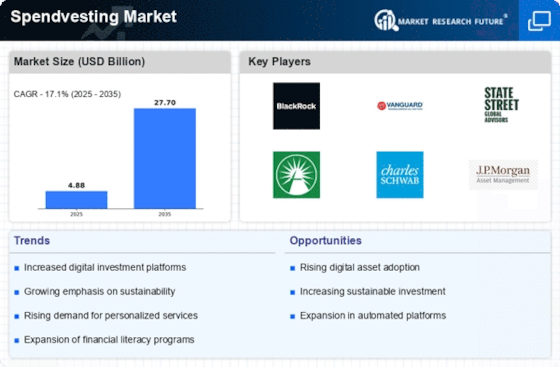
Regulatory changes are significantly influencing the Spendvesting Market, as governments worldwide implement policies that promote sustainable investments. These regulations often incentivize companies to adopt environmentally friendly practices and encourage investors to allocate funds towards sustainable initiatives. For instance, tax benefits for green investments and stricter reporting requirements for non-sustainable practices are becoming more common. Such regulatory frameworks are likely to drive a shift in capital flows towards sustainable projects, potentially increasing the market size of the Spendvesting Market. As a result, investors may find themselves more inclined to engage in spendvesting, knowing that their investments align with regulatory expectations.













Leave a Comment