Research Methodology on Airport Sleeping Pods Market
Introduction
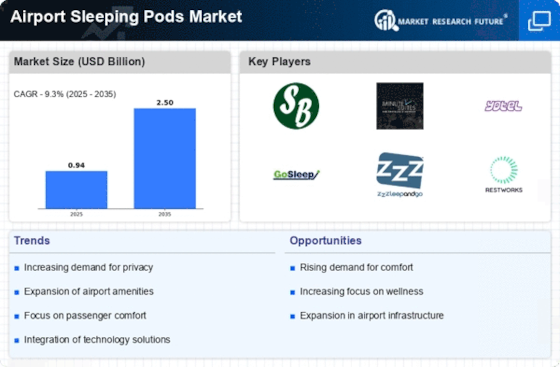
This research aims to examine the potential of the airport sleeping pods market in providing better facilities at airports. This research analyzes the market conditions of the airport sleeping pods market and discusses the potential of the market to meet the needs of travellers in terms of providing better facilities. It also discusses the advantages and disadvantages of investing in the airport sleeping pods market and studies the factors that influence demand for the products. Furthermore, this research also looks into the current market trends of the airport sleeping pods market, the untapped opportunities, the challenges faced by the market, and the various strategies adopted by the key players in the market to survive and thrive.
Research design
The research design to be adopted for this research is a combination of qualitative and quantitative approaches. The qualitative approach involves primary data collection through one-on-one interviews and surveys. The sample size for the qualitative method is based on a 5% confidence interval, utilizing a sample of 150 respondents. For the quantitative approach, secondary data is collected from industry reports, press releases, and web sources. Statistical analysis will be used to analyze the data.
Operational definitions
The research defines the term ‘airport sleeping pods’ as any kind of cabin or structure, typically located at an airport, that provides passenger accommodation and services, including sleeping services. This includes bed cabins, capsule hotels, sleeping pods, and other forms of sleeping facilities provided in an airport.
Data Collection
The primary data collection process involves conducting semi-structured interviews and surveys of travellers, airport authorities and industry experts. The interviews and surveys were administered online, and the respondents are provided with access to a secure online platform, where the interviews and surveys could be conducted anonymously.
In addition to primary data, secondary data is also collected from industry reports, press releases, web sources, and government websites. The secondary data is used to supplement the primary data and provide additional insights into the market.
Data Analysis
The collected data is analyzed using statistical analysis and descriptive analysis. Statistical analysis is used to analyze the quantitative data. Descriptive analysis is used to analyze the qualitative data. The analysis is conducted to identify the potential of the market, the advantages and disadvantages of investing in the market, the factors that will influence demand, the current market trends, the untapped opportunities, the challenges faced by the market, and the strategies adopted by the key players in the market.
Ethical Considerations
The research is conducted in accordance with the ethical principles and guidelines provided by the International Society for Quality in Health Care (ISQHC). All the information collected from the respondents is kept confidential, and the respondents were protected from any kind of harm, physical or mental. The participants were also given the option to opt out of the research study at any point in the process, without any repercussions.
Conclusion
The research aims to analyze the potential of the airport sleeping pods market in providing better facilities in airports. The research design adopted is a combination of qualitative and quantitative approaches. Primary data is collected by conducting interviews and surveys, while secondary data is collected from industry reports, press releases, web sources, and government websites. The collected data is analyzed using statistical and descriptive analysis. Finally, the ethical considerations followed in the research are based on the International Society for Quality in Health Care guidelines.