Author

Rahul Gotadki

動物モデル市場調査レポート、動物の種類(豚、猫、およびマウス)、技術(CRISPR、マイクロインジェクション、胚性幹細胞注射)、アプリケーション(研究開発と生産と品質管理)、エンドユーザー(研究所、教育機関、製薬会社、契約研究機関)と地域(南北アメリカ、ヨーロッパ、アジア太平洋、中東、アフリカ)-2027年までの予測
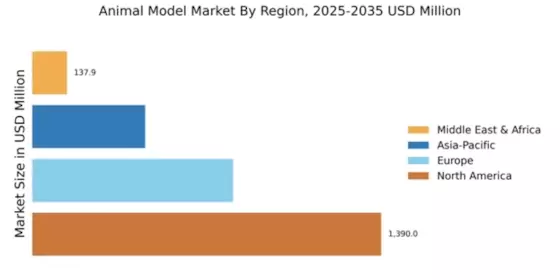
世界の動物モデル市場規模は2024年に27億7,794万米ドルと評価され、市場は2025年の29億7,574万米ドルから2035年までに59億1,984万米ドルに成長すると予測されており、2025年から2035年の予測期間中に7.12%のCAGRを記録します。北米は 50% 以上のシェアで市場をリードし、約 13 億 9,000 万米ドルの収益を生み出しました。 バイオ医薬品研究と創薬への投資の増加により、前臨床試験の精度を向上させる高度な動物モデルの需要が加速しています。遺伝子組み換えモデルは、疾患の理解、治療の検証、規制上の成功を強化し、複数の治療分野にわたる革新的な医薬品の迅速な開発をサポートします。 WHO データポータルによると、非感染性疾患は世界の年間死亡者数の約 74% を占めており、生物医学研究への継続的な投資が推進されており、新しい治療法や疾患メカニズムの前臨床評価には高度な動物モデルが引き続き不可欠です。
動物モデル市場は、技術の進歩と個別化医療への需要の増加によって力強い成長を遂げています。
| 2024年の市場規模 | 2777.94 (USD Million) |
| 2035年の市場規模 | 5919.84 (USD Million) |
| CAGR (2025 - 2035) | 7.12% |
| 2024 年に最大の地域市場シェアを獲得 | 北米 |
Charles River Laboratories (米国)、Envigo (米国)、Taconic Biosciences (米国)、Harlan Laboratories (米国)、Crown Bioscience (米国)、Janvier Labs (フランス)、The Jackson Laboratory (米国)、Wuxi AppTec (中国)、Inotiv (米国) などの企業が世界市場の主要な参加者です。
Our Impact
Enabled $4.3B Revenue Impact for Fortune 500 and Leading Multinationals
Partnering with 2000+ Global Organizations Each Year
30K+ Citations by Top-Tier Firms in the Industry
動物モデル市場の傾向は、バイオテクノロジーの進歩と倫理的研究実践の重視の高まりによって動的に進化していることを示しています。製薬機関や学術機関が研究開発投資を増やすにつれ、より広範な実験動物市場が拡大し続けています。 試験用動物モデル市場は、前臨床検証と医薬品の安全性評価に対する需要の高まりにより成長を遂げています。さらに、技術革新によりモデル動物技術市場が強化され、より正確な遺伝子改変や疾患モデリング機能の強化が可能になっています。 さらに、動物解剖学モデル市場も教育機関や訓練機関でも勢いを増しており、研究中心のセグメントを補完しています。
遺伝子工学や高度なイメージング技術などのテクノロジーの統合により、動物モデルの能力が強化され、人間の反応をより正確に予測できるようになりました。この傾向は、両部門が創薬と開発に動物モデルを活用しようとしているため、学界と産業界の協力が増加する可能性を示唆しています。全体的に見て、市場は科学革新と倫理的な研究実践への取り組みによって継続的に成長する準備が整っているように見えます。
動物モデル市場では、実験室市場のエコシステムを強化するイノベーションが急増しています。 CRISPR 遺伝子編集や高度なイメージングなどの技術は、モデル動物技術市場を再構築し、予測精度と研究成果を向上させています。これらの進歩により、疾患メカニズムのより深い理解が促進され、治療結果の予測可能性が向上します。
規制の整合性の高まりは、動物モデル市場の動向に影響を与え続けており、人道的な研究基準を強化し、世界各地での長期的な市場シェア分布を形成しています。この傾向は、動物の人道的な扱いを確保するための代替方法の採用と既存の慣行の改良への移行を示しており、それによって透明性と説明責任が強化されています。
学術機関と製薬会社との連携により、動物モデルサービス市場が強化され、イノベーションが促進され、世界中で検査用動物モデル市場が拡大しています。このようなパートナーシップは、革新的な動物モデルの開発を強化し、創薬プロセスを合理化し、最終的にはより効果的な治療法につながる可能性があります。この傾向は、リソースと知識が共有され、両方のセクターに利益をもたらす可能性を示唆しています。
グローバル化によりコラボレーションと知識交換が促進されるにつれて、新興市場は世界の動物モデル市場産業への貢献がますます高まっています。アジア太平洋地域とラテンアメリカの国々では、国内および国際投資の両方によって研究活動が増加しています。 この傾向は、科学的知識の進歩に不可欠な地域の動物モデル施設や研究機関の発展を促進しています。これらの市場の拡大は、研究目的で先進的な動物モデルを採用するため、業界全体の成長を促進すると予想されます。研究イニシアチブのグローバル化は、市場関係者にとって新たな機会を生み出す可能性があります。
CRISPRや遺伝子編集などの遺伝子工学技術の進歩は、世界の動物モデル市場業界に大きな影響を与えています。これらの技術により、人間の病気を厳密に模倣した、より正確で適切な動物モデルの作成が可能になります。この精度により薬物反応の予測可能性が高まり、前臨床試験の効率が向上します。 その結果、研究者はこれらの先進的なモデルをますます採用しており、市場の成長を促進すると予想されています。研究プロトコルへの遺伝子組み換え生物の統合は、2035 年に至る予想される成長軌道に沿って、市場全体の拡大に貢献すると考えられます。
バイオ医薬品の需要の増加は、世界の動物モデル市場業界の主な推進力です。バイオ医薬品分野が拡大するにつれて、動物モデルを使用した効果的な前臨床試験の必要性が重要になっています。医薬品開発と安全性評価における業界の動物モデルへの依存を反映して、2024 年の市場規模は約 27 億 9,000 万米ドルと見込まれています。 この傾向は今後も続くと予想されており、市場は2035年までに59億3,000万米ドルに成長すると予測されています。2025年から2035年までの年間平均成長率(CAGR)7.11%は、革新的な治療法の開発を促進する上での動物モデルの重要性を強調しています。
動物研究に対する規制上のサポートは、世界の動物モデル市場業界で極めて重要な役割を果たしています。政府や規制当局は、医薬品開発プロセスにおける動物モデルの必要性をますます認識しています。この支援は、研究に使用される動物の福祉を確保しながら、倫理的な研究実践を促進するガイドラインを通じて表れます。 このような枠組みは、新薬や治療法の承認を促進し、それによってイノベーションを促進します。市場が進化するにつれて、規制政策と科学の進歩の整合により、動物モデルの信頼性と受け入れが強化され、2035 年まで市場の成長がさらに促進されると考えられます。
さまざまな分野にわたる研究開発(R&D)への投資の急増は、世界の動物モデル市場業界の重要な推進力です。製薬会社やバイオテクノロジー会社は、新しい治療法や治療法を発見するために研究開発に多大なリソースを投入しています。 この傾向は、病気のメカニズムを理解し、薬の有効性をテストするために不可欠な動物モデルを利用した前臨床研究の数の増加に反映されています。市場の2024年の27億9,000万米ドルから2035年までの59億3,000万米ドルへの予想成長は、動物モデル応用の将来の展望を形作る上で研究開発投資が重要な役割を果たしていることが浮き彫りになっています。
動物モデル市場は、創薬、毒性試験、遺伝子研究、疾患モデリング、再生医療の 5 つの主要なアプリケーションに分類されます。このうち、Drug Discovery は、新規治療薬に対する継続的な需要と医薬品開発における前臨床試験のニーズの高まりにより、52% のシェアを占め、市場をリードしています。毒物学検査もこれに続き、ヒトでの治験前に医薬品の安全性と有効性を評価する重要性が強調され、規制要件の増加により市場のかなりの部分を獲得しています。
Charles River Laboratories は、革新的な前臨床プラットフォームと世界的な製薬会社との戦略的提携を通じて創薬能力を拡大し続け、複数の疾患領域にわたる有望な治療候補の迅速な特定と検証をサポートします。
動物モデル市場はマウスが大部分を占めており、費用対効果が高く、ヒトとの遺伝的類似性が高いため、マウスは 60% という大きなシェアを占めています。マウス、ラット、ヒト以外の霊長類は、神経生物学や医薬品開発などの特定の研究分野に焦点を当てて、市場シェアの顕著な部分に貢献しています。ゼブラフィッシュとモルモットのシェアは小さく、多くの場合、専門的な研究や繁殖実践に好まれています。
Envigo は、繁殖能力の拡大と規制された実験動物生産を通じて研究モデルのポートフォリオを強化し続け、世界中で一貫性と再現性のある生物医学研究をサポートする遺伝子定義されたマウス モデルを供給しています。
動物モデル市場は、異なる研究分野にわたってさまざまなシェアを持つ複雑な状況を示しています。腫瘍学は、がん研究への多額の投資とともに、医薬品の開発と試験における重要な役割により、55% のシェアで市場をリードしています。続いて、神経変性疾患を対象とした研究イニシアチブの増加により、神経学が重要な分野として浮上しており、その市場シェアが急速に拡大しています。業界が進化する医療ニーズに適応するにつれて、心臓病、免疫学、代謝疾患などの他の分野も、セグメント値全体での市場シェアの多様化に貢献しています。
腫瘍学 (有力) vs. 神経学 (新興)
腫瘍学は、効果的ながん治療法と腫瘍生物学の理解を助ける洗練されたモデルに対する需要の高まりにより、引き続き市場で主要な研究分野となっています。研究者はさまざまな動物モデルを利用して、新しい腫瘍治療薬の有効性と安全性を評価し、イノベーションを促進しています。対照的に、神経学は現在新興段階にありますが、メンタルヘルスの問題や神経変性状態に対する意識の高まりにより注目を集めています。この変化により、神経疾患を正確に再現できる動物モデルへの投資が促進され、創薬と治療介入が加速されました。

動物モデル市場は多様なエンドユーザーベースを特徴としており、製薬会社が最大の 62% のシェアを占めています。このセグメントは、前臨床段階での医薬品開発と試験のニーズの高まりから恩恵を受けており、動物モデルの需要が大幅に高まっています。これに続くのがバイオテクノロジー企業であり、創薬や治療法の開発において革新的な技術を活用し、急速に勢いを増しています。近年、バイオテクノロジー企業は、動物モデル市場内で最も急成長しているセグメントとして浮上しています。この成長は、バイオ医薬品への投資の増加と、学術機関や受託研究機関との連携の増加によって推進されています。ゲノミクスと個別化医療の進歩が続くにつれて、検証や研究目的での動物モデルへの依存度が急増すると予想され、すべてのエンドユーザーセグメントにわたる市場のさらなる成長に貢献すると予想されます。
製薬会社(有力) vs. 受託研究機関(新興)
製薬会社は、研究開発目的に広範なリソースを活用し、市場の支配的なプレーヤーとして機能します。彼らは前臨床試験の動物モデルに大きく依存しており、人体での臨床試験の前に新薬の有効性と安全性を評価することができます。この層は、治療オプションの進歩に深く投資しており、多様な研究ニーズをサポートするさまざまな動物モデルに対する強い需要を示しています。対照的に、受託研究機関 (CRO) は、製薬企業やバイオテクノロジー企業に専門知識とサービスを提供する重要なパートナーとして台頭しています。柔軟なソリューションを提供し、規制の要求に対応する能力により、前臨床研究能力を強化し、医薬品開発プロセスを加速し、市場の成長に重要な貢献者としての地位を確立しています。
Animal Model Marketに関する詳細な洞察を得る 無料サンプルを請求する
北米は動物モデル市場規模でリードしており、2024年には世界収益の50.04%以上を占めます。この地域の成長は、堅調な研究開発活動、バイオテクノロジーへの投資の増加、動物研究をサポートする強力な規制枠組みによって推進されています。革新的な治療法や個別化医療への需要も、動物実験の倫理基準に焦点を当てて市場の拡大を推進しています。
米国が主な貢献国であり、Charles River Laboratories や Envigo などの主要企業を擁しています。競争環境は、既存の企業と新興のバイオテクノロジー企業が混在し、市場シェアを争っているのが特徴です。高度な研究機関の存在により、この地域の能力はさらに強化され、さまざまな研究用途に使用される高品質の動物モデルの安定した供給が保証されます。
ヨーロッパの動物モデル市場規模は、2024年に8億米ドルと評価され、28.80%のシェアを誇る第2位の地域市場となっています。この地域は、動物の倫理的な扱いを保証する厳しい規制の恩恵を受けており、社会の信頼を醸成し、動物研究への投資を奨励しています。慢性疾患の有病率の増加と効果的な治療の必要性は、遺伝子工学やバイオテクノロジーの進歩と並んで市場成長の主要な推進力です。
ドイツ、フランス、英国などの主要国が最前線にあり、ジャンビエ研究所やハーラン研究所などの企業が強い存在感を示しています。競争環境は、学術機関と業界関係者とのコラボレーションによって特徴付けられ、イノベーションを強化します。欧州連合の動物福祉と研究の誠実さへの取り組みにより、世界市場におけるこの地域の地位はさらに強固なものとなります。
市場規模4億7,000万のアジア太平洋地域は、動物モデル市場の主要プレーヤーとして急速に台頭しています。アジア太平洋市場は、医療投資の増加とバイオテクノロジー研究の進歩により急速に拡大しています。中国と日本の成長により、世界の地域市場シェアの地位が強化されています。中国や日本などの国々は、ライフサイエンスにおける研究インフラと能力の強化を目的とした政府の取り組みに支えられ、この傾向をリードしています。
中国は特に注目に値し、バイオテクノロジー分野が急成長し、研究機関の数も増加しています。競争環境には、この地域での拠点を拡大している無錫 AppTec など、地元企業と国際企業の両方が参加しています。動物モデルの需要が高まり続ける中、アジア太平洋地域は、品質と倫理基準の両方に重点を置き、世界的な研究開発の取り組みにおいて重要な役割を果たすことになります。
1億1,794万人と評価される中東およびアフリカ地域は、動物モデル市場に独特の課題と機会をもたらします。 MEA地域は、医療インフラの改善と動物モデルサービス市場における研究イニシアチブの高まりに支えられ、徐々に世界市場に貢献しています。南アフリカやUAEなどの国々は、動物モデル研究の能力を強化するために研究施設の設立と協力の促進において前進を続けています。
南アフリカは研究基準と倫理慣行の改善に重点を置いて先頭に立っている。競争環境は依然として発展途上にあり、地元プレーヤーと海外プレーヤーが混在しています。この地域が研究開発への投資を続けるにつれて、既存の課題を徐々に克服し、より堅調な市場への道を切り開くことが期待されています。





Key application segments include Drug Discovery, Toxicology Testing, and Regenerative Medicine, with valuations ranging from 600.0 to 1519.84 USD Million.
Mice and rats are the most commonly used animal models, with market valuations between 500.0 and 1300.0 USD Million.
Oncology and Neurology are leading research areas, with market valuations reaching up to 1300.0 USD Million.


The secondary research process involved comprehensive analysis of regulatory frameworks governing laboratory animal welfare, peer-reviewed biomedical journals, preclinical research publications, and authoritative scientific research organizations. Key sources included the US Department of Agriculture (USDA) Animal and Plant Health Inspection Service (APHIS), National Institutes of Health (NIH) Office of Laboratory Animal Welfare (OLAW), US Food & Drug Administration (FDA) Center for Drug Evaluation and Research, European Medicines Agency (EMA), European Commission Directorate-General for Research and Innovation, Organisation for Economic Co-operation and Development (OECD) Test Guidelines Programme, International Council for Laboratory Animal Science (ICLAS), National Centre for the Replacement, Refinement and Reduction of Animals in Research (NC3Rs), American Association for Laboratory Animal Science (AALAS), Institute for Laboratory Animal Research (ILAR), Canadian Council on Animal Care (CCAC), and national laboratory animal science associations from key markets. These sources were used to collect regulatory compliance data, institutional animal usage statistics, genetic engineering technology adoption rates, preclinical study volumes, and ethical framework analysis for rodent models, non-rodent models, transgenic animals, and CRISPR-engineered model organisms.
To gather both qualitative and quantitative insights, supply-side and demand-side stakeholders were interviewed during the primary research phase. CEOs, VPs of Research Model Development, regulatory compliance officers, and commercial directors from organizations that breed laboratory animals, provide genetically altered models, and provide animal health services were examples of supply-side sources. Chief scientists, in vivo pharmacology heads, veterinary pathologists, administrators of the Institutional Animal Care and Use Committee (IACUC), and procurement directors from pharmaceutical companies, contract research organizations (CROs), biotechnology companies, academic medical centers, and government research institutes were among the demand-side sources. Primary study corroborated transgenic model creation pipelines, validated market segmentation across species kinds and gene-editing technologies, and collected information on vivarium capacity use, genetically modified organism pricing strategies, and regulatory audit compliance costs.
Primary Respondent Breakdown:
By Designation: C-level Primaries (32%), Director Level (31%), Others (37%)
By Region: North America (38%), Europe (30%), Asia-Pacific (22%), Rest of World (10%)
Global market valuation was derived through revenue mapping and model usage volume analysis across research applications. The methodology included:
Identification of 35+ key animal model suppliers and service providers across North America, Europe, Asia-Pacific, and Latin America, including Charles River Laboratories, Envigo, Taconic Biosciences, The Jackson Laboratory, Janvier Labs, and Crown Bioscience
Product mapping across mice, rats, pigs, rabbits, and genetically engineered models including CRISPR-edited lines, microinjection-derived models, and embryonic stem cell-based chimeras
Analysis of reported and modeled annual revenues specific to research model portfolios and associated services (genetic engineering, breeding, health monitoring, and diagnostic testing)
Coverage of manufacturers and service providers representing 75-80% of global market share in 2024
Extrapolation using bottom-up (animal unit sales × average selling price by species and genetic modification complexity) and top-down (manufacturer revenue validation across vivarium services and model sales) approaches to derive segment-specific valuations for drug discovery, toxicology testing, and disease modeling applications
このレポートの無料サンプルを受け取るには、以下のフォームにご記入ください

“This is really good guys. Excellent work on a tight deadline. I will continue to use you going forward and recommend you to others. Nice job”


“Thanks. It’s been a pleasure working with you, please use me as reference with any other Intel employees.”


“Thanks for sending the report it gives us a good global view of the Betaïne market.”


“Thank you, this will be very helpful for OQS.”


“We found the report very insightful! we found your research firm very helpful. I'm sending this email to secure our future business.”


“I am very pleased with how market segments have been defined in a relevant way for my purposes (such as "Portable Freezers & refrigerators" and "last-mile"). In general the report is well structured. Thanks very much for your efforts.”


“I have been reading the first document or the study, ,the Global HVAC and FP market report 2021 till 2026. Must say, good info! I have not gone in depth at all parts, but got a good indication of the data inside!”


“We got the report in time, we really thank you for your support in this process. I also thank to all of your team as they did a great job.”


“The Automotive 48V ECU Components Procurement Intelligence Study” was a complex project, but the Market Research Future (MRFR) team handled it with quality, agility, and customer-centricity. They delivered all requested data on time and within the agreed scope. The team, including Shubhendra Anand and Rahul Gotadki, was always readily available to clarify questions and swiftly implement necessary adjustments, driving the project to a successful conclusion within a very demanding timeframe.
I would also like to specifically commend Akshay Agarwal for his responsiveness and support at every stage—from our initial inquiry on May 6th through to final delivery on June 18th. His dedication made the entire process seamless.”



