Author

Rahul Gotadki

ヘルペスウイルス治療市場調査報告書 治療タイプ別(抗ウイルス薬、ワクチン、免疫療法、遺伝子治療)、患者タイプ別(性器ヘルペス、口腔ヘルペス、眼ヘルペス、新生児ヘルペス)、薬剤クラス別(ヌクレオシド類似体(例:アシクロビル、バラシクロビル)、非ヌクレオシド阻害剤(例:ブリブジン、フォスカルネット))、投与経路別(経口、静脈内、局所、眼科用)、流通チャネル別(病院薬局、小売薬局、オンライン薬局)、地域別(北米、ヨーロッパ、南米、アジア太平洋、中東およびアフリカ) - 2035年までの予測
MRFRの分析によると、ヘルペスウイルス治療市場の規模は2024年に14.8億米ドルと推定されました。ヘルペスウイルス治療業界は、2025年に15.33億米ドルから2035年には21.88億米ドルに成長すると予測されており、2025年から2035年の予測期間中に年平均成長率(CAGR)は3.62%となる見込みです。
ヘルペスシンプルックスウイルス治療市場は、革新的な治療法とアクセスの向上に向けてダイナミックな変化を遂げています。
| 2024 Market Size | 1.48 (米ドル十億) |
| 2035 Market Size | 2.188 (米ドル十億) |
| CAGR (2025 - 2035) | 3.62% |
GSK(GB)、アストラゼネカ(GB)、ブリストル・マイヤーズ スクイブ(US)、メルク&カンパニー(US)、アッヴィ(US)、テバ製薬工業(IL)、ノバルティス(CH)、サノフィ(FR)、ファイザー(US)
Our Impact
Enabled $4.3B Revenue Impact for Fortune 500 and Leading Multinationals
Partnering with 2000+ Global Organizations Each Year
30K+ Citations by Top-Tier Firms in the Industry
ヘルペスウイルス治療市場は、さまざまな要因によって著しい変化を遂げています。世界的にヘルペスウイルス感染の有病率が増加していることから、効果的な治療オプションへの関心と需要が高まっています。製薬会社は、抗ウイルス薬や代替治療法を含む革新的な治療法を導入するために、研究開発に積極的に取り組んでいます。このダイナミックな状況は、治療を求める患者に対する医療サービスへのアクセスを容易にするテレメディスンの受け入れの高まりによってさらに影響を受けています。その結果、市場は拡大の見込みがあり、患者の結果を改善し、ウイルスに影響を受けた人々の生活の質を向上させることに焦点を当てています。
ヘルペスウイルス治療市場では、抗ウイルス療法の需要が高まっています。患者は、症状を管理し、発作を減少させるための効果的な解決策を求めています。この傾向は、製薬会社が新しい抗ウイルス薬の研究開発に投資することを促しています。
テレメディスンの採用は、ヘルペスウイルス治療市場を再構築しています。患者は、医療サービスにアクセスするために、ますますバーチャル相談を利用しています。このシフトは、便利さを高めるだけでなく、特に遠隔地にいる人々にとって治療オプションの範囲を広げています。
ヘルペスウイルス治療市場では、個別化治療アプローチへの関心が高まっています。治療法を個々の患者プロファイルに合わせることがますます一般的になっており、これは診断技術の進歩とウイルスに対する理解の向上によって推進されています。この傾向は、治療結果を最適化し、患者の満足度を向上させることを目指しています。
予防医療への重視がヘルペスウイルス治療市場に影響を与えています。世界中の医療システムが予防策にシフトする中、ヘルペスウイルス感染に対する教育、スクリーニング、早期介入に対する関心が高まっています。この積極的なアプローチは、個人が健康をより効果的に管理しようとするため、抗ウイルス治療の需要の増加につながると考えられます。さらに、医療政策に予防戦略が統合されることで、より多くの人々が定期的な健康診断に参加することが促され、早期の診断と治療が促進される可能性があります。その結果、予防医療が患者と医療提供者の両方にとって優先事項となるにつれて、市場はこの傾向から恩恵を受けると予想されています。
抗ウイルス薬の開発における革新は、単純ヘルペスウイルス治療市場に大きな影響を与えています。最近の進展により、効果が向上し、副作用が軽減された新しい抗ウイルス剤が導入されました。例えば、局所治療や長時間作用型注射剤などの新しい製剤や投与方法の開発は、患者の遵守率と治療結果の改善が期待されています。この市場は、これらの進展により、今後数年間で約5%の年平均成長率(CAGR)を目撃する見込みです。さらに、併用療法に関する継続的な研究は、より効果的な治療レジメンを提供する可能性があり、医療提供者が患者ケアの最適化を目指す中で、市場の成長をさらに刺激するでしょう。
ヘルペス単純ウイルス感染に関する認識と教育の取り組みの高まりは、ヘルペス単純ウイルス治療市場にとって重要です。ヘルペスの症状、感染経路、治療オプションについて個人を教育することを目的とした公衆衛生キャンペーンが注目を集めています。この認識の高まりは、より多くの人々が診断と治療を求めることを促し、市場の拡大につながると考えられます。さらに、医療提供者はヘルペス感染の早期介入と管理の重要性をますます強調しており、これにより抗ウイルス療法の利用が増加する可能性があります。その結果、より多くの患者が治療オプションについて情報を得ることで、市場は成長すると予想されています。
テレヘルスサービスの導入は、ヘルペス単純ウイルス治療市場の風景を変革しています。リモート相談の便利さにより、患者はヘルペス単純ウイルス感染に対して医療アドバイスや治療を求める可能性が高くなります。テレヘルスプラットフォームは医療専門家へのアクセスを促進し、迅速な診断と抗ウイルス薬の処方を可能にします。この傾向は、対面で自分の状態について話すことに抵抗を感じるかもしれない個人にとって特に有益です。テレヘルスが人気を集め続ける中、ヘルペス単純ウイルス治療市場は拡大すると予想されており、より多くの患者がこれらのサービスを利用して健康を効果的に管理することが期待されています。
ヘルペス単純ウイルス感染症の発生率の上昇は、ヘルペス単純ウイルス治療市場の主要な推進要因です。推定によれば、人口の相当部分がHSV-1およびHSV-2に影響を受けており、毎年何百万件もの新しい症例が報告されています。この増加する有病率は、効果的な治療オプションを必要とし、市場の成長を促進しています。特にアシクロビルやバラシクロビルなどの抗ウイルス薬の需要は、より多くの人々が医療介入を求めるにつれて高まると予想されています。さらに、ヘルペス感染が全体的な健康や生活の質に与える影響についての認識が高まることで、患者が治療を求める傾向が強まり、ヘルペス単純ウイルス治療の市場が拡大する可能性があります。
ヘルペスウイルス治療市場では、抗ウイルス薬が最大の市場シェアを占めており、これはHSV感染の管理における広範な使用に起因しています。これらの薬は、発作の重症度と持続時間を減少させるために不可欠であり、医療提供者にとっての定番となっています。ワクチンは現在は小さなシェアを持っていますが、進行中の研究開発が有望な結果をもたらすことにより、予防をより効果的にターゲットとするため、急速に成長することが期待されています。
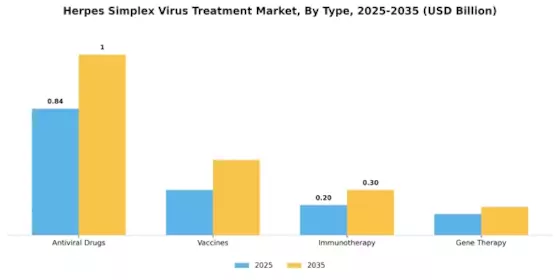
抗ウイルス薬(主流)対ワクチン(新興)
抗ウイルス薬は、確立されたプロフィールと効果により、ヘルペスシンプルックスウイルス治療市場で主導的な力を維持しています。これらは、HSV-1およびHSV-2感染の治療に不可欠であり、症状の緩和と合併症の予防を提供します。それに対して、ワクチンはHSV管理の風景を変える強い可能性を持って登場しています。これらの開発は、感染が発生する前に予防することを目指した予防的手段に焦点を当てています。研究が進むにつれて、効果的なワクチンの導入は治療のパラダイムを変える可能性があり、HSVとの戦いにおける将来の戦略の最前線に位置付けられるでしょう。
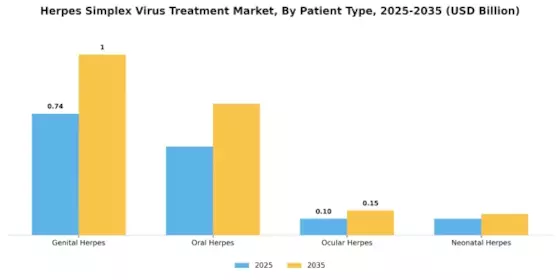
ヘルペスウイルス治療市場において、性器ヘルペスはさまざまな患者タイプの中で最大のシェアを占めており、このカテゴリーにおける治療ソリューションの需要が大きいことを反映しています。性器ヘルペスは一般的な病状として確立されており、その管理に特化した幅広い治療オプションが求められています。一方、口唇ヘルペスは、認知度の向上と治療の展望の向上により急速に成長しており、抗ウイルス療法における革新の焦点として位置づけられています。
性器ヘルペス(優勢)対口腔ヘルペス(新興)
性器ヘルペスは、ヘルペスウイルス治療市場において主要なセグメントを占めており、その高い有病率と効果的な管理ソリューションへの需要を反映しています。利用可能な治療法は、再発の管理に対応し、感染率の低下を目指しています。一方、口唇ヘルペスは、治療方法の進展と公衆の認識の高まりにより、重要な市場プレーヤーとして浮上しています。患者は自らの状態の積極的な管理を求めるようになっており、これが治療オプションの革新につながっています。口唇型の発生率が増加する中で、この状態に対するより効果的でアクセスしやすい治療法の開発に重点が置かれています。
ヘルペスウイルス治療市場において、ヌクレオシド類似体は、その確立された有効性と医療提供者の間での受け入れにより、最大の市場シェアを占めています。これらの抗ウイルス剤は、ヘルペス単純ウイルス感染の管理において主力となっており、処方率の上昇と強い需要を生み出しています。一方、非ヌクレオシド阻害剤は、現在市場の小さな部分を占めていますが、技術の進歩と製薬革新により注目を集めており、その採用が増加しています。
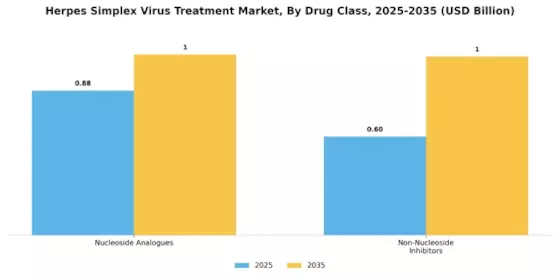
ヌクレオシド類似体(主流)対非ヌクレオシド阻害剤(新興)
ヌクレオシド類似体は、臨床現場での実績と安全性の高いプロファイルから、ヘルペス単純ウイルスの治療において支配的なクラスと見なされています。これらの薬剤はウイルスDNAの構成要素を模倣することによって機能し、ウイルスの複製を効果的に抑制します。一方、非ヌクレオシド阻害剤は、従来の経路を超えてウイルスの活動を妨害する新しいメカニズムを活用し、市場における新たなトレンドを示しています。研究の裏付けが増加し、患者のコンプライアンス向上の可能性があることから、重要な関心領域として位置付けられ、治療パラダイムの進化的な変化を約束しています。これらのクラスは、ヘルペス単純ウイルス治療市場のダイナミックな風景を強調しています。
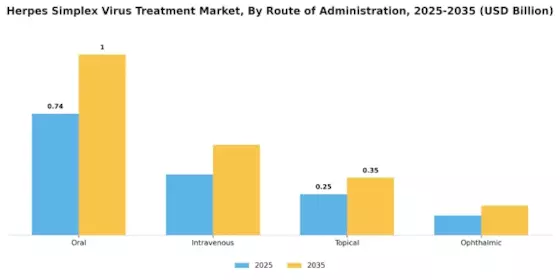
ヘルペス単純ウイルス治療市場は、投与経路セグメントの下で多様な選択肢を示しており、経口療法はその利便性と患者の遵守により重要なシェアを占めています。重症例では静脈内オプションが重要であり、局所治療はその標的効果と全身曝露の低さから注目を集めています。眼科セグメントは小さいものの、ヘルペス単純性角膜炎の治療において重要な役割を果たしており、専門的な投与形態の重要性を強調しています。
口腔(優位)対局面(新興)
経口投与は、ヘルペス単純ウイルス感染症の治療において主流のルートであり、使用の容易さと患者の遵守率の高さから広く好まれています。このカテゴリーで一般的に処方される抗ウイルス薬は、一貫した投与スケジュールで効果的な結果を示します。対照的に、局所投与は、皮膚浸透性と効果を高める製剤技術の革新により急速に台頭しています。患者が非侵襲的な治療代替手段を選好する中で、局所セグメントは成長を続けると予想され、口腔および生殖器ヘルペスの局所治療を重視する人々にアピールしています。
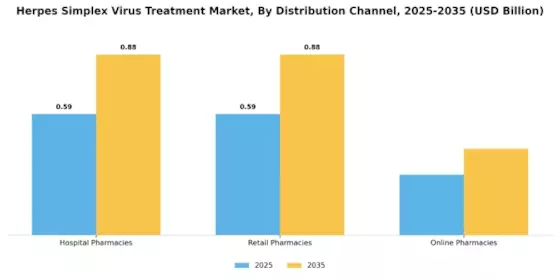
ヘルペスウイルス治療市場において、流通チャネルは製品の入手可能性と患者の医薬品へのアクセスにおいて重要な役割を果たしています。病院の薬局は、患者の医療管理と処方の履行における重要な役割により、市場を支配しています。彼らは、関連する病状のために入院している患者に直接幅広い抗ウイルス治療を提供し、複雑なケースの管理において強い地位を持っています。一方、リテール薬局も重要なシェアを維持しており、外来治療のための主要なアクセスポイントとして機能しています。また、オンライン薬局は、e-ファーマシーソリューションへの傾向の高まりとオンライン購入に対する消費者の快適さの向上により、急速に成長しています。 このセグメント内の成長トレンドは、利便性とアクセスの向上によって推進される消費者行動のダイナミックな変化を示しています。オンライン薬局は、テレメディスンの普及と在宅医療へのより大きな重視から恩恵を受け、最も成長が期待されるセグメントです。さらに、COVID-19パンデミックはオンライン購入の採用を加速させ、多くの消費者がデジタルプラットフォームを通じて治療を取得することの容易さを好むようになりました。同時に、病院の薬局は重度のヘルペスウイルス感染症の管理において重要な役割を果たし続けており、市場内で安定した収益源としての地位を維持しています。
小売薬局(主流)対オンライン薬局(新興)
小売薬局は、ヘルペス単純ウイルス治療市場における流通の基盤として機能し、患者がOTCまたは処方箋を通じて抗ウイルス薬に便利にアクセスできるようにしています。彼らは、治療オプションに関する追加のサポートとガイダンスを提供できる薬剤師との直接的な接触を提供することで知られています。この個人的なやり取りは、患者のコンプライアンスと薬の遵守を高めます。一方、オンライン薬局は、便利さとプライバシーを求めるテクノロジーに精通した患者層にアピールし、重要なプレーヤーとして浮上しています。このセグメントは、テクノロジーの進歩とオンライン健康ソリューションの受け入れの増加に支えられた急速な成長が特徴です。これらのセグメントは、さまざまな患者の好みに応じた多様なアプローチを反映し、薬のアクセスを提供しています。
ヘルペスシンプルックスウイルス治療市場に関する詳細な洞察を得る 無料サンプルを請求する
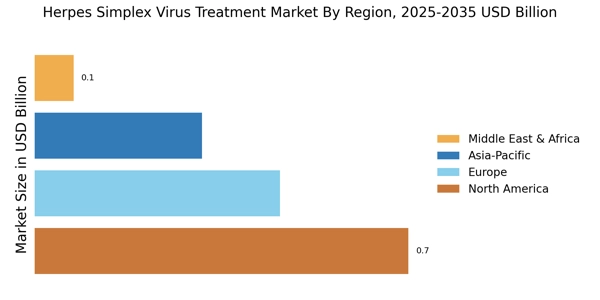
北米はヘルペス単純ウイルス(HSV)治療の最大市場であり、世界市場の約45%を占めています。この地域の成長は、高い罹患率、先進的な医療インフラ、研究開発への大規模な投資によって推進されています。FDAなどの機関からの規制支援は、市場の拡大をさらに促進し、革新的な治療法の迅速な承認を確保しています。アメリカ合衆国が主要な貢献国であり、GSK、メルク、ファイザーなどの主要企業が競争の激しい市場を形成しています。これらの企業は、新しい抗ウイルス治療法やワクチンの開発に積極的に取り組んでおり、市場での存在感を高めています。患者教育や啓発キャンペーンへの注力も、効果的なHSV治療の需要を促進する重要な役割を果たしており、北米のこの分野でのリーダーシップを確固たるものにしています。
ヨーロッパはヘルペス単純ウイルス治療の第二の市場であり、世界市場の約30%を占めています。この地域の成長は、HSVに対する認識の高まり、支援的な医療政策、臨床試験の増加によって推進されています。ドイツやフランスなどの国々は、堅牢な医療システムと治療オプションの革新を促進する規制枠組みの恩恵を受けています。ヨーロッパの主要企業にはアストラゼネカやサノフィがあり、新しい治療法の開発に研究投資を行っています。競争環境は、製薬会社と研究機関とのコラボレーションによって特徴づけられ、治療の有効性を高めることを目指しています。欧州医薬品庁(EMA)は、新しい治療法の規制と承認において重要な役割を果たし、HSV管理における患者の安全性と有効性を確保しています。
アジア太平洋地域は、ヘルペス単純ウイルス治療市場で急成長を遂げており、医療アクセスの向上と性感染症に対する認識の高まりがその要因です。この地域は世界市場の約20%を占めており、中国やインドが需要をリードしています。人口の増加と都市化が感染率の上昇に寄与し、効果的な治療ソリューションの必要性を促しています。競争環境は進化しており、テバ製薬やノバルティスなどの国内外の企業が存在感を拡大しています。この地域では、製薬会社と医療提供者とのパートナーシップが増加しており、治療のアクセス向上を目指しています。医療インフラの向上を目指す政府の取り組みも市場成長を支えており、アジア太平洋地域はHSV治療の重要なプレーヤーとなっています。
中東およびアフリカ地域は、ヘルペス単純ウイルス治療市場の中で小さなシェアを占めており、世界市場の約5%を占めています。しかし、この地域はHSVに対する認識の高まりと医療投資の増加により、重要な未開拓のポテンシャルを持っています。南アフリカやUAEなどの国々は、医療アクセスの向上に注力しており、今後数年で効果的な治療の需要を促進することが期待されています。競争環境はまだ発展途上であり、地元企業と国際企業が市場に参入しています。主要なプレーヤーはこの地域の機会を認識し始めており、研究開発への投資が増加しています。治療のアクセスと手頃な価格の課題に対処するためには、政府と医療機関との協力が不可欠であり、HSV治療市場の将来の成長への道を開いています。
ヘルペス単純ウイルス治療市場は、革新、戦略的パートナーシップ、地域拡大によってますます形成される競争の激しい環境が特徴です。GSK(GB)、メルク&カンパニー(米国)、アッヴィ(米国)などの主要プレーヤーは、研究開発を強調する戦略を積極的に追求し、製品提供と市場シェアの向上を目指しています。GSK(GB)は、広範な研究能力を活用して新しい抗ウイルス療法を開発することに注力しており、メルク&カンパニー(米国)は、バイオテクノロジー企業との戦略的買収やコラボレーションを通じてポートフォリオを強化しています。アッヴィ(米国)は、特に新興市場でのグローバルな足場を拡大することに集中しているようで、これにより地域の競争ダイナミクスが再形成される可能性があります。
市場構造は中程度に分散しており、複数のプレーヤーが支配権を争っています。製造のローカライズやサプライチェーンの最適化といった主要なビジネス戦略がますます普及しています。このアプローチは、運営コストを削減するだけでなく、市場の需要に対する応答性を高めることにもつながります。これらの主要プレーヤーの集合的な影響は、革新と戦略的ポジショニングが重要な競争環境を形成するのに寄与しています。
2025年8月、GSK(GB)は、ヘルペス単純ウイルスを標的とした新しいクラスの抗ウイルス薬を共同開発するために、主要なバイオテクノロジー企業とのパートナーシップを発表しました。このコラボレーションは、GSKの広範な研究能力とバイオテクノロジー企業の革新的な技術を組み合わせるものであり、効果的な治療法の開発を加速する可能性があります。このようなパートナーシップは、最先端の治療法にますます依存する市場において、GSKの競争力を高めるかもしれません。
2025年9月、メルク&カンパニー(米国)は、ヘルペス治療レジメンへの患者の関与と遵守を改善することを目的とした新しいデジタルヘルスプラットフォームを立ち上げました。この取り組みは、医療におけるデジタル化の進展を反映しており、メルクが患者の成果を向上させるために技術を活用する姿勢を示唆しています。デジタルソリューションを統合することで、メルクは治療の遵守を改善するだけでなく、将来の製品開発に役立つ貴重なデータを収集することができるかもしれません。
2025年7月、アッヴィ(米国)は、地域におけるヘルペス治療の需要の高まりに応えるために、アジアでの製造能力を拡大しました。この戦略的な動きは、アッヴィがサプライチェーンの信頼性と地域市場のニーズへの応答性を向上させることにコミットしていることを示しています。生産をローカライズすることで、アッヴィはコストを削減し、急速に進化する市場における競争力を向上させる可能性があります。
2025年10月現在、ヘルペス単純ウイルス治療市場の現在のトレンドは、デジタル化、持続可能性、人工知能の統合によってますます定義されています。戦略的アライアンスは、企業がリソースと専門知識を結集して革新を推進しようとする中で、競争環境を形成する上で重要な役割を果たしています。今後、競争の差別化は、価格ベースの戦略から技術革新、革新的な治療オプション、堅牢なサプライチェーン管理への焦点にますます移行するようです。





2023年10月、ギリアド・サイエンシズとアセンブリ・バイオサイエンシズは、ヘルペスウイルス、B型肝炎ウイルス、D型肝炎ウイルスを治療するための抗ウイルス薬の開発に関する12年間の契約を締結しました。
ヘルペスウイルス治療市場は、2024年から2035年までの間に年平均成長率3.62%で成長すると予測されており、これは有病率の増加、治療オプションの進展、意識の高まりによって推進されています。
新しい機会は以下にあります:
2035年までに、市場は治療パラダイムの進化と患者の関与の増加を反映して、 substantialな成長を達成することが期待されています。
| 市場規模 2024 | 1.48(億米ドル) |
| 市場規模 2025 | 1.533(億米ドル) |
| 市場規模 2035 | 2.188(億米ドル) |
| 年平均成長率 (CAGR) | 3.62% (2024 - 2035) |
| レポートの範囲 | 収益予測、競争環境、成長要因、トレンド |
| 基準年 | 2024 |
| 市場予測期間 | 2025 - 2035 |
| 過去データ | 2019 - 2024 |
| 市場予測単位 | 億米ドル |
| 主要企業のプロファイル | 市場分析進行中 |
| カバーされるセグメント | 市場セグメンテーション分析進行中 |
| 主要市場機会 | ヘルペスウイルス治療市場における新しい抗ウイルス療法と個別化医療の出現。 |
| 主要市場ダイナミクス | 革新的な治療法に対する需要の高まりが、ヘルペスウイルス治療市場における競争と規制の厳格化を促進しています。 |
| カバーされる国 | 北米、ヨーロッパ、アジア太平洋、南米、中東・アフリカ |


The secondary research process involved comprehensive analysis of regulatory databases, peer-reviewed medical journals, clinical publications, and authoritative health organizations. Key sources included the US Food & Drug Administration (FDA), European Medicines Agency (EMA), Centers for Disease Control and Prevention (CDC) National Center for Immunization and Respiratory Diseases, National Institutes of Health (NIH) National Institute of Allergy and Infectious Diseases (NIAID), World Health Organization (WHO) Department of Sexually Transmitted Infections, National Center for Biotechnology Information (NCBI/PubMed), Infectious Diseases Society of America (IDSA), American Sexual Health Association (ASHA), European Centre for Disease Prevention and Control (ECDC), Pan American Health Organization (PAHO), national health ministry reports from key markets (US HHS, UK NHS, Germany's Robert Koch Institute, Japan's National Institute of Infectious Diseases), clinical trial registries (ClinicalTrials.gov, EU Clinical Trials Register), and pharmaceutical industry databases (IQVIA, Evaluate Pharma).
Epidemiological data, clinical safety and efficacy studies, treatment guidelines, patient demographic trends, and market landscape analysis for antiviral medications (acyclovir, valacyclovir, and famciclovir), vaccines, immunotherapy, and gene therapy approaches were gathered from these sources.
In order to gather both qualitative and quantitative insights, supply-side and demand-side stakeholders were interviewed during the primary research process. Supply-side sources included CEOs, VPs of Research & Development, regulatory affairs heads, chief medical officers, and commercial directors from pharmaceutical manufacturers, biotechnology companies, and vaccine developers active in the HSV treatment space. Demand-side sources comprised infectious disease specialists, dermatologists, ophthalmologists, neonatologists, hospital pharmacy directors, retail pharmacy chain procurement managers, and medical affairs leads from hospital systems, specialty clinics, and academic medical centers. Primary research validated market segmentation across treatment types (antiviral drugs, vaccines, immunotherapy, gene therapy), confirmed product pipeline timelines for novel therapeutics, and gathered insights on clinical adoption patterns, treatment protocol preferences, pricing strategies, reimbursement dynamics, and unmet medical needs in genital herpes, oral herpes, ocular herpes, and neonatal herpes management.
Primary Respondent Breakdown:
By Designation: C-level Primaries (32%), Director Level (31%), Others (37%)
By Region: North America (38%), Europe (25%), Asia-Pacific (28%), Rest of World (9%)
Global market valuation was derived through revenue mapping, prescription volume analysis, and procedure-based modeling. The methodology included:
Identification of 40+ key manufacturers and developers across North America, Europe, Asia-Pacific, and Latin America focusing on antiviral therapies, vaccines, and emerging modalities
Product mapping across nucleoside analogues (acyclovir, valacyclovir, famciclovir), non-nucleoside inhibitors (brivudine, foscarnet, cidofovir), vaccine candidates, and immunotherapy platforms
Analysis of reported and modeled annual revenues specific to HSV treatment portfolios, including branded and generic antiviral segments
Coverage of manufacturers representing 75-80% of global market share in 2024
Extrapolation using bottom-up (prescription volume × ASP by country/region, patient population × treatment penetration rates) and top-down (manufacturer revenue validation, epidemiological burden modeling) approaches to derive segment-specific valuations for antiviral drugs, vaccines, immunotherapy, and gene therapy categories
This methodology is tailored specifically to the HSV treatment market segments identified in the report: Treatment Type (Antiviral Drugs, Vaccine, Immunotherapy, Gene Therapy), Patient Type (Genital Herpes, Oral Herpes, Ocular Herpes, Neonatal Herpes), Drug Class (Nucleoside Analogues, Non-Nucleoside Inhibitors), Route of Administration (Oral, Intravenous, Topical, Ophthalmic), and Distribution Channel (Hospital Pharmacies, Retail Pharmacies, Online Pharmacies).
このレポートの無料サンプルを受け取るには、以下のフォームにご記入ください

“This is really good guys. Excellent work on a tight deadline. I will continue to use you going forward and recommend you to others. Nice job”


“Thanks. It’s been a pleasure working with you, please use me as reference with any other Intel employees.”


“Thanks for sending the report it gives us a good global view of the Betaïne market.”


“Thank you, this will be very helpful for OQS.”


“We found the report very insightful! we found your research firm very helpful. I'm sending this email to secure our future business.”


“I am very pleased with how market segments have been defined in a relevant way for my purposes (such as "Portable Freezers & refrigerators" and "last-mile"). In general the report is well structured. Thanks very much for your efforts.”


“I have been reading the first document or the study, ,the Global HVAC and FP market report 2021 till 2026. Must say, good info! I have not gone in depth at all parts, but got a good indication of the data inside!”


“We got the report in time, we really thank you for your support in this process. I also thank to all of your team as they did a great job.”


“The Automotive 48V ECU Components Procurement Intelligence Study” was a complex project, but the Market Research Future (MRFR) team handled it with quality, agility, and customer-centricity. They delivered all requested data on time and within the agreed scope. The team, including Shubhendra Anand and Rahul Gotadki, was always readily available to clarify questions and swiftly implement necessary adjustments, driving the project to a successful conclusion within a very demanding timeframe.
I would also like to specifically commend Akshay Agarwal for his responsiveness and support at every stage—from our initial inquiry on May 6th through to final delivery on June 18th. His dedication made the entire process seamless.”



