Tethered Drones Market

テザードドローン市場調査レポート情報は、タイプ別(軍用ドローン、商用ドローン)、コンポーネント別(センサー、コントローラーシステム、カメラ、バッテリー、その他)、アプリケーション別(検査と監視、法執行、測量、地図作成など)、地域別(北米、ヨーロッパ、アジア太平洋、および世界のその他の地域) – 2034年までの市場予測。
ID: MRFR/AD/5280-HCR
100 Pages
Shubham Munde, Swapnil Palwe
Last Updated: July 28, 2026
Tethered Drones Market
Market Size
Forecast Period2025 - 2035
CAGR (2025 - 2035)6.1%
2024 Market Size$ 152.89 Million
2025 Market Size$ 162.22 Million
2035 Market Size$ 293.32 Million
Key Players
Aerialtronics
Drone Aviation Holding Corp
Elistair
Sky Sapience
DroneShield
AeroVironment
Opportunities
  • Regulatory Support for Drone Operations
  • Emerging Applications in Disaster Management
  • Growing Demand for Surveillance and Security

世界のテザードドローン市場の概要

テザードドローン市場規模は、2024年に1.5億米ドルと評価されました。テザードドローン市場業界は、2025年の1.6億米ドルから2032年までに2.8億米ドルに成長すると予測されており、予測期間(2025年から2034年)中に6.10%の年間平均成長率(CAGR)を示します。電気コンポーネントとケーブルコンポーネントの進歩により、軽量ケーブルがケーブルを介して長距離の動作距離を提供できるようになり、市場の成長を促進する主要な市場原動力となっています。
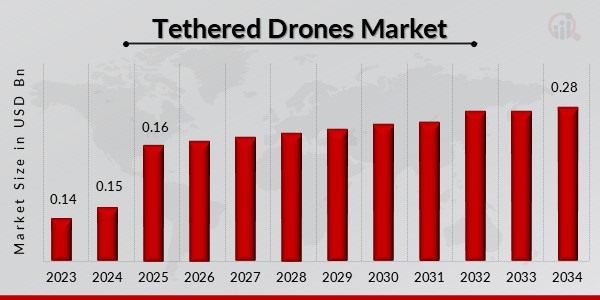
Tethered Drones Market Overview

出典 二次研究、一次研究、市場調査の将来データベースとアナリストのレビュー

テザードドローン市場動向

通信分野におけるドローンの需要の高まりが市場の成長を牽引しています。

テザードドローン市場のCAGRは、通信分野でのドローン需要の高まりによって牽引されています。ドローンはタワーの写真、ビデオ、データをキャプチャして通信事業者のネットワークに即座に転送できるため、タワーの点検に使用され、点検時間と肉体労働が削減されます。通信事業者は、アンテナ設置に最適な場所と高さを見つけるための無線計画や見通し内テストにもドローンを採用しています。テザードローンは、アドホックネットワークの構築、携帯電話の通信範囲の改善、遠隔地での接続の提供に役立ちます。

さらに、テザードドローンはアンテナやその他の送信機器を輸送すると同時に、自然災害によって送電塔に回復不能な損傷が生じた場合に暫定的な送電塔としても機能する可能性がある。ATとTは2018年10月、メキシコビーチとその周辺地域上空で通信を再確立するためにテザードドローンを配備し、警察、初期対応者、消防士などの初期対応者が通信を再確立し、救助活動の調整を支援できるようにした。 Flying COW ドローンは一度に 6,500 のクライアントにサービスを提供できるため、AT&T の顧客はハリケーン マイケルの被害を受けた災害復旧に関する情報を受け取り、親戚と通信できるようになります。

その結果、テザリングドローンの需要は予測期間中に増加し、市場を前進させる可能性があります。 

ドローンは高解像度の観測、長距離の正確な攻撃、空中戦を提供します。このため、テクノロジーサプライヤーは、業界標準を満たしながら効果的な熱放散を実現できるほど小型の EO/IR ペイロードを作成するようになりました。コンピューティング能力の向上により、統合型赤外線カメラの機能が向上すると予測されており、そのようなシステムは航空宇宙産業や防衛産業にとってより魅力的なものになります。商用既製 (COTS) テクノロジーの小型化により、市場最小の UAV 向けの低 ISR ソリューションの生産が可能になります。その結果、防衛事業者と商業事業者の両方が小型および超小型 UAV を購入しました。

戦場における小型 UAV の戦術的利点は非常に大きいため、そのような技術の研究開発と購入に多額の投資が行われてきました。

航空宇宙および防衛用途の赤外線センサーの設計者は、EO センサーと IR センサーの開発に集中しています。彼らは、可視光センサーの解像度に合わせて IR センサーの解像度を強化し、マルチスペクトルセンシングとイメージングを行い、IR センサーとレーザー距離計を組み合わせ、無人車両やその他の小型アプリケーション向けの IR センサーパッケージを縮小しています。最新の統合コンピュータ システムの出現により、より高度なペイロード システムをテザー ドローン プラットフォームに組み込むことが可能になり、さまざまな地形/環境での幅広いミッション プロファイルに最適になります。

これにより、さまざまな業界でテザードドローンの導入が加速し、テザードドローンと関連システムの需要が増加すると予想されます。したがって、テザードドローン市場の収益を促進します。

テザードドローン市場セグメントの洞察

テザードドローンのタイプに関する洞察

タイプに基づくテザードドローン市場セグメンテーションには、軍用ドローンと商業用ドローンが含まれます。商用ドローンセグメントが市場を支配し、市場収益の65%を占めました。これは、精密農業、航空写真、貨物管理、交通監視などの応用分野の増加によるものです。農業部門の急速な拡大と世界の食品と野菜の需要の拡大により、技術機器の需要が拡大しています。精密な農業では、収穫量を最大化するために土壌モニタリング、病気のモニタリング、成長追跡、農薬散布が必要です。

テザードローンのコンポーネントに関する洞察

コンポーネントに基づいて、テザードローン市場セグメンテーションには、センサー、コントローラーシステム、カメラ、バッテリーが含まれます。カメラ部門が市場を独占した。テザードローンは広い光学範囲でFOBを監視できますが、カメラは戦闘員を守ることができますが、航空カメラほど遠くを見ることはできません。このカメラは、30 倍という驚異的な光学ズーム能力により、10 キロメートル離れたトラックやその他の大きな物体を認識できます。

テザードローンのアプリケーションインサイト

アプリケーションに基づいて、テザードローン市場セグメンテーションには、検査と監視、法執行、測量、地図作成などが含まれます。検査・監視カテゴリーが市場をリードした。これらの飛行機は、標的となった地域やテロリストの多発地帯に関する重要な情報を収集するように設計されています。無人航空機は、数年前から空軍、海軍、陸軍、その他の安全保障機関によって兵站や輸送に使用されてきました。

図 1: テザード ドローン市場、用途別、2025 年および 2034 年 (10 億米ドル)
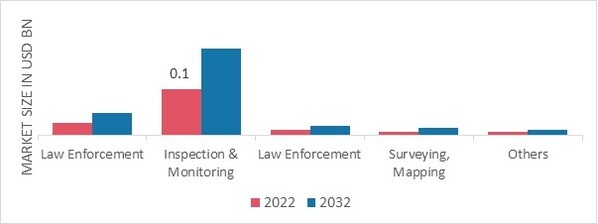
Tethered Drones Market, by Application, 2022 & 2032

出典 二次研究、一次研究、市場調査の将来データベースとアナリストのレビュー

テザードドローンの地域的洞察

この調査では、地域ごとに、北米、ヨーロッパ、アジア太平洋、および世界のその他の地域に関する市場洞察が提供されます。北米のテザードドローン市場がこの市場を支配するでしょう。テザードローンは、米国における遠隔警備ドローン運用の重要な要素であり、軍事、法執行機関、国境警備に使用されています。テザードローンは主に国境警備と前線作戦基地(FOB)の防衛に使用されます。同国は、防衛部門の技術を最新の状態に保つために、新しい繋留型ドローンを継続的に探している。

さらに、市場レポートで調査された主要国は、米国、カナダ、ドイツ、フランス、スペイン、中国、英国、イタリア、日本、インド、オーストラリア、韓国、ブラジルです。

図 2: 2024 年の地域別テザードドローン市場シェア (10 億米ドル)
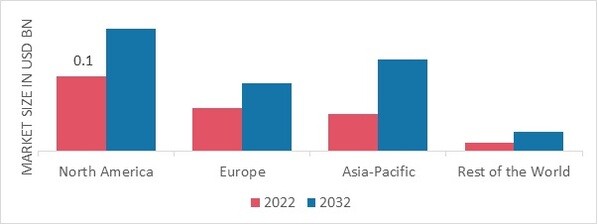
TETHERED DRONES MARKET SHARE BY REGION 2022

出典 二次研究、一次研究、市場調査の将来データベースとアナリストのレビュー

ヨーロッパは、テザードドローンの市場シェアが 2 番目に大きいです。スマート農業におけるさまざまなテクノロジーの利用の増加とドローンテクノロジーの進歩、および政府の取り組みにより、業界に収益性の高い見通しが生まれると予測されています。さらに、ドイツのテザードドローン市場が優勢であった一方、英国のテザードドローン市場はヨーロッパで最も急速に成長しました。

2023年から2032年にかけて、アジア太平洋地域のテザードドローン市場は最速のCAGRで発展すると予想されます。スマート農業におけるさまざまなテクノロジーの関与の増加により、予測期間中に市場の成長が促進されると予想されます。ドローン製造における技術の向上と政府の取り組みにより、業界に収益性の高い見通しが生まれると予測されています。さらに、中国のテザードドローン市場が最も高い市場シェアを占め、インドのテザードドローン市場がアジア太平洋地域で最も急速に拡大しました。

テザードドローンの主要市場プレーヤーと競争力に関する洞察

市場をリードする企業は、自社の製品ラインを増やすために研究開発に多額の費用を費やしており、テザードドローン市場のさらなる成長に貢献します。重要な市場の発展には、新製品のリリース、契約合意、買収と合併、投資の拡大、他の組織とのコラボレーションなどが含まれます。テザードドローン業界は、競争が激化し、増大する市場環境の中で繁栄し、繁栄するために、コスト効率の高い商品を生産する必要があります。

運用コストを削減するために現地で製造することは、世界中のテザードローン業界でメーカーが顧客にサービスを提供し、市場分野を拡大するために使用する効果的なビジネス戦略です。テザードドローン業界は最近、最も重要な利点をいくつか提供しています。 Volarious、Novademなどのテザードドローン市場の主要企業は、研究開発業務に投資することで市場の需要を拡大しようとしています。

Volarious はドローン充電ステーションを作成します。 V-Box と V-Line はその 2 つの製品ラインです。 V-Box には、同時に充電および消耗できる 8 つの拡張 TB55 バッテリーを備えた DJI バッテリー ステーション用の充電接続があります。 V-Line は、賢い張力ケーブル管理技術を使用して DJI Mavic 2 シリーズの飛行時間を 2 時間以上延長し、ドローンの安全な一人操作を可能にするテザー キットです。また、ドローンが困難な地形を横断できるようにする DJI M200 用のバックパックである V-Pack も提供します。

2022 年 9 月、ラスベガスで開催された商用 UAV エキスポで、Volarious は V-Line Pro プレミアム テザー キットをリリースし、M30 の使用を増やしました。

Novadem は、強力で使いやすく直感的なツールを提供するという 1 つの目標を持って、クライアントと協力してドローン ソリューションをゼロから設計しました。

レクリエーション用ドローンは芸術的な画像やビデオ映像を作成しますが、Novadem の顧客はさらに前進する必要があります。構造検査を専門とする組織にとって、画像が意味を持つのは、時間の経過とともに増大する構造の問題を追跡できるようにすることで、専門知識のフェーズ全体を通じて価値を付加できる場合のみです。画像は、指揮所にリアルタイムで送信された場合にのみ消防士に役立ち、状況とその進行状況をより深く把握し、地上職員の協力を最適化することができます。

兵士にとって、画像は防衛要件を満たし、対象地域に軍隊を派遣するために必要な GPS 座標を表示するデジタル地形モデルを含む地図と組み合わせる必要があります。 2019年2月、フランス国防調達庁(DGA)は、2020年末の納品に向けてさらに約50機のNX70マイクロドローンを新たに発注した。これは2年間で3度目の発注であり、フランス陸軍省とNOVADEMの間の信頼を示している。

テザードドローン市場の主要企業には以下が含まれます。

    • ユニーク

    • サイファイワークス

    • ドローン航空

    • エリスター

    • スカイテクノロジーズ

    • UAVTEK

    • ハナフライ・テクノロジーズ

    • ECAグループ

テザードドローン業界の発展

たとえば、2022 年 6 月インド農業・農民福祉省は、ケララ農業大学によるテザードローンなどのドローンベースの農業技術の研究とデモンストレーションに8億2,860万ドルの融資を認可した。 4億4,617万ドルがドローン研究に指定されているが、残りの3億8,243万ドルは、テザードローンやマイクロドローンなど、現場に配備されるさまざまなタイプのドローンの大規模デモンストレーションに充てられる。

たとえば、2022 年 1 月ゼニス エアロテックは、オースティンに本拠を置くエレクトロニクス製造サービス プロバイダーである VIRTEX Enterprises と戦略的パートナーシップを締結し、NDAA 準拠の繋留型航空機に対する顧客の需要の高まりに短期間で応えます。

テザードローン市場セグメンテーション

テザードドローンの種類の見通し

    • 軍用ドローン

    • 商用ドローン

テザードローンのコンポーネントの見通し

    • センサー

    • コントローラーシステム

    • カメラ

    • バッテリー

    • その他

テザードドローンアプリケーションの展望

    • 検査と監視

    • 法執行機関

    • 測量

    • マッピング

    • その他

テザードドローンの地域別展望

    • 北米

      • 私たち

      • カナダ

    • ヨーロッパ

      • ドイツ

      • フランス

      • イギリス

      • イタリア

      • スペイン

      • ヨーロッパの残りの部分

    • アジア太平洋地域

      • 中国

      • 日本

      • インド

      • オーストラリア

      • 韓国

      • オーストラリア

      • 残りのアジア太平洋地域

    • 世界のその他の地域

      • 中東

      • アフリカ

      • ラテンアメリカ

FAQs

What is the projected market valuation of the Tethered Drones Market by 2035?

The Tethered Drones Market is projected to reach a valuation of 293.32 USD Million by 2035.

What was the market valuation of the Tethered Drones Market in 2024?

In 2024, the Tethered Drones Market was valued at 152.89 USD Million.

What is the expected CAGR for the Tethered Drones Market during the forecast period 2025 - 2035?

The expected CAGR for the Tethered Drones Market during the forecast period 2025 - 2035 is 6.1%.

Which application segment had the highest valuation in the Tethered Drones Market?

The Environmental Monitoring application segment had the highest valuation, ranging from 62.89 to 113.32 USD Million.

What are the key players in the Tethered Drones Market?

Key players in the Tethered Drones Market include AeroVironment, Drone Aviation Holding Corp, Elistair, and others.

How does the Military segment perform in the Tethered Drones Market?

The Military segment is valued between 30.0 and 60.0 USD Million in the Tethered Drones Market.

What is the valuation range for Electric Tethered Drones?
Electric Tethered Drones are valued between 45.87 and 88.0 USD Million.
Which end-use segment is expected to grow the most in the Tethered Drones Market?
The Commercial end-use segment is expected to grow significantly, with a valuation range of 40.0 to 80.0 USD Million.
What is the valuation range for the Public Safety application segment?
The Public Safety application segment is valued between 20.0 and 40.0 USD Million.
How do Hybrid Tethered Drones compare to Gas-Powered Tethered Drones in terms of valuation?
Hybrid Tethered Drones are valued between 35.0 and 70.0 USD Million, while Gas-Powered Tethered Drones range from 41.02 to 75.32 USD Million.
著者
Author
Author Profile
Shubham Munde LinkedIn
Team Lead - Research
Shubham brings over 7 years of expertise in Market Intelligence and Strategic Consulting, with a strong focus on the Automotive, Aerospace, and Defense sectors. Backed by a solid foundation in semiconductors, electronics, and software, he has successfully delivered high-impact syndicated and custom research on a global scale. His core strengths include market sizing, forecasting, competitive intelligence, consumer insights, and supply chain mapping. Widely recognized for developing scalable growth strategies, Shubham empowers clients to navigate complex markets and achieve a lasting competitive edge. Trusted by start-ups and Fortune 500 companies alike, he consistently converts challenges into strategic opportunities that drive sustainable growth.
Co-Author
Co-Author Profile
Swapnil Palwe LinkedIn
Team Lead - Research
With a technical background as Bachelor's in Mechanical Engineering, with MBA in Operations Management , Swapnil has 6+ years of experience in market research, consulting and analytics with the tasks of data mining, analysis, and project execution. He is the POC for our clients, for their consulting projects running under the Automotive/A&D domain. Swapnil has worked on major projects in verticals such as Aerospace & Defense, Automotive and many other domain projects. He has worked on projects for fortune 500 companies' syndicate and consulting projects along with several government projects.

Research Approach


Secondary Research

The secondary research process involved comprehensive analysis of aviation regulatory databases, defense procurement records, peer-reviewed aerospace engineering journals, UAS (Unmanned Aerial Systems) technical publications, and authoritative defense and civil aviation organizations. Key sources included the Federal Aviation Administration (FAA) UAS Certification database, European Union Aviation Safety Agency (EASA) UAS regulatory frameworks, International Civil Aviation Organization (ICAO) UAS Traffic Management guidelines, UK Civil Aviation Authority (CAA), Transport Canada Civil Aviation, Australian Civil Aviation Safety Authority (CASA), and national aviation authorities from key markets. Defense-specific sources included the U.S. Department of Defense (DoD) budget documentation, European Defence Agency (EDA), NATO UAS standardization reports, FEMA UAS integration guidelines, U.S. Customs and Border Protection procurement data, and national defense ministry reports. Industry and standardization sources encompassed the Association for Uncrewed Vehicle Systems International (AUVSI), Global UTM Association (GUTMA), ISO 21384 (UAS Operations) standards, ASTM International F38 Committee on UAS, RTCA DO-178C certification standards, IEEE aerospace standards, NASA UAS integration research, and MITRE Corporation technical reports. These sources were used to collect regulatory certification data, defense contract awards, technology adoption trends, flight operation statistics, and competitive landscape analysis for stationary tethered systems, mobile tethered platforms, hybrid tethered drones, and fiber-optic/power tether technologies.


Primary Research

In the primary research process, supply-side and demand-side stakeholders were interviewed to obtain qualitative and quantitative insights. CEOs, CTOs, VPs of Engineering, Heads of Product Development, regulatory compliance officers, and defense contract managers from ground station OEMs, tethered drone manufacturers, and tether system integrators were examples of supply-side sources. Program managers from defense ministries and border security agencies, public safety directors from emergency response units, infrastructure inspection managers from utilities and oil and gas companies, network engineering leads from telecom companies looking for temporary aerial cell towers, and security operations directors for vital facilities were examples of demand-side sources. Primary research obtained information on operational endurance requirements, fiber-optic tether adoption rates, and defense procurement cycles; verified military communication relay and ISR (Intelligence, Surveillance, Reconnaissance) deployment timelines; and validated market segmentation across stationary, mobile, and hybrid platforms.

Primary Respondent Breakdown:

• By Designation: C-level Primaries (28%), Director Level (33%), Others (39%)

• By Region: North America (42%), Europe (24%), Asia-Pacific (26%), Rest of World (8%)


Market Size Estimation

Global market valuation was derived through defense budget allocation analysis, commercial deployment volume tracking, and revenue mapping. The methodology included:

• Identification of 35+ key manufacturers across North America, Europe, Asia-Pacific, and Middle East defense corridors

• Product mapping across stationary tethered drones, mobile tethered systems, hybrid tethered platforms, and categories by power capacity (low <500W, medium 500W-2kW, high >2kW)

• Analysis of reported and modeled annual revenues specific to tethered UAS portfolios, including ground station and tether management system sales

• Coverage of manufacturers representing 75-80% of global market share in 2024 (including Elistair, Hoverfly Technologies, CyPhy Works/Aria Insights, Drone Aviation Holding Corp., TCOM, Zenith Aerotech, Fotokite, and Acecore Technologies)

• Extrapolation using bottom-up (deployment volume × ASP by application sector: Defense & Security, Public Safety & Emergency Response, Commercial/Industrial) and top-down (defense procurement validation against military UAS budgets) approaches to derive segment-specific valuations for mid-range (100-300m), short-range (<100m), and long-range (>300m) tether systems

Key Adaptations for Tethered Drones:

Regulatory focus: Shifted from medical agencies (FDA/EMA) to aviation authorities (FAA, EASA, ICAO) and defense departments

Technical standards: Added ISO 21384, ASTM F38, and RTCA aerospace certification sources

Applications: Mapped to defense/security surveillance, emergency response, telecom relay, and infrastructure inspection rather than aesthetic procedures

Stakeholders: Changed from dermatologists/plastic surgeons to defense program managers, border patrol commanders, and telecom engineers

Market concentration: Adjusted coverage to 75-80% (more concentrated defense market) vs. 70-75% for dermal fillers

Tier percentages: All three breakdown categories use distinct percentage distributions from your original template

無料サンプルをダウンロード

このレポートの無料サンプルを受け取るには、以下のフォームにご記入ください

Download PDF ×

We do not share your information with anyone. However, we may send you emails based on your report interest from time to time. You may contact us at any time to opt-out.