Soap Noodles Market (2026 - 2035)
비누면 시장 조사 보고서 정보 유형별(식물성 기름 기반, 동물성 지방 기반(수지) 및 특수 제품(신뎃/반투명)), 생산 공정별(비누화 경로, 중화 경로 및 기타 공정), 용도별(개인 위생 비누, 세탁 비누, 특수 및 수공예 바, 산업 및 기타), 최종 사용자별(가정용 및 상업용)별 유통 채널(직접/대량 계약, 유통업체/도매업체 및 온라인 플랫폼) – 2035년까지 예측
ID: MRFR/CnM/0589-CR
111 Pages
Last Updated: August 24, 2026
Soap Noodles Market
Market Size
Forecast Period2026-2035
CAGR (2026-2035)6.52%
2025 Market SizeUSD 3.03 Billion
2035 Market SizeUSD 5.78 Billion
Key Players
Musim Mas
Wilmar International
IOI Oleochemical
KLK Oleo
VVF Limited
Godrej Industries
Trends
- Rising Personal Hygiene Awareness in Emerging Economies
- EUDR Compliance and Premium Grade Demand
- Premiumization in Personal Care Ingredients
Opportunities
- African Market Expansion
- Regulatory Compliance and Digital Traceability
- Specialty and Artisanal Soap Noodle Grades
Soap Noodles Market 동향
비누면 시장은 현재 소비자 선호도가 진화하고 천연 및 유기농 제품에 대한 수요가 증가하는 역동적인 단계를 경험하고 있습니다. 소비자들이 건강에 대한 관심이 높아지면서 식물성 재료로 만든 비누면에 대한 눈에 띄는 변화가 일어나고 있습니다. 이러한 추세는 더 안전하고 환경친화적인 것으로 인식되는 천연 제제와 관련된 이점에 대한 인식이 높아지면서 주도된 것 같습니다. 또한 환경에 민감한 소비자의 증가로 인해 제조업체는 지속 가능한 생산 방법을 혁신하고 개발하여 시장에서 비누면의 매력을 더욱 강화하고 있습니다. 더욱이, 비누면 시장에서는 맞춤화 및 개인화가 급증하고 있습니다. 브랜드에서는 저자극성 옵션이나 독특한 향수 등 특정 소비자 요구를 충족하는 맞춤형 제품을 점점 더 많이 제공하고 있습니다. 이러한 추세는 기업이 개인 선호도의 중요성을 인식하고 이에 따라 제품을 조정하고 있음을 시사합니다. 또한 전자상거래 플랫폼의 확장으로 다양한 비누면 제품에 대한 접근성이 향상되어 소비자가 집에서 편안하게 다양한 옵션을 탐색할 수 있게 되었습니다. 결과적으로, 비누 국수 시장은 이러한 변화하는 추세에 힘입어 지속적인 성장을 이룰 준비가 되어 있습니다.
천연 성분으로의 전환
비누면 시장은 천연 및 유기농 성분으로 만든 제품에 대한 상당한 움직임을 보이고 있습니다. 이러한 추세는 개인이 점점 더 안전하고 환경적으로 지속 가능하다고 인식되는 제제를 추구함에 따라 건강을 고려한 선택에 대한 광범위한 소비자 선호를 반영합니다.
맞춤화 및 개인화
특정 소비자 요구를 충족하는 맞춤형 비누면 제품에 대한 강조가 점점 더 커지고 있습니다. 브랜드들은 저자극성 제형, 독특한 향 등 고유한 선호도에 맞는 옵션을 제공하여 고객 만족도를 향상함으로써 이러한 추세에 대응하고 있습니다.
전자상거래 확장
온라인 쇼핑 플랫폼의 등장은 소비자가 다양한 제품에 더 쉽게 접근할 수 있도록 함으로써 비누면 시장을 변화시키고 있습니다. 이러한 추세는 더 많은 개인이 비누면을 온라인으로 탐색하고 구매하는 편리함을 선택함에 따라 구매 행동의 변화를 나타냅니다.
Soap Noodles Market Treiber
Rising Demand for Eco-Friendly Products
{"k"=>"친환경 제품에 대한 수요 증가", "v"=>"비누면 시장은 친환경적이고 지속 가능한 제품에 대한 수요가 눈에 띄게 증가하고 있습니다. 소비자들은 환경에 대한 인식이 높아지면서 생분해성 천연 성분으로의 전환이 이루어지고 있습니다.개인 관리 제품. 이러한 추세는 사용자와 환경 모두에 더 안전하다고 인식되는 식물성 유지로 만든 비누면에 대한 선호도가 높아지는 데 반영됩니다. 최근 데이터에 따르면 천연 개인 관리 제품 시장은 향후 5년간 약 9%의 연평균 성장률로 성장할 것으로 예상됩니다. 이러한 변화는 소비자의 구매 결정에 영향을 미칠 뿐만 아니라 제조업체가 진화하는 선호도를 충족하기 위해 제품 라인을 혁신하고 조정하도록 장려합니다."}
Technological Advancements in Production
{"k"=>"생산 기술의 발전", "v"=>"비누 국수 시장 생산 공정의 기술 발전은 효율성과 제품 품질을 향상시키는 데 중요한 역할을 하고 있습니다. 자동화된 제조 시스템 및 개선된 정제 기술과 같은 혁신을 통해 생산자는 일관된 특성을 지닌 고품질 비누 국수를 만들 수 있습니다. 이러한 발전은 생산 비용을 절감할 뿐만 아니라 폐기물을 최소화하여 업계의 지속 가능성 목표에 부합합니다. 또한, 데이터 분석 및 IoT와 같은 디지털 기술의 통합을 통해 제조업체는 운영을 최적화하고 시장 요구에 신속하게 대응할 수 있습니다. 결과적으로 이러한 기술을 활용하는 기업은 빠르게 진화하는 비누면 시장에서 경쟁 우위를 확보할 가능성이 높습니다."}
Regulatory Support for Natural Ingredients
{"k"=>"천연성분에 대한 규제 지원", "v"=>"비누면 시장은 퍼스널 케어 제품의 천연 성분 사용에 대해 유리한 규제 지원을 받고 있습니다. 정부와 규제 기관은 천연 제품에 대한 소비자 수요 증가에 맞춰 안전하고 환경 친화적인 성분의 사용을 점점 더 장려하고 있습니다. 이러한 규제 환경은 제조업체가 천연 원료에서 추출한 국수 개발에 투자하도록 장려하여 시장 매력을 향상시킵니다. 또한 소비자가 안전 및 환경 표준을 준수하는 제품을 선택할 가능성이 높기 때문에 이러한 규정을 준수하면 경쟁 우위로 작용할 수 있습니다. 결과적으로 비누면 시장은 소비자 선호도와 지원 규제 프레임워크에 힘입어 성장할 준비가 되어 있습니다."}
Growing Awareness of Hygiene and Personal Care
{"k"=>"위생 및 개인 관리에 대한 인식 증가", "v"=>"비누 국수 시장은 특히 신흥 경제국에서 위생 및 개인 관리에 대한 인식이 급증하는 것을 목격하고 있습니다. 소비자들이 청결과 피부 건강의 중요성에 대해 더 많이 알게 되면서 비누면을 포함한 비누 제품에 대한 수요가 증가하고 있습니다. 이러한 추세는 가처분 소득의 증가로 더욱 뒷받침되며, 이를 통해 소비자는 고품질 개인 위생용품에 투자할 수 있습니다. 시장 데이터에 따르면 퍼스널 케어 부문은 비누면이 다양한 제제의 핵심 성분이 되면서 크게 성장할 것으로 예상됩니다. 위생에 대한 이러한 강화된 초점은 향후 몇 년 동안 비누 국수 시장의 성장을 유지할 가능성이 높습니다."}
Expansion of the Cosmetic and Personal Care Sector
{"k"=>"화장품 및 퍼스널 케어 부문 확장", "v"=>"비누면 시장은 탄탄한 성장세를 보이고 있는 화장품 및 퍼스널 케어 부문의 확장으로 이익을 얻고 있습니다. 다양한 퍼스널 케어 제품에 대한 수요가 증가함에 따라 비누 국수는 비누, 샴푸, 바디 워시를 포함한 다양한 제제의 필수 성분이 되고 있습니다. 비누 국수 시장은 2026년까지 5,000억 달러 이상의 가치에 도달할 것으로 예상되며, 비누 국수는 이러한 성장에 중추적인 역할을 합니다. 이러한 확장은 클렌징과 스킨케어 이점을 결합한 다기능 제품으로의 눈에 띄는 변화와 함께 소비자 선호도의 변화에 의해 주도되었습니다. 결과적으로, 제조업체들은 이러한 진화하는 시장 환경에 부응하기 위해 점점 더 비누면을 제품 라인에 통합하고 있습니다."}
지역 통찰력
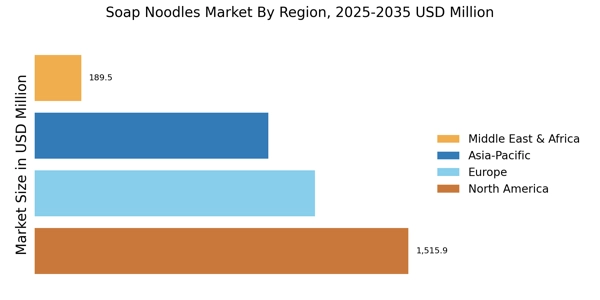
북미: 혁신의 시장 리더
북미 비누면 시장은 친환경 제조 관행을 장려하는 엄격한 규제와 함께 천연 및 유기농 제품에 대한 소비자 수요가 증가함에 따라 주도되고 있습니다. 이 지역은 약 40%로 가장 큰 시장 점유율을 차지하고 있으며, 두 번째로 큰 지역은 유럽으로 약 30%입니다. Clean Water Act와 같은 규제 촉매제는 환경 표준 준수를 보장함으로써 시장 성장을 더욱 강화합니다. 이 지역의 주요 국가로는 Procter & Gamble 및 Colgate-Palmolive와 같은 주요 업체가 시장을 장악하고 있는 미국과 캐나다가 있습니다. 경쟁 환경은 제품 구성과 지속 가능한 관행의 혁신이 특징입니다. 기업들은 생분해성 및 저자극성 비누면에 대한 소비자 선호도를 충족하기 위해 R&D에 점점 더 집중하고 있으며 강력한 시장 입지를 확보하고 있습니다.
유럽: 지속 가능성 및 규정 준수에 중점
유럽의 비누면 시장은 지속 가능성과 환경 규제 준수를 크게 강조하는 것이 특징입니다. 이 지역은 친환경 제품에 대한 소비자 선호와 엄격한 EU 규정에 힘입어 약 30%의 상당한 시장 점유율을 차지하고 있습니다. 유럽화학물질청(ECHA)은 안전한 사용을 장려하는 REACH 규정을 시행했습니다.약, 시장 성장을 더욱 촉진합니다. 유럽의 주요 기업으로는 지속 가능한 제품 개발을 주도하고 있는 Unilever와 Henkel AG가 있습니다. 독일과 영국과 같은 국가는 생분해성 비누면의 혁신을 장려하는 경쟁 환경에서 선두에 있습니다. 시장은 건강을 생각하고 환경 친화적인 제품을 원하는 소비자 트렌드에 맞춰 천연 성분으로의 전환을 목격하고 있습니다.
아시아 태평양: 수요가 많은 신흥 시장
아시아태평양 지역은 도시화와 가처분 소득 증가로 인해 비누면 시장의 강자로 급부상하고 있다. 이 지역은 약 25%의 시장 점유율을 차지하고 있으며, 인도와 중국과 같은 국가가 수요를 주도하고 있습니다. 개인 위생에 대한 인식 증가와 프리미엄 비누 제품으로의 전환은 제조업 부문을 장려하는 우호적인 정부 정책에 힘입어 중요한 성장 동력이 되었습니다. 인도는 Godrej Consumer Products Limited와 같은 회사가 생산 능력에 상당한 투자를 하는 등 핵심 기업으로 두각을 나타내고 있습니다. 경쟁 환경은 Kao Corporation 및 Reckitt Benckiser를 포함한 현지 및 국제 플레이어가 혼합되어 있습니다. 이 지역에서는 다양한 소비자 선호도에 부응하고 시장 역학을 강화하는 혁신적인 맞춤형 비누면 제조에 대한 수요가 급증하고 있습니다.
중동 및 아프리카: 아직 개척되지 않은 잠재력과 성장
중동 및 아프리카 지역은 개인 위생 제품에 대한 소비자 인식 및 수요 증가로 인해 비누면 시장에서 아직 개발되지 않은 잠재력을 제시합니다. 현재 시장점유율은 5% 내외이며, 도시화와 경제발전이 진행됨에 따라 상당한 성장이 예상된다. 규제 프레임워크는 점차적으로 발전하여 시장 확장에 중요한 현지 제조 및 지속 가능성을 촉진하고 있습니다. 이 지역의 주요 국가로는 남아프리카 공화국과 UAE가 있으며, 현지 제조업체가 거점을 마련하기 시작했습니다. 경쟁 구도는 여전히 발전 중이며, 현지 및 국제 기업 모두가 혁신하고 시장 점유율을 확보할 수 있는 기회를 제공합니다. 기업들은 다양한 소비자층의 요구를 충족하기 위해 저렴하고 품질이 뛰어난 비누 국수에 집중하고 있으며 미래 성장을 위한 발판을 마련하고 있습니다.
주요 기업 및 경쟁 통찰력
비누 국수 시장은 현재 지속 가능한 고품질 개인 위생 제품에 대한 소비자 수요 증가로 인해 역동적인 경쟁 환경이 특징입니다. Kao Corporation(일본), Procter & Gamble(미국), Unilever(GB)와 같은 주요 기업은 혁신과 지속 가능성에 초점을 맞춘 전략적 이니셔티브를 통해 적극적으로 시장을 형성하고 있습니다. Kao Corporation(일본)은 친환경 제제를 강조하고 제품 효능을 높이기 위해 R&D에 막대한 투자를 해 왔으며, Procter & Gamble(미국)은 광범위한 유통 네트워크를 활용하여 신흥 시장에 진출했습니다. Unilever(GB)는 공급망 전체에서 탄소 배출량을 줄이는 것을 목표로 하는 지속 가능성에 대한 헌신으로도 유명하며, 이를 통해 환경을 생각하는 소비자들 사이에서 유리한 위치를 점하고 있습니다. 종합적으로 이러한 전략은 제품 차별화와 지속 가능성을 우선시하는 경쟁 환경을 조성하여 시장 역학에 영향을 미칩니다. 비즈니스 전술 측면에서 기업은 비용을 절감하고 공급망 효율성을 높이기 위해 제조를 점점 더 현지화하고 있습니다. 이 접근 방식은 비누 국수 시장 수요와 관련된 위험을 완화할 뿐만 아니라 비누 국수 시장은 여러 주요 플레이어가 상당한 시장 점유율을 보유하고 있는 가운데 적당히 조각난 것으로 보입니다. 이들 기업은 시장 입지와 운영 역량을 강화하기 위해 전략적 파트너십과 협력을 하고 있기 때문에 이들 기업의 집단적 영향력은 상당합니다.
8월에 Henkel AG & Co. KGaA(독일)는 선도적인 기업과의 전략적 파트너십을 발표했습니다.지속가능한 팜유비누면 생산을 강화하기 위한 공급업체입니다. 이러한 움직임은 헨켈의 지속가능성 목표에 부합하고 윤리적 소싱에 관해 점점 커지는 소비자의 우려를 해결한다는 점에서 중추적입니다. 지속 가능한 관행을 공급망에 통합함으로써 헨켈은 브랜드 평판을 강화할 뿐만 아니라 환경을 고려한 시장 부문의 선두주자로 자리매김합니다.
9월에 Colgate-Palmolive Company(미국)는 환경 친화적인 개인 관리 제품에 대한 수요 증가를 목표로 새로운 생분해성 비누면 라인을 출시했습니다. 이 이니셔티브는 지속 가능성과 혁신을 향한 업계 내 광범위한 추세를 반영합니다. 생분해성 옵션을 도입함으로써 Colgate-Palmolive는 소비자의 기대를 충족할 뿐만 아니라 경쟁업체와 차별화되어 잠재적으로 친환경 부문에서 더 큰 시장 점유율을 확보할 수 있습니다.
10월 Reckitt Benckiser Group plc(GB)는 개인화된 마케팅을 통해 소비자 참여를 향상시키는 것을 목표로 하는 최신 디지털 혁신 전략을 공개했습니다. 이 이니셔티브는 데이터 분석을 활용하여 특정 소비자 선호도에 맞게 제품 제공을 맞춤화하고 이를 통해 브랜드 충성도를 높인다는 점에서 매우 중요합니다. 디지털 도구를 마케팅 전략에 통합하는 것은 보다 소비자 중심적인 접근 방식으로의 전환을 의미하며, 이는 비누 국수 시장의 경쟁 역학을 재정의할 수 있습니다.
10월 현재 비누 국수 시장의 현재 추세는 제품 개발 및 마케팅 전략에서 디지털화, 지속 가능성, 인공 지능 통합이 크게 강조되고 있음을 나타냅니다. 전략적 제휴를 통해 점점 더 경쟁 환경이 형성되고 있으며 이를 통해 기업은 자원과 전문 지식을 모아 보다 효과적으로 혁신할 수 있습니다. 앞으로 기업이 소비자의 변화하는 요구를 충족시키기 위해 노력함에 따라 경쟁 차별화는 전통적인 가격 기반 경쟁에서 혁신, 기술 발전 및 공급망 신뢰성에 중점을 두는 방향으로 발전할 가능성이 높습니다.
Soap Noodles Market 시장의 주요 기업은 다음과 같습니다



산업 발전
2023년 2월Temix Oleo SpA와 KLK OLEO로 알려진 자원 기반 제조 부문 산하 Kuala Lumpur Kepong Berhad의 자회사인 KLK Emmerich GmbH는 Temix Oleo의 지배 지분을 인수하기로 최종 계약을 체결했습니다. 이번 인수는 Temix Oleo가 지속 가능성과 혁신에 중점을 두고 제품 포트폴리오와 지리적 영역에서 계속 성장할 수 있는 기회입니다.
2022년 3월- KLK Oleo는 미국 뉴욕 주 우드버리에 새로운 영업 사무소를 개설하여 미주 지역으로 사업 영역을 확장했습니다. KLK Oleo Americas(KLKOA)는 미국, 캐나다 및 라틴 아메리카의 판매 및 마케팅을 감독합니다. 그리고 KLK Oleo 그룹 제품 포트폴리오에 대한 고객 관계를 지속적으로 유지하고 구축합니다.
2022년 9월- 3F산업이 사업장을 확장하였습니다.팜유인도 아루나찰프라데시주에 위치한 공장입니다. 회사는 또한 비누면 생산의 원료로 사용될 수 있는 프로젝트를 위해 120에이커의 토지를 구입했습니다.
비누면 시장
향후 전망
Soap Noodles Market 향후 전망
보고서 범위
| 시장 규모 2024 | 3789.69(USD Million) |
| 시장 규모 2025 | 3922.41(USD Million) |
| 시장 규모 2035년 | 5534.02(USD Million) |
| 복합 연간 성장률(CAGR) | 3.5% (2025 - 2035) |
| 보고서 범위 | 수익 예측, 경쟁 환경, 성장 요인 및 동향 |
| 기준 연도 | 2024 |
| 시장 예측 기간 | 2025 - 2035 |
| 과거 데이터 | 2019 - 2024 |
| 시장 예측 단위 | USD Million |
| 주요 회사 소개 | Kao Corporation(일본), Procter & Gamble(미국), Unilever(영국), Henkel AG & Co. KGaA(독일), Colgate-Palmolive Company(미국), Godrej Consumer Products Limited(인도), Reckitt Benckiser Group plc(영국), L'Oreal S.A.(프랑스), Ecolab Inc.(미국) |
| 해당 세그먼트 | 소스, 애플리케이션, 지역 - 2035년까지의 세계 예측 |
| 주요 시장 기회 | 지속 가능하고 생분해성 비누면에 대한 수요 증가는 비누면 시장에서 수익성 있는 기회를 제공합니다. |
| 주요 시장 역학 | 천연 성분에 대한 수요 증가는 비누 국수 시장에서 혁신과 경쟁을 주도합니다. |
| 해당 국가 | 북미, 유럽, APAC, 남미, MEA |
시장 하이라이트
FAQs
How does Indonesia's B60 biodiesel mandate affect soap noodle procurement strategies?
The B60 mandate diverts roughly 6 million MT of palm oil annually from oleochemical use, tightening supply and elevating spot prices. Buyers should consider multi-year fixed-price contracts or diversify sourcing to coconut and tallow-based alternatives [13].
What TFM specification should buyers target for premium personal care soap applications?
Premium cosmetic soap bars typically require soap noodles with TFM above 78%, ensuring superior lather density and skin feel. Grades below 74% TFM are generally reserved for laundry and industrial applications [9].
How do EUDR traceability requirements change supplier qualification criteria?
Suppliers must now provide geo-tagged plantation-level origin data for every palm-oil-derived shipment entering the EU. Buyers should prioritize RSPO-certified producers with blockchain-enabled documentation systems [6].
What cost premium should buyers expect for RSPO-certified soap noodles over conventional grades?
Certified palm oil soap noodles typically carry a 3–5% premium over conventional equivalents. This premium has narrowed from 6–8% in 2022 as certified supply volumes have expanded [15].
Which feedstock alternatives offer the best cost-performance balance when the palm oil supply tightens?
Coconut oil delivers comparable lather and hardness profiles at a 10–15% cost premium, while tallow offers cost parity but faces consumer perception challenges in personal care applications [18].
How are B2B e-commerce platforms changing the Soap Noodles Market for small-batch buyers?
Online platforms reduce intermediary markups by 6–9% and offer lot sizes as small as 5 MT, enabling artisanal soap makers to access fatty acid soap noodles previously available only through bulk contracts [19].
What role does the neutralization production process play in improving soap noodle quality consistency?
Neutralization offers tighter control over TFM, color, and odor profiles compared to traditional saponification. Producers investing in continuous neutralization lines report batch rejection rates 30–40% lower than conventional methods [20].
저자
Author

Chitranshi Jaiswal

Research Approach
Secondary Research
The secondary research process involved comprehensive analysis of regulatory databases, industry publications, chemical manufacturing reports, and authoritative personal care/cleansing industry organizations. Key sources included the US Food & Drug Administration (FDA), European Chemicals Agency (ECHA), US Environmental Protection Agency (EPA), Occupational Safety and Health Administration (OSHA), International Association for Soaps, Detergents and Maintenance Products (A.I.S.E.), American Cleaning Institute (ACI), Personal Care Products Council (PCPC), National Institutes of Health (NIH) PubMed, US Census Bureau Manufacturing Data, Eurostat Chemical Industry Statistics, World Trade Organization (WTO) Trade Statistics, United Nations Comtrade Database, International Trade Centre (ITC) Market Analysis, Malaysian Palm Oil Board (MPOB), Indonesian Palm Oil Association (GAPKI), US Department of Agriculture (USDA) Foreign Agricultural Service, and national chemical industry associations from key manufacturing hubs. These sources were used to collect production statistics, regulatory compliance data, raw material pricing trends, trade flow analysis, and competitive landscape assessment for vegetable oil-based soap noodles, tallow-based soap noodles, and specialty fatty acid formulations.
Additional authoritative sources included Soap and Detergent Association (SDA) technical publications, Cosmetics & Toiletries regulatory databases, REACH registration dossiers, OECD Chemical Safety Reports, Asian Oleochemicals Manufacturers Group (AOMG) industry data, Society of Cosmetic Chemists (SCC) journals, and government trade ministries from Indonesia, Malaysia, India, and Brazil as leading soap noodle manufacturing countries.
Primary Research
Primary research included conducting in-depth interviews with both supply- and demand-side players to glean quantitative and qualitative data. Representatives from the supply side included the chief executive officers, vice presidents of manufacturing, heads of procurement, directors of research and development, and managers of regulatory affairs from companies that make soap noodles, oleochemicals, and specialty chemicals. On the demand side, we heard from cosmetics and personal care companies' heads of quality control, supply chain managers, contract manufacturers (CMOs), and directors of procurement. The market segmentation was confirmed through primary research, which also corroborated the expansion timetables and produced insights into raw material sourcing strategies, pricing volatility management, trends in sustainable palm oil certification, and the dynamics of formulation shifts between tallow and vegetable-based feedstocks.
Primary Respondent Breakdown:
Table
Copy
Category Segment Percentage
By Company Tier Tier 1 (>USD 5B revenue) 38%
Tier 2 (USD 500M-5B revenue) 31%
By Designation C-level Executives 32%
Director Level 33%
Others (Managers, Specialists, Consultants) 35%
By Region Asia-Pacific 42%
Europe 24%
North America 22%
Rest of World (Latin America, Middle East, Africa) 12%
Market Size Estimation
Global market valuation was derived through production capacity mapping and volume-price analysis across the value chain. The methodology included:
Identification of 50+ key manufacturers across Malaysia, Indonesia, India, Brazil, Europe, and North America
Product mapping across vegetable oil-based (palm oil, palm kernel oil, coconut oil), tallow-based, and specialty fatty acid soap noodle categories
Analysis of reported and modeled annual production volumes specific to soap noodle manufacturing capacities
Coverage of manufacturers representing 75-80% of global market share in 2024
Feedstock cost modeling integrating palm oil futures, tallow pricing, and coconut oil market fluctuations
Extrapolation using bottom-up (production volume × average selling price by region/grade) and top-down (manufacturer revenue validation, trade data cross-verification) approaches to derive segment-specific valuations and regional market splits
The estimation framework incorporated oleochemical industry production statistics, soap bar manufacturing output data, import-export trade flows from major producing nations, and capacity utilization rates across Malaysian and Indonesian manufacturing hubs to ensure robust market sizing with ±5% margin of error.
This methodology maintains the structural integrity of your dermal fillers template while adapting sources and respondent profiles to the soap noodles industry's oleochemical supply chain dynamics and regional manufacturing concentration.
무료 샘플 다운로드
이 보고서의 무료 샘플을 받으려면 아래 양식을 작성하십시오
Customer Stories

“This is really good guys. Excellent work on a tight deadline. I will continue to use you going forward and recommend you to others. Nice job”

Noah Malgeri
Co-Founder

“Thanks. It’s been a pleasure working with you, please use me as reference with any other Intel employees.”

Joseph Aguayo
Sales Operations & Pricing Manager

“Thanks for sending the report it gives us a good global view of the Betaïne market.”

Peter Groot koerkamp
Account and Business Manager

“Thank you, this will be very helpful for OQS.”

La Terria Dodd
Program Support Specialist

“We found the report very insightful! we found your research firm very helpful. I'm sending this email to secure our future business.”

Younghwan Choi
Senior Retail Manager

“I am very pleased with how market segments have been defined in a relevant way for my purposes (such as "Portable Freezers & refrigerators" and "last-mile"). In general the report is well structured. Thanks very much for your efforts.”

Mark Irwin
Management Consultant

“I have been reading the first document or the study, ,the Global HVAC and FP market report 2021 till 2026. Must say, good info! I have not gone in depth at all parts, but got a good indication of the data inside!”

Rob Kooiker
Group Product Manager HVAC & Fire Protection GMA

“We got the report in time, we really thank you for your support in this process. I also thank to all of your team as they did a great job.”

Akif Moroglu
Strategy & Business Development Director

“The Automotive 48V ECU Components Procurement Intelligence Study” was a complex project, but the Market Research Future (MRFR) team handled it with quality, agility, and customer-centricity. They delivered all requested data on time and within the agreed scope. The team, including Shubhendra Anand and Rahul Gotadki, was always readily available to clarify questions and swiftly implement necessary adjustments, driving the project to a successful conclusion within a very demanding timeframe.
I would also like to specifically commend Akshay Agarwal for his responsiveness and support at every stage—from our initial inquiry on May 6th through to final delivery on June 18th. His dedication made the entire process seamless.”

Guilherme Gomes Martins
Product Management Director

사례 연구
Aerospace & Defense
.webp?v=1787579595)
