Download Free Sample
Kindly complete the form below to receive a free sample of this Report
Almond Market Research Report by Product (Almond Flour, Almond Milk, Almond Oil (Sweet, Bitter), Almond Hulls and Shells, Whole Almonds, Sliced Almonds, Diced Almonds, Almond Butter, Almond Paste, Roasted, Salted, Others), by Application (Food & Beverage, Cosmetics & Personal Care, Pharmaceuticals, Animal Feed), by Distribution Channel (Retail, E-Commerce, Wholesale Bulk, Direct-to-Consumers), by Category (Organic, Conventional), By Region - Forecast to 2035
As per Market Research Future analysis, the Almond Market Size was estimated at USD 24,184.27 Million in 2024. The Almond Market industry is projected to grow from USD 25,274.98 Million in 2025 to 39,288.85 USD Million by 2035, exhibiting a compound annual growth rate (CAGR) of 4.51% during the forecast period 2025 - 2035.
The Almond Market is experiencing reflect strong growth fueled by health-conscious consumers and plant-based innovations.
| 2024 Market Size | 24,184.27 (USD Million) |
| 2035 Market Size | 39,288.85 (USD Million) |
| CAGR (2025 - 2035) | 4.51% |
The Almond Market has experienced significant expansion over the past decade, driven by increasing consumer interest in plant-based and health-oriented products. Almonds are processed into a wide range of products including milk, flour, oil, butter, and paste, which are used across food and beverage, personal care, pharmaceutical, and animal feed industries. The market reflects changing dietary habits, rising awareness about nutritional benefits, and growing preference for natural and clean-label ingredients. This report provides a detailed analysis of the Almond Market, incorporating both qualitative trends and quantitative metrics to evaluate opportunities, challenges, and future growth prospects across regions and segments. The Almond Market is significantly affected by the broader economic environment, especially GDP trends, inflation, and currency fluctuations.
In 2025, patchy economic recovery in North America and Europe, persistent inflation in emerging Asian and African markets, and currency devaluations in key importing countries have led buyers to recalibrate purchasing strategies and negotiate shorter supply contracts. The almond industry faced an intense turn of events in 2025. A 23% surge in global almond supply, increasing it to 1.79 million tons happened simultaneously with a new wave of tariffs from significant global economies including the U.S., EU, and China, disrupting trade routes. This affected key almond producing regions, California, which provides 80% of the almond supply globally, nearly sold out, while Australia exported more almonds than it produced. In Spain, heavy rainfall waterlogged the orchards, and buyers were left recalculating landed costs across the globe.
Almonds and their derivatives are now integral not only in traditional food and beverage sectors but also in cosmetics, pharmaceuticals, animal nutrition, and even specialized industrial uses. The plant-based movement has also reinforced almond milk, butter, and yogurt as mainstream dairy substitutes globally. Nevertheless, outside of the food space, almonds are experiencing healthy development in the beauty and wellness category. Almond oil is considered as an emollient and anti-aging compound enabling it to be used in cosmetic products as hair and skin care products. Research has supported its effectiveness in terms of moisturizing and promoting epidermal health which has further led to its rise in use in high end natural cosmetics. Pharmaceutical manufactures use the anti-oxidative and anti-inflammatory effects of almond oils in medical formulations involving skin ailments and cardiac health issues, which goes hand in hand with consumer confidence rising regarding plant-based makeup.
Growing awareness of the nutritional benefits of almonds is a powerful driver for the Almond Market. Almonds are highly nutritious, offering a rich source of healthy monounsaturated fats, protein, fiber, and essential micronutrients like vitamin E, magnesium, and manganese. For example, just one ounce (about 23 almonds) provides nearly 50% of the daily value of vitamin E, a potent antioxidant that helps reduce inflammation and supports skin health. This nutrient density makes almonds attractive to consumers seeking natural, nutrient-rich foods that contribute to overall wellness Customs Duty (BCD), while six essential medicines now benefit from a concessional duty rate of 5%.
The increasing demand for plant-based products is a significant driver for the global almond products market, propelled by changing consumer preferences toward healthier and more sustainable food choices. Almond-derived products such as almond milk, almond flour, almond butter, and almond-based snacks are increasingly favored for their nutritional benefits and alignment with vegan, vegetarian, and lactose-free diets. For example, almond milk sales in the United States reached 1.55 billion as of July 2024, reflecting substantial year-over-year growth, and almond milk accounted for 18% of the plant-based milk market in Germany in 2023, up from 17% in 2022. This demonstrates a strong consumer shift from traditional dairy to plant-based alternatives driven by health consciousness and food intolerance concerns such as lactose intolerance.
On the basis of Application, the Global almonds market is segmented into food & beverage, Cosmetics & Personal Care, Pharmaceuticals, Animal Feed. Food and Beverages section is expected to drive the almonds market globally, mostly due to the rising concern of consumers leaning more towards health and nutrition through plant-based ingredients. The use of almonds within different product forms is high due to their rich nutritional profile, featuring protein and fiber content, high vitamin E levels, and valuable fats. The greater variety of the segment goes into snacks, which include raw, roasted, salted, or seasoned almonds, which can easily be considered quick and healthy snacking options.
On the basis of technology, the Global almonds market is segmented retail, e-commerce, wholesale bulk, and direct-to-consumer. There is a growing demand trend among consumers for such healthy, natural, and plant-based food products. Retail segments are then becoming the major source for the distribution of almonds around the world. Well-acknowledged for their nutritional benefits and versatility, almonds gain momentum across a growing number of retail storefronts worldwide in many different formats, catering toward end consumers and providing convenience, accessibility, and variety. E-commerce makes an admirable attendance for consumers to compare prices, read about the items, and just order right from their abode. In this manner, almonds are made more approachable for consumers. Very much the urban tech-savvy consumers, in terms of the millennials and Gen Z, are mainly concerned about nutrition transparency and convenience.
On the basis of product Type, global almonds market, which are classified based on their food, beverage, cosmetic, and industrial applications. Some of these are whole, sliced, diced, roasted, salted almonds, almond flour, almond butter, almond paste, and almond milk for the health-conscious consumer. Other niche products or blends of almonds available under the "Others" segment are supportive of the trend to innovate and be sustainable. Consumer understanding of clean-label and functional drinks is, thus, very key in determining the momentum of growth in the almond milk bracket of products. Most claims of almond milk are on the premise that it is a naturally cholesterol-free, lactose-free, and low-calorie alternative to cow's milk, but content varies from one brand to another in terms of formulations because the ratios of almonds to water differ greatly. Whole almonds are among the most eaten and commercialized tree nuts around the globe owing to their nutritional benefits, rich historical backdrops, and various uses across food, cosmetics, and pharmaceuticals.
Based on category, the global almonds market is segmented into organic and conventional categories, reflecting varying consumer preferences and production practices. In terms of global almond production and consumption, the conventional category can be described as an important fraction of total almonds. Conventional almonds are produced by conventional farming methods, which usually include the extensive use of synthetic fertilizers, pesticides, and other agrochemicals to maximize yield and protect them from pests and diseases. Being the most available one at an economical price, it also provides scalability of production, thus reaching many thousands of consumers and companies engaged in the food business. Organic almonds are cultivated according to agricultural practices focusing on the well-being of the environment, soil life, and human well-being. Use of pesticides, herbicides, synthetic fertilizers, and genetically modified organisms is strictly forbidden.
North America: increased almond consumption
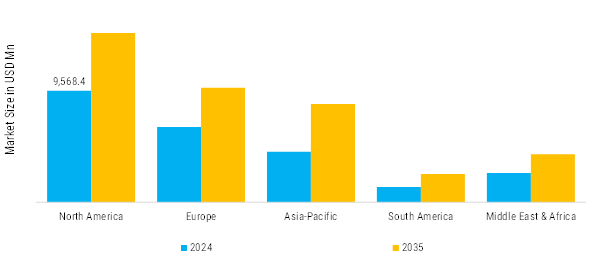
North America boasts an almond market that is both mature and fully developed. In terms of domestic demand, almond consumption is very high, and the production base is globally significant. North America and, most particularly, the state of California, have a major share of the global market as far as almonds are concerned. California produces more than 80% of the total almonds in the world and more than 30 different cultivars of almonds, although just 10 are economically important for commercial production. Almonds find application in a multitude of food categories, including dairy alternatives, bakery, beverages, and ready-to-eat snacks.
Europe: Emerging Almond Market
Prominent changes have been witnessed in the European almond market during the recent seasons owing to erratic import trends, common production challenges in countries, and changing trade dynamics. In the 2023/2024 season, almond imports into the EU decreased greatly, signalling a correction of the market and limitations on the supply side. As of the current season, approximately 120,215 metric tons of almonds worth EUR 477 million (USD 515 million) have been imported into the EU, over 20% lower than the previous season's 152,713 metric tons worth EUR 620 million (USD 670 million). This marks the lowest import volume in five years and the lowest import value in twelve years, which is significant in indicating the slowdown of sourcing from external sources.
Asia-Pacific: Rapidly Growing Almond Sector
The almond market in the Asia-Pacific region is growing by leaps and bounds with increasing health consciousness and disposable income, and the expanding middle class across countries like China, India, Japan, and Australia. Almonds are emerging as an even more preferred healthy snacking option, given their nutritional profile, especially high protein, high fiber, and good fats. The trend is driven by heavy marketing activities, increasing urbanization, and a substantial shift towards plant-based eating in several regional economies. Almonds are a very important dry fruit in India, culturally and nutritionally, being incorporated into festivities and traditional diets. Thus, consumption is also growing in popularity due to the awareness of health benefits and demand for premium dry fruits. India remains one of the largest importers of almonds, mainly from the United States and Australia, to satisfy domestic demand. The country has witnessed several product launches in the arena of almonds, like almond milk, almond butter, and flour.
Middle East and Africa: Emerging Almond Frontier
The demand for almonds has been steady across the Middle East and Africa (MEA) region, especially in the United Arab Emirates, Saudi Arabia, and South Africa. The emerging demand is for food products with nutritional benefits. Almonds figure prominently in Middle Eastern cuisine and desserts like baklava and almond-stuffed dates, which are now resonating with health-food trends. Consumer trends in the MEA region are slanting toward functional foods and healthy snacking; thus, demand will be favorably impacted for raw, roasted, and processed almonds.
South America: Rapidly Develop Almond
The almond market in South America is defined by growing consumer demand and gradual increments in local production. Almonds have increased in popularity with health-conscious dietary trends, growing disposable incomes, and increased brand awareness due to various marketing campaigns throughout the continent. Among the prominent markets in the region, one has observed drastic growth in almond imports. In FY 2020/21 (August–July), U.S. almond exports to this market grew by 25% compared to the previous year, to 30.2 million pounds. The growth corresponds with the continued marketing efforts funded by the Almond Board of California since 2018, thereby contributing to consumer interest, especially for shelled almonds, which constitute a large share of total almond imports. Other products, such as roasted almonds and in-shell almonds, contribute to the demand.
Many global, regional, and local vendors characterize the Almond Market. The market is highly competitive, with all the players competing to gain market share. Intense competition, rapid advances in technology, frequent changes in government policies, and environmental regulations are key factors that confront market growth. The vendors compete based on cost, product quality, reliability, and government regulations. Vendors must provide cost-efficient, high-quality products to survive and succeed in an intensely competitive market.
The major players in the market include include Blue Diamond growers, Treehouse California Almonds LLC, Barry Callebaut, Royal Nut Company, Olam Group Limited, Harris Woolf Almonds, Almondco Australia, Borges Agricultural & Industrial Nuts, Select Harvest Limited, and Mariani Nut Company. The Almond Market is a consolidated market due to increasing competition, acquisitions, mergers, and other strategic market developments and decisions to improve operational effectiveness.
The Almond Market is projected to grow at a 4.51% CAGR from 2025 to 2035, driven by growing geriatric population and technological advancements.
New opportunities lie in:
The almond market size & growth continues to expand steadily as almonds gain popularity across snacks, bakery, beverages, and plant-based food applications, supported by rising health awareness and premium positioning. The global almond demand forecast remains positive, driven by increasing consumption in both developed and emerging economies, particularly for natural, organic, and value-added almond products. Key almond supply chain trends include greater focus on sustainable farming practices, water-efficient cultivation, mechanization, and diversification of sourcing to manage climate and yield risks. In the almond milk vs dairy market, almond milk continues to gain share as consumers opt for lactose-free, lower-calorie, and plant-based alternatives, contributing to the broader shift toward dairy substitutes. Meanwhile, the almond prices market update reflects ongoing volatility influenced by weather conditions, production costs, and global demand fluctuations, directly affecting pricing strategies across food and beverage industries.
| Market Size 2024 | 24,184.27 (USD Million) |
| Market Size 2025 | 25,274.98 (USD Million) |
| Market Size 2035 | 39,288.85 (USD Million) |
| Compound Annual Growth Rate (CAGR) | 4.51% (2025 - 2035) |
| Report Coverage | Revenue Forecast, Competitive Landscape, Growth Factors, and Trends |
| Base Year | 2024 |
| Market Forecast Period | 2025 - 2035 |
| Historical Data | 2019 - 2023 |
| Market Forecast Units | USD Million |
| Key Companies Profiled | THERMO Fisher Scientific Inc, Qiagen, Merck KGAA, Sartorius Ag, F. Hoffmann-La Roche Ltd., Agilent Technologies Inc., ILLUMINA, INC, Agilent Technologies Inc., Axion Biosystems, Inc, And Others |
| Segments Covered | · By Product · By Application Outlook · By Distribution Channel · By Category |
| Key Market Opportunities | Surge in almond-based protein for sports nutrition Online Retail Growth Growing Demand for Milk Alternatives |
| Key Market Dynamics | · Increasing Demand for Plant-Based Products · Growing Awareness of Nutritional Benefits · Expansion In End‑Use Applications |
| Regional Covered | Blue Diamond growers, Treehouse California Almonds LLC, Barry Callebaut, Royal Nut Company, Olam Group Limited, Harris Woolf Almonds, Almondco Australia, Borges Agricultural & Industrial Nuts, Select Harvest Limited, and Mariani Nut Company. |



Kindly complete the form below to receive a free sample of this Report

“This is really good guys. Excellent work on a tight deadline. I will continue to use you going forward and recommend you to others. Nice job”


“Thanks. It’s been a pleasure working with you, please use me as reference with any other Intel employees.”


“Thanks for sending the report it gives us a good global view of the Betaïne market.”


“Thank you, this will be very helpful for OQS.”


“We found the report very insightful! we found your research firm very helpful. I'm sending this email to secure our future business.”


“I am very pleased with how market segments have been defined in a relevant way for my purposes (such as "Portable Freezers & refrigerators" and "last-mile"). In general the report is well structured. Thanks very much for your efforts.”


“I have been reading the first document or the study, ,the Global HVAC and FP market report 2021 till 2026. Must say, good info! I have not gone in depth at all parts, but got a good indication of the data inside!”


“We got the report in time, we really thank you for your support in this process. I also thank to all of your team as they did a great job.”


“The Automotive 48V ECU Components Procurement Intelligence Study” was a complex project, but the Market Research Future (MRFR) team handled it with quality, agility, and customer-centricity. They delivered all requested data on time and within the agreed scope. The team, including Shubhendra Anand and Rahul Gotadki, was always readily available to clarify questions and swiftly implement necessary adjustments, driving the project to a successful conclusion within a very demanding timeframe.
I would also like to specifically commend Akshay Agarwal for his responsiveness and support at every stage—from our initial inquiry on May 6th through to final delivery on June 18th. His dedication made the entire process seamless.”



