Rising Energy Efficiency Demand
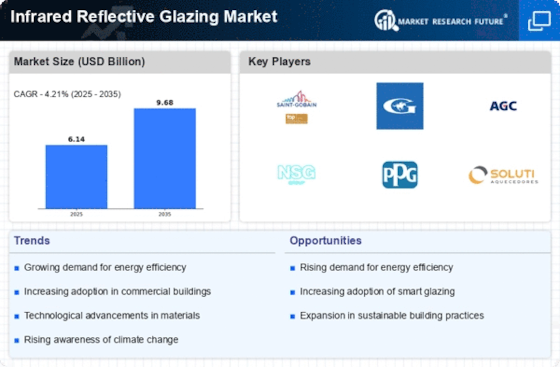
The increasing emphasis on energy efficiency in building designs appears to be a primary driver for the Infrared Reflective Glazing Market. As energy costs continue to rise, both residential and commercial sectors are seeking solutions that minimize energy consumption. Infrared reflective glazing offers a viable option by reducing heat gain, thereby lowering air conditioning costs. According to recent data, buildings equipped with such glazing can achieve energy savings of up to 30%. This trend is likely to continue as more stakeholders recognize the long-term financial benefits associated with energy-efficient building materials. Consequently, the demand for infrared reflective glazing is expected to grow, driven by both consumer preferences and regulatory incentives aimed at promoting energy conservation.
Increased Awareness of Indoor Comfort
The growing awareness of indoor comfort and its impact on productivity is influencing the Infrared Reflective Glazing Market. As organizations and homeowners prioritize environments that enhance well-being, the demand for materials that regulate temperature and reduce glare is rising. Infrared reflective glazing plays a crucial role in maintaining a comfortable indoor climate by reflecting unwanted heat while allowing natural light to penetrate. This balance not only improves comfort but also contributes to higher productivity levels in workplaces. Market data suggests that the adoption of such glazing solutions can lead to a 15% increase in employee satisfaction, further driving its acceptance in both commercial and residential applications.
Technological Innovations in Glazing Solutions
Technological advancements in glazing solutions are propelling the Infrared Reflective Glazing Market forward. Innovations such as low-emissivity coatings and advanced manufacturing techniques have enhanced the performance characteristics of infrared reflective glazing. These developments enable better thermal insulation and UV protection, making the products more appealing to consumers. Recent statistics indicate that the market for advanced glazing technologies is projected to grow at a compound annual growth rate of 7% over the next five years. This growth is likely to be fueled by ongoing research and development efforts aimed at improving the efficiency and functionality of glazing products, thereby expanding their applications across various sectors.
Growing Demand for Sustainable Building Materials
The rising demand for sustainable building materials is a key driver for the Infrared Reflective Glazing Market. As environmental concerns become more pronounced, consumers and businesses are actively seeking materials that minimize ecological impact. Infrared reflective glazing aligns with these sustainability goals by reducing energy consumption and enhancing the overall efficiency of buildings. Market trends suggest that the sustainable building materials sector is expected to grow at a rate of 8% annually, with infrared reflective glazing being a significant contributor. This shift towards sustainability is likely to encourage manufacturers to innovate and expand their product offerings, thereby increasing the availability and variety of infrared reflective glazing solutions.
Regulatory Frameworks Promoting Energy Efficiency
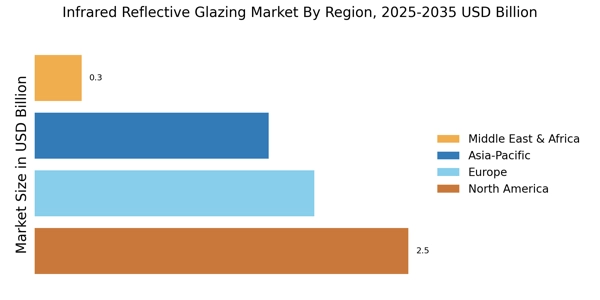
The establishment of regulatory frameworks that promote energy efficiency is significantly impacting the Infrared Reflective Glazing Market. Governments worldwide are implementing stringent building codes and standards that require the use of energy-efficient materials in construction. These regulations often include incentives for using infrared reflective glazing, which is recognized for its ability to reduce energy consumption. As a result, builders and architects are increasingly incorporating these materials into their designs to comply with regulations and meet sustainability goals. Market analysis indicates that regions with robust energy efficiency policies are witnessing a surge in the adoption of infrared reflective glazing, further solidifying its position in the construction industry.


















Leave a Comment