Rising Demand for Water Supply Systems
The increasing global population and urbanization trends are driving the demand for efficient water supply systems. As cities expand, the need for reliable infrastructure becomes paramount. Plastic Pipes Market is witnessing a surge in demand for pipes that can withstand varying environmental conditions while ensuring the safe transport of water. According to recent estimates, the water supply sector is projected to grow at a compound annual growth rate of approximately 5% over the next few years. This growth is likely to be fueled by investments in new water treatment facilities and distribution networks, which are essential for meeting the needs of growing urban populations. Consequently, manufacturers in the Plastic Pipes Market are focusing on developing innovative solutions that enhance durability and reduce leakage, thereby improving overall efficiency.
Increased Focus on Sustainable Practices
Sustainability has become a critical focus for industries worldwide, including the Plastic Pipes Market. The shift towards eco-friendly materials and practices is evident as companies seek to reduce their carbon footprint. The demand for recycled plastic pipes is on the rise, as they offer a sustainable alternative to traditional materials. Recent data indicates that the market for recycled plastic pipes is expected to grow significantly, driven by regulatory pressures and consumer preferences for environmentally responsible products. This trend not only supports environmental goals but also presents economic opportunities for manufacturers who can innovate in this space. As a result, the Plastic Pipes Market is likely to see an increase in the adoption of sustainable materials and practices, aligning with broader global sustainability initiatives.
Regulatory Support for Plastic Pipe Usage
Regulatory frameworks are increasingly supporting the use of plastic pipes in various applications, which is positively impacting the Plastic Pipes Market. Governments are recognizing the advantages of plastic pipes, such as their longevity, low maintenance costs, and resistance to environmental factors. Recent regulations aimed at promoting the use of sustainable materials in construction are likely to bolster the demand for plastic pipes. Additionally, standards set by regulatory bodies regarding water quality and safety are encouraging the adoption of plastic pipes in water supply systems. This regulatory support not only enhances market confidence but also drives innovation within the Plastic Pipes Market, as manufacturers strive to meet evolving standards and consumer expectations.
Technological Innovations in Pipe Manufacturing
Technological advancements are reshaping the Plastic Pipes Market, leading to enhanced product performance and efficiency. Innovations such as advanced extrusion techniques and the use of smart materials are enabling manufacturers to produce pipes that are lighter, stronger, and more resistant to corrosion. The integration of technology in manufacturing processes is also streamlining production, reducing costs, and improving quality control. Recent reports suggest that the adoption of automation and digital technologies in manufacturing could increase productivity by up to 30% in the coming years. This shift not only benefits manufacturers but also enhances the overall reliability of plastic pipes in various applications, from residential plumbing to large-scale industrial projects. As technology continues to evolve, the Plastic Pipes Market is poised for significant transformation.
Growing Construction and Infrastructure Projects
The ongoing expansion of construction and infrastructure projects is a key driver for the Plastic Pipes Market. With governments and private sectors investing heavily in infrastructure development, the demand for durable and efficient piping solutions is escalating. Recent statistics indicate that the construction sector is expected to grow at a rate of 4% annually, with significant investments in water supply, sewage, and drainage systems. This growth is likely to be accompanied by an increased focus on using plastic pipes due to their lightweight nature and resistance to corrosion. As infrastructure projects continue to proliferate, the Plastic Pipes Market stands to benefit from the rising need for reliable piping solutions that can meet the demands of modern construction.
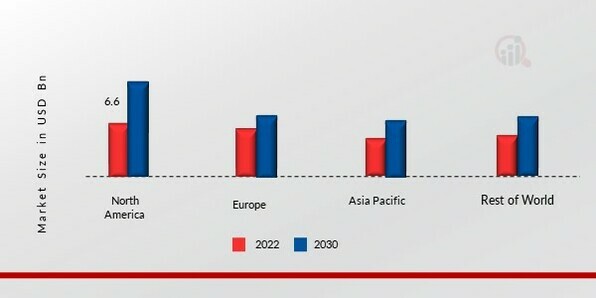 Source: Secondary Research, Primary Research, Market Research Future Database and Analyst Review