Increase in Obesity Rates
The rising obesity rates in the United States are contributing to the growth of the varicose veins-treatment market. Obesity is a known risk factor for developing varicose veins, as excess weight places additional pressure on the veins, leading to venous insufficiency. According to the Centers for Disease Control and Prevention (CDC), the obesity prevalence among U.S. adults was approximately 42.4% in 2017-2018, a figure that has likely increased. This trend suggests a corresponding rise in the incidence of varicose veins, prompting a greater need for treatment options. As healthcare providers address the complications associated with obesity, including varicose veins, the market is expected to expand to accommodate the growing patient population seeking effective interventions.
Rising Awareness of Venous Health
There is a notable increase in awareness regarding venous health among the U.S. population, which serves as a catalyst for the varicose veins-treatment market. Educational campaigns and initiatives by healthcare organizations have highlighted the importance of recognizing symptoms and seeking timely treatment. This heightened awareness is reflected in a growing number of patients consulting healthcare professionals for varicose veins. Reports indicate that approximately 30% of adults in the U.S. experience some form of venous insufficiency, yet many remain unaware of available treatment options. As more individuals become informed about the risks associated with untreated varicose veins, the demand for effective treatments is expected to rise, thereby positively impacting the market.
Aging Population and Varicose Veins
The aging population in the United States is a significant driver for the varicose veins-treatment market. As individuals age, the risk of developing varicose veins increases due to factors such as decreased elasticity of blood vessels and prolonged standing. According to the U.S. Census Bureau, by 2030, approximately 20% of the population will be over 65 years old, leading to a higher prevalence of venous disorders. This demographic shift suggests a growing demand for effective treatment options, thereby propelling the varicose veins-treatment market. Furthermore, older adults often seek medical intervention for symptomatic relief, which may include procedures like sclerotherapy or endovenous laser therapy. The increasing number of patients in this age group is likely to stimulate market growth as healthcare providers adapt to meet their needs.
Expansion of Healthcare Infrastructure
The expansion of healthcare infrastructure in the United States is a pivotal driver for the varicose veins-treatment market. Increased investment in healthcare facilities and services has improved access to specialized treatments for venous disorders. As more clinics and outpatient centers offer varicose veins treatments, patients are likely to seek care more readily. The establishment of dedicated vascular centers has also enhanced the quality of care, leading to better patient outcomes. Furthermore, the integration of advanced diagnostic tools and treatment modalities within these facilities is expected to attract more patients. This expansion not only facilitates timely intervention but also supports the overall growth of the varicose veins-treatment market, as healthcare providers strive to meet the rising demand.
Technological Advancements in Treatment Options
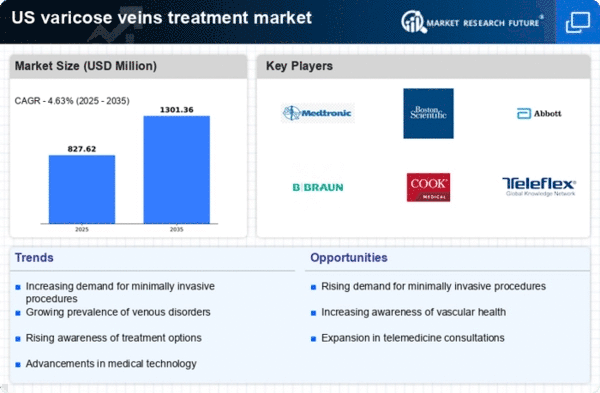
Technological advancements in treatment options are transforming the varicose veins-treatment market. Innovations such as radiofrequency ablation and laser therapy have emerged as effective alternatives to traditional surgical methods. These minimally invasive techniques offer reduced recovery times and lower complication rates, making them increasingly popular among patients. The market for these advanced treatments is projected to grow significantly, with estimates suggesting a compound annual growth rate (CAGR) of over 10% in the coming years. As healthcare providers adopt these technologies, patient satisfaction is likely to improve, further driving the demand for varicose veins treatments. The integration of technology into treatment protocols not only enhances outcomes but also positions the market for sustained growth.




















Leave a Comment