×
Request Free Sample ×

Kindly complete the form below to receive a free sample of this Report

* Please use a valid business email

Leading companies partner with us for data-driven Insights

clients tt-cursor
Hero Background

Bio Fuels Market

ID: MRFR/EnP/2157-CR
128 Pages
Anshula Mandaokar
September 2024

Marktforschungsbericht für Biokraftstoffe: Informationen nach Kraftstofftyp (Biodiesel und Ethanol), nach Rohstofftyp (erste, zweite und dritte Generation) und nach Regionen (Nordamerika, Europa, Asien-Pazifik, Mittlerer Osten & Afrika und Südamerika) - Prognose bis 2030

Teilen
Download PDF ×

We do not share your information with anyone. However, we may send you emails based on your report interest from time to time. You may contact us at any time to opt-out.

Bio Fuels Market Infographic
Purchase Options

Überblick über den Markt für Biokraftstoffe

Laut dem neuesten Forschungsbericht wird die Marktgröße für Biokraftstoffe von 2020 bis 2027 voraussichtlich mit einer jährlichen Wachstumsrate von 6,78 Prozent wachsen, mit einem Branchenwert von 190,6 Milliarden US-Dollar, so ein Bericht der International Energie-Agentur. Anaerobe Vergärung, landwirtschaftliche, gewerbliche, Haushalts- und Industrieabfälle tragen alle zur Produktion von Biokraftstoffen bei. Seine Anwendungen in der Infrastruktur- und Energieindustrie sind nahezu unbegrenzt. Infolgedessen bietet der Bericht eine umfassende Analyse der Branche, unter besonderer Berücksichtigung der Aspekte, die sich während des gesamten Prognosezeitraums auf die weltweite Bewertung auswirken werden.

Es ist möglich, Biokraftstoffe aus Pflanzen oder anaerober Vergärung mit verschiedenen Methoden herzustellen, einschließlich agronomischer, industrieller, Haushalts- und Industrieabfälle. Seine Anwendungen in der Energie- und Transportindustrie sind nahezu unbegrenzt. Um ein vollständiges Bild des weltweiten Marktpreises über den Prognosezeitraum zu erhalten, analysiert eine Marktstudie den gesamten Markt. Staatliche Vorschriften haben die steigende Nachfrage nach Biokraftstoffen in vielen wohlhabenden Ländern angeheizt, um Biokraftstoffe in Motorbenzin zu integrieren. Der Verbrauch erneuerbarer Energien im Straßenverkehr wird von Biokraftstoffen wie Ethanol und Biodiesel dominiert, die den größten Teil der Gesamtmenge ausmachen.

Dieser Bericht enthält alle Informationen zur globalen Marktanalyse für Biokraftstoffe und zu den Marktstärken. Der Bericht enthält auch den Höhepunkt von Dynamik, Segmentierung, Hauptakteuren, Regionalanalysen und anderen wesentlichen Faktoren. Eine detaillierte Analyse der globalen Marktprognose für Biokraftstoffe für 2030 ist ebenfalls in dem Bericht enthalten.

Covid-19-Analyse

Die durch Covid-19 verursachte Erosion der Nachfrage hat die weltweite Benzinindustrie erheblich beeinflusst. Pandemiebedingte Einschränkungen wie Work-from-Home-Richtlinien und andere Beschränkungen des öffentlichen Verkehrs führten zu erheblichen Reiseunterbrechungen. Infolge der weltweiten Sperrungen ging der Bedarf an Transportkraftstoffen weltweit erheblich zurück, was die Biokraftstoffe, mit denen sie gemischt werden, stark beeinflusst. Die Nachfrage-Angebotsmerkmale des Ölsektors führten auch zu einem Rückgang der Ölpreise, was der gesamten Biokraftstoffindustrie schadet und die Rentabilität von Biokraftstoffen beeinträchtigt.

Dynamik des Marktes

  • Treiber

Aufgrund der schnellen Erschöpfung der Ressourcen fossiler Brennstoffe, der steigenden Weltbevölkerung und strenger Umweltstandards, die auf den weltweit steigenden Bedarf an nachhaltiger grüner Energie reagieren, wird das Geschäft wachsen.

Biokraftstoffe werden nicht nur umfassend und wirtschaftlich genutzt, sondern finden auch eine Reihe anderer Verwendungszwecke in Branchen wie Automobil, Marine und Eisenbahn. Der weltweite Marktwert von Biokraftstoffen profitiert erheblich von den steigenden Anforderungen dieser Branchen, und dieser Trend wird sich voraussichtlich im gesamten prognostizierten Zeitraum fortsetzen und die Einnahmen hoch halten.

  • Chancen

Angesichts der Tatsache, dass Biodiesel ein nachhaltiger Kraftstoff ist, wird erwartet, dass der Markt für Biokraftstoffe im Prognosezeitraum rasch wachsen wird. Es wird geschätzt, dass insbesondere Biodiesel der am häufigsten verwendete Biokraftstoff ist, da sich die Automobilindustrie und der Globus in einem wichtigen Schritt für umweltfreundliche Entwicklungen in der Transportbranche befinden. Ein Bonus: Hochentwickelte flüssige Biokraftstoffe, die aus Rohstoffen wie Fetten, Lignozellulose und Altöl sowie Siedlungsabfällen gewonnen werden, wurden als wirtschaftlich machbare Möglichkeiten zur Reduzierung des CO2-Fußabdrucks von Verkehrssektoren wie Luftfahrt, Transport und Schifffahrt identifiziert.

  • Fesseln

Herausforderungen

Obwohl alternative Kraftstoffe auf den weltweiten Kraftstoffmärkten immer häufiger vorkommen, wird die Transportbranche hauptsächlich durch Öl kontrolliert, während der Wunsch nach Biokraftstoffen wächst. Die weltweite Dominanz von Öl als bedeutendem Fahrzeugkraftstoff ist trotz eines Rückgangs der Marktdominanz in den kommenden Jahren nicht gefährdet.

  • Analyse des kumulativen Wachstums

Im Jahr 2020 sollte der weltweite Markt für Biokraftstoffe die Kategorie Bioethanol dominieren, mit einer Marktdominanz von 71,3 Prozent. Die Verbrennung von Bioethanol verursacht weniger Umweltverschmutzung, da es aus biologischen Quellen stammt. Die Photosynthese ist das wichtigste Mittel, mit dem Pflanzen CO2 in Zucker und andere organische Verbindungen umwandeln, die ihr Wachstum unterstützen. Aufgrund seines Produktions- und Energieverbrennungsprozesses kann Bioethanol eine klimaneutrale Energiequelle sein. Dadurch wird auch die Kohlenmonoxidbelastung durch gealterte Automobilmotoren verringert.

Darüber hinaus kann Bioethanol ohne Motorwechsel mit herkömmlichen Energiequellen gemischt werden, was es für die Biokraftstoffindustrie von entscheidender Bedeutung macht. Motoren, die mit Benzin betrieben werden, können Bioethanol als alternative Kraftstoffquelle nutzen. Jede Kombination von Benzin und Ethanol ist möglich. Bis zu 15 Prozent der aktuellen Benzinmotoren können mit Bioethanol-Erdöl-Gemischen betrieben werden.

  • Analyse der Wertschöpfungskette

Den Berichten zufolge wird der globale Markt für Biokraftstoffe in Abhängigkeit von Merkmalen in zahlreiche Arten unterteilt, darunter Kraftstoffart, Rohstofftyp und geografische Lage. Die Form fester Biokraftstoffe war während des gesamten Prognosezeitraums der am schnellsten wachsende Sektor in den Marktaussichten für Biokraftstoffe mit einem Gewinn von einer jährlichen Wachstumsrate von 8,5%. Die zunehmende Nutzung von Biogas für die Elektroproduktion ist für den Anstieg verantwortlich. Als Alternative zu den derzeit zugänglichen konventionellen Energiequellen entwickeln sich feste Biokraftstoffe auch als grüne Option für die Hausheizung in beiden Gebäuden.

Der

Einsatz gasförmiger Biokraftstoffe bei der Kraftstoffquelle und der Stromerzeugung hat zugenommen, was zum zweitwichtigsten Marktsektor für 2019 führte. Als umweltfreundliche Alternative zu Benzin kann die gasförmige Form auch zum Kochen verwendet werden.

Überblick über die Segmentierung

Der Markt ist nach Kraftstoff, Rohstoffen und geografischer Lage segmentiert. Es wird erwartet, dass die globalen Markttrends für Biokraftstoffe im Prognosezeitraum ein ordentliches Wachstum verzeichnen werden.

Nach Bewerbung

Basierend auf der Anwendung ist der Markt in Biodiesel und Ethanol unterteilt.

Von Endbenutzern

Der Markt ist basierend auf den Antriebsarten in erste Generation, zweite Generation und dritte Generation unterteilt.

Regionale Analyse

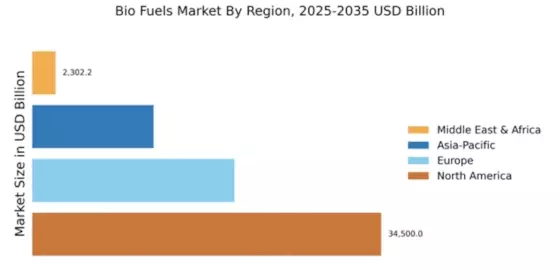
Den Berichten zufolge ist der globale Biokraftstoffmarkt je nach Region in den asiatisch-pazifischen Raum, Nordamerika, Europa, den Nahen Osten und Afrika sowie Südamerika unterteilt. Der geografisch bedeutendste Teil des Biokraftstoffmarktes ist Nordamerika. Der Anstieg der Nachfrage auf dem Biokraftstoffmarkt in der Region wird durch die Verfügbarkeit von Infrastrukturverbesserungen und günstigen staatlichen Vorschriften erleichtert. Biof

Markt-Highlights

Autor
Anshula Mandaokar
Team Lead - Research

Anshula Mandaokar holds an academic degree in Chemical Engineering and has been contributing to the field for more than 5 years. She has expertise in Market Research and Business Consulting and serves as a Team Lead for a reputed Market Research firm under the Chemicals and Materials domain spectrum. She has worked on multiple projects, generating explicit results in a quick turnaround time. Her understanding of data interpretation justifies her role as a leader.

Einen Kommentar hinterlassen

FAQs

What is the expected market size of the Global Biofuels Market in 2024?

The Global Biofuels Market is expected to be valued at 143.97 USD Billion in 2024.

What is the anticipated market value of the Global Biofuels Market by 2035?

The market is projected to reach a value of 250.0 USD Billion by the year 2035.

What is the expected compound annual growth rate (CAGR) for the Global Biofuels Market from 2025 to 2035?

The expected CAGR for the Global Biofuels Market during the forecast period is 5.14%.

Which region is projected to have the largest market share in the Global Biofuels Market by 2035?

North America is projected to have the largest market share, valued at 80.0 USD Billion by 2035.

What will be the market size for bioethanol in 2035?

The market for bioethanol is expected to reach 97.5 USD Billion by the year 2035.

Which key players are leading the Global Biofuels Market?

Major players in the market include BP, Cargill, Neste, and Valero Energy among others.

What is the projected market size for biodiesel in 2024?

The biodiesel market is expected to be valued at 40.0 USD Billion in 2024.

What is the expected market growth rate for the Asia Pacific region from 2025 to 2035?

The Asia Pacific region is projected to grow to a market size of 40.0 USD Billion by 2035.

What will be the value of the biogas market in 2035?

The biogas market is projected to be valued at 50.0 USD Billion by the year 2035.

Which type of biofuels segment is expected to grow the fastest in the coming years?

The advanced biofuels segment is expected to grow, reaching 30.5 USD Billion by 2035.

Research Approach

Research Methodology on Biofuel Market

The research conducted for preparing the report on the Biofuel market is based on a thorough analysis of primary and secondary sources and surveys of market participants.

Primary research

Primary research is conducted by gathering data and information through interviews with key market participants and experts. Interviews are conducted with suppliers, manufacturers, distributors and industry experts. The primary research includes open-ended and close-ended questions in the form of surveys. The information collected from the key market players provides a comprehensive analysis of the current market scenario, trends and future growth prospects.

Secondary research

Secondary research is based on sources such as industry journals, trade associations, reports and other relevant sources. The secondary research helps in understanding the competitive landscape, future markets, industry trends and growth prospects.

Data triangulation

The information gathered from the interviews and secondary research was further analyzed and evaluated to conclude. The obtained data is compared, validated and checked for accuracy. A combination of qualitative and quantitative analysis is used to find out the market potential and size. The data triangulation also helps in identifying the different market segments and estimating the market size and growth opportunities.

The assumptions and estimations used in this report are based on primary and secondary research. The reported data and market trends are verified by conducting interviews with industry experts and stakeholders.

Market size estimation

The market size is estimated using top-down and bottom-up methods and using the derived data from the surveys, interviews and secondary research. The global market size is derived using a combination of primary and secondary research. The key players in the market are identified and the market size is estimated using a bottom-up approach.

Regional Analysis

The regional analysis is conducted for five different regions globally and the market size is estimated using the bottom-up approach. The regional market size is derived from interviews, surveys and secondary research. Market trends and growth opportunities are identified from the surveys and interviews.

Data collection

The data collected for the report is based on the interviews and surveys conducted with the key players and stakeholders in the industry. The data collection is done using an online survey platform. The research team also interviewed industry experts and stakeholders to gain more insights into the market.

Data analysis

The data collected from the surveys, interviews and secondary research is analyzed using both qualitative and quantitative methods. The qualitative analysis included Porter’s five force analysis and market attractiveness analysis. The quantitative analysis included market sizing and estimating the regional market sizes.

Report assumptions

The report is based on certain assumptions like:

The legal and regulatory framework governing the bio-fuels industry does not undergo any major changes during the forecast period.

The demand for biofuels is consistent with the growth trajectory.

The government initiatives and policies are beneficial to the growth of the biofuels market.

The pricing and supply trends remain static during the forecast period (2023 to 2030).

There is no significant disruption in the supply chain or any external factors that can affect the market size.

Kostenloses Muster herunterladen

Bitte füllen Sie das folgende Formular aus, um ein kostenloses Muster dieses Berichts zu erhalten

Compare Licence

×
Features License Type
Single User Multiuser License Enterprise User
Price $4,950 $5,950 $7,250
Maximum User Access Limit 1 User Upto 10 Users Unrestricted Access Throughout the Organization
Free Customization
Direct Access to Analyst
Deliverable Format
Platform Access
Discount on Next Purchase 10% 15% 15%
Printable Versions