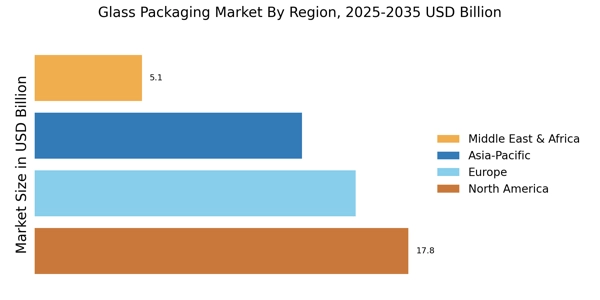
Global market valuation was derived through production volume analysis and revenue mapping across the value chain. The methodology included:
Identification of 50+ key glass packaging manufacturers across North America, Europe, Asia-Pacific, and Latin America including O-I Glass, Ardagh Group, Verallia, Gerresheimer, Vitro, Bormioli Rocco, and regional players
Product mapping across Standard Glass Quality (mass market beverage/food), Premium Glass Quality (wine, spirits, cosmetics), and Super Premium Glass Quality (limited edition fragrances, artisanal products)
Application segmentation analysis covering Beverage Packaging (alcoholic and non-alcoholic), Food Packaging, Personal Care Packaging, and Pharmaceutical Packaging (Type I, II, III borosilicate and soda-lime glass)
Analysis of reported annual revenues specific to glass container divisions and modeled capacity utilization rates (70-85% for mature markets, 60-75% for emerging markets)
Coverage of manufacturers representing 75-80% of global market share in 2024
Extrapolation using bottom-up (production volume in tonnes × average selling price by product quality tier and geography) and top-down (industry association aggregate production data validation) approaches to derive segment-specific valuations and regional market shares
Key Methodological Notes:
Cullet Rate Analysis: Special consideration given to regional variations in recycled glass content (EU average 60% cullet vs. US 33%) affecting material cost structures
Pharmaceutical Segmentation: Distinction drawn between molded glass (bottles) and tubular glass (vials/ampoules) due to different manufacturing technologies and regulatory requirements (USP Type standards)
Quality Tier Validation: Premium/Super Premium segments validated through pricing premiums (25-40% above standard glass) and brand owner interviews regarding luxury positioning strategies