Research Methodology on Dairy Free Yogurt Market
I. Introduction
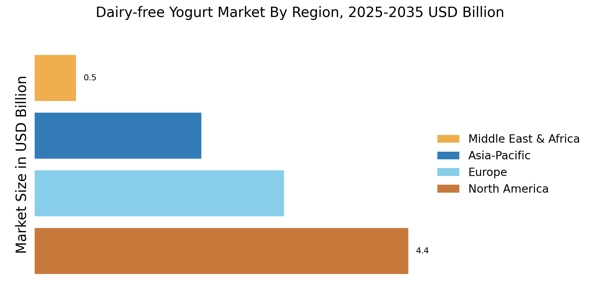
The Dairy-Free Yogurt market has seen remarkable growth in the past few years owing to the increasing demand for vegan and vegetarian diets, veganism and awareness about the advantages of consuming dairy-free yogurt. The market is expected to grow significantly during the forecast period of 2023-2030. Dairy-Free Yogurt is a product that is manufactured without using animal-derived products and is free of lactose and cholesterol and other trans-fats.
It is a healthy breakfast and snack option for people who are lactose intolerant or those who are following a vegan, vegetarian, or other specialised diet. Dairy-free yogurt can be made from ingredients such as soy milk, coconut milk, almond milk, cashew milk, and other plant-based milk. It can also be flavoured with ingredients such as fruits, nuts, oats, and honey.
The purpose of this research is to analyse the Dairy-Free Yogurt Market and provide valuable insights into the current state of the market, as well as identify the various factors driving its growth. This research also aims to identify the various opportunities in the market and recommend measures to capitalise efficiently on them.
II. Aims and Objectives of the Research
The main aim of this research is to identify and analyse the various factors influencing the growth of the Dairy-Free Yogurt Market. The objectives of this research are as follows:
- To analyse the current landscape of the Dairy-Free Yogurt Market
- To identify the market trends and assess the market size
- To identify the various drivers, challenges, and opportunities in the market
- To recommend measures to take advantage of the opportunities
III. Methodology
1. Research Design
This research employed a qualitative research design. The research approach was guided by the principles of depth, breadth, and rigour. The depth of the research was established by using a comprehensive literature review of contributing factors to the growth of the dairy-free yogurt market. The breadth was established by combining quantitative and qualitative methods, such as surveys and interviews; this enabled the researcher to gain insight into the views of key stakeholders in the industry. Lastly, the rigour of the research was established using a systematic approach to the research process.
2. Sampling Technique
The sampling technique used in this research was purposive sampling. For the primary data collection, a total of 100 participants comprising industry experts, market experts, and end-user consumers were chosen. The criteria used to select the respondents were based on their knowledge and experience of the Dairy-Free Yogurt Market.
3. Data Collection Methods
The data collection methods used in this research were surveys and interviews. The survey was conducted online with the help of an online survey platform. The questions in the survey were primarily based on whether respondents had purchased or consumed dairy-free products in the past. The survey also enquired about their experiences with the products and their views on the future growth prospects of the dairy-free yogurt market.
The interview method was used to gain further insight into the views of industry experts and stakeholders. This was conducted using an online platform which allowed for face-to-face virtual interviews with key stakeholders. The interviews enquired about the various drivers and challenges of the dairy-free yogurt market and the strategies they employed to capitalise on the available opportunities.
4. Data Analysis
The collected data were analysed using statistical techniques such as correlation analysis, factor analysis, and regression analysis. The collected responses were further analysed to identify key trends and potential insights, such as the factors influencing the growth of the market. Furthermore, the data was evaluated to compare the viewpoints of industry experts and consumers on the various factors impacting the growth of the dairy-free yogurt market.
IV. Conclusion
This research was conducted to analyse the Dairy-Free Yogurt Market and identify the various factors driving its growth. The research employed a qualitative research design and used survey and interview methods for data collection. The results of the research showed that the demand for dairy-free products is rising, due to various factors such as increasing awareness about the health benefits of a dairy-free diet, growing veganism and vegetarianism, and technological advancements in the food industry. The research also identified the various opportunities in the market, such as the introduction of new product varieties, the introduction of innovative marketing campaigns, and initiatives to increase consumer awareness about the advantages of dairy-free yogurt.