Aging Population and Lifestyle Changes
The aging population and associated lifestyle changes are critical factors propelling the Gastroesophageal Reflux Disease Market. As individuals age, the risk of developing GERD increases due to physiological changes and comorbidities. Furthermore, lifestyle factors such as diet, obesity, and sedentary behavior are becoming more prevalent, contributing to the rising incidence of GERD. Data indicates that the geriatric population is expected to grow significantly, with projections suggesting that by 2030, nearly 1 in 5 individuals will be over the age of 65. This demographic shift is likely to result in a higher demand for GERD-related treatments and interventions, thereby expanding the market landscape. The interplay between aging and lifestyle factors presents a multifaceted opportunity for growth within the Gastroesophageal Reflux Disease Market.
Expansion of Healthcare Infrastructure
The expansion of healthcare infrastructure is a vital driver for the Gastroesophageal Reflux Disease Market. As healthcare systems evolve and improve, access to diagnostic and therapeutic services for GERD is likely to increase. Investments in healthcare facilities, particularly in emerging markets, are expected to enhance the availability of specialized care for GERD patients. Moreover, the integration of advanced diagnostic tools, such as endoscopy and pH monitoring, is becoming more widespread, facilitating timely and accurate diagnoses. This trend is anticipated to lead to an increase in patient referrals and treatment rates, thereby contributing to market growth. The ongoing development of healthcare infrastructure is poised to play a crucial role in shaping the future of the Gastroesophageal Reflux Disease Market.
Innovations in Pharmacological Treatments
Innovations in pharmacological treatments for Gastroesophageal Reflux Disease Market are significantly influencing the Gastroesophageal Reflux Disease Market. The development of novel medications, including proton pump inhibitors and H2 receptor antagonists, has transformed the management of GERD. Recent data indicates that the market for GERD medications is projected to reach several billion dollars by the end of the decade, driven by the introduction of new therapies that offer improved efficacy and safety profiles. Additionally, ongoing research into alternative treatment options, such as biologics and combination therapies, suggests a promising future for the market. As these innovations become available, they are likely to enhance patient outcomes and drive further growth in the Gastroesophageal Reflux Disease Market.
Rising Demand for Minimally Invasive Procedures
The rising demand for minimally invasive procedures is reshaping the Gastroesophageal Reflux Disease Market. Patients increasingly prefer less invasive treatment options due to their associated benefits, such as reduced recovery times and lower complication rates. Surgical interventions, such as fundoplication and newer endoscopic techniques, are gaining traction as effective alternatives to traditional surgery. Market analysis suggests that the minimally invasive segment is expected to witness substantial growth, driven by advancements in surgical technology and techniques. As more healthcare providers adopt these procedures, patient satisfaction is likely to improve, further fueling demand. The shift towards minimally invasive approaches represents a significant trend that could redefine treatment paradigms within the Gastroesophageal Reflux Disease Market.
Increasing Awareness and Diagnosis of Gastroesophageal Reflux Disease
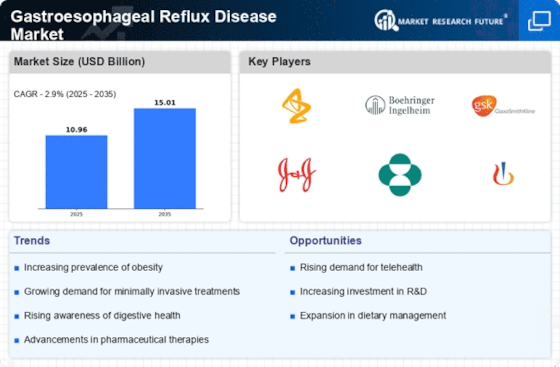
The rising awareness surrounding Gastroesophageal Reflux Disease Market (GERD) is a pivotal driver in the Gastroesophageal Reflux Disease Market. As healthcare providers and patients become more informed about the symptoms and complications associated with GERD, there is a notable increase in diagnosis rates. This heightened awareness is likely to lead to more individuals seeking medical advice, thereby expanding the patient population. According to recent estimates, the prevalence of GERD has been reported to affect approximately 20% of the population in certain regions, which underscores the potential market size. Furthermore, educational campaigns and initiatives by health organizations are expected to continue promoting awareness, which may further stimulate growth in the Gastroesophageal Reflux Disease Market.





















Leave a Comment