Download Free Sample
Kindly complete the form below to receive a free sample of this Report
Germany Zipper Market Size, Share, Industry Trend & Analysis Research Report: By Product Type (Close-End, Conventional Zipper, Invisible Zipper, Open-End), By Material Type (Metal, Coil, Plastic, Others), By Function (Standard, Multifunctional, Reflective Zipper, Water Repellent, Sustainable, Heat Resistant) andBy End Use (Apparel, Sporting Goods, Bags, Luggage, Camping Gear, Others)- Forecast to 2035
As per Market Research Future analysis, the Germany zipper market Size was estimated at 869.75 USD Million in 2024. The Germany zipper market is projected to grow from 937.24 USD Million in 2025 to 1979.25 USD Million by 2035, exhibiting a compound annual growth rate (CAGR) of 7.7% during the forecast period 2025 - 2035
The Germany zipper market is experiencing a shift towards sustainability and technological innovation.
| 2024 Market Size | 869.75 (USD Million) |
| 2035 Market Size | 1979.25 (USD Million) |
| CAGR (2025 - 2035) | 7.76% |
YKK (JP), Coats Group (GB), Riri (CH), Talon (US), SBS Zipper (CN), KCC Zipper (KR), IDEAL Fastener (US), Lenzing (AT)
Our Impact
Enabled $4.3B Revenue Impact for Fortune 500 and Leading Multinationals
Partnering with 2000+ Global Organizations Each Year
30K+ Citations by Top-Tier Firms in the Industry
The zipper market in Germany is currently experiencing a dynamic phase characterized by evolving consumer preferences and technological advancements. The demand for zippers is influenced by various sectors, including fashion, automotive, and outdoor equipment. As sustainability becomes a focal point for consumers, manufacturers are increasingly adopting eco-friendly materials and production processes. This shift not only aligns with environmental concerns but also caters to a growing market segment that prioritizes sustainable products. Furthermore, the integration of innovative designs and functionalities in zippers is enhancing their appeal, leading to increased adoption across diverse applications. In addition, the zipper market is witnessing a trend towards customization and personalization. Consumers are seeking unique and tailored solutions that reflect their individual styles. This trend is particularly evident in the fashion industry, where zippers are not merely functional components but also design elements that contribute to the overall aesthetic of garments. As a result, manufacturers are exploring new ways to offer customizable options, thereby enhancing consumer engagement and satisfaction. Overall, the zipper market in Germany appears poised for growth, driven by sustainability, innovation, and personalization.
The zipper market is increasingly focusing on sustainable practices. Manufacturers are adopting eco-friendly materials and processes to meet the rising consumer demand for environmentally responsible products. This trend reflects a broader shift towards sustainability in various industries, influencing how zippers are produced and marketed.
Innovations in zipper technology are shaping the market landscape. Enhanced durability, ease of use, and multifunctional designs are becoming more prevalent. These advancements not only improve product performance but also expand the potential applications of zippers across different sectors.
There is a growing demand for personalized zippers in the fashion industry. Consumers are looking for unique designs that reflect their individual styles. This trend encourages manufacturers to offer customizable options, thereby enhancing consumer engagement and satisfaction.
The proliferation of e-commerce platforms in Germany significantly impacts the zipper market, as online shopping becomes increasingly popular among consumers. This shift allows manufacturers and retailers to reach a wider audience, facilitating the sale of various zipper types and styles. Market data suggests that e-commerce sales in the textile and apparel sector have surged by 25% in the past year, indicating a robust trend towards online purchasing. Consequently, the zipper market benefits from enhanced visibility and accessibility, which may lead to increased sales and market penetration for zipper manufacturers.
The rising popularity of outdoor and sports apparel in Germany contributes to the expansion of the zipper market. As more consumers engage in outdoor activities and sports, the demand for durable and functional zippers in this segment increases. Market analysis reveals that the outdoor apparel sector has grown by approximately 20% in recent years, with zippers playing a crucial role in the functionality and performance of these products. This trend suggests that manufacturers focusing on high-quality, weather-resistant zippers may find lucrative opportunities within the zipper market.
The zipper market in Germany experiences a notable increase in demand for fashionable zippers, driven by the growing emphasis on aesthetics in clothing and accessories. As consumers become more style-conscious, manufacturers are compelled to innovate and produce zippers that not only serve functional purposes but also enhance the overall design of products. This trend is reflected in the market data, which indicates that the fashion segment accounts for approximately 35% of the total zipper market revenue in Germany. The integration of unique colors, materials, and designs into zippers is likely to attract a broader consumer base, thereby stimulating growth in the zipper market.
In the German zipper market, there is a growing emphasis on quality and durability among consumers. As the market matures, customers are becoming more discerning, seeking zippers that offer longevity and reliability. This shift is evident in the rising demand for premium zippers, which are perceived as a worthwhile investment. Market data indicates that high-quality zippers now represent around 40% of total sales in the zipper market, reflecting a significant consumer preference for products that withstand wear and tear. Manufacturers that prioritize quality in their offerings are likely to gain a competitive edge in this evolving landscape.
Technological advancements in manufacturing processes are reshaping the zipper market in Germany. Innovations such as automated production lines and advanced materials are enhancing efficiency and product quality. These developments enable manufacturers to produce zippers at a lower cost while maintaining high standards. Market Research Future suggest that companies adopting these technologies may experience a reduction in production costs by up to 15%, allowing for competitive pricing strategies. As a result, the zipper market is likely to witness increased competition and a broader range of products, catering to diverse consumer needs.
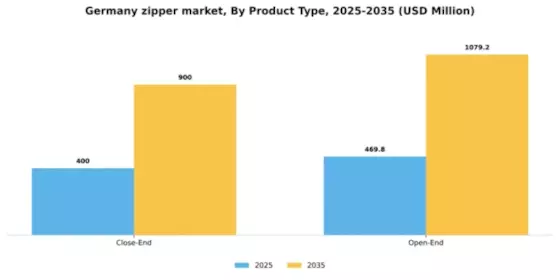
The product type segment in the Germany zipper market shows a notable distribution between Close-End and Open-End types. Close-End zippers currently dominate the market, accounting for a significant share as they cater to various applications in the fashion and textile industries. In contrast, Open-End zippers, while smaller in market share, are quickly gaining traction due to their versatility in applications such as jackets and bags, appealing especially to contemporary designs. Growth trends indicate a steady rise in the demand for Open-End zippers as manufacturers seek adaptable solutions to meet changing consumer preferences. Factors driving this growth include the rise of eco-friendly materials and innovative design requirements that prioritize functionality. As brands strive for sustainable options, Open-End zippers are positioned for rapid expansion, reflecting the evolving landscape of the Germany zipper market.
Zipper Type: Close-End (Dominant) vs. Open-End (Emerging)
Close-End zippers serve as the cornerstone of the Germany zipper market, characterized by their strong market presence and reliability in various applications. They are preferred for their secure closure mechanisms, making them ideal for clothing and textiles where durability is paramount. Conversely, Open-End zippers are emerging as a popular choice, especially in casual wear and outerwear, appealing to designers who value adaptability and style. Their ability to separate completely at one end lends itself to creative uses in fashion and functionality. As trends shift toward more innovative and modular designs, Open-End zippers are poised to capture a larger market share, complementing the established dominance of Close-End options.
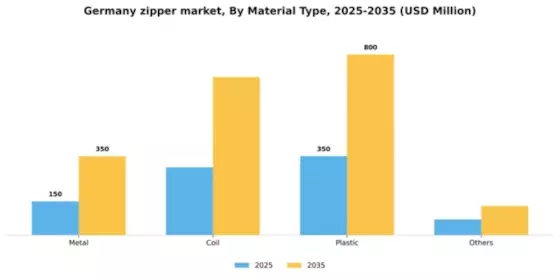
In the Germany zipper market, the material type segment shows diverse distribution among various categories. Plastic zippers dominate the market significantly, capturing a substantial share due to their lightweight, cost-effectiveness, and versatility. Following closely are metal zippers, which, while not as dominant in terms of market share, are gaining traction due to their durability and aesthetic appeal, especially in high-end fashion applications. Coil zippers and other materials hold smaller segments but are essential for niche applications across different industries. The growth trends within the material type segment indicate a rising preference for plastic zippers driven by increased demand in the apparel and accessories sectors. Meanwhile, metal zippers are recognized as the fastest-growing category, spurred by a resurgence in vintage fashion and premium products that value robust materials. As manufacturers innovate and consumer preferences shift towards sustainability, alternatives like coil and other material types are also witnessing gradual acceptance, although they remain in smaller niches.
Plastic (Dominant) vs. Metal (Emerging)
Plastic zippers serve as the dominant force in the Germany zipper market due to their light weight and extensive application range, especially within the clothing and fashion industries. Their availability in multiple colors and designs adds to their appeal, satisfying both consumer needs and aesthetic demands. Conversely, metal zippers, while currently seen as emerging, garner interest for their strength and durability, making them ideal for products that require a long-lasting fastening solution. With a vintage market trend gaining popularity, metal zippers are increasingly being used in both casual and luxury segments, thereby enhancing their market positioning. As sustainability becomes a priority, innovations in metal zipper production are expected to further enhance their appeal, fostering growth and acceptance in the competitive landscape.
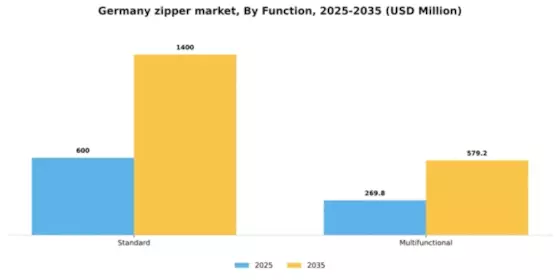
In the Germany zipper market, the Multifunctional segment holds a significant share, driven by versatile applications across various industries such as fashion, automotive, and home textiles. This segment appeals to consumers seeking convenience and innovative solutions, strengthening its dominance. In contrast, the Standard segment is witnessing a surge in popularity, attributed to its reliability and cost-effectiveness, which are appealing in both consumer and industrial markets. The growth trends within these segments indicate a robust demand for Multifunctional zippers, as they cater to emergent trends like sustainability and customization. The Standard segment, while traditionally steady, is being revitalized by modern design trends and functionality enhancements, making it particularly appealing to new market entrants. As a result, investment in research and development is becoming crucial for players aiming to lead in both segments.
Multifunctional (Dominant) vs. Standard (Emerging)
The Multifunctional segment in the Germany zipper market is characterized by its ability to meet diverse consumer needs, offering features such as water resistance, enhanced durability, and innovative locking mechanisms. This segment's appeal lies in its application versatility, allowing for usage in everything from high-end fashion to outdoor gear. In contrast, the Standard segment, while considered emerging, is gaining traction thanks to a focus on simple yet effective designs that enhance user experience. Manufacturers in this segment are increasingly adopting eco-friendly materials, aligning with sustainability trends, thus attracting environmentally conscious consumers. Both segments reflect a shift towards functionality and aesthetics, making them critical to the overall market dynamics.
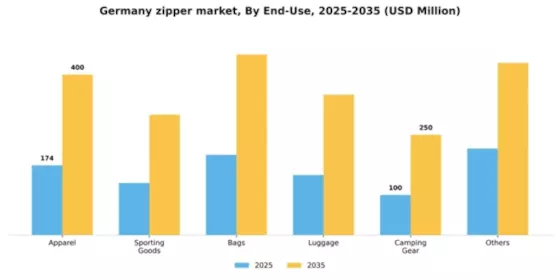
The market share distribution within the end-use segment of the Germany zipper market reveals that bags dominate significantly, holding a substantial portion of market share. Following closely are apparel and luggage, which contribute to the overall landscape, showcasing the diverse uses of zippers across various products. Sporting goods and camping gear also play a role, but their shares are comparatively smaller, highlighting a concentrated market influence from bags. In terms of growth trends, the apparel segment is emerging as the fastest-growing category, driven by evolving fashion trends and increased demand for customized clothing solutions. The rising popularity of outdoor activities and sports is bolstering the need for zippers in sporting goods. Innovations in zipper technology are also influencing preferences, further propelling the growth of these segments in the market.
Bags: Dominant vs. Apparel: Emerging
Bags are a dominant segment in the Germany zipper market, representing a key area where zippers are utilized for functionality and aesthetics. The demand for various bag styles, including backpacks, handbags, and casual totes, reinforces their market strength. As consumers seek convenience coupled with design, zippers enhance the usability of these products. In contrast, apparel emerges as a fast-growing segment, characterized by rapid design cycles and the integration of zippers in both everyday wear and high-fashion pieces. The trend of personalized fashion solutions drives the need for innovative zipper designs, creating a dynamic interplay between practicality and style that is redefining both segments.
Get more detailed insights about Germany Zipper Market Request Free Sample
The zipper market in Germany exhibits a competitive landscape characterized by a blend of innovation, sustainability, and strategic partnerships. Key players such as YKK (Japan), Coats Group (GB), and Riri (Switzerland) are at the forefront, each employing distinct strategies to enhance their market presence. YKK (Japan), known for its commitment to quality and innovation, focuses on developing eco-friendly zipper solutions, which aligns with the growing consumer demand for sustainable products. Coats Group (GB) emphasizes digital transformation, leveraging technology to optimize its supply chain and improve operational efficiency. Riri (Switzerland) positions itself as a luxury zipper manufacturer, catering to high-end fashion brands, thereby carving a niche in the premium segment of the market. Collectively, these strategies contribute to a dynamic competitive environment, where innovation and sustainability are paramount.In terms of business tactics, companies are increasingly localizing manufacturing to reduce lead times and enhance responsiveness to market demands. This approach not only optimizes supply chains but also mitigates risks associated with global logistics. The market structure appears moderately fragmented, with several players vying for market share, yet the influence of major companies remains substantial. The collective actions of these key players shape the competitive dynamics, fostering an environment where agility and adaptability are crucial.
In October YKK (Japan) announced the launch of its new line of biodegradable zippers, a strategic move aimed at addressing the rising consumer preference for sustainable products. This initiative not only reinforces YKK's commitment to environmental responsibility but also positions the company as a leader in eco-friendly innovations within the zipper market. The introduction of biodegradable options is likely to attract environmentally conscious consumers and enhance brand loyalty.
In September Coats Group (GB) unveiled its advanced digital platform designed to streamline its supply chain operations. This platform integrates AI and data analytics to forecast demand more accurately and optimize inventory management. The strategic importance of this development lies in its potential to significantly reduce operational costs and improve service delivery, thereby enhancing Coats Group's competitive edge in the market.
In August Riri (Switzerland) entered into a strategic partnership with a prominent luxury fashion brand to develop exclusive zipper designs. This collaboration not only strengthens Riri's position in the luxury segment but also showcases its ability to innovate in response to specific market needs. Such partnerships are indicative of a broader trend where companies leverage collaborations to enhance product offerings and differentiate themselves in a competitive landscape.
As of November the zipper market is increasingly defined by trends such as digitalization, sustainability, and the integration of AI technologies. Strategic alliances are becoming more prevalent, allowing companies to pool resources and expertise to drive innovation. The competitive differentiation is likely to evolve from traditional price-based competition towards a focus on technological advancements, sustainable practices, and supply chain reliability. This shift suggests that companies that prioritize innovation and adaptability will be better positioned to thrive in the future.


The Germany Zipper Market has witnessed significant developments recently, particularly in terms of company growth and market valuation. Notable players such as YKK, Coats, and Riri have reported impressive growth in their revenues, thanks in part to increasing demand for sustainable and innovative zippers in various industries, including apparel and automotive. In May 2023, BMB announced a strategic partnership with a leading textile manufacturer, aiming to enhance their product offerings and sustainability initiatives. Additionally, in June 2023, Opti expanded its operations in Germany, introducing a new eco-friendly zipper line that caters to growing environmental concerns.
The market also saw a merger in July 2023 when Kaiser Zipper acquired a smaller competitor, which is expected to bolster its market position and product range. Furthermore, investments in Research and Development by companies like Talon International and Dixon Docks have been aimed at improving zipper technology, thus enhancing product performance. Over the past few years, the emphasis on eco-conscious and high-quality zippers has become a significant trend, shaping the competitive landscape of the German Zipper Market.
The Zipper Market in Germany is projected to grow at a 7.76% CAGR from 2025 to 2035, driven by innovation, sustainability, and increasing demand in fashion and automotive sectors.
New opportunities lie in:
By 2035, the zipper market in Germany is expected to achieve robust growth, driven by innovation and evolving consumer preferences.
| MARKET SIZE 2024 | 869.75(USD Million) |
| MARKET SIZE 2025 | 937.24(USD Million) |
| MARKET SIZE 2035 | 1979.25(USD Million) |
| COMPOUND ANNUAL GROWTH RATE (CAGR) | 7.76% (2025 - 2035) |
| REPORT COVERAGE | Revenue Forecast, Competitive Landscape, Growth Factors, and Trends |
| BASE YEAR | 2024 |
| Market Forecast Period | 2025 - 2035 |
| Historical Data | 2019 - 2024 |
| Market Forecast Units | USD Million |
| Key Companies Profiled | YKK (JP), Coats Group (GB), Riri (CH), Talon (US), SBS Zipper (CN), KCC Zipper (KR), IDEAL Fastener (US), Lenzing (AT) |
| Segments Covered | Product Type, Material Type, Function, End-Use |
| Key Market Opportunities | Integration of sustainable materials in zipper production aligns with consumer demand for eco-friendly products. |
| Key Market Dynamics | Technological advancements drive innovation in zipper designs, enhancing functionality and sustainability in the German market. |
| Countries Covered | Germany |
The overall market valuation was $869.75 Million in 2024.
The projected market valuation for 2035 is $1979.25 Million.
The expected CAGR for the Germany zipper market during the forecast period 2025 - 2035 is 7.76%.
Key players in the market include YKK (JP), Coats Group (GB), Riri (CH), Talon (US), SBS Zipper (CN), KCC Zipper (KR), IDEAL Fastener (US), and Lenzing (AT).
The product type segments include Close-End, valued between $400.0 Million and $900.0 Million, and Open-End, valued between $469.75 Million and $1079.25 Million.
The material type segments are valued as follows: Metal at $150.0 Million to $350.0 Million, Coil at $300.0 Million to $700.0 Million, and Plastic at $350.0 Million to $800.0 Million.
Function segments include Standard, valued between $600.0 Million and $1400.0 Million, and Multifunctional, valued between $269.75 Million and $579.25 Million.
End-use segments include Apparel ($174.0 Million to $400.0 Million), Sporting Goods ($130.0 Million to $300.0 Million), Bags ($200.0 Million to $450.0 Million), and others.
While specific regional comparisons are not provided, the Germany zipper market's projected growth at a CAGR of 7.76% during 2025 - 2035 suggests a robust expansion.
The presence of key players like YKK and Coats Group may influence market dynamics, potentially driving innovation and competitive pricing.


Kindly complete the form below to receive a free sample of this Report

“This is really good guys. Excellent work on a tight deadline. I will continue to use you going forward and recommend you to others. Nice job”


“Thanks. It’s been a pleasure working with you, please use me as reference with any other Intel employees.”


“Thanks for sending the report it gives us a good global view of the Betaïne market.”


“Thank you, this will be very helpful for OQS.”


“We found the report very insightful! we found your research firm very helpful. I'm sending this email to secure our future business.”


“I am very pleased with how market segments have been defined in a relevant way for my purposes (such as "Portable Freezers & refrigerators" and "last-mile"). In general the report is well structured. Thanks very much for your efforts.”


“I have been reading the first document or the study, ,the Global HVAC and FP market report 2021 till 2026. Must say, good info! I have not gone in depth at all parts, but got a good indication of the data inside!”


“We got the report in time, we really thank you for your support in this process. I also thank to all of your team as they did a great job.”


“The Automotive 48V ECU Components Procurement Intelligence Study” was a complex project, but the Market Research Future (MRFR) team handled it with quality, agility, and customer-centricity. They delivered all requested data on time and within the agreed scope. The team, including Shubhendra Anand and Rahul Gotadki, was always readily available to clarify questions and swiftly implement necessary adjustments, driving the project to a successful conclusion within a very demanding timeframe.
I would also like to specifically commend Akshay Agarwal for his responsiveness and support at every stage—from our initial inquiry on May 6th through to final delivery on June 18th. His dedication made the entire process seamless.”



