Rising Demand in Animal Nutrition
The Glycine Market is also experiencing growth due to the rising demand for glycine in animal nutrition. Glycine Market is recognized for its role in promoting growth and improving feed efficiency in livestock. The Glycine Market is anticipated to reach USD 500 billion by 2025, with glycine contributing to the formulation of high-quality feed products. This demand is driven by the increasing need for protein-rich diets and the expansion of the livestock industry. Furthermore, glycine's ability to enhance amino acid profiles in animal feed is likely to support its adoption among feed manufacturers. As the animal nutrition sector continues to evolve, the Glycine Market is poised for substantial growth.
Growing Awareness of Health Benefits
The Glycine Market is experiencing a surge in interest due to the growing awareness of the health benefits associated with glycine consumption. Research indicates that glycine may play a role in improving sleep quality, reducing inflammation, and supporting metabolic health. As consumers become more health-conscious, the demand for dietary supplements containing glycine is likely to rise. The Glycine Market is projected to reach USD 300 billion by 2025, with glycine-based products gaining traction among health enthusiasts. This trend is further supported by the increasing popularity of amino acid supplements in fitness and wellness communities. As awareness of glycine's benefits continues to spread, the Glycine Market is expected to capitalize on this growing consumer interest.
Expansion in Food and Beverage Sector
The Glycine Market is witnessing significant growth due to its expanding applications in the food and beverage sector. Glycine Market is commonly used as a flavor enhancer and a preservative, contributing to the overall taste and shelf life of various products. The Glycine Market is projected to reach USD 8 trillion by 2025, with glycine playing a crucial role in meeting consumer demands for quality and safety. Additionally, the increasing trend towards clean label products is likely to boost the demand for natural additives like glycine. As manufacturers seek to improve product formulations, the Glycine Market is expected to benefit from this trend, with a potential increase in market share within the food sector.
Increasing Application in Pharmaceuticals
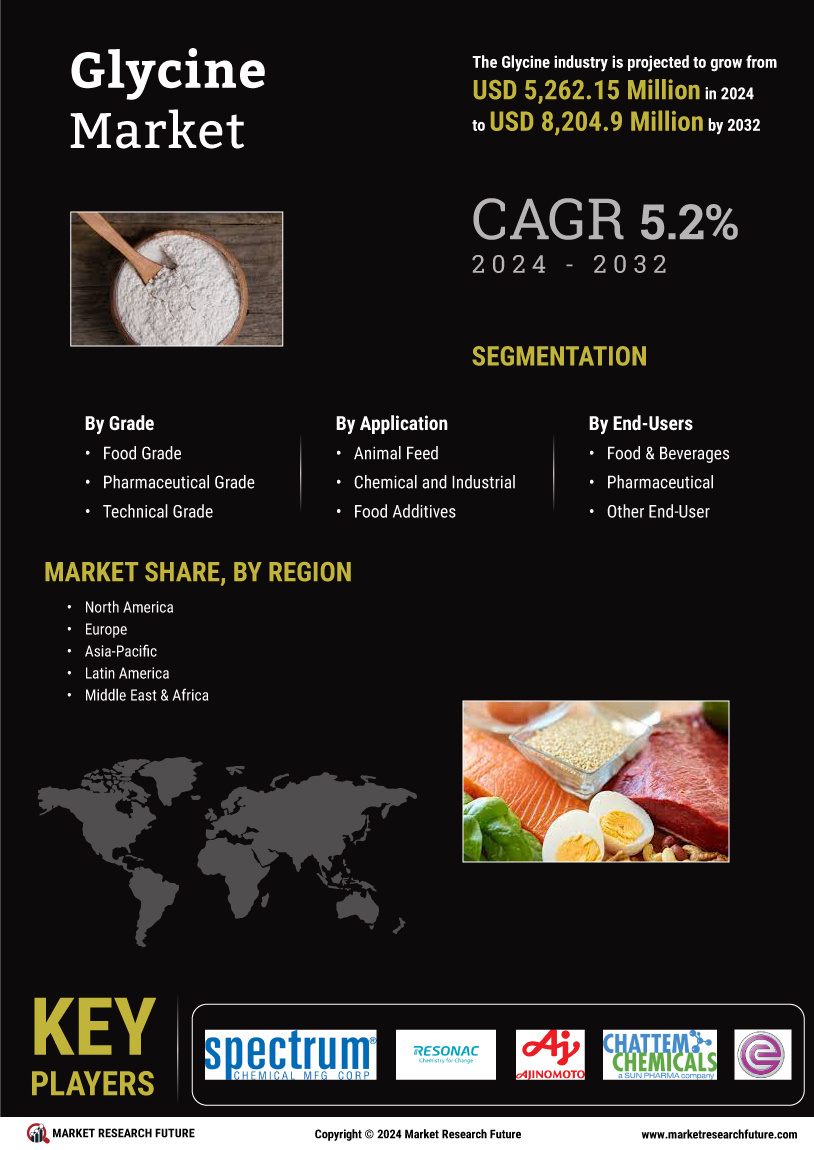
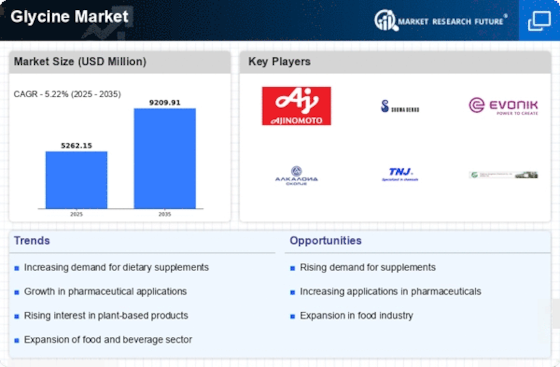
The Glycine Market is experiencing a notable increase in demand due to its extensive applications in the pharmaceutical sector. Glycine Market is utilized as an excipient in drug formulations, enhancing the solubility and stability of active ingredients. The market for glycine in pharmaceuticals is projected to grow at a compound annual growth rate of approximately 5.2% over the next few years. This growth is driven by the rising prevalence of chronic diseases and the need for effective drug delivery systems. Furthermore, glycine's role in the synthesis of various drugs, including those for neurological disorders, underscores its importance in the pharmaceutical landscape. As the industry evolves, the demand for high-purity glycine is likely to increase, further propelling the Glycine Market forward.
Technological Innovations in Production Processes
The Glycine Market is benefiting from technological innovations that enhance production processes. Advances in manufacturing techniques, such as fermentation and enzymatic processes, are leading to more efficient and sustainable glycine production. These innovations not only reduce production costs but also improve the quality of the final product. The market is witnessing a shift towards bio-based production methods, which align with the growing emphasis on sustainability. As companies invest in research and development to optimize production, the Glycine Market is likely to see increased competitiveness and market expansion. The integration of technology in production processes may also lead to the development of new applications for glycine, further diversifying its market potential.

















Leave a Comment