Download Free Sample
Kindly complete the form below to receive a free sample of this Report
Herbs and Spices Market Size, Share & Analysis, Trend Research Report By Application: Culinary (Largest) vs. Medicinal (Fastest-Growing), By Form: Whole (Largest) vs. Ground (Fastest-Growing), By Distribution Channel: Online (Largest) vs. Supermarket (Fastest-Growing), By End Use: Food Industry (Largest) vs. Pharmaceuticals (Fastest-Growing) and by Regional Analysis by 2025-2035
As per MRFR analysis, the Herbs and Spices Market size was estimated at 35.5 USD Billion in 2024. The herbs spices industry is projected to grow from 36.62 USD Billion in 2025 to 50.0 USD Billion by 2035, exhibiting a compound annual growth rate (CAGR) of 3.16% during the forecast period 2025 - 2035.
The herbs and spices market is experiencing a dynamic shift towards health-conscious and sustainable consumption patterns.
| 2024 Market Size | 35.5 (USD Billion) |
| 2035 Market Size | 50.0 (USD Billion) |
| CAGR (2025 - 2035) | 3.16% |
The herbs spices market is currently experiencing a dynamic evolution, driven by a confluence of consumer preferences and culinary innovations. As individuals increasingly seek natural and organic ingredients, the demand for diverse herbs and spices has surged. This shift appears to be influenced by a growing awareness of health benefits associated with these products, as well as a desire for enhanced flavor profiles in everyday cooking. Furthermore, the rise of global cuisines has introduced consumers to a wider array of flavors, prompting a greater exploration of various herbs and spices. In addition, the herbs spices market is witnessing a notable trend towards sustainability and ethical sourcing. Consumers are becoming more discerning about the origins of their food, leading to a preference for products that are sustainably harvested and produced. This trend not only reflects a commitment to environmental stewardship but also aligns with the increasing demand for transparency in food supply chains. As the market continues to evolve, it is likely that these trends will shape the future landscape of the herbs spices market, fostering innovation and growth in this vibrant sector.
There is a growing emphasis on health and wellness among consumers, leading to increased interest in herbs and spices known for their medicinal properties. This trend suggests that individuals are seeking natural alternatives to enhance their well-being, which may drive demand for specific herbs and spices.
The herbs spices market is experiencing a surge in culinary exploration, as consumers become more adventurous in their cooking. This trend indicates a willingness to experiment with diverse flavors and cuisines, potentially expanding the market for unique and exotic herbs and spices.
Sustainability has emerged as a key consideration for consumers, influencing their purchasing decisions in the herbs spices market. This trend suggests a preference for products that are ethically sourced and produced, reflecting a broader commitment to environmental responsibility.
Sustainability has emerged as a key consideration for consumers, influencing their purchasing decisions within the herbs spices market. There is a growing preference for ethically sourced and environmentally friendly products, which has prompted many companies to adopt sustainable practices. Market data indicates that consumers are willing to pay a premium for herbs and spices that are certified organic or sourced from sustainable farms. This shift towards sustainability not only aligns with consumer values but also enhances brand loyalty. As awareness of environmental issues continues to rise, the herbs spices market is likely to adapt, with more businesses focusing on sustainable sourcing and production methods to meet consumer expectations.
Culinary innovation plays a crucial role in shaping the herbs spices market. Chefs and home cooks alike are experimenting with diverse flavor profiles, leading to an increased use of various herbs and spices in both traditional and contemporary dishes. The market data suggests that the demand for exotic and gourmet spices has risen significantly, with consumers eager to explore new culinary experiences. This trend is likely to be driven by the growing interest in international cuisines and the desire for unique flavors that enhance meal preparation. As restaurants and food manufacturers continue to innovate, the herbs spices market may witness a sustained increase in demand, reflecting the evolving tastes and preferences of consumers.
The rising popularity of plant-based diets is significantly influencing the herbs spices market. As more consumers adopt vegetarian and vegan lifestyles, the demand for herbs and spices that enhance the flavor of plant-based meals is increasing. Market data indicates that the herbs spices market is benefiting from this trend, as spices are essential for creating appealing and flavorful dishes without animal products. This shift towards plant-based eating is likely to continue, driven by health, environmental, and ethical considerations. Consequently, the herbs spices market may see sustained growth as consumers seek to incorporate a variety of herbs and spices into their diets to enhance their culinary experiences.
The increasing awareness of health and wellness among consumers appears to be a pivotal driver for the herbs spices market. As individuals seek natural alternatives to enhance their diets, the demand for herbs and spices, known for their health benefits, has surged. According to recent data, the herbs spices market is projected to grow at a compound annual growth rate of approximately 5.5% over the next five years. This trend is likely fueled by the rising popularity of herbal remedies and the incorporation of spices in everyday cooking, which are perceived as healthier options compared to processed ingredients. Furthermore, the emphasis on preventive healthcare and the desire for natural products may continue to propel the market forward, as consumers increasingly prioritize their well-being.
Technological advancements in agriculture are transforming the herbs spices market by improving cultivation practices and increasing yield. Innovations such as precision farming, hydroponics, and vertical farming are enabling producers to grow high-quality herbs and spices more efficiently. This is particularly relevant as the demand for fresh and organic products continues to rise. Market data suggests that the adoption of these technologies could lead to a more resilient supply chain, reducing the impact of environmental factors on production. As producers embrace these advancements, the herbs spices market may experience enhanced growth, driven by the ability to meet consumer demand for fresh and sustainably grown products.
The herbs and spices market reveals a diverse distribution among its application segments, with Culinary taking the lead as the largest segment. This category enjoys immense popularity due to its essential role in flavoring and enhancing food, holding a significant share of the total market. Following closely are the Medicinal and Aromatic segments, which reflect increasing consumer interest in natural remedies and personal care but still trail the Culinary segment substantially. Additionally, the Industrial and Cosmetic segments contribute to the overall market dynamics, although their shares are relatively smaller compared to the more dominant segments.
Culinary (Dominant) vs. Medicinal (Emerging)
The Culinary application of herbs and spices stands out as the dominant force in the market, primarily driven by the growing consumer demand for flavorful and healthful food options. This category encompasses a wide range of products used in households and restaurants, where herbs and spices are pivotal for culinary creativity. On the other hand, the Medicinal segment is emerging rapidly, capturing consumer interest in holistic health and wellness. This growth is fueled by increased awareness of the health benefits associated with natural ingredients, as more consumers turn to herbal remedies for ailments. Both segments, though different in application, are essential to shaping market trends in the herbs and spices industry.
The herbs and spices market is characterized by diverse forms, with whole herbs and spices representing the largest segment due to their retained flavor and freshness. Whole varieties are preferred for their longer shelf life and versatility in culinary uses. Meanwhile, the ground segment is experiencing rapid growth, driven by consumer convenience and increasing demand for ready-to-use products in both home and commercial kitchens. This segment's appeal lies in its ease of use and ability to provide immediate flavor enhancement to dishes.
Whole (Dominant) vs. Ground (Emerging)
Whole herbs and spices dominate the market due to their integral role in traditional cooking and seasoning, helping to preserve the natural oils and flavors that can be lost in processing. They are favored by chefs and home cooks alike for their aromatic properties and are often used in both whole and crushed forms for enhanced flavor. The ground segment, while emerging, is quickly catching up, appealing to the fast-paced lifestyle of contemporary consumers. The convenience of ground spices, which require less preparation time and are more straightforward to incorporate into recipes, is fostering its growth, especially in packaged foods and meal kits.
In the herbs and spices market, the distribution channels exhibit a diverse landscape with varying market shares. Online channels have emerged as the largest segment due to the rise of e-commerce and changing consumer preferences towards online shopping. Supermarkets remain a strong player, appealing to customers seeking convenience and a wide variety of products. Specialty stores and direct sales are also significant, providing unique offerings and personalized shopping experiences, while wholesale channels support bulk purchasing for business and resale purposes.
Supermarkets (Dominant) vs. Specialty Stores (Emerging)
Supermarkets dominate the distribution of herbs and spices by offering extensive selections and competitive pricing. Their widespread presence and ability to attract a high volume of foot traffic enhance their market position significantly. On the other hand, specialty stores are rapidly emerging, characterized by their focus on organic and artisanal products that cater to niche consumer preferences. These stores often offer a curated selection of herbs and spices, providing customers with unique flavors and higher quality options. The shift in consumer behavior towards specialty and local products drives their growth, making them an increasingly important distribution channel.
The herbs and spices market is predominantly driven by the Food Industry, which holds the largest share among all end-use segments. This sector encompasses a wide array of products, including seasonings, sauces, and ready-to-eat meals that utilize herbs and spices to enhance flavor and aroma. Following closely are the Pharmaceuticals, which, while smaller in market share, play a crucial role in leveraging the medicinal properties of herbs and spices, leading to innovative health products. As consumer awareness regarding health and wellness rises, the demand for herbal and spice-infused medicines is on the upswing. The Pharmaceuticals sector is witnessing rapid growth due to the increasing inclination toward natural remedies and holistic health approaches. The Food Industry is projected to maintain its dominance, driven by evolving consumer tastes, multicultural cuisines, and the rising trend of gourmet cooking at home.
Food Industry (Dominant) vs. Pharmaceuticals (Emerging)
The Food Industry remains the dominant end-use segment in the herbs and spices market, characterized by a vast array of culinary applications. Chefs and home cooks alike seek out diverse flavor profiles, leading to a constant demand for various herbs and spices. This segment benefits from innovations in food processing and packaging that enable a longer shelf-life and enhanced flavor retention, making it essential in both retail and food service environments. On the other hand, the Pharmaceuticals sector is emerging as a significant player, driven by the growing consumer preference for natural ingredients in health products. As research continues to unveil the therapeutic benefits of specific herbs and spices, this segment is expected to expand rapidly, evolving into a unique market with specialized products catering to health-conscious consumers.
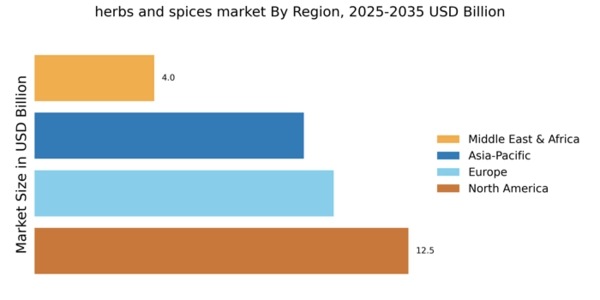
North America continues to lead the herbs and spices market, holding a significant share of 12.5% in 2024. The growth is driven by increasing consumer demand for natural and organic products, alongside a rising trend in home cooking and gourmet food preparation. Regulatory support for food safety and quality standards further enhances market stability, encouraging innovation and product diversification. The United States is the primary market player, with major companies like McCormick & Company and Kraft Heinz Company dominating the landscape. The competitive environment is characterized by a mix of established brands and emerging players, all vying for market share. The presence of diverse culinary traditions fuels demand, making North America a vibrant hub for herbs and spices.
Europe's herbs and spices market is poised for growth, with a market size of €10.0 billion. The increasing health consciousness among consumers is driving demand for natural flavoring agents, as well as the rising popularity of ethnic cuisines. Regulatory frameworks promoting organic farming and sustainable practices are also contributing to market expansion, making it a dynamic sector within the food industry. Leading countries such as Germany, France, and the UK are at the forefront of this market, with key players like Olam International and Associated British Foods actively participating. The competitive landscape is marked by innovation in product offerings and a focus on quality, as companies strive to meet the evolving preferences of consumers. The European market is expected to see continued growth as it adapts to changing consumer trends.
The Asia-Pacific region, with a market size of $9.0 billion, is experiencing rapid growth in the herbs and spices sector. This growth is fueled by a burgeoning middle class, increasing disposable incomes, and a growing interest in culinary diversity. Additionally, the region's rich agricultural heritage provides a strong foundation for spice production, supported by favorable climatic conditions and traditional farming practices. Countries like India, China, and Japan are leading the market, with local players and international brands competing for dominance. The competitive landscape is characterized by a mix of traditional and modern approaches to spice production and distribution. Key players such as Olam International are leveraging local sourcing to enhance their market presence, catering to both domestic and international demand.
The Middle East and Africa region, with a market size of $4.0 billion, is witnessing a growing demand for herbs and spices, driven by the region's rich culinary traditions and increasing interest in diverse flavors. The market is supported by a young population and rising urbanization, which are contributing to changing dietary habits and preferences for flavorful foods. Regulatory initiatives aimed at improving food safety standards are also playing a crucial role in market development. Leading countries such as South Africa and the UAE are at the forefront of this market, with a mix of local and international players competing for market share. Companies like Döhler Group and Spice World are actively involved in the region, focusing on product innovation and quality to meet consumer expectations. The competitive landscape is evolving, with a growing emphasis on organic and sustainably sourced products.
The herbs spices market is characterized by a dynamic competitive landscape, driven by increasing consumer demand for natural flavors and health-conscious products. Key players such as McCormick & Company (US), Olam International (SG), and Kraft Heinz Company (US) are strategically positioned to leverage innovation and sustainability in their operations. McCormick & Company (US) focuses on expanding its product portfolio through acquisitions and partnerships, enhancing its market presence. Olam International (SG) emphasizes supply chain optimization and local sourcing, which aligns with the growing trend towards sustainability. Kraft Heinz Company (US) is investing in digital transformation to enhance customer engagement and streamline operations, indicating a shift towards a more tech-driven approach in the market. The competitive structure of the herbs spices market appears moderately fragmented, with several key players exerting influence over various segments. Localizing manufacturing and optimizing supply chains are prevalent tactics among these companies, allowing them to respond swiftly to market demands and consumer preferences. This collective approach not only enhances operational efficiency but also fosters a competitive environment where innovation and responsiveness are paramount. In November 2025, McCormick & Company (US) announced a strategic partnership with a leading organic farming cooperative to enhance its organic product offerings. This move is significant as it aligns with the increasing consumer preference for organic and sustainably sourced ingredients, potentially positioning McCormick as a leader in the organic segment of the market. The partnership may also facilitate improved supply chain transparency, a growing concern among consumers. In October 2025, Olam International (SG) launched a new line of spice blends aimed at the health-conscious consumer segment. This initiative reflects Olam's commitment to innovation and meeting evolving consumer preferences. By introducing products that cater to health trends, Olam is likely to capture a larger market share and strengthen its brand loyalty among health-focused consumers. In September 2025, Kraft Heinz Company (US) unveiled a digital platform designed to enhance customer interaction and streamline the purchasing process for its spice products. This digital transformation initiative is crucial as it not only improves customer experience but also positions Kraft Heinz to leverage data analytics for better Industry expert's. Such advancements may lead to more targeted marketing strategies and product development, further solidifying its competitive edge. As of December 2025, current trends in the herbs spices market indicate a strong emphasis on digitalization, sustainability, and the integration of AI technologies. Strategic alliances are increasingly shaping the competitive landscape, allowing companies to pool resources and expertise. The shift from price-based competition to a focus on innovation, technology, and supply chain reliability is evident. Companies that prioritize these aspects are likely to differentiate themselves in a crowded market, ensuring long-term success and resilience.





The herbs and spices market is projected to grow at 3.16% CAGR from 2025 to 2035, driven by increasing consumer demand for natural flavors and health benefits.
New opportunities lie in:
By 2035, the herbs and spices market is expected to be robust, reflecting evolving consumer preferences and sustainable practices.
| MARKET SIZE 2024 | 35.5(USD Billion) |
| MARKET SIZE 2025 | 36.62(USD Billion) |
| MARKET SIZE 2035 | 50.0(USD Billion) |
| COMPOUND ANNUAL GROWTH RATE (CAGR) | 3.16% (2025 - 2035) |
| REPORT COVERAGE | Revenue Forecast, Competitive Landscape, Growth Factors, and Trends |
| BASE YEAR | 2024 |
| Market Forecast Period | 2025 - 2035 |
| Historical Data | 2019 - 2024 |
| Market Forecast Units | USD Billion |
| Key Companies Profiled | McCormick & Company (US), Kraft Heinz Company (US), Olam International (SG), Döhler Group (DE), Associated British Foods (GB), Spice World (US), Badia Spices (US), Frontier Co-op (US), Penzeys Spices (US) |
| Segments Covered | Application, Form, Distribution Channel, End Use |
| Key Market Opportunities | Growing consumer preference for organic and sustainably sourced products in the herbs spices market. |
| Key Market Dynamics | Rising consumer demand for organic herbs and spices drives innovation and competition among suppliers. |
| Countries Covered | North America, Europe, APAC, South America, MEA |
The herbs and spices market was valued at 35.5 USD Billion in 2024.
The market is projected to reach 50.0 USD Billion by 2035.
The expected CAGR for the herbs and spices market from 2025 to 2035 is 3.16%.
Key players include McCormick & Company, Kraft Heinz Company, Olam International, and others.
The main applications include culinary, medicinal, cosmetic, aromatic, and industrial uses.
The market segments by form include whole, ground, extract, dried, and fresh herbs and spices.
Distribution channels include online sales, supermarkets, specialty stores, wholesale, and direct sales.
Primary end-use sectors include the food industry, pharmaceuticals, cosmetics, household, and beverages.
The culinary segment was valued at 15.0 USD Billion in 2024.
The dried form is projected to grow from 8.0 USD Billion in 2024 to 11.0 USD Billion by 2035.


Kindly complete the form below to receive a free sample of this Report

“This is really good guys. Excellent work on a tight deadline. I will continue to use you going forward and recommend you to others. Nice job”


“Thanks. It’s been a pleasure working with you, please use me as reference with any other Intel employees.”


“Thanks for sending the report it gives us a good global view of the Betaïne market.”


“Thank you, this will be very helpful for OQS.”


“We found the report very insightful! we found your research firm very helpful. I'm sending this email to secure our future business.”


“I am very pleased with how market segments have been defined in a relevant way for my purposes (such as "Portable Freezers & refrigerators" and "last-mile"). In general the report is well structured. Thanks very much for your efforts.”


“I have been reading the first document or the study, ,the Global HVAC and FP market report 2021 till 2026. Must say, good info! I have not gone in depth at all parts, but got a good indication of the data inside!”


“We got the report in time, we really thank you for your support in this process. I also thank to all of your team as they did a great job.”


“The Automotive 48V ECU Components Procurement Intelligence Study” was a complex project, but the Market Research Future (MRFR) team handled it with quality, agility, and customer-centricity. They delivered all requested data on time and within the agreed scope. The team, including Shubhendra Anand and Rahul Gotadki, was always readily available to clarify questions and swiftly implement necessary adjustments, driving the project to a successful conclusion within a very demanding timeframe.
I would also like to specifically commend Akshay Agarwal for his responsiveness and support at every stage—from our initial inquiry on May 6th through to final delivery on June 18th. His dedication made the entire process seamless.”



