Download Free Sample
Kindly complete the form below to receive a free sample of this Report
Luxury Leather Good Market Size, Share, Industry Trend & Analysis Research Report By Product Category (Handbags, Footwear, Belts, Luggage, Wallets and Accessories), By Material (Leather, Exotic Skins, Fabric, Canvas, Synthetic Materials), By End-Use (Men, Women, Unisex), By Price Range (High-End, Mid-Range, Affordable Luxury), By Distribution Channel (Online Stores, Physical Boutiques, Department Stores, Multi-Brand Retailers) andBy Regional (North America, Europe, South America, Asia Pacific, Middle East and Africa)- Forecast to 2035
As per Market Research Future analysis, the Luxury Leather Good Market Size was estimated at 60.43 USD Billion in 2024. The Luxury Leather Good industry is projected to grow from 64.43 USD Billion in 2025 to 122.32 USD Billion by 2035, exhibiting a compound annual growth rate (CAGR) of 6.62% during the forecast period 2025 - 2035
The Luxury Leather Good Market is experiencing a dynamic shift towards sustainability and digital engagement.
| 2024 Market Size | 60.43 (USD Billion) |
| 2035 Market Size | 122.32 (USD Billion) |
| CAGR (2025 - 2035) | 6.62% |
The Luxury Leather Good Market is currently experiencing a dynamic evolution, characterized by shifting consumer preferences and an increasing emphasis on sustainability. As consumers become more discerning, they appear to prioritize quality and craftsmanship over mere brand recognition. This trend suggests a growing appreciation for artisanal products that reflect individuality and personal style. Furthermore, the market seems to be influenced by a heightened awareness of ethical sourcing and production practices, leading brands to adopt more transparent supply chains. In addition, the Luxury Leather Good Market is witnessing a surge in digital engagement, as brands leverage e-commerce platforms to reach a broader audience. This digital transformation not only enhances accessibility but also allows for personalized shopping experiences. The integration of technology into the luxury sector appears to be reshaping consumer interactions, fostering a more immersive and engaging environment. As the market continues to adapt to these changes, it is likely that innovation and sustainability will remain at the forefront of strategic initiatives.
The Luxury Leather Good Market is increasingly prioritizing sustainable practices, with brands adopting eco-friendly materials and ethical production methods. This shift reflects a growing consumer demand for transparency and responsibility in sourcing.
The rise of e-commerce is reshaping the Luxury Leather Good Market, as brands enhance their online presence to cater to tech-savvy consumers. This trend facilitates personalized shopping experiences and broader market reach.
There is a notable trend towards valuing artisanal craftsmanship within the Luxury Leather Good Market. Consumers are gravitating towards unique, handcrafted items that emphasize quality and individuality, moving away from mass-produced goods.
The Luxury Leather Good Market appears to be positively influenced by the increasing disposable income among consumers. As individuals experience higher earnings, they tend to allocate a portion of their income towards luxury items, including leather goods. This trend is particularly evident in emerging markets, where a burgeoning middle class is eager to invest in high-quality products. According to recent data, the luxury goods sector has seen a growth rate of approximately 5% annually, with leather goods being a significant contributor. The willingness to spend on premium products suggests a robust demand for luxury leather items, indicating a favorable environment for market expansion.
Consumer preferences are shifting towards personalized and unique luxury items, which significantly impacts the Luxury Leather Good Market. Today's consumers are increasingly seeking products that reflect their individuality and lifestyle choices. This trend is evident in the rising demand for bespoke leather goods, which cater to specific tastes and preferences. Market data indicates that the customization segment within the luxury sector is projected to grow by 7% over the next few years. This evolution in consumer behavior suggests that brands must adapt their offerings to meet these changing demands, thereby enhancing their market position.
Sustainability has emerged as a critical driver within the Luxury Leather Good Market. Consumers are becoming more conscious of the environmental and ethical implications of their purchases. As a result, brands that prioritize sustainable practices and ethical sourcing are likely to gain a competitive edge. Recent studies indicate that approximately 60% of luxury consumers are willing to pay a premium for products that are environmentally friendly. This shift towards sustainability not only influences purchasing decisions but also encourages brands to innovate in their production processes, thereby aligning with consumer values and enhancing brand loyalty.
The Luxury Leather Good Market is experiencing a significant transformation due to the rise of digital platforms and e-commerce. As consumers increasingly turn to online shopping, luxury brands are adapting their strategies to enhance their digital presence. Data suggests that online sales in the luxury sector are expected to account for over 30% of total sales by 2025. This shift necessitates that brands invest in robust e-commerce platforms and digital marketing strategies to reach a broader audience. The integration of technology not only facilitates convenience for consumers but also allows brands to engage with their customers in innovative ways.
Social media platforms and celebrity endorsements play a pivotal role in shaping consumer perceptions within the Luxury Leather Good Market. The visibility and influence of luxury brands on platforms like Instagram and TikTok have transformed marketing strategies. Data indicates that approximately 70% of consumers are influenced by social media when making luxury purchases. This trend underscores the importance of maintaining a strong online presence and leveraging influencer partnerships to enhance brand visibility. As consumers increasingly seek validation from social media, brands that effectively utilize these channels are likely to see a boost in sales and brand loyalty.
Within the Luxury Leather Goods Market, handbags dominate the product category with a significant share, showcasing their critical role in consumer purchasing decisions. They represent the cornerstone of luxury fashion, appealing to a wide demographic that emphasizes quality and style. Following closely is the footwear segment, which, while smaller in market share, exhibits rapid growth due to evolving fashion trends and a shift towards luxury casual wear. The growth of the footwear segment is driven by increasing consumer interest in lifestyle-oriented luxury products and the integration of innovative designs. As global fashion preferences evolve, there is an evident trend towards personalization and sustainability in luxury footwear, making it the fastest-growing category. Brands are actively investing in unique designs that cater to discerning consumers, transforming footwear into a fashion statement beyond functionality.
Handbags: Dominant vs. Footwear: Emerging
Handbags have established themselves as the dominant force in the luxury leather goods market, characterized by their diverse range of styles, from classic clutches to oversized totes. They embody status and serve as essential fashion accessories for luxury consumers, with leading brands continuously innovating to meet demands for quality and craftsmanship. On the other hand, the footwear segment is emerging robustly, appealing particularly to younger consumers seeking both style and comfort. The market is witnessing a heightened interest in luxury sneakers and designer casual footwear, reflecting a broader trend toward versatile, fashionable options. While handbags continue to lead the market, the rapid evolution of footwear trends signifies its potential to redefine consumer engagement in the luxury segment.
In the Luxury Leather Good Market, the material segment witnesses a diverse range of products, prominently dominated by leather, which commands the largest market share. Leather is revered for its durability, timeless appeal, and luxury perception, making it a staple in high-end fashion. Following leather, exotic skins are gaining traction, catering to the luxury market's desire for exclusivity and unique designs. Other materials like fabric, canvas, and synthetic materials hold smaller shares but contribute significantly to the overall diversity and offerings in the market.
Leather: (Dominant) vs. Exotic Skins (Emerging)
Leather stands out as the dominant material in the Luxury Leather Good Market, celebrated for its quality, versatility, and ability to age beautifully, thereby enhancing its appeal over time. It is crafted into an array of luxury items such as bags, wallets, and jackets, often associated with high-status brands. On the other hand, exotic skins are emerging as a significant force in this sector, appealing to consumers who prioritize uniqueness and luxury rarity. Exotic skins, sourced from animals like crocodiles and snakes, bring a distinct aesthetic and price point, fostering a growing niche market among affluent consumers. The combination of craftsmanship and rarity propels exotic skins into the spotlight, making them a fast-growing choice within luxury accessories.
In the Luxury Leather Good Market, the segmentation by end-use clearly indicates that men’s products dominate the market share. This dominance stems from traditional purchasing patterns where men invest significantly in leather goods such as bags, wallets, and belts, which are perceived as essential luxury items. Meanwhile, the women’s segment, although currently smaller, is showing significant promise as it captures the attention of fashion-conscious consumers who prioritize high-quality leather accessories as status symbols.
Men (Dominant) vs. Women (Emerging)
The men’s segment in the luxury leather goods market is characterized by a strong brand loyalty and a preference for timeless, classic designs. Men are increasingly viewing leather goods not just as functional items but as integral parts of their personal style, leading to consistent purchases. On the other hand, the women’s segment is emerging rapidly, favored by trends in women’s fashion that emphasize versatility and durability in luxury goods. As this segment grows, brands are adapting their designs to include bold and dynamic styles that cater to a younger audience, thereby enhancing their appeal in the luxury market.
The Luxury Leather Good Market showcases a diverse price range, with the High-End segment commanding the largest share. This segment is characterized by premium brands that cater to affluent consumers willing to invest significantly in high-quality products. Mid-Range offerings hold a substantial portion of the market as well, attracting consumers seeking luxury at slightly more accessible prices. However, the Affordable Luxury category has emerged as a noteworthy player, tapping into the growing demand for high-quality leather goods that are more affordable without compromising on style and quality.
Mid-Range: (Dominant) vs. Affordable Luxury (Emerging)
The Mid-Range segment dominates the Luxury Leather Good Market by appealing to a broad spectrum of consumers who desire luxury without the exorbitant price tags associated with high-end brands. This segment typically offers products with quality craftsmanship, attractive designs, and brand recognition that resonates with consumers. Conversely, the Affordable Luxury segment has quickly risen to prominence, driven by changing consumer preferences towards stylish, high-quality goods that remain budget-friendly. This trend is particularly appealing to millennials and younger consumers who prioritize value and brand ethos, leading to innovation in product design and marketing strategies that focus on inclusivity and accessibility.
In the Luxury Leather Good Market, online stores dominate the distribution channels, capturing a significant share due to the convenience and accessibility they offer consumers. Customers increasingly prefer shopping online for luxury goods, as they can explore various options, compare prices, and enjoy exclusive online collections. Physical boutiques, however, continue to hold their charm, attracting consumers who seek personalized experiences and the ability to physically assess the quality of products before purchasing.
Physical Boutiques: Dominant vs. Multi-Brand Retailers: Emerging
Physical boutiques remain a dominant force in the Luxury Leather Good Market, characterized by their ability to provide tailored experiences and comprehensive brand storytelling. These exclusive retail spaces allow luxury brands to create an intimate atmosphere where customers can interact with products firsthand. In contrast, multi-brand retailers are emerging as significant players, offering a curated selection of various luxury brands in one location. This dynamic appeals to consumers looking for variety and the latest trends, making multi-brand retail an increasingly attractive option as it captures a different segment of the luxury market that values choice and diversity.
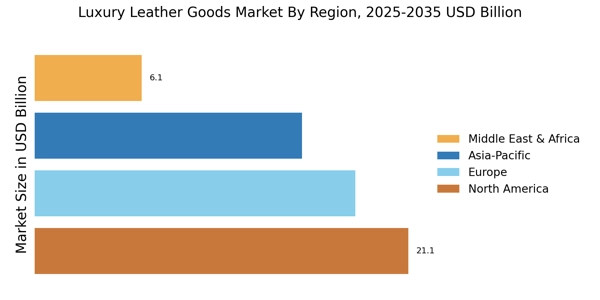
The regional segmentation of the Luxury Leather Good Market offers insights into the market's geographical distribution and growth potential. North America holds a significant share of the market, driven by the presence of affluent consumers and a strong retail infrastructure. Europe follows closely, with major luxury fashion hubs in cities such as Paris, Milan, and London.
The Asia-Pacific (APAC) region is projected to witness the fastest growth over the forecast period, fueled by rising disposable incomes and a growing appetite for luxury goods in countries like China and India.South America and the Middle East and Africa (MEA) regions also contribute to the market, albeit to a lesser extent. The Luxury Leather Good Market is expected to reach a valuation of approximately USD 58.94 billion by 2024, showcasing consistent growth across all regions.
Major players in Luxury Leather Good Market industry adopt various strategies in order to gain market share. The leading Luxury Leather Good Market players focus on product innovation and expansion of their product portfolio to meet the changing needs of consumers. Some of the major players in the global luxury leather goods market include Louis Vuitton, Gucci, Herms, Prada, and Chanel. These companies are known for their high-quality products, craftsmanship, and brand recognition. LVMH, the parent company of Louis Vuitton, generated over 76 billion euros in revenue in 2023. One of the leading companies in the luxury leather goods market, Louis Vuitton focuses on maintaining its position by offering a wide range of products, including handbags, luggage, shoes, and accessories. The company has a strong brand presence and a loyal customer base. It also focuses on expanding its reach through new store openings and collaborations with other brands. One of the main competitors in the luxury leather goods market is Kering, the parent company of Gucci. Gucci generated over 15 billion euros in revenue in 2023. The company emphasizes creativity and innovation in its designs and focuses on attracting a younger customer base. Gucci's handbags, shoes, and accessories are known for their unique and stylish designs. The company also has a strong online presence and invests in digital marketing to reach its target audience.

The Luxury Leather Good Market is projected to grow at a 6.62% CAGR from 2025 to 2035, driven by increasing consumer demand, sustainability trends, and digital transformation.
New opportunities lie in:
By 2035, the market is expected to solidify its position as a leader in luxury consumer goods.
| MARKET SIZE 2024 | 60.43(USD Billion) |
| MARKET SIZE 2025 | 64.43(USD Billion) |
| MARKET SIZE 2035 | 122.32(USD Billion) |
| COMPOUND ANNUAL GROWTH RATE (CAGR) | 6.62% (2025 - 2035) |
| REPORT COVERAGE | Revenue Forecast, Competitive Landscape, Growth Factors, and Trends |
| BASE YEAR | 2024 |
| Market Forecast Period | 2025 - 2035 |
| Historical Data | 2019 - 2024 |
| Market Forecast Units | USD Billion |
| Key Companies Profiled | Louis Vuitton (FR), Gucci (IT), Hermes (FR), Prada (IT), Chanel (FR), Burberry (GB), Fendi (IT), Salvatore Ferragamo (IT), Bally (CH) |
| Segments Covered | Product Category, Material, End-Use, Price Range, Distribution Channel, Regional |
| Key Market Opportunities | Integration of sustainable materials and ethical practices in the Luxury Leather Good Market. |
| Key Market Dynamics | Shifting consumer preferences towards sustainable materials drive innovation and competition in the luxury leather goods sector. |
| Countries Covered | North America, Europe, APAC, South America, MEA |
As of 2024, the Luxury Leather Good Market was valued at 60.43 USD Billion.



Kindly complete the form below to receive a free sample of this Report

“This is really good guys. Excellent work on a tight deadline. I will continue to use you going forward and recommend you to others. Nice job”


“Thanks. It’s been a pleasure working with you, please use me as reference with any other Intel employees.”


“Thanks for sending the report it gives us a good global view of the Betaïne market.”


“Thank you, this will be very helpful for OQS.”


“We found the report very insightful! we found your research firm very helpful. I'm sending this email to secure our future business.”


“I am very pleased with how market segments have been defined in a relevant way for my purposes (such as "Portable Freezers & refrigerators" and "last-mile"). In general the report is well structured. Thanks very much for your efforts.”


“I have been reading the first document or the study, ,the Global HVAC and FP market report 2021 till 2026. Must say, good info! I have not gone in depth at all parts, but got a good indication of the data inside!”


“We got the report in time, we really thank you for your support in this process. I also thank to all of your team as they did a great job.”


“The Automotive 48V ECU Components Procurement Intelligence Study” was a complex project, but the Market Research Future (MRFR) team handled it with quality, agility, and customer-centricity. They delivered all requested data on time and within the agreed scope. The team, including Shubhendra Anand and Rahul Gotadki, was always readily available to clarify questions and swiftly implement necessary adjustments, driving the project to a successful conclusion within a very demanding timeframe.
I would also like to specifically commend Akshay Agarwal for his responsiveness and support at every stage—from our initial inquiry on May 6th through to final delivery on June 18th. His dedication made the entire process seamless.”



