North America : Leading Innovation and Adoption
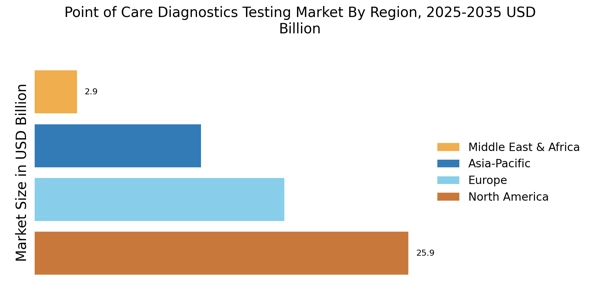
North America leads in the Point of Care Diagnostics Testing Market Size, accounting for over 44.88% of the global revenue in 2024. The region's growth is driven by increasing demand for rapid diagnostic tests, technological advancements, and supportive regulatory frameworks.
CDC reports that 60% of U.S. adults live with at least one chronic disease, while over 37 million Americans have diabetes, significantly increasing demand for point-of-care diagnostic testing and rapid monitoring solutions across healthcare systems.
The COVID-19 pandemic has further accelerated the adoption of point-of-care testing, leading to significant investments in healthcare infrastructure and innovation. The United States is the primary contributor to this market, with key players like Abbott Laboratories, Roche Diagnostics, and Thermo Fisher Scientific leading the charge. The competitive landscape is characterized by continuous innovation and strategic partnerships among these companies. The presence of advanced healthcare facilities and a focus on personalized medicine further bolster the market's growth in this region.
Europe : Regulatory Support and Growth
Europe Point of Care Diagnostics Testing Market size was valued at USD 17.31 Billion in 2024, making it the second-largest regional market with a 30% share. The region benefits from stringent regulatory standards that ensure the quality and reliability of diagnostic tests. Increasing prevalence of chronic diseases and a growing emphasis on preventive healthcare are key drivers of market growth.
WHO Europe reports that chronic diseases account for nearly 86% of all deaths in the region, while increasing adoption of early diagnostic and preventive healthcare measures is significantly boosting demand for point-of-care testing solutions.
The European Union's initiatives to enhance healthcare accessibility also play a significant role in shaping the market landscape. Leading countries in this region include Germany, France, and the UK, where companies like Siemens Healthineers and Roche Diagnostics are prominent. The competitive environment is marked by innovation and collaboration among various stakeholders, including healthcare providers and technology firms. The presence of robust healthcare systems and a focus on research and development further enhance the market's potential.
Asia-Pacific : Rapid Growth and Expansion
Asia-Pacific is witnessing rapid growth in the Point of Care Diagnostics Testing Market, holding approximately 20% of the global market share. The region's growth is fueled by rising healthcare expenditures, increasing awareness of early disease detection, and a growing aging population. Additionally, government initiatives aimed at improving healthcare infrastructure and access to diagnostic services are significant catalysts for market expansion.
Countries like China, India, and Japan are leading the charge, with a mix of local and international players such as Danaher Corporation and Becton Dickinson making significant inroads. The competitive landscape is evolving, with a focus on affordable and accessible testing solutions. The region's diverse healthcare needs and varying regulatory environments present both challenges and opportunities for market participants.
Middle East and Africa : Untapped Potential and Growth
The Middle East and Africa region is gradually emerging in the Point of Care Diagnostics Testing Market, holding about 5% of the global market share. The growth is driven by increasing investments in healthcare infrastructure, rising prevalence of infectious diseases, and a growing focus on improving healthcare access. Government initiatives aimed at enhancing diagnostic capabilities are also contributing to market development in this region.
Leading countries include South Africa, UAE, and Saudi Arabia, where local and international companies are beginning to establish a foothold. The competitive landscape is characterized by a mix of established players and new entrants, focusing on innovative solutions tailored to local needs. The region's unique challenges, such as varying healthcare standards and economic disparities, present both hurdles and opportunities for growth.