Increased Industrial Automation
The trend towards increased industrial automation is significantly impacting the Refrigerated Air Dryer Market. As industries adopt automated processes to enhance efficiency and reduce labor costs, the need for reliable and efficient air drying systems becomes paramount. Automated systems require consistent and high-quality compressed air, which is where refrigerated air dryers play a crucial role. Market analysis suggests that the integration of air dryers with automated systems can lead to improved operational performance and reduced downtime. Additionally, the rise of smart manufacturing and Industry 4.0 initiatives is driving the demand for advanced air drying solutions that can seamlessly integrate with other automated processes. As a result, the Refrigerated Air Dryer Market is likely to experience growth as companies seek to optimize their operations through automation.
Regulatory Compliance and Standards
Regulatory compliance is a critical driver in the Refrigerated Air Dryer Market, as manufacturers and end-users must adhere to stringent environmental and safety standards. Governments worldwide are implementing regulations aimed at reducing emissions and promoting energy efficiency, which directly impacts the design and operation of air dryers. Compliance with these regulations often necessitates the adoption of advanced technologies and practices, thereby influencing purchasing decisions. Market data indicates that companies investing in compliant technologies are better positioned to meet market demands and avoid potential penalties. Furthermore, adherence to industry standards not only ensures operational efficiency but also enhances customer trust and satisfaction. As regulations continue to evolve, the Refrigerated Air Dryer Market will likely see increased demand for products that meet or exceed these compliance requirements.
Emerging Market Growth Opportunities
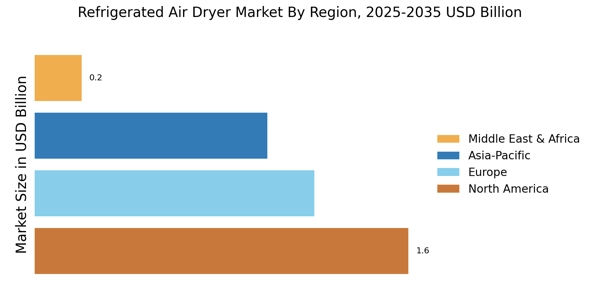
The Refrigerated Air Dryer Market is poised for growth, particularly in emerging markets where industrialization is accelerating. As countries invest in infrastructure and manufacturing capabilities, the demand for reliable air drying solutions is on the rise. Data suggests that regions such as Asia-Pacific and Latin America are witnessing significant increases in industrial activities, which in turn drives the need for efficient air drying systems. This growth is further supported by the expansion of sectors such as food and beverage, pharmaceuticals, and automotive, all of which require high-quality compressed air systems. Companies that strategically position themselves in these emerging markets may find lucrative opportunities to expand their market share. The Refrigerated Air Dryer Market is thus likely to benefit from this trend, as businesses seek to enhance productivity and maintain quality standards.
Sustainability Initiatives Driving Demand
Sustainability initiatives are increasingly influencing the Refrigerated Air Dryer Market, as businesses strive to meet environmental regulations and consumer expectations. The push for reduced carbon footprints and energy consumption is prompting manufacturers to develop more eco-friendly air dryers. This shift is evident in the growing demand for models that utilize low-GWP refrigerants and energy-efficient designs. Market data indicates that the segment of sustainable refrigerated air dryers is expected to grow at a robust rate, reflecting a broader trend towards environmentally responsible manufacturing practices. Companies that prioritize sustainability not only enhance their brand image but also attract a more conscientious customer base. As industries across various sectors adopt greener technologies, the Refrigerated Air Dryer Market is likely to see a sustained increase in demand for innovative, eco-friendly solutions.
Technological Advancements in Refrigerated Air Dryer Market
The Refrigerated Air Dryer Market is experiencing a notable transformation due to rapid technological advancements. Innovations in energy efficiency and automation are becoming increasingly prevalent. For instance, the integration of smart sensors and IoT technology allows for real-time monitoring and optimization of air drying processes. This not only enhances operational efficiency but also reduces energy consumption, which is a critical factor in the current market landscape. According to recent data, energy-efficient models are projected to account for a significant share of the market, as industries seek to lower operational costs. Furthermore, advancements in refrigerant technology are contributing to improved performance and reduced environmental impact, aligning with global sustainability goals. As a result, companies that invest in these technologies are likely to gain a competitive edge in the Refrigerated Air Dryer Market.