Download Free Sample
Kindly complete the form below to receive a free sample of this Report
UK Compression Therapy Market Research Report: Size, Share, Trend Analysis By Product Type (Compression Garments, Compression Bandages, Compression Pumps, Compression Hosiery), By Applications (Chronic Venous Insufficiency, Lymphedema, Sports Injuries, Post-Surgical Recovery), By End-user (Hospitals, Ambulatory Surgical Centers, Home Care Settings, Rehabilitation Centers), andBy Distribution Channel (Online Pharmacies, Retail Pharmacies, Hospital Pharmacies, Medical Supply Stores) - Growth Outlook & Industry Forecast 2025 To 2035
As per Market Research Future analysis, the UK compression therapy market Size was estimated at 146.27 USD Million in 2024. The UK compression therapy market is projected to grow from 154.2 USD Million in 2025 to 261.41 USD Million by 2035, exhibiting a compound annual growth rate (CAGR) of 5.4% during the forecast period 2025 - 2035
The UK compression therapy market is experiencing robust growth driven by technological advancements and increasing awareness.
| 2024 Market Size | 146.27 (USD Million) |
| 2035 Market Size | 261.41 (USD Million) |
| CAGR (2025 - 2035) | 5.42% |
Essity (SE), Medtronic (US), 3M (US), BSN Medical (DE), Sigvaris (CH), Juzo (DE), Tactile Medical (US), Lohmann & Rauscher (DE)
Our Impact
Enabled $4.3B Revenue Impact for Fortune 500 and Leading Multinationals
Partnering with 2000+ Global Organizations Each Year
30K+ Citations by Top-Tier Firms in the Industry
The compression therapy market is currently experiencing notable growth, driven by an increasing awareness of the benefits associated with compression garments and devices. This market is characterized by a diverse range of products designed to alleviate various medical conditions, including venous disorders, lymphedema, and sports injuries. The rising prevalence of chronic diseases, coupled with an aging population, appears to be propelling demand for effective therapeutic solutions. Furthermore, advancements in technology and materials are enhancing the efficacy and comfort of compression products, making them more appealing to consumers. In addition, the regulatory environment in the UK is evolving, with stricter guidelines ensuring product safety and effectiveness. This trend may lead to increased consumer confidence in compression therapy solutions. Healthcare professionals are increasingly recommending these products, which could further stimulate market growth. As the market continues to expand, it is likely that innovation will play a crucial role in shaping future offerings, catering to the specific needs of patients and athletes alike. Overall, the compression therapy market is poised for continued development, with a focus on quality, safety, and patient satisfaction. The interplay of technological advancements and regulatory frameworks will likely define the landscape in the coming years.
Innovations in materials and design are enhancing the effectiveness and comfort of compression products. New technologies are being integrated into garments, allowing for better fit and improved therapeutic outcomes. This trend is likely to attract a broader consumer base, including athletes and individuals seeking preventive care.
There is a growing emphasis on educating both healthcare professionals and patients about the benefits of compression therapy. Campaigns aimed at raising awareness are likely to drive demand, as more individuals recognize the potential advantages of using compression products for various health conditions.
The regulatory landscape surrounding compression therapy products is becoming more stringent, ensuring higher safety and efficacy standards. This trend may enhance consumer trust and confidence in the products available in the market, potentially leading to increased adoption among healthcare providers.
Innovations in compression technology are significantly influencing the compression therapy market in the UK. The development of smart textiles and wearable devices that provide adjustable compression levels is gaining traction. These advancements not only enhance patient comfort but also improve compliance with treatment regimens. For instance, some new products incorporate sensors that monitor blood flow and adjust compression accordingly, offering a tailored approach to therapy. The market for these advanced solutions is projected to grow, with estimates suggesting a compound annual growth rate (CAGR) of around 8% over the next five years. As healthcare providers and patients alike recognize the advantages of these technologies, the demand for innovative compression therapy solutions is likely to rise, further propelling the market.
The compression therapy market in the UK is witnessing a transformation due to the expansion of e-commerce and retail channels. With the rise of online shopping, patients now have greater access to a variety of compression products, ranging from stockings to wraps. This shift is particularly beneficial for individuals who may have difficulty accessing traditional healthcare settings. The convenience of online purchasing, coupled with competitive pricing, is likely to drive market growth. Recent statistics indicate that online sales of medical supplies, including compression therapy products, have increased by approximately 15% in the past year. As more consumers turn to digital platforms for their healthcare needs, the compression therapy market is expected to see a significant boost in sales and market penetration.
The compression therapy market in the UK is benefiting from a growing emphasis on preventive healthcare measures. As healthcare systems shift towards proactive management of health conditions, there is a heightened awareness of the role that compression therapy can play in preventing complications associated with venous disorders. This trend is reflected in the increasing recommendations from healthcare professionals for the use of compression garments in at-risk populations, such as pregnant women and individuals with sedentary lifestyles. The market is projected to expand as more individuals seek preventive solutions, with estimates indicating a potential growth of 6% annually. This focus on prevention not only enhances patient quality of life but also reduces long-term healthcare costs, making compression therapy an attractive option for both patients and providers.
The compression therapy market in the UK is experiencing growth due to the increasing prevalence of chronic venous disorders, such as varicose veins and chronic venous insufficiency. According to recent data, approximately 30% of the adult population in the UK is affected by some form of venous disease. This rising incidence necessitates effective treatment options, with compression therapy being a primary choice for managing symptoms and improving patient outcomes. The demand for compression garments and devices is likely to increase as healthcare providers seek to address these conditions more effectively. Furthermore, the aging population, which is more susceptible to venous disorders, contributes to the expanding market. As awareness of the benefits of compression therapy grows, it is expected that more patients will seek these solutions, thereby driving the compression therapy market forward.
Supportive government policies and initiatives are playing a crucial role in shaping the compression therapy market in the UK. The government has been actively promoting awareness and accessibility of treatment options for venous disorders, which includes advocating for the use of compression therapy. Initiatives aimed at improving patient education and access to medical supplies are likely to enhance the market landscape. Furthermore, funding for research and development in this area is expected to increase, fostering innovation and improving product offerings. As a result, the compression therapy market may experience accelerated growth, with projections indicating a potential increase in market size by 10% over the next few years. These supportive measures not only benefit patients but also encourage manufacturers to invest in new technologies and solutions.
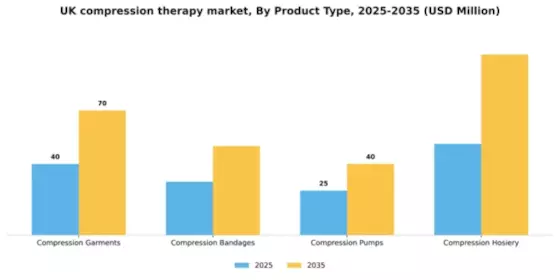
In the UK compression therapy market, the product type segment showcases a diverse array of products including compression garments, bandages, pumps, and hosiery. Compression garments lead the market as the largest share holder, serving a broad range of medical conditions. Meanwhile, compression bandages are gaining traction, with a notable increase in adoption among patients due to their convenience and effectiveness for quick application. The growth trends indicate that the compression bandages segment is on the rise, driven by advancements in material technology that enhance comfort and effectiveness. Additionally, increasing awareness of the benefits of compression therapy among healthcare providers is propelling the demand for both garments and bandages. More patients are seeking personalized solutions to manage chronic conditions, which will continue to elevate the market overall.
Compression Garments (Dominant) vs. Compression Bandages (Emerging)
Compression garments are well-established as the dominant product type in the UK compression therapy market, characterized by their extensive use in managing conditions like venous insufficiency and lymphedema. They offer various designs tailored for comfort and effectiveness, catering to both medical and athletic needs. In contrast, compression bandages emerge as a vital solution for patients requiring swift and adjustable support. Their flexibility makes them suitable for acute injuries and post-surgery recovery. As more healthcare practitioners endorse these products for their efficacy and convenience, the future of both compression garments and bandages appears promising, with the latter segment expected to witness rapid growth driven by innovation and increasing patient demands.
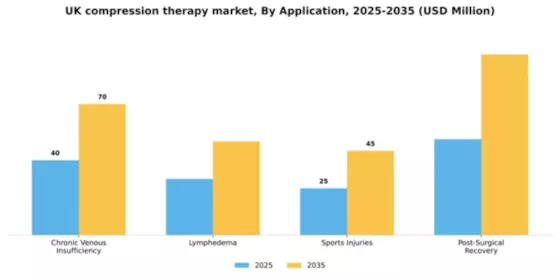
In the UK compression therapy market, Chronic Venous Insufficiency (CVI) constitutes the largest share, reflecting a significant proportion of the overall market. Its prominence is driven by the increasing prevalence of venous disorders and the growing awareness of treatment options among both patients and healthcare providers. This condition's robust presence highlights the critical need for effective compression therapy solutions tailored to manage CVI effectively. Conversely, the Lymphedema segment is emerging as the fastest-growing area within the market, fueled by rising incidence rates and an aging population. The demand for innovative and more efficient treatment modalities continues to grow, supported by advancements in compression technology. Furthermore, increased advocacy and patient education around Lymphedema management are further propelling this segment's growth trajectory, indicating a promising future for compression solutions in this area.
Chronic Venous Insufficiency (Dominant) vs. Lymphedema (Emerging)
Chronic Venous Insufficiency (CVI) remains the dominant application in the UK compression therapy market, characterized by a large patient population and established treatment protocols. This segment benefits from longstanding clinical guidelines and a broad range of compression products designed to alleviate symptoms and improve quality of life. In contrast, Lymphedema is recognized as an emerging segment, with increasing attention from healthcare providers and patients alike. The need for specialized treatment options drives innovation and investment in this category. Emerging products focus on precision therapy that caters to the unique characteristics of Lymphedema, such as varying severity levels and anatomical considerations, thus offering tailored solutions that enhance overall treatment effectiveness.
In the UK compression therapy market, hospitals hold the largest share, attributed to their extensive patient base and the wide range of therapies offered. Ambulatory surgical centers also contribute significantly, but their share is notably less than that of hospitals. Home care settings are increasingly gaining traction, particularly among patients seeking convenient and flexible therapy options, though they currently represent a smaller portion of the market. The growth trends reveal that home care settings are becoming the fastest-growing segment, driven by an increasing preference for at-home treatments among patients and advancements in technology that facilitate remote monitoring and care. Rehabilitation centers also show steady growth, supported by partnerships with healthcare providers and a growing focus on wellness and recovery. The overall trend indicates a shift towards more decentralized care models as the demand for accessible compression therapy rises.
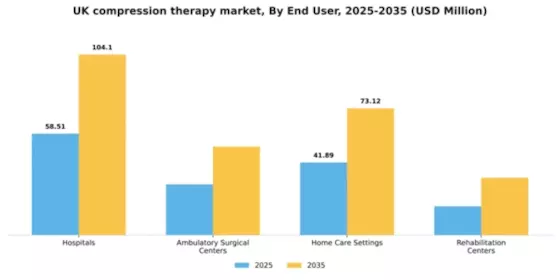
Hospitals (Dominant) vs. Home Care Settings (Emerging)
Hospitals dominate the UK compression therapy market, offering a full spectrum of treatments and equipped with advanced medical resources. This segment benefits from an established infrastructure and a high level of trust among patients, enabling comprehensive care and monitoring. In contrast, home care settings are emerging rapidly, appealing to those seeking convenience and cost-effectiveness. These settings leverage innovative technologies, such as mobile health applications, to support therapy adherence and patient engagement. The combination of a growing aging population and a push for personalized healthcare solutions propels home care settings forward, indicating a shift in patient preferences that could reshape the market landscape.
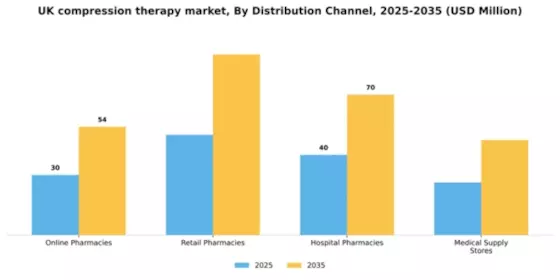
In the UK compression therapy market, distribution channels are crucial for ensuring that patients have access to necessary therapeutic products. Online pharmacies hold the largest market share, effectively catering to the growing preference for convenient, home-based shopping. Retail pharmacies are significant players as well, although they are currently experiencing rapid growth, driven by increasing consumer confidence and foot traffic in physical stores. Growth trends in this segment indicate a shift towards online shopping, largely propelled by advancements in digital platforms and changing consumer habits. The COVID-19 pandemic has spurred this increase, as many consumers turned to online pharmacies for their needs. However, retail pharmacies are not lagging behind; they are evolving by enhancing in-store experiences and expanding their product ranges, which contributes to their emerging status in the market.
Online Pharmacies (Dominant) vs. Retail Pharmacies (Emerging)
Online pharmacies have established a dominant position in the UK compression therapy market due to their vast product offerings and the convenience they provide to consumers. They are favored for their ease of access, often allowing customers to compare various brands and types of therapies without leaving their homes. This segment benefits from the rapid adoption of e-commerce and digital marketing strategies, which create a seamless shopping experience. On the other hand, retail pharmacies are emerging as important players by enhancing customer service and availability of specialized products. They are adapting to the market by offering personalized consultations and increasing the number of available therapy products, which helps them gain market share and enhances their appeal to consumers.
Get more detailed insights about UK Compression Therapy Market Request Free Sample
The compression therapy market in the UK is characterized by a dynamic competitive landscape, driven by increasing awareness of chronic venous diseases and the growing prevalence of conditions requiring compression therapy. Key players such as Essity (SE), Medtronic (US), and 3M (US) are strategically positioned to leverage innovation and technological advancements. Essity (SE) focuses on enhancing product efficacy through research and development, while Medtronic (US) emphasizes digital health solutions to improve patient outcomes. 3M (US) is actively pursuing partnerships to expand its product offerings, thereby shaping a competitive environment that prioritizes innovation and patient-centric solutions. The market structure appears moderately fragmented, with several players vying for market share. Companies are increasingly localizing manufacturing and optimizing supply chains to enhance operational efficiency. This strategy not only reduces costs but also allows for quicker response times to market demands. The collective influence of these key players fosters a competitive atmosphere where agility and responsiveness are paramount, enabling them to adapt to evolving consumer needs and regulatory requirements. In October 2025, Essity (SE) announced the launch of a new line of sustainable compression garments designed to reduce environmental impact while maintaining high therapeutic efficacy. This strategic move underscores the company's commitment to sustainability, which is becoming a critical factor in consumer purchasing decisions. By integrating eco-friendly materials, Essity (SE) positions itself as a leader in sustainable practices within the compression therapy market, potentially attracting a broader customer base. In September 2025, Medtronic (US) unveiled an innovative digital platform aimed at enhancing patient engagement and monitoring for those using compression therapy. This platform allows healthcare providers to track patient compliance and outcomes in real-time, thereby improving treatment efficacy. The introduction of such technology reflects Medtronic's focus on integrating digital health solutions into traditional therapy, which may lead to improved patient outcomes and increased market share. In August 2025, 3M (US) entered into a strategic partnership with a leading healthcare provider to co-develop advanced compression therapy solutions tailored for specific patient demographics. This collaboration is expected to enhance product customization and address unique patient needs, thereby strengthening 3M's competitive position. Such partnerships indicate a trend towards collaborative innovation, which is likely to become more prevalent in the market. As of November 2025, current trends in the compression therapy market include a pronounced shift towards digitalization, sustainability, and the integration of artificial intelligence (AI) in product development. Strategic alliances are increasingly shaping the competitive landscape, allowing companies to pool resources and expertise. Looking ahead, competitive differentiation is expected to evolve from traditional price-based competition to a focus on innovation, technological advancements, and supply chain reliability. This shift may redefine market dynamics, compelling companies to invest in R&D and sustainable practices to maintain a competitive edge.





The UK Compression Therapy Market has been experiencing notable developments recently, especially with companies like Arjo, Smith and Nephew, and Sigvaris leading the advancements. A significant area of focus is the increase in demand for innovative compression garments and pneumatic devices due to rising awareness of chronic venous diseases and lymphatic issues among patients.
In terms of recent mergers and acquisitions, there have been reports of Smith and Nephew acquiring a new technology firm focused on wound management in July 2023, which strengthens its position in the compression therapy segment.
The growth of the market has also been bolstered by an increase in healthcare spending, with the UK government allocating substantial funds for improved patient care services. In the past two to three years, the UK's Compression Therapy Market has seen continuous innovation and initiatives aimed at enhancing treatment methodologies.
Notable developments include the launch of new cost-effective, patient-friendly compression solutions by HARTMANN and Medi, enhancing their market share amid changing patient needs. Overall, the UK Compression Therapy Market is poised for further growth as industry players adapt to emerging healthcare trends and consumer demands.
The Compression Therapy Market is projected to grow at 5.42% CAGR from 2025 to 2035, driven by increasing prevalence of chronic venous diseases and rising healthcare expenditure.
New opportunities lie in:
By 2035, the market is expected to achieve substantial growth, driven by innovation and strategic partnerships.
| MARKET SIZE 2024 | 146.27(USD Million) |
| MARKET SIZE 2025 | 154.2(USD Million) |
| MARKET SIZE 2035 | 261.41(USD Million) |
| COMPOUND ANNUAL GROWTH RATE (CAGR) | 5.42% (2025 - 2035) |
| REPORT COVERAGE | Revenue Forecast, Competitive Landscape, Growth Factors, and Trends |
| BASE YEAR | 2024 |
| Market Forecast Period | 2025 - 2035 |
| Historical Data | 2019 - 2024 |
| Market Forecast Units | USD Million |
| Key Companies Profiled | Essity (SE), Medtronic (US), 3M (US), BSN Medical (DE), Sigvaris (CH), Juzo (DE), Tactile Medical (US), Lohmann & Rauscher (DE) |
| Segments Covered | Product Type, Application, End User, Distribution Channel |
| Key Market Opportunities | Integration of smart technology in compression therapy devices enhances patient compliance and treatment outcomes. |
| Key Market Dynamics | Rising demand for innovative compression therapy solutions driven by regulatory changes and evolving consumer preferences in the UK. |
| Countries Covered | UK |
The market valuation was $146.27 Million in 2024.
The market is projected to reach $261.41 Million by 2035.
The expected CAGR is 5.42% during the forecast period.
Compression hosiery holds the highest valuation, ranging from $51.27 Million to $101.41 Million.
Key applications include Chronic Venous Insufficiency, Lymphedema, Sports Injuries, and Post-Surgical Recovery.
Hospitals contribute the most, with a valuation between $58.51 Million and $104.12 Million.
Retail pharmacies are expected to perform best, with valuations between $50.0 Million and $90.0 Million.
The valuation range for compression garments is between $40.0 Million and $70.0 Million.
The market for compression pumps ranges from $25.0 Million to $40.0 Million, indicating a smaller segment compared to others.



Kindly complete the form below to receive a free sample of this Report

“This is really good guys. Excellent work on a tight deadline. I will continue to use you going forward and recommend you to others. Nice job”


“Thanks. It’s been a pleasure working with you, please use me as reference with any other Intel employees.”


“Thanks for sending the report it gives us a good global view of the Betaïne market.”


“Thank you, this will be very helpful for OQS.”


“We found the report very insightful! we found your research firm very helpful. I'm sending this email to secure our future business.”


“I am very pleased with how market segments have been defined in a relevant way for my purposes (such as "Portable Freezers & refrigerators" and "last-mile"). In general the report is well structured. Thanks very much for your efforts.”


“I have been reading the first document or the study, ,the Global HVAC and FP market report 2021 till 2026. Must say, good info! I have not gone in depth at all parts, but got a good indication of the data inside!”


“We got the report in time, we really thank you for your support in this process. I also thank to all of your team as they did a great job.”


“The Automotive 48V ECU Components Procurement Intelligence Study” was a complex project, but the Market Research Future (MRFR) team handled it with quality, agility, and customer-centricity. They delivered all requested data on time and within the agreed scope. The team, including Shubhendra Anand and Rahul Gotadki, was always readily available to clarify questions and swiftly implement necessary adjustments, driving the project to a successful conclusion within a very demanding timeframe.
I would also like to specifically commend Akshay Agarwal for his responsiveness and support at every stage—from our initial inquiry on May 6th through to final delivery on June 18th. His dedication made the entire process seamless.”



