Cargo Shipping Market Summary
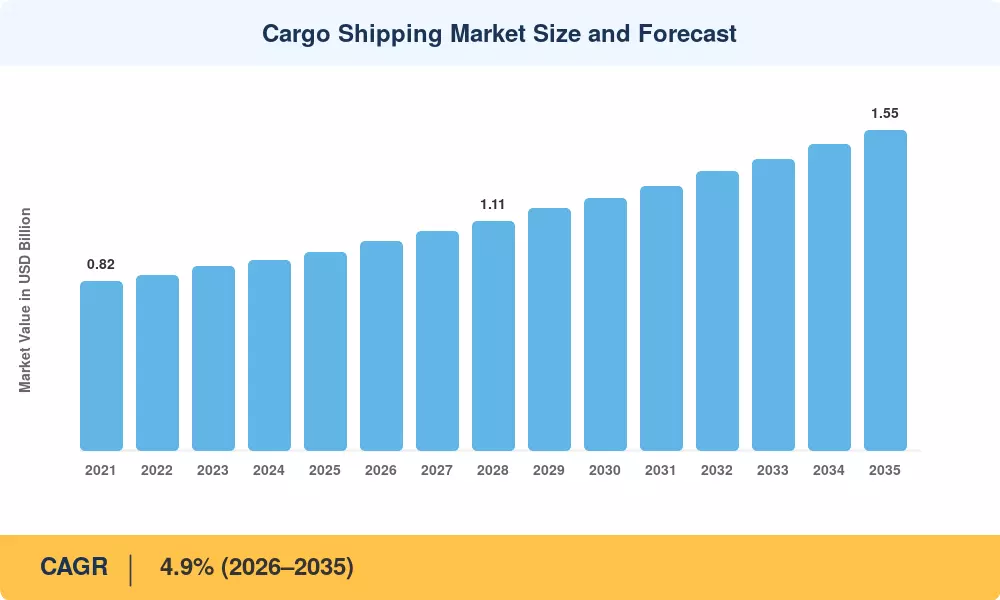
Le mondialAméliorateur de flux à froidLe marché a atteint 0,96 milliard de dollars en 2025 et devrait passer de 1,01 milliard de dollars en 2026 à 1,55 milliard de dollars d'ici 2035, avec un TCAC de 4,9 % au cours de la période de prévision. Le resserrement des exigences en matière de qualité des carburants – en particulier la spécification européenne EN 590 pour le diesel et les exigences ASTM D975 en Amérique du Nord – continue de pousser les exploitants de flotte et les raffineurs vers des taux de traitement additifs à écoulement à froid plus élevés.[1]. Le passage en cours au diesel à très faible teneur en soufre (ULSD), qui produit intrinsèquement des cristaux de cire plus gros à basse température, est un catalyseur structurel essentiel pour cette trajectoire du marché des améliorants d’écoulement à froid.
Un changement technologique plus important consiste à remodeler la chimie additive.Cirela modification des cristaux avec contrôle de la dispersance et de la nucléation est utilisée dans des emballages multi-composants qui remplacent les abaisseurs de point d'écoulement mono-polymères conventionnels[2]. Sur la base des statistiques du Concawe, l'investissement mondial dans la mise à niveau des unités compatibles avec les additifs est prévu à 1,8 milliard de dollars pour la période 2022-2025, favorisant encore plus la transition des produits monofonctionnels traditionnels vers les formulations de nouvelle génération.[3]. Les parois du mélange de biodiesel – actuellement classées B7 dans l'UE et B20 dans de nombreux États américains – nécessitent des structures d'inhibiteurs totalement nouvelles que les anciens additifs ne peuvent pas résoudre.
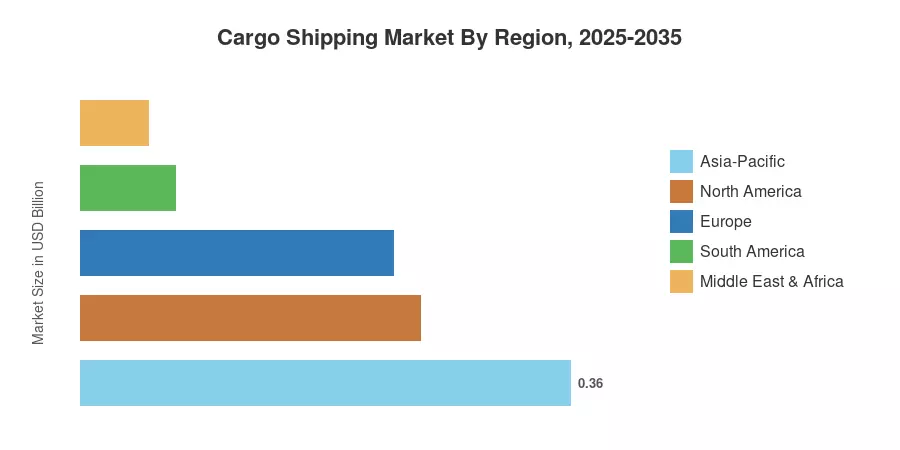
L'Asie-Pacifique représente environ 38 % des revenus du marché des produits améliorant la fluidité à froid, alimentés par le diesel d'hiver chinoislogistiquecorridor et le déploiement croissant du ULSD en Inde. La région enregistre également le TCAC le plus élevé à 5,6 %. L’Amérique du Nord représente la deuxième plus grande part, avec environ 26 % de la demande, tirée par la demande de fret pour les climats froids au Canada et en Alaska. L’Europe représente environ 24 %, tirée par les conditions hivernales nordiques et russes. Alors que les réglementations sur les biocarburants se resserrent dans toutes les principales zones géographiques, le marché des améliorants de flux froid est prêt pour une expansion stable et axée sur la réglementation jusqu’en 2035.
Points clés du rapport
• Par type
- L’éthylène-acétate de vinyle (EVA) détenait environ 33 % de la part de marché des améliorants d’écoulement à froid en 2025, reflétant sa polyvalence dans les qualités de diesel conventionnelles.
- Le méthacrylate de polyalkyle (PAMA) devrait enregistrer le TCAC du segment le plus rapide de 5,2 % jusqu’en 2035.
- Les additifs à base de polyalpha-oléfine restent une option de niche mais rentable pour certaines applications de lubrifiants.
• Par secteur d'activité de l'utilisateur final
- Le secteur automobile a contribué à environ 68 % des revenus du marché des améliorants de flux froid en 2025.
- Les applications aérospatiales et de défense connaissent une croissance de 5,0 % en raison des exigences d'hivernage des carburéacteurs militaires.
• Par carburant
- Le diesel représentait environ 64 % du marché des améliorants de flux à froid en 2025.
- Biodieselprogresse à un TCAC de 7,4 %, le plus rapide parmi les segments de carburant, alors que les mandats de mélange augmentent à l'échelle mondiale.
• Par région
- L’Asie-Pacifique a capturé 38 % des revenus de 2025 et est en tête de la croissance du marché des améliorants de flux froid avec un TCAC de 5,6 %.
- La part de l'Amérique du Nord s'élevait à 26 %, soutenue par la demande d'hivernage des pipelines au Canada et dans le nord des États-Unis.
Taille et prévisions du marché des améliorants de flux froid (2021-2035)
Les estimations futures des études de marché combinent des enquêtes primaires exclusives auprès des fabricants d'additifs, des données d'approvisionnement des raffineries, des audits des canaux de distribution et une triangulation par rapport aux références publiées de l'industrie. Tous les chiffres sont exprimés en milliards USD aux taux de change constants de 2025.