Electric Vehicle Battery Charger Market

電気自動車バッテリー充電器市場調査レポート情報電気自動車タイプ別(プラグインハイブリッド電気自動車、バッテリー電気自動車)、充電レベル別(レベル3、レベル2、レベル1)、アプリケーション別(プライベート、パブリック)、および地域別(北米、ヨーロッパ、アジア太平洋、および世界のその他の地域) – 2032年までの市場予測
ID: MRFR/AT/6465-HCR
100 Pages
Shubham Munde, Sejal Akre
Last Updated: July 03, 2026
Electric Vehicle Battery Charger Market
Market Size
Forecast Period2025 - 2035
CAGR (2025 - 2035)17.29%
2024 Market Size$ 8.2 Billion
2025 Market Size$ 9.62 Billion
2035 Market Size$ 47.4 Billion
Key Players
Tesla
ChargePoint
ABB
Siemens
Schneider Electric
Blink Charging
Opportunities
  • Rising Environmental Awareness
  • Expansion of Electric Vehicle Models
  • Government Incentives and Regulations

世界の電気自動車バッテリー充電器市場の概要

電気自動車バッテリー充電器の市場規模は、2023年に68億4000万米ドルと評価されています。電気自動車バッテリー充電器業界は、2024年の82億米ドルから2032年までに294億1000万米ドルに成長すると予測されており、予測期間(2024年から2032年)中に17.29%の年間複合成長率(CAGR)を示します。電気自動車と関連インフラの販売を増やし、電気自動車の需要を拡大するという政府の取り組みが、市場の成長を促進する主要な市場原動力となっています。
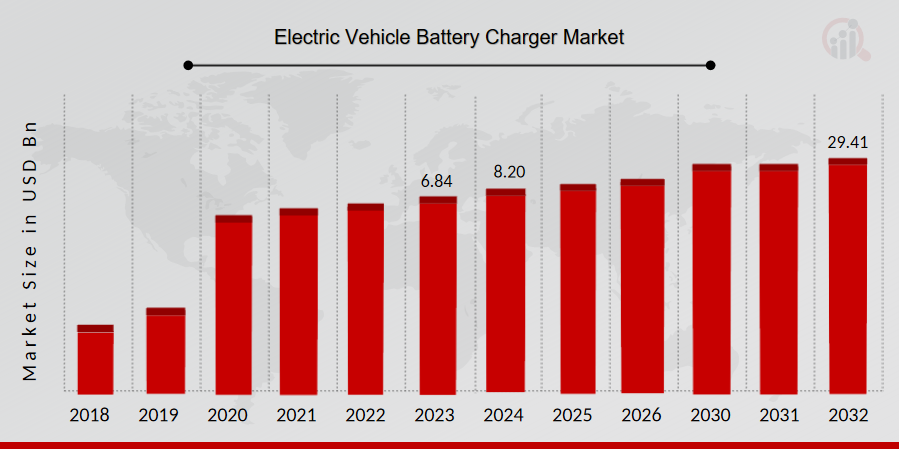
Electric Vehicle Battery Charger Market

出典: 二次調査、一次調査、市場調査の将来データベースとアナリストのレビュー

電気自動車用バッテリー充電器市場動向

    • 環境汚染を制限するための政府規制が市場の成長を促進

従来のガソリン車は内燃機関を使用して電力を生成します。理想的なシナリオでは、燃焼システムは燃料を完全に焼却し、廃棄物として二酸化炭素と水のみを生成します。しかし、燃焼システムではさまざまな温室効果ガスが発生し、環境汚染につながります。一方、電気自動車は、継続的な電流供給によって電力を供給される電気モーターを使用します。したがって、汚染物質は発生しません。

米国、ドイツ、フランス、中国は、車両の排出ガスに関する厳しい政府法と規制を施行し、自動車メーカーは車両の高排出ガスレベルに対処するために先進技術を使用することが義務付けられています。カリフォルニア大気資源委員会(CARB)が立ち上げたプログラムには、メーカーがゼロエミッション車(ZEV)を製造・納入するためのガイドラインも含まれており、電気自動車充電器市場のCAGRを大幅に押し上げている。

さらに、EV 業界は、世界中の先進地域および発展途上地域で驚異的な成長を遂げると予想されています。バイオ燃料への依存度が高まると、大気汚染レベルが増加します。その結果、世界人口の間でさまざまな呼吸器疾患やその他の疾患の罹患率が急増しています。二酸化炭素排出量の削減とクリーンでグリーンなエネルギーへの移行は、世界のEV充電器市場の成長を促進すると予想される主な要因です。

車両からの炭素排出に関する消費者の意識の高まり、環境意識の高まり、生活水準の向上、先進技術の採用の増加により、電気自動車バッテリー充電器市場の収益の成長が推進されています。

電気自動車バッテリー充電器市場セグメントの洞察

EV バッテリー充電器電気自動車の種類に関する洞察

電気自動車のタイプに基づいて、電気自動車バッテリー充電器市場セグメンテーションには、プラグインハイブリッド車とバッテリー電気自動車が含まれます。プラグインハイブリッド車セグメントは、2022 年の世界の EV 充電器市場をリードしました。電気自動車の販売促進に向けた政府の取り組みの強化が、世界市場における PHEV セグメントの優位性をもたらした主な推進要因です。代替燃料車に対する世界的な需要の高まりにより、PHEVセグメントの売上が促進されています。

トップEVメーカーの生産能力の向上と、それに伴うEV充電ステーションの生産と配備の増加が、PHEVの販売を加速させています。したがって、世界のEV充電器市場におけるこのセグメントの成長は、予測期間を通じて継続すると予想されます。

バッテリー電気自動車 (BEV) セグメントは、予測期間中に最も高い成長率が見込まれると予想されます。市場ではPHEVよりもBEVの存在感が高い。バッテリーの技術進歩とバッテリー価格の時間の経過による低下により、今後数年間で BEV の販売が促進され、EV 充電器の需要が高まると予想されます。

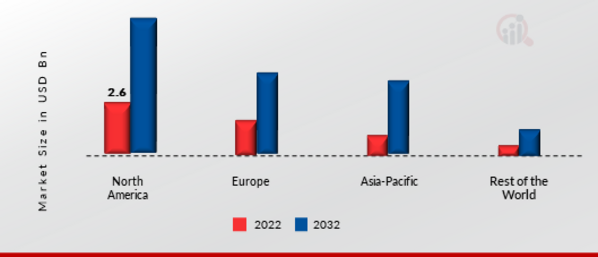
図1: タイプ別電気自動車バッテリー充電器市場、2022年および2032年(10億米ドル)

Electric Vehicle Battery Charger Market, by Type, 2022 & 2032

出典: 二次調査、一次調査、市場調査の将来データベースとアナリストのレビュー

EV バッテリー充電器の充電レベルに関する洞察

充電レベルに基づいた電気自動車バッテリー充電器市場セグメンテーションには、店舗レベル3、レベル2、およびレベル1が含まれます。レベル3セグメントが最大の市場シェアを持っています。レベル 3 は、30 分未満で EV を完全に充電できる可能性のある高出力の充電オプションであるためです。ただし、非常に高価です。レベル 3 の充電ステーションの費用は、機器のコストが大幅に高く、変圧器の設置が必要なため、平均で約 30,000 米ドルから 50,000 米ドルです。

DC 急速充電システムでは、AC/DC 変換が AC/DC コンバーターではなく充電装置で行われるため、車両の電力はすでに DC になります。

定常的な電気の流れとは異なり、DC 充電器はバッテリーが空の場合は急速に充電しますが、完全に充電し始めると速度が遅くなります。 DC 急速充電器は、互換性のない 3 種類のプラグ タイプを使用します。日本の自動車メーカーはCHAdeMO規格を使用し、ヨーロッパと米国のメーカーはCCSシステムを使用しますが、テスラのスーパーチャージャーは車両に固有の独自のコネクタを使用します。

2023年1月ABB E-モビリティは、ラスベガスで開催される世界有数のテクノロジーイベントであるCES 2023で、革新的なTerra Home充電ソリューションを発表しました。 2023年半ば頃に購入可能になる予定だ。 Terra Home は、そのユニークなデザインにより、ユーザーが再生可能エネルギーの使用を最適化し、最終的に二酸化炭素への影響を削減できるようにします。

2022年11月ABB は、ユーザーフレンドリーなエネルギー管理テクノロジーの提供を拡大するために、Tallarna Ltd と戦略的提携を締結しました。このソリューションは、Al を活用したデータ分析を活用して、大規模な不動産ポートフォリオやエネルギー インフラストラクチャの脱炭素化プロジェクトの実施を容易にします。このプラットフォームは顧客にワンストップ ショップを提供し、エネルギー最適化オプション、パフォーマンス保険、サードパーティ融資オプションを紹介します。

EV バッテリー充電器のアプリケーションに関する洞察

アプリケーションに基づいて、電気自動車バッテリー充電器市場セグメンテーションには民間店舗と公共店舗が含まれます。プライベートセグメントが最大の市場シェアを占めています。これは、世界中の民間ユニットでの車載充電器の採用の増加により、EV 充電器市場における民間部門が成長したためです。ほとんどの消費者は夜間に車両を充電し、日中はさまざまな目的で車両を使用します。

現代の民間インフラ開発への投資の増加と、民間住宅の駐車スペースでのBEV充電インフラの採用の増加により、今後数年間でこのセグメントの成長がさらに促進されることが予想されます。

パブリックセグメントは、予測期間中に最も急成長するセグメントになると予想されます。これは、公共スペースでの充電ステーションの数が増加していることが原因です。世界中でEV充電インフラの開発に対する政府の取り組みの拡大と企業投資の増加が、将来この部門の成長を促進すると予想される主な要因となっている。

EV バッテリー充電器の地域別の洞察

この調査では、地域ごとに、北米、ヨーロッパ、アジア太平洋、および世界のその他の地域に関する市場洞察が提供されます。北米の電気自動車バッテリー充電器市場が支配的になるでしょう。電気自動車と関連インフラの販売と電気自動車の需要を増加させる政府の取り組みは、この地域の市場成長を後押しするでしょう。

さらに、市場レポートで調査された主要国は、米国、カナダ、ドイツ、フランス、英国、イタリア、スペイン、中国、日本、インド、オーストラリア、韓国、ブラジルです。

図 2: 2022 年の地域別電気自動車バッテリー充電器市場シェア (%)
ELECTRIC VEHICLE BATTERY CHARGER MARKET SHARE BY REGION 2022

出典: 二次調査、一次調査、市場調査の将来データベースとアナリストのレビュー

ヨーロッパの電気自動車バッテリー充電器市場は、二酸化炭素排出に対する意識の高まり、消費者の可処分所得の高さ、EV販売を促進する生活水準の向上により、2番目に大きな市場シェアを占めています。さらに、ドイツの電気自動車バッテリー充電器市場が最大の市場シェアを保持し、英国の電気自動車バッテリー充電器市場は欧州地域で最も急成長している市場でした。

アジア太平洋地域の電気自動車バッテリー充電器市場は、2023年から2032年にかけて最速のCAGRで成長すると予想されています。これは、EV充電インフラの採用の増加と電気自動車の需要の増大、つまりこの地域での公共交通機関へのEVの採用の急増によるものです。さらに、中国の電気自動車バッテリー充電器市場は最大の市場シェアを保持し、インドの電気自動車バッテリー充電器市場はアジア太平洋地域で最も急成長している市場でした。

電気自動車バッテリー充電器の主要な市場プレーヤーと競争力に関する洞察

主要な市場プレーヤーは製品ラインを拡大するために研究開発に多額の投資を行っており、これが電気自動車バッテリー充電器市場のさらなる成長に貢献します。市場参加者はまた、新製品の発売、契約合意、合併と買収、多額の投資、他の組織との協力などの重要な市場開発を伴う、世界的な展開を拡大するためのさまざまな戦略的活動にも取り組んでいます。 EVバッテリー充電器市場は、より競争が激しく上昇する市場環境で拡大し生き残るために、費用対効果の高いアイテムを提供する必要があります。

運用コストを最小限に抑えるために現地で製造することは、メーカーが世界の電気自動車バッテリー充電器業界で顧客に利益をもたらし、市場分野を拡大するために使用する重要なビジネス戦略の 1 つです。電気自動車バッテリー充電器業界は、近年、最も重要な医療上の利点をいくつか提供してきました。 Delphi Automotive LLP(アイルランド)、Clore Automotive LLC(米国)、Robert Bosch GmbH(ドイツ)、Current Ways Inc.(米国)、IES Synergy(フランス)、Lear Corporation(米国)、Baccus Global LLC(米国)などを含む電気自動車バッテリー充電器市場の主要プレーヤーは、研究開発業務に投資することで市場の需要を拡大しようとしています。

ABB Ltd. は、スイスのチューリッヒに本社を置くスウェーデンとスイスの多国籍企業です。同社は 1988 年にスウェーデンの Allmänna Svenska Elektriska Aktiebolaget とスイスの Brown, Boveri &Cie が合併して ASEA Brown Boveri を設立し、後にイニシャル ABB に簡略化されて設立されました。ABB は、使いやすいエネルギー管理技術の提供を拡大するために Tallarna Ltd. と戦略的提携を締結しました。このソリューションは、Al を活用したデータ分析を活用して、大規模な不動産ポートフォリオやエネルギー インフラストラクチャの脱炭素化プロジェクトの実施を容易にします。このプラットフォームは顧客にワンストップ ショップを提供し、エネルギー最適化オプション、パフォーマンス保険、サードパーティ融資オプションを紹介します。

インド最大の統合電力会社の 1 つである Tata Power は、その子会社および共同管理事業体とともに、14101 MW の設置/管理容量を持っています。同社は、水力エネルギーと熱エネルギー、送電と配電、石炭と貨物輸送、電力取引を含む再生可能電力と従来型電力の生成という電力バリューチェーン全体にわたって存在感を示しています。太陽光、風力、水力、廃熱回収による5.2GWのクリーン発電容量がポートフォリオ全体の37%を占め、同社はクリーンエネルギーの生成に注力している。

同社はインドにおける発電、送電、配電の官民パートナーシップで成功を収めている。具体的には、ブータンのタラ水力発電所からデリーへの電力避難のためパワーリンクス・トランスミッション社とパワー・グリッド・コーポレーション・オブ・インド社、マイトン・パワー社とダモダール・バレー・コーポレーション社とジャルカンド州の1,050MWメガパワープロジェクトに取り組んでいる。

タタ・パワーは現在、デリー政府とデリー北部での配電を行うタタ・パワー・デリー・ディストリビューション・リミテッドというディスコムを通じて約1,200万人の消費者にサービスを提供している。オリッサ州政府とのTPノーザン・オリッサ・ディストリビューション・リミテッド、TPセントラル・オリッサ・ディストリビューション・リミテッド、TPウェスタン・オリッサ・ディストリビューション・リミテッドおよびTPサザン・オリッサ・ディストリビューション・リミテッド。タタ・パワーは持続可能でクリーンなエネルギー開発に重点を置き、屋上太陽光発電やマイクログリッド、ストレージソリューション、EV充電インフラ、ESCO、ホームオートメーション、スマートメーターなどを通じた分散型発電における新たなビジネスの成長を見据え、統合ソリューションプロバイダーへの変革を進めている。

タタ・パワーは、堅牢なEV充電ネットワークを構築し、インド全土でEVSの導入を加速するために、ヒュンダイと戦略的パートナーシップを締結した。

電気自動車バッテリー充電器市場の主要企業は以下のとおりです。

    • Delphi Automotive LLP (アイルランド)
    • Clore Automotive LLC (米国)
    • ロバート・ボッシュGmbH(ドイツ)
    • Current Ways Inc.(米国)
    • IES シナジー (フランス)
    • リア社(米国)
    • Baccus Global LLC (米国)
    • CTEK Holding AB (スウェーデン)
    • Meta Systems S.P.A(イタリア)
    • LGエレクトロニクス(韓国)
    • フィコサ インテルナシオナル SA (スペイン)

EVバッテリー充電器業界の発展

2024年5月- MAHLE Aftermarket は、バッテリー診断システム E-HEALTH Charge を欧州市場に効果的に紹介しました。 E-HEALTH Charge は、電気自動車の高電圧バッテリーの健康状態とパフォーマンスに関する信頼できるレポートを提供します。このシステムは最長 15 分の実行時間を誇り、市場で最速の静的バッテリー診断テクノロジーを備えています。 E-CHARGE 20 バッテリー充電器と E-HEALTH アプリで構成される診断システムは、充電とバッテリー診断を 1 つのワークフローに統合します。 

このプロセスは、メーカーやモデルに関係なく実行されます。 E-HEALTH Chargeは、診断機能とともに純粋にDC充電器として利用することもできます。自動化されたプロセスのおかげで、システムはサービス チームからの事前知識を必要としません。マーレ管理委員会のメンバーであり、アフターマーケット事業部門の責任者であるフィリップ・グロッセ・クライマン氏は、ワークショップに対する需要はより多様化していると述べた。バッテリー電気ドライブ、水素ドライブ、内燃エンジン、ハイブリッドが将来のドライブミックスを形成します。

同社の BatteryPRO 製品ラインに新たに追加された E-HEALTH Charge により、同社は将来に向けて独立したワークショップを備え、パートナーとしての地位をさらに強化しています。

国際的な自動車サプライヤーである MAHLE のサービスおよびスペアパーツ部門によって構築された最新のソリューションは、検査機関、フリートオペレーター、およびワークショップにバッテリーの品質と車両の価値を決定する際のより高い透明性を提供します。これは、電気自動車の最大の要因(いくつかの外部要因が影響するため、これまで検証することが困難であった要因)は、高電圧バッテリーの期待寿命であるためです。

MAHLEアフターマーケットのグローバルサービスソリューションディレクターのジョルジュ・ムラド氏は、同社のバッテリー診断ソリューションE-HEALTH Chargeにより、バッテリー診断の限界を押し広げ、内燃機関を超えたさらなるビジネスボリュームを確保するためにワークショップを支援していると述べた。

電気自動車バッテリー充電器市場セグメンテーション

EVバッテリー充電器市場タイプの見通し

    • プラグインハイブリッド電気自動車
    • バッテリー電気自動車

EVバッテリー充電器市場の充電レベル見通し

    • レベル3
    • レベル2
    • レベル1

EVバッテリー充電器市場アプリケーション展望

    • プライベート
    • 公共

EVバッテリー充電器市場の地域展望

北米

    • 私たち
    • カナダ

ヨーロッパ

    • ドイツ
    • フランス
    • イギリス
    • イタリア
    • スペイン
    • ヨーロッパの残りの部分

アジア太平洋地域

    • 中国
    • 日本
    • インド
    • オーストラリア
    • 韓国
    • オーストラリア
    • 残りのアジア太平洋地域

世界のその他の地域

    • 中東

    • アフリカ

    • ラテンアメリカ

FAQs

What is the current valuation of the Electric Vehicle Battery Charger Market?

The market valuation reached 8.2 USD Billion in 2024.

What is the projected market size for the Electric Vehicle Battery Charger Market by 2035?

The market is expected to grow to 47.4 USD Billion by 2035.

What is the expected CAGR for the Electric Vehicle Battery Charger Market during the forecast period 2025 - 2035?

The market is projected to experience a CAGR of 17.29% from 2025 to 2035.

Which companies are considered key players in the Electric Vehicle Battery Charger Market?

Key players include Tesla, ChargePoint, ABB, Siemens, Schneider Electric, Blink Charging, Electrify America, EVBox, and Wallbox.

What are the different types of electric vehicle chargers in the market?

The market segments include Plug-in Hybrid Electric Vehicles and Battery Electric Vehicles.

How do the valuations of different charging levels compare in the market?

Level 1, Level 2, and Level 3 chargers have valuations of 2.7, 3.0, and 2.5 USD Billion respectively in 2024.

What applications are driving the Electric Vehicle Battery Charger Market?

The market is driven by both private and public applications, each valued at 4.1 USD Billion in 2024.

What is the expected growth trajectory for Battery Electric Vehicles in the market?

Battery Electric Vehicles are projected to grow from 5.7 USD Billion in 2024 to 33.9 USD Billion by 2035.

How does the market for Plug-in Hybrid Electric Vehicles compare to Battery Electric Vehicles?

Plug-in Hybrid Electric Vehicles are expected to grow from 2.5 USD Billion in 2024 to 13.5 USD Billion by 2035.

What factors are influencing the growth of the Electric Vehicle Battery Charger Market?

Factors include increasing adoption of electric vehicles, advancements in charging technology, and supportive government policies.

著者
Author
Author Profile
Shubham Munde LinkedIn
Team Lead - Research
Shubham brings over 7 years of expertise in Market Intelligence and Strategic Consulting, with a strong focus on the Automotive, Aerospace, and Defense sectors. Backed by a solid foundation in semiconductors, electronics, and software, he has successfully delivered high-impact syndicated and custom research on a global scale. His core strengths include market sizing, forecasting, competitive intelligence, consumer insights, and supply chain mapping. Widely recognized for developing scalable growth strategies, Shubham empowers clients to navigate complex markets and achieve a lasting competitive edge. Trusted by start-ups and Fortune 500 companies alike, he consistently converts challenges into strategic opportunities that drive sustainable growth.
Co-Author
Co-Author Profile
Sejal Akre LinkedIn
Senior Research Analyst
She has over 5 years of rich experience, in market research and consulting providing valuable market insights to client. Hands on expertise in management consulting, and extensive knowledge in domain including ICT, Automotive & Transportation and Aerospace & Defense. She is skilled in Go-to market strategy, industry analysis, market sizing, in depth company profiling, competitive intelligence & benchmarking and value chain amongst others.
コメントを残す

Research Approach

Research Methodology on Electric Vehicle Battery Charger Market

Introduction

This research report is intended to evaluate the market trends and provide insights into the growth drivers and restraints of the global electric vehicle battery charger market along with the market forecast for 2023 to 2030. For this purpose, a thorough examination of the market conditions and the forces driving and restraining the growth of the market has been conducted.

Research Approach

In order to evaluate the market, data were collected from both primary and secondary sources. Primary research was conducted through surveys and interviews with the key players in the market to better understand their sentiments, opinions and insights about the market. Secondary research was conducted by scanning a wide range of sources such as journals, press releases, magazines and market reports.

Research Design

This research was conducted using a combination of qualitative and quantitative research approaches, where the primary research was focused on the qualitative component and the secondary research was focused on the quantitative component. The secondary research was used to gather the data points on the market size, market share, market growth, and the estimated projections of the market. The primary research was used to gather qualitative data on the opinion and sentiments of the stakeholders and the market players who discussed the opportunities and challenges in the market.

Data Sources

The sources used to collect data and information for this research report are mainly divided into two parts; primary and secondary sources. Primary sources include surveys, interviews and discussions with industry experts, stakeholders, market players and industry association members. Secondary sources comprise directories and databases such as the World Bank Group, the International Energy Agency, ABI Research and Frost and Sullivan, etc. Other sources include competitive intelligence from industry journals, trade shows, government websites and official documents.

Sample Selection

The sample size for this research was determined by assessing the market size and potential and by estimating the forecasted trends of the market. The sample size was determined based on the number of stakeholders in the market and the industry parameters for market evaluation such as market size, market growth and estimated projections. The sample size thus represented all the market players such as manufacturers, suppliers and other industry participants.

Data Collection and Analysis

Data collection involves gathering the necessary information and data points needed to conduct the research and to make the analysis and assessment of the global electric vehicle battery charger market. Data were collected and analyzed using various quantitative and qualitative analytical tools such as Porter's Five Forces analysis, SWOT analysis, trend analysis and PESTEL analysis. The collected data was further validated by cross-checking it with industry experts and market players.

Information Extraction

The extracted information and data points were then collated and analyzed in order to arrive at the final findings and market conclusions. The different findings were then screened and filtered for outliers and possible sources of errors. The results of the analysis were then mapped to the market dynamics, growth drivers and restraints of the global electric vehicle battery charger market.

Report Contents

The report is divided into 10 chapters. Chapter 1 provides a comprehensive overview of the research report, including a brief introduction, market definition, market scope, research methodology, etc. Chapter 2 provides an overview of the market dynamics of the electric vehicle battery charger market, including drivers, restraints, opportunities, trends, Porter's Five Forces Analysis and SWOT analysis. Chapters 3-8 provide a detailed analysis of the major regions and countries in the electric vehicle battery charger market. Chapters 9-10 provide a summary of the findings and concludes with a brief discussion of the key findings and market conclusions.

無料サンプルをダウンロード

このレポートの無料サンプルを受け取るには、以下のフォームにご記入ください

Download PDF ×

We do not share your information with anyone. However, we may send you emails based on your report interest from time to time. You may contact us at any time to opt-out.