Electric Vehicle (EVs) Market Summary
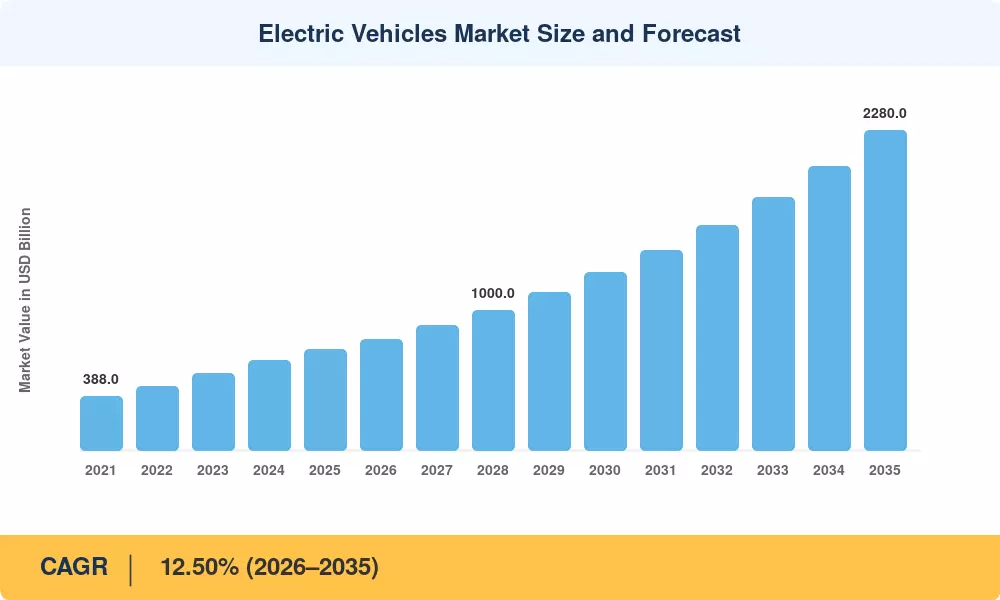
電気自動車市場は2025年に推定0.72兆米ドルに達し、2026年の0.79兆米ドルから2035年までに2.28兆米ドルに成長すると予測されており、予測期間全体で12.50%のCAGRを記録します。この加速は、中国、欧州連合、米国における船舶平均 CO₂ 規制の強化と、消費者の購買経済構造を再構築する積極的な調達補助金の融合からエネルギーを引き出しています。[1]。 2024 年から 2030 年までの累積インセンティブ プログラムで 1,200 億米ドルを超える政府のコミットメントにより、需要曲線は変化し続けています[2].
電気自動車市場で進行中の変革は、基本的に構造的なものです。 1世紀以上にわたってパーソナルモビリティを支配してきた内燃機関のドライブトレインは、20分未満の急速充電セッションが可能な400〜800ボルトの電気プラットフォームに譲りつつあります。バッテリー-パックのコストはセルレベルでキロワット時あたり120米ドルを下回っており、リチウム鉄リン酸塩の化学反応によりさらなるコスト削減が推進されています。[3]。従来のメーカーから新規参入者までの自動車メーカーは、2030 年までに累計 5,000 億米ドルを超える電動化設備投資を約束しており、循環的な傾向ではなく構造的な転換を示しています。[4].
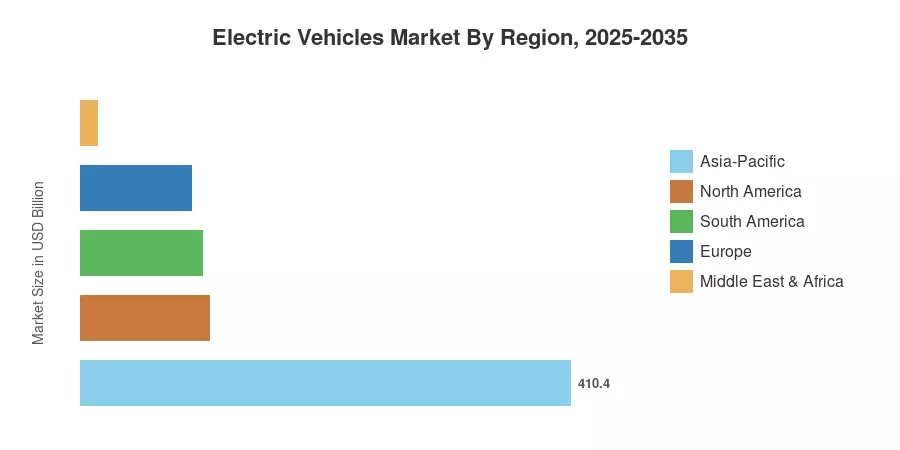
アジア太平洋地域は電気自動車市場の約 57% を占め、中国が牽引リチウム-リン酸鉄の規模拡大と国内政策の義務。この地域は最も急成長している地域でもあり、2035 年まで CAGR 13.6% で拡大すると予測されています。ヨーロッパは、ユーロ 7 排出ガス基準と積極的なゼロエミッション車割り当てにより、約 23% で 2 番目に大きなシェアを占めています。連邦および州レベルの奨励金により導入が加速されており、北米は世界の価値の約 15% を占めています。今後 10 年間は、サプライチェーンが政策の野心で要求されるペースで拡大できるかどうかが試されることになる。
レポートの重要なポイント
• パワートレインによる
- バッテリー電気自動車は 2025 年に電気自動車市場の 76.3% のシェアを獲得しました。これは、ハイブリッド車よりも完全な電動化を求める消費者の好みを反映しています。
- プラグインハイブリッドモデルは引き続き過渡期のパワートレインとして機能しますが、充電へのアクセスが向上するにつれてそのシェアは年々縮小しています。
- 燃料電池電気自動車は依然として、大型商用用途に集中したニッチなセグメントです。
• 車両タイプ別
- 乗用車は、ミッドレンジのセダンとクロスオーバーの需要に支えられ、電気自動車市場の 2025 年の収益の約 84% を生み出しました。
- 商用車総所有コストが都市部の配送車両のディーゼル同等値を下回っているため、2035 年まで 13.8% の CAGR で拡大しています。
• 地域別
- アジア太平洋地域は世界の需要の 57% 以上を支えており、中国だけで地域の需要の半分以上を占めています。
- 欧州の電気自動車市場は、違反した自動車メーカーに厳しい罰金を課す拘束力のある CO₂ 保有車両目標から恩恵を受けています。
- 北米は、インフレ抑制法による製造業信用と消費者リベートの拡大を背景に成長が加速している。
電気自動車市場規模と予測 (2021 ~ 2035 年)
Market Research Future のサイジング手法では、OEM 出荷データ、政府登録データベース、バッテリー調達量からのボトムアップの収益モデリングと、トップダウンのマクロ経済予測および政策シナリオ分析を三角測量します。過去の値は検証された貿易統計に基づいています。予測見積もりには、規制のスケジュールに合わせて調整されたセグメント固有の成長仮定が適用されます。