The secondary research process involved comprehensive analysis of regulatory databases, technical standards publications, energy industry reports, and authoritative government energy statistics. Key sources included the U.S. Department of Energy (DOE), Federal Energy Regulatory Commission (FERC), U.S. Energy Information Administration (EIA), European Commission Directorate-General for Energy (DG ENER), Ofgem (UK Office of Gas and Electricity Markets), Australian Energy Market Operator (AEMO), International Energy Agency (IEA), World Bank Energy Sector Management Assistance Program (ESMAP), National Institute of Standards and Technology (NIST), Institute of Electrical and Electronics Engineers (IEEE), International Electrotechnical Commission (IEC), American National Standards Institute (ANSI), Edison Electric Institute (EEI), EURELECTRIC, American Gas Association (AGA), Water Research Foundation, China Electricity Council, and India's Ministry of Power with its National Smart Grid Mission.
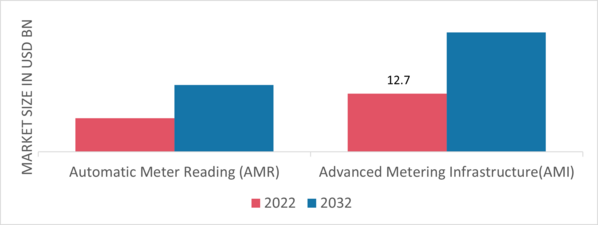
These sources were employed to gather deployment statistics, regulatory mandates (including the EU's "Clean Energy for All Europeans" package and smart meter roll-out directives), AMI penetration rates, utility procurement data, and technical standards compliance for automatic meter reading (AMR) systems, advanced metering infrastructure (AMI) deployments, and multi-commodity (electricity, gas, water) smart metering technologies.