×
Request Free Sample ×

Kindly complete the form below to receive a free sample of this Report

* Please use a valid business email

Leading companies partner with us for data-driven Insights

clients tt-cursor
Hero Background

Automotive Seating System Components Market

ID: MRFR/AT/66514-CR
100 Pages
Swapnil Palwe
February 2026

Automotive Seating System and Components Market Research Report Information By Material (Synthetic Leather, Genuine Leather, Fabric), By Seat Type (Standard Seats, Powered Seats, Ventilated Seats, Other Seats), By Component Type (Structure[Seat Frame Seat Tracks Recliner Mechanism Height Adjuster], Cushioning And Support[Seat Foam Springs Lumbar Support], Trim[Headrest Armrests Seat Cover Side Bolsters], Other Components [Seat Belt, Seat Heaters, Seat Ventilation, Power Adjustments Two Wheelers]), By Vehicle Type(Passenger Vehicle, Commercial Vehicle), By Vehicle Propulsion (ICE , Electric), By Sales Channel (OEM, Aftermarket) and By Region (North America, Europe, Asia-Pacific, South America, And Middle East & Africa) –Market Forecast Till 2035

Share:
Download PDF ×

We do not share your information with anyone. However, we may send you emails based on your report interest from time to time. You may contact us at any time to opt-out.

Purchase Options

Automotive Seating System Components Market Summary

As per Market Research Future analysis, The Automotive Seating System and Components Market Size Was Valued at USD 74,430 Million In 2024. The Global Automotive Seating System and Components Industry Is Projected to grow from USD 77,619 Million in 2025 to USD 112,592 Million by 2035, Exhibiting A Compound Annual Growth Rate (CAGR) of 3.8% during the Forecast Period (2025 – 2035).

Key Market Trends & Highlights

The Automotive Seating System and Components Market is undergoing rapid transformation driven by electrification, sustainability demands, and smart tech integration.

  • Integrated sensors enable adaptive ergonomics, monitoring posture and vital signs for real-time adjustments in EVs and autonomous vehicles.
  • EV-specific seats feature integrated thermal management to offset battery mass, with active cooling/heating systems. Reconfigurable layouts support flat-folding for battery access or modular cargo in autonomous pods.
  • LCVs prioritize durable, ergonomic seats for e-commerce logistics, with suspension systems for urban delivery. HCVs integrate safety belts and robust frames for construction/infrastructure booms.
  • Seats incorporate advanced airbags, whiplash prevention, and crash-absorbing structures meeting stricter NCAP standards. Posture-monitoring alerts prevent drowsy driving. Integration with ADAS links seat adjustments to autonomous modes.

Market Size & Forecast

2024 Market Size 74,430 (USD Million)
2035 Market Size 112,592 (USD Million)
CAGR (2025 - 2035) 3.8%

Major Players

Adient, Lear, FORVIA (formerly Faurecia), Magna, Toyota Boshoku, Aisin, TS Tech, NHK Spring, Tachi-S, Gentherm, Brose (Sitech), Grammer, with Recaro Holding, C.I.E.B. Kahovec, and Phoenix Seating.

Our Impact
Enabled $4.3B Revenue Impact for Fortune 500 and Leading Multinationals
Partnering with 2000+ Global Organizations Each Year
30K+ Citations by Top-Tier Firms in the Industry

Automotive Seating System Components Market Trends

Lighter Car Seats and Passive Safety

The two basic functions of the car seats are maintaining a comfortable position of a driver while driving and also protection of health and life in case of an accident. Every seat element is significant, beginning with head rests, which stabilize the cervical section of the spine, through seats and a back rest, which are supposed to stabilize the lumbar spine and to prevent leaning of the passenger body sideways on curves, ending with safety belts. All these elements must be produced from material of relevant strength. At the same time diminishing of weight is pursued, which will serve reduction of vehicle emission. For this purpose, lighter metal alloys are used to make a seat frame and elements of expanded polypropylene as a space filling material, which can constitute even up to 40% of the whole seat.

This material combines resistance to impacts and absorbing properties with light weight. How well it can protect even the smallest passengers of a vehicle is testified by the lightest child seat in the market made by Karwala company using the over-moulding technology at the Knauf Industries manufacturing plant. The seat frame from a plastic material designed in a right way was completely sunk in the EPP, which allowed to obtain perfectly durable and comfortable in use product that fulfils the strictest requirements in respect of the passive safety.

Heated And Ventilated Car Seats

 The next trend gaining in meaning are the technologies that provide larger comfort of travelling by adjustment of microclimate – i.e., the seat featuring functions of air conditioning and heating. Growing demand for such solutions is related not only to increasing expectations of users in respect of equipment of modern cars, but also to development of the electric and hybrid cars sector, for which energy saving counts. In this context it is worth emphasizing that the expanded polypropylene features excellent thermal insulation properties.

Sustainable Materials

Sustainability is a significant driver in the automotive industry, influencing the materials chosen for vehicle interiors. Manufacturers are phasing out traditional leather and synthetic fabrics in favor of eco-friendly alternatives made from recycled plastics, plant-based fibers, and other sustainable materials. These materials are designed to be durable, easy to clean, and environmentally friendly, aligning with the global push towards reducing the automotive industry's carbon footprint.

 Integrated Technology

 Today’s vehicle interiors are becoming high-tech hubs, with seats and trims incorporating advanced technologies for safety, comfort, and convenience. Heated and ventilated seats are common, and newer options include massage functions and health monitoring systems that can track a driver’s heartbeat and stress levels. Additionally, ambient lighting integrated into the trim can change color and intensity based on the time of day or the driver’s mood, enhancing the overall aesthetic and emotional experience of the vehicle

Automotive Seating System Components Market Drivers

Adas Driving the Automotive Seating Market

Advanced Driver-Assistance Systems (ADAS) are significantly influencing the design and development of automotive seating systems, pushing the market toward greater innovation and customization. As the global automotive industry integrates more ADAS features into vehicles, the seating system must evolve to align with new safety, comfort, and functionality requirements. Features such as active headrests, adjustable lumbar support, seatbelt pre-tensioners, and integrated airbags are becoming more common, as they work in conjunction with ADAS to enhance occupant protection during emergency maneuvers and collisions. Moreover, as autonomous driving technologies continue to evolve, the role of seating is being redefined.

Increasing Demand for Comfort and Ergonomic Seating

The increasing demand for comfort and ergonomic seating is significantly driving growth in the Automotive Seating System and Components Market. Modern consumers prioritize not just vehicle performance but also the comfort and well-being of passengers, especially during long commutes or travel. This trend is particularly evident in the rising sales of premium vehicles and electric vehicles (EVs), where brands are investing heavily in advanced seating technologies. For example, BMW’s 7 Series and Mercedes-Benz EQS have introduced multi-contour seats with massage, ventilation, and memory functions tailored for individual passengers. These innovations reflect a broader industry shift where OEMs and suppliers are incorporating materials, designs, and technologies that enhance posture support, reduce fatigue, and provide a more luxurious in-cabin experience. As a result, manufacturers of seat components like sensors, actuators, and memory foam structures are seeing increased demand globally, reinforcing the importance of comfort-focused innovation in the automotive seating market.

Strict Safety Regulations and Advanced Seat Technologies

Strict safety regulations combined with advancements in seat technologies are major forces driving the Automotive Seating System and Components Market. Governments and regulatory bodies around the world are mandating higher safety standards, compelling automakers to integrate advanced safety features directly into vehicle seating systems. For example, the Euro NCAP and NHTSA safety protocols emphasize whiplash protection and child seat integration, pushing manufacturers to develop seats with built-in airbags, anti-submarining features, and stronger structural support. A real-world example is Volvo’s commitment to safety, as seen in its XC90 model, which includes integrated child booster seats and energy-absorbing seat frames designed to reduce injury in collisions.

Market Segment Insights

By Seat Type: Standard Seats (Largest) vs. Powered Seats (Fastest-Growing)

On Seat Type, the Automotive Seating System and Components Market t has been segmented into: Standard Seats, Powered Seats, Ventilated Seats, Other Seats. The Standard Seats held the largest market in 2024, and the Powered Seats segment is the fastest growing segment during the forecast period. Standard seats are the most commonly found type in mass-market vehicles, especially in entry-level and mid-range segments. These seats are typically manually adjustable and come with basic cushioning and support features. While they may lack high-end functionalities like heating or motorized adjustment, standard seats are cost-effective, lightweight, and easy to maintain. Powered seats offer electric adjustment mechanisms that allow drivers and passengers to modify seat position, lumbar support, tilt, and height at the touch of a button. Found mostly in mid- to high-end vehicles, powered seats greatly enhance convenience, especially for multi-driver households. Ventilated seats use integrated fans or air channels to circulate air through perforated upholstery, offering cooling in hot climates and enhancing overall seat comfort., especially in regions with warmer temperatures like the Middle East, India, and the southern United States. Other seat types include massage, stowable, or rotating seats. These are growing area of innovation for future mobility solutions essential components of next-generation vehicles, this supports trends like autonomy, electrification, and shared mobility.

By Component Type Structure (Largest) vs. Trim (Fastest-growing)

Based on Component Type, the Automotive Seating System and Components Market has been segmented into: Structure, Cushioning and Support, Trim Others. The Structure segment held the largest market in 2024 and Trim is the fastest growing segment during the forecast period. The structure of an automotive seat forms the foundational frame that supports the occupant and integrates with the vehicle’s chassis. Typically made from high-strength steel, aluminum, or composite materials, seat structures are engineered to meet stringent safety, durability, and weight-reduction requirements. The trim encompasses the outermost layer of the seat, including upholstery materials like fabric, synthetic leather (PU/PVC), genuine leather, and emerging eco-friendly textiles.

By Vehicle Type: Passenger Vehicle (Largest) vs Commercial Vehicle (Fastest-growing))

Based on Vehicle Type, the Automotive Seating System and Components Market has been segmented into Passenger Vehicle and Commercial Vehicle. The Passenger Vehicle held the largest market share in 2024 and Commercial Vehicle is the fastest-growing segment during the forecast period (2025 -2035). The passenger vehicle segment represents the largest share of the automotive seating system and components market. This category includes sedans, hatchbacks, SUVs, and crossovers, where seating plays a central role in comfort, aesthetics, and safety. Consumers in this segment increasingly demand advanced features such as power adjustable seats, lumbar support, ventilated and heated functions, and integrated infotainment systems especially in mid- to high-end vehicles. Automakers are also pushing for lightweight and modular seating designs to improve fuel efficiency and cabin space, particularly in electric vehicles (EVs). The commercial vehicle segment, which includes light commercial vehicles (LCVs), heavy trucks, and buses, places greater emphasis on durability, ergonomics, and safety over luxury or design. Drivers in this segment often spend extended hours behind the wheel, making ergonomic support, robust cushioning, and driver fatigue-reduction features critical.

By Vehicle Propulsion: ICE vs Electric: Emerging

Based on Vehicle Propulsion, the Automotive Seating System and Components Market has been segmented into ICE and Electric. The ICE vehicles powered by gasoline or diesel still account for a significant share of the global automotive market, especially in developing regions. The seating systems in these vehicles are typically standardized, with well-established manufacturing processes and material choices. Cost-efficiency, durability, and comfort are key priorities. Electric vehicles (EVs) are driving a major transformation in automotive seating design. Due to the absence of a traditional drivetrain and the presence of underfloor battery packs, EVs typically feature flat cabin floors, offering greater flexibility in seat layout.

By Sales Channel: OEM vs Aftermarket: Emerging

Based on Sales Channel, the Automotive Seating System and Components Market has been segmented into OEM and Aftermarket. OEM seating solutions focus heavily on meeting regulatory standards, crash safety, integration with other vehicle systems (like airbags and infotainment), and vehicle-specific design aesthetics. With rising consumer expectations, OEMs are pushing for advanced seat technologies such as ventilation, massage, memory settings, and biometric sensors. Additionally, the growing demand for sustainable materials and lightweight structures, especially in EVs, is driving innovation within the OEM seating segment. The rise of online auto parts retailers and DIY culture has expanded consumer access to aftermarket seat upgrades, including brands like Sparco, Recaro, and Coverking.

By Material: Synthetic leather (Largest) vs. Fabric (Fastest-Growing)

Based on By Material, the Automotive Seating System and Components Market has been segmented into Synthetic Leather, Genuine Leather, Fabric. The Synthetic Leather segment held the largest market share in 2024, and the Fabric segment is the fastest-growing segment during the forecast period (2025 -2035). Synthetic Leather, Synthetic leather is a widely used material in automotive seating due to its affordability, aesthetic appeal, and ease of maintenance. Made primarily from polyurethane (PU), polyvinyl chloride (PVC), or microfiber, synthetic leather offers a close imitation of genuine leather with added benefits like water resistance, stain resistance, and design flexibility. Fabric is often seen in base models of vehicles such as the Honda Civic and Ford Focus, making it a staple in high-volume, cost-sensitive segments.

Get more detailed insights about Automotive Seating System Components Market

Regional Insights

North America: Increased automotive seating systems and components

North American market for automotive seating systems and components is characterized by strong demand for comfort, safety, and advanced features, particularly in SUVs, pickup trucks, and premium vehicles, which dominate the region's vehicle sales. Consumers in the U.S. and Canada tend to prioritize luxury seating features such as power adjustability, heated and ventilated seats, memory functions, and premium upholstery materials like genuine leather or high-quality synthetic alternatives. North America’s large aftermarket sector supports demand for seat upgrades and replacements, especially for trucks and older vehicles. Brands like Recaro offer performance seats, while companies like Katzkin specialize in premium aftermarket leather upholstery upgrades, which are popular among truck and SUV owner.
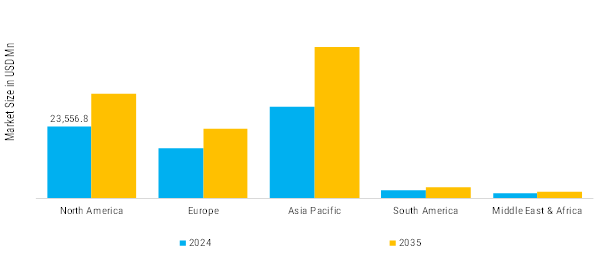
Automotive Seating System and Components Market Regional Insights

Europe: Emerging automotive seating systems and components

The European market for automotive seating systems and components is driven by a strong emphasis on premium comfort, sustainability, safety, and cutting-edge design. European consumers value ergonomic design and environmentally friendly materials, while regulations related to safety and emissions influence both seat construction and materials. Automakers in Europe are actively pushing for lightweight, sustainable, and tech-integrated seating solutions across both internal combustion engine (ICE) and electric vehicles (EVs).

 Asia-Pacific: Rapidly Growing automotive seating systems and components

The Asia-Pacific (APAC) region is the largest and fastest-growing market for automotive seating systems and components, driven by massive vehicle production volumes, rising disposable income, and rapid urbanization in countries like China, India, Japan, and South Korea. The market here is highly diverse ranging from high-volume economy vehicles to luxury sedans and electric vehicles all of which demand different seating solutions in terms of cost, design, and features. For example, the NIO ES8, a premium Chinese electric SUV, features zero-gravity seats with heating, ventilation, and massage functions. Similarly, XPeng’s G9 integrates smart seating with memory and climate control, showcasing the region’s push toward high-tech, comfort-enhancing features even in mid-to-high-end segments.

Middle East and Africa: Emerging automotive seating

The Middle East & Africa (MEA) region presents a unique automotive seating market shaped by extremes in climate, a growing preference for SUVs and luxury vehicles, and rising urbanization in key countries such as Saudi Arabia, UAE, South Africa, and Egypt. While overall vehicle production in the region is lower compared to Asia or North America, the demand for high-durability and climate-adaptive seating systems is steadily growing particularly in premium vehicles, fleet operations, and off-road SUVs. In the Middle East, consumers place strong emphasis on comfort and luxury, which is reflected in high demand for leather-trimmed, ventilated, and power-adjustable seats. For example, the Toyota Land Cruiser, a highly popular SUV across Saudi Arabia and the UAE, offers ventilated leather seats, power recline, and memory settings in upper trims essential for driving comfort in hot desert environments.

South America: Rapidly Develop automotive seating

The South American market for automotive seating systems and components is steadily growing, driven primarily by demand for affordable, durable, and functional seats in entry- to mid-level passenger vehicles. Key markets such as Brazil and Argentina serve as regional automotive manufacturing hubs, with major OEMs like Volkswagen, Chevrolet (GM), Fiat (Stellantis), and Renault producing vehicles locally to meet the price-sensitive demands of consumers. In this region, cost efficiency and durability are top priorities. However, higher trim levels are beginning to offer synthetic leather upholstery, manual lumbar support, and basic comfort enhancements to meet rising consumer expectations.

Key Players and Competitive Insights

Many global, regional, and local vendors characterize the Automotive Seating System and Components Market. The market is highly competitive, with all the players competing to gain market share. Intense competition, rapid advances in technology, frequent changes in government policies, and environmental regulations are key factors that confront market growth. The vendors compete based on cost, product quality, reliability, and government regulations. Vendors must provide cost-efficient, high-quality products to survive and succeed in an intensely competitive market.
 
The major players in the market include Adient, Lear, FORVIA (formerly Faurecia), Magna, Toyota Boshoku, Aisin, TS Tech, NHK Spring, Tachi-S, Gentherm, Brose (Sitech), Grammer, with Recaro Holding, C.I.E.B. Kahovec, and Phoenix Seating strategic market developments and decisions to improve operational effectiveness.

Industry Developments

In 2024, Toyota Boshoku Corporation Accepts Investment from AUNDE Achter & Ebels to TB Kawashima to Strengthen its Subsidiary's Automotive Seat Fabric Business. 

Future Outlook

Automotive Seating System Components Market Future Outlook

The Automotive Seating System and Components Market is projected to grow at a 3.8% CAGR from 2025 to 2035, driven by growing geriatric population and technological advancements.

New opportunities lie in:

  • Enhancing Comfort and Connectivity through Biometric and AI Integration
  • Lightweight and Space-Efficient Seating for Electric and Autonomous Vehicles

Market Segmentation

Automotive Seating System and Components Market by Vehicle Outlook

  • Passenger Vehicle
  • Commercial Vehicle

Automotive Seating System and Components Market by Material Outlook

  • Synthetic Leather
  • Genuine Leather
  • Fabric

Automotive Seating System and Components Market by Seat Type Outlook

  • Standard Seats
  • Powered Seats
  • Ventilated Seats
  • Other Seats

Automotive Seating System and Components Market by Sales Channel Outlook

  • OEM
  • Aftermarket

Automotive Seating System and Components Market by Component Type Outlook

  • Structure[Seat Frame Seat Tracks Recliner Mechanism Height Adjuster]
  • Cushioning And Support[Seat Foam Springs Lumbar Support]
  • Trim[Headrest Armrests Seat Cover Side Bolsters]
  • Other Components [Seat Belt
  • Seat Heaters
  • Seat Ventilation
  • Power Adjustments Two Wheelers]

Automotive Seating System and Components Market by Vehicle Propulsion Outlook

  • ICE
  • Electric

Report Scope

Market Size 2024 74,430 (USD Million)
Market Size 2025 77,619 (USD Million)
Market Size 2035 112,592 (USD Million)
Compound Annual Growth Rate (CAGR) 3.8% (2025 - 2035)
Report Coverage Revenue Forecast, Competitive Landscape, Growth Factors, and Trends
Base Year 2024
Market Forecast Period 2025 - 2035
Historical Data 2019 - 2023
Market Forecast Units USD Million
Key Companies Profiled Adient, Lear, FORVIA (formerly Faurecia), Magna, Toyota Boshoku, Aisin, TS Tech, NHK Spring, Tachi-S, Gentherm, Brose (Sitech), Grammer, with Recaro Holding, C.I.E.B. Kahovec, and Phoenix.
Segments Covered By Material, By Seat Type, By Component Type, By Vehicle Type, By Vehicle Propulsion, By Sales Channel
Key Market Opportunities ·         Enhancing Comfort and Connectivity through Biometric and AI Integration    ·         Lightweight and Space-Efficient Seating for Electric and Autonomous Vehicles
Key Market Dynamics ·      Electric Vehicles (EVS) and Smart Seating Technology Plays. ·      Increasing Demand for Comfort and Ergonomic Seating. ·       ADAS Driving the Automotive Seating Market
Regional Covered North America, Europe, Asia Pacific, Latin America, Middle East & Africa.
Leave a Comment

FAQs

How much is the Automotive Seating System and Components Market?

The Automotive Seating System and Components Market is expected to be valued at USD 112,592 Million in 2035.

What is the growth rate of the Automotive Seating System and Components Market?

The global market is projected to grow at a CAGR of 3.8% during the forecast period, 2025-2035.

Which region holds the largest market share in the Automotive Seating System and Components Market?

Asia Pacific had the largest share of the global market.

Who are the key players in the Automotive Seating System and Components Market?

The key players in the market are including Adient, Lear, FORVIA (formerly Faurecia), Magna, Toyota Boshoku, Aisin, TS Tech, NHK Spring, Tachi-S, Gentherm, Brose (Sitech), Grammer, with Recaro Holding, C.I.E.B. Kahovec, and Phoenix.

Which By Seat Type had the largest market share in the Automotive Seating System and Components Market?

The Standard Seats Segment had the largest revenue share of the global market

Download Free Sample

Kindly complete the form below to receive a free sample of this Report

Compare Licence

×
Features License Type
Single User Multiuser License Enterprise User
Price $4,950 $5,950 $7,250
Maximum User Access Limit 1 User Upto 10 Users Unrestricted Access Throughout the Organization
Free Customization
Direct Access to Analyst
Deliverable Format
Platform Access
Discount on Next Purchase 10% 15% 15%
Printable Versions