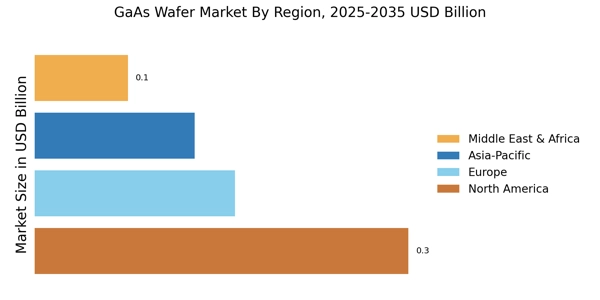
Research Methodology on GaAs Wafer Market
Introduction
The purpose of this research project is to provide a comprehensive overview of the GaAs Wafer market. The target population for the research was comprised of leading industry experts, including manufacturers and suppliers of GaAs wafers, as well as end-users and consultants working in the field. The primary research methods employed were qualitative surveys, interviews, and focus groups.
Research Design
The research design of this project was exploratory in nature; it sought to explore the dynamics of the GaAs Wafer market, including its drivers, restraints, opportunities, and threats. Furthermore, the overall size of the market was estimated using applicable data and market share estimates, both provided by industry experts. The scope of the research was national, as the purpose of the study is to examine the current state of the GaAs Wafer market, intending to understand its potential and future trends.
Data Collection
The data collection strategy was designed to enable triangulation of the data sources used. The sources of data employed were primary and secondary. The primary data was collected through qualitative surveys, interviews and focus groups. The main target population of the primary research was leading experts in the industry, including manufacturers and suppliers of GaAs wafers, as well as end users and consultants working in the field. The survey questionnaire used focused on topics such as competitive landscape, device features, and market growth. The secondary data is collected from published sources such as statistical databases, peer-reviewed journals, and market reports.
Sample Size and Sampling Technique
The sample size for the primary research was determined to be 100 industry professionals. The selection of the target population was done on a random basis, with professionals from various segments of the industry chosen. The sample was selected to ensure that it was appropriately representative of the industry and provided the best possible coverage of topics.
Data Analysis
The data analysis process was used to explore and discover the key characteristics and market dynamics of the GaAs Wafer market. After the survey data was collected, the responses were coded using appropriate software and the results were then analyzed using descriptive statistics. Additionally, qualitative analysis was also performed using content analysis techniques to gain further insights into the target population's responses.
Relationship between Variables
To gain a better understanding of the relationship between market forces and the performance of the GaAs Wafer market, various analytical techniques were used. These include linear regression, multiple regression, and logistic regression. The analysis was used to identify factors that could potentially affect the performance of the market, as well as the strength of their influence.
Findings
The findings of the study revealed that the GaAs Wafer market was growing in terms of both size and complexity. The main drivers of growth in the market included expanding application scope, technological advancements, and increasing demand in the market. Additionally, the key restraints on the market included high costs, slow adoption of new technologies, and lack of awareness. The study also identified potential opportunities in the form of emerging applications, new technologies, and favourable government policies.
Conclusion
In conclusion, this research has provided an in-depth look into the dynamics of the GaAs Wafer market. It has highlighted the key growth drivers, restraints, opportunities, and threats to the market, as well as estimated its current size and future potential. The results of the study can be used to inform decisions about market strategy and product development, as well as identify potential areas for further research.