Growing Aging Population
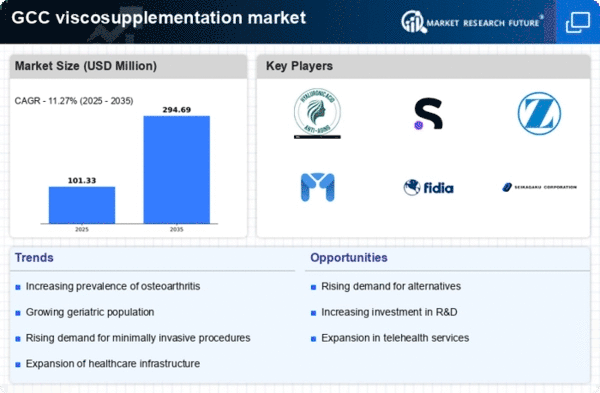
The aging population in the GCC is a significant driver for the viscosupplementation market. As individuals age, the prevalence of osteoarthritis and other joint-related disorders tends to increase, leading to a higher demand for effective treatment options. In the GCC, it is estimated that by 2030, the population aged 60 and above will reach approximately 20% of the total population. This demographic shift is likely to create a substantial market for viscosupplementation products, as older adults seek non-invasive solutions to manage joint pain and improve mobility. The viscosupplementation market is expected to benefit from this trend, as healthcare providers increasingly recommend these treatments to enhance the quality of life for elderly patients.
Rising Healthcare Expenditure
In the GCC, healthcare expenditure has been on the rise, driven by government initiatives to improve healthcare infrastructure and services. The region's healthcare spending is projected to reach $100 billion by 2025, reflecting a growing commitment to enhancing patient care. This increase in healthcare investment is likely to bolster the viscosupplementation market, as more resources become available for innovative treatments. With a focus on improving patient outcomes, healthcare providers are more inclined to adopt viscosupplementation therapies, which are perceived as effective alternatives to traditional surgical interventions. Consequently, the expansion of healthcare budgets may lead to increased accessibility and affordability of viscosupplementation products, further stimulating market growth.
Increased Focus on Sports Medicine
The growing emphasis on sports medicine in the GCC is contributing to the expansion of the viscosupplementation market. With a rising number of individuals participating in sports and physical activities, the incidence of sports-related injuries is also increasing. Viscosupplementation is gaining recognition as an effective treatment for joint injuries, particularly among athletes. The GCC region has seen a surge in sports events and initiatives aimed at promoting active lifestyles, which in turn drives the demand for effective recovery solutions. As sports medicine continues to evolve, the viscosupplementation market is likely to benefit from increased utilization of these therapies in both professional and recreational sports settings.
Regulatory Support for Innovative Therapies
Regulatory bodies in the GCC are increasingly supportive of innovative therapies, including viscosupplementation products. This regulatory environment is conducive to the growth of the viscosupplementation market, as it encourages the development and approval of new treatment options. Streamlined approval processes and favorable policies are likely to facilitate the entry of advanced viscosupplementation products into the market. As a result, healthcare providers may have access to a wider range of effective therapies, enhancing patient care. The regulatory support for innovative treatments may also foster collaboration between manufacturers and healthcare institutions, further driving advancements in the viscosupplementation market.
Shift Towards Minimally Invasive Procedures
The trend towards minimally invasive procedures is reshaping the landscape of the viscosupplementation market. Patients are increasingly seeking alternatives to invasive surgeries, which often involve longer recovery times and higher risks. Viscosupplementation offers a less invasive option for managing joint pain, appealing to both patients and healthcare providers. In the GCC, the demand for such procedures is expected to grow, as awareness of the benefits of minimally invasive treatments spreads. This shift is likely to drive the adoption of viscosupplementation therapies, as they align with the preferences of patients who prioritize quick recovery and reduced discomfort. As a result, the viscosupplementation market may experience significant growth in the coming years.




















Leave a Comment