Insoluble Dietary Fiber Market
Insoluble Dietary Fiber Market Summary
As per Market Research Future analysis, the Insoluble Dietary Fiber Market Size was estimated at 3.895 USD Billion in 2024. The Insoluble Dietary Fiber industry is projected to grow from 4.092 USD Billion in 2025 to 6.699 USD Billion by 2035, exhibiting a compound annual growth rate (CAGR) of 5.05% during the forecast period 2025 - 2035
Key Market Trends & Highlights
The Insoluble Dietary Fiber Market is experiencing robust growth driven by health trends and innovative product formulations.
- Health consciousness is significantly driving demand for insoluble dietary fiber, particularly in North America.
- Innovation in product formulations is enhancing the appeal of insoluble dietary fiber, especially in the Asia-Pacific region.
- The wheat bran segment remains the largest contributor to the market, while potato fibers are emerging as the fastest-growing segment.
- Rising awareness of digestive health and the growing demand for functional foods are key drivers propelling market expansion.
Market Size & Forecast
| 2024 Market Size | 3.895 (USD Billion) |
| 2035 Market Size | 6.699 (USD Billion) |
| CAGR (2025 - 2035) | 5.05% |
Major Players
DuPont (US), Cargill (US), BASF (DE), Archer Daniels Midland Company (US), Tate & Lyle (GB), Kerry Group (IE), Ingredion (US), MGP Ingredients (US), Sunfiber (US)
Insoluble Dietary Fiber Market Trends
The Insoluble Dietary Fiber Market is currently experiencing a notable transformation, driven by increasing consumer awareness regarding health and wellness. This shift appears to be influencing dietary choices, as individuals seek to incorporate more fiber-rich foods into their diets. The growing recognition of the benefits associated with insoluble dietary fiber, such as improved digestive health and potential weight management, seems to be propelling demand across various sectors, including food and beverages, pharmaceuticals, and dietary supplements. Furthermore, the trend towards clean label products is likely to enhance the appeal of insoluble dietary fiber, as consumers gravitate towards natural ingredients that align with their health-conscious lifestyles. In addition, the ongoing innovation in product formulations is indicative of a dynamic market landscape. Manufacturers are increasingly exploring novel sources of insoluble dietary fiber, which may include plant-based options and by-products from food processing. This exploration not only diversifies the product offerings but also caters to the rising demand for sustainable and environmentally friendly solutions. As the market evolves, it is essential for stakeholders to remain attuned to consumer preferences and regulatory developments, which could shape the future trajectory of the Insoluble Dietary Fiber Market. Overall, the interplay of health trends, innovation, and sustainability is likely to define the market's growth in the coming years.
Health Consciousness Driving Demand
The growing awareness of health benefits associated with insoluble dietary fiber is influencing consumer choices. Individuals are increasingly seeking products that promote digestive health and overall well-being, leading to a rise in demand across various sectors.
Innovation in Product Formulations
Manufacturers are actively exploring new sources of insoluble dietary fiber, including plant-based options. This innovation not only diversifies product offerings but also aligns with the increasing consumer preference for sustainable and natural ingredients.
Clean Label Trends
The trend towards clean label products is gaining momentum, as consumers prefer transparency in ingredient sourcing. Insoluble dietary fiber, often derived from natural sources, fits well within this movement, appealing to health-conscious individuals.
Insoluble Dietary Fiber Market Drivers
Shift Towards Plant-Based Diets
The shift towards plant-based diets is emerging as a significant driver for the Insoluble dietary fiber Market. As more consumers adopt vegetarian and vegan lifestyles, the demand for plant-based sources of dietary fiber is surging. Insoluble fiber, found abundantly in whole grains, fruits, and vegetables, aligns well with this dietary trend. Market Research Future indicates that the plant-based food market is projected to grow at a CAGR of 10% over the next five years. This growth is likely to enhance the demand for insoluble dietary fiber, as consumers seek natural and wholesome ingredients in their diets. Consequently, manufacturers are increasingly focusing on incorporating insoluble dietary fiber into their plant-based products.
Growing Demand for Functional Foods
The trend towards functional foods is significantly influencing the Insoluble Dietary Fiber Market. Consumers are increasingly seeking foods that offer health benefits beyond basic nutrition. Insoluble dietary fiber is often incorporated into various products, including cereals, snacks, and baked goods, to enhance their health profile. The market for functional foods is expected to grow at a compound annual growth rate of around 8% over the next few years. This growth is driven by the rising consumer preference for products that support digestive health and overall well-being. As manufacturers innovate to meet this demand, the presence of insoluble dietary fiber in food products is likely to expand.
Regulatory Support for Health Claims
Regulatory bodies are increasingly supporting health claims associated with dietary fiber, which is a crucial driver for the Insoluble Dietary Fiber Market. Governments and health organizations are recognizing the importance of dietary fiber in preventing chronic diseases, leading to favorable regulations that encourage the inclusion of fiber in food products. For instance, the FDA has established guidelines that allow manufacturers to make health claims regarding fiber content. This regulatory support not only boosts consumer confidence but also incentivizes manufacturers to incorporate more insoluble dietary fiber into their offerings. As a result, the market is expected to witness a steady increase in the availability of fiber-enriched products.
Rising Awareness of Digestive Health
The increasing awareness regarding digestive health is a pivotal driver for the Insoluble Dietary Fiber Market. Consumers are becoming more informed about the benefits of dietary fiber, particularly its role in promoting regular bowel movements and preventing constipation. This awareness is reflected in the growing demand for fiber-rich foods and supplements. According to recent data, the dietary fiber market is projected to reach a value of approximately 5 billion USD by 2026, with insoluble fiber accounting for a substantial share. As more individuals seek to improve their gut health, the demand for insoluble dietary fiber is likely to rise, thereby propelling the market forward.
Increased Focus on Preventive Healthcare
The rising emphasis on preventive healthcare is a notable driver for the Insoluble Dietary Fiber Market. As healthcare costs continue to escalate, consumers are becoming more proactive about their health, seeking dietary solutions that can prevent diseases. Insoluble dietary fiber is recognized for its potential to reduce the risk of various health issues, including obesity and diabetes. This trend is reflected in the increasing sales of dietary supplements and functional foods that contain high levels of insoluble fiber. Market analysts predict that the preventive healthcare market will expand significantly, further boosting the demand for insoluble dietary fiber as consumers prioritize health maintenance through dietary choices.
Market Segment Insights
By Source: Wheat Bran (Largest) vs. Potato Fibers (Fastest-Growing)
Wheat Bran (Dominant) vs. Potato Fibers (Emerging)
Wheat Bran remains the dominant player in the Insoluble Dietary Fiber Market, celebrated for its high fiber content and associated health benefits, including improved digestive health and weight management. Its versatility allows for incorporation into various food products ranging from baked goods to cereals, making it a favorite among health-conscious consumers and food manufacturers alike. On the other hand, Potato Fibers are an emerging source, gaining traction due to their unique texture, ability to retain moisture, and low-calorie count. The rising popularity of gluten-free and specialty diets has positioned Potato Fibers favorably among health-oriented buyers, enabling them to carve out a significant niche in the dietary fiber marketplace. As consumers increasingly focus on wholesome ingredients, both Wheat Bran and Potato Fibers exemplify contrasting yet complementary sources in the landscape of insoluble dietary fibers.
By Form: Powder (Largest) vs. Granule (Fastest-Growing)
In the Insoluble Dietary Fiber Market, the 'Form' segment is crucial as it dictates consumer preference and application methods. Among the various forms, Powder currently holds the largest market share due to its versatility and ease of integration into various dietary products. Granules are rapidly gaining traction, driven by changing consumer preferences for texture and solubility in food applications. Tablets and capsules follow as smaller segments but serve niche markets in dietary supplements.
Powder: Largest vs. Granule: Fastest-Growing
Powdered insoluble dietary fiber is the dominant form in the market, favored for its ease of use in food products such as bakery items and smoothies. It offers manufacturers greater flexibility in formulation and dosage. Granular forms, on the other hand, are noted as the fastest-growing segment, appealing to health-conscious consumers seeking texture in their dietary solutions. While powders blend seamlessly into products, granules retain a more distinct texture, appealing to those looking for more substantial fiber sources. The ongoing trend of clean-label products further boosts the attractiveness of both forms, as consumers continue to prioritize transparency in ingredient sourcing.
By Application: Food & Beverages (Largest) vs. Dietary Supplements (Fastest-Growing)
In the Insoluble Dietary Fiber Market, the application segment showcases distinct preferences, with Food & Beverages securing the largest share of the market. This segment capitalizes on the increasing demand for health-oriented food products, incorporating insoluble fibers to enhance nutritional value and promote digestive health. On the other hand, Dietary Supplements are emerging rapidly as consumers turn to these products for additional health benefits, offering an intriguing contrast that drives innovation and competition within the market.
Food & Beverages (Dominant) vs. Dietary Supplements (Emerging)
The Food & Beverages application remains dominant in the Insoluble Dietary Fiber Market, utilizing fiber to improve the texture and nutritional profile of various food items. This segment benefits from the ongoing trend towards healthier eating habits, with consumers actively seeking fiber-rich options to support digestive health and weight management. Conversely, the Dietary Supplements segment is emerging with notable potential, as health-conscious individuals increasingly explore supplements for enhanced nutrition. This segment offers versatility, with products ranging from fiber powders to capsules, appealing to diverse consumer preferences and lifestyles.
By End Use: Health and Wellness (Largest) vs. Sports Nutrition (Fastest-Growing)
The Insoluble Dietary Fiber Market is predominantly driven by the Health and Wellness segment, which captures the largest market share due to the growing consumer inclination towards health-enhancing products. This interest springs from a heightened awareness of dietary choices that promote gut health and aid in digestive functions. Additionally, the blend of insoluble fibers into various foods and supplements has made it appealing to health-conscious consumers seeking quality nutrition. In contrast, the Sports Nutrition segment is emerging rapidly, supported by increasing participation in fitness activities and the demand for nutritional support to enhance physical performance. The incorporation of insoluble dietary fiber into sports nutrition products caters to athletes' needs for sustained energy release and muscle recovery. This trend signifies a shift toward functional foods that provide specific health benefits, aligning with the evolving consumer preferences in the wellness domain.
Health and Wellness: Dominant vs. Sports Nutrition: Emerging
The Health and Wellness segment represents a dominant force in the Insoluble Dietary Fiber Market, fueled by consumers prioritizing nutrition in their diets. This segment encompasses a range of products designed to improve well-being, such as bakery items, cereals, and supplements, which incorporate insoluble fibers for their digestive benefits. The increased focus on gut health and preventive care elevates the segment’s status. On the other hand, the Sports Nutrition segment is an emerging player characterized by its focus on enhancing athletic performance. With a growing number of individuals engaging in fitness activities, the demand for dietary products infused with insoluble fiber is on the rise. These products not only cater to athletes but also to fitness enthusiasts seeking a balanced diet, making them integral to burgeoning trends in health and nutrition.
Regional Insights
North America : Market Leader in Innovation
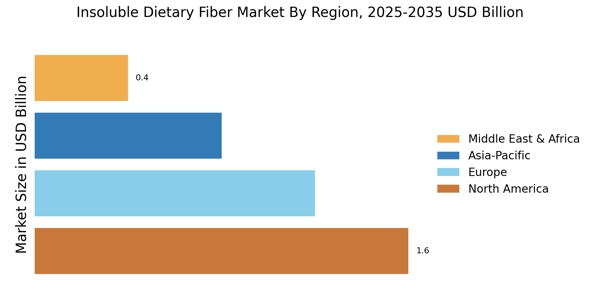
North America is the largest market for insoluble dietary fiber, holding approximately 40% of the global share. The region's growth is driven by increasing health awareness, rising demand for functional foods, and supportive regulatory frameworks. The FDA's recognition of dietary fibers as beneficial for health has further catalyzed market expansion. Additionally, the trend towards plant-based diets is boosting demand for insoluble fibers, particularly in the U.S. and Canada. The competitive landscape in North America is robust, featuring key players such as DuPont, Cargill, and Archer Daniels Midland Company. These companies are investing in R&D to innovate and expand their product offerings. The presence of advanced manufacturing facilities and a strong distribution network enhances market accessibility. The U.S. remains the largest contributor, followed by Canada, which is also witnessing a surge in demand for dietary fibers in food products.
Europe : Growing Health Consciousness
Europe is witnessing significant growth in the insoluble dietary fiber market, accounting for approximately 30% of the global share. The increasing prevalence of lifestyle-related diseases and a growing emphasis on preventive healthcare are key drivers. Regulatory support from the European Food Safety Authority (EFSA) has also played a crucial role in promoting dietary fibers as essential components of a healthy diet. Countries like Germany and France are leading this trend, with a strong focus on health-oriented food products. The competitive landscape in Europe is characterized by the presence of major players such as BASF and Tate & Lyle. These companies are actively engaged in product innovation and strategic partnerships to enhance their market presence. The region's diverse food industry, coupled with rising consumer awareness about health benefits, is driving the demand for insoluble dietary fibers. The UK and Italy are also emerging as significant markets, contributing to the overall growth in Europe.
Asia-Pacific : Emerging Market Potential
Asia-Pacific is rapidly emerging as a significant market for insoluble dietary fibers, holding around 20% of the global share. The region's growth is fueled by increasing urbanization, changing dietary patterns, and a rising focus on health and wellness. Countries like China and India are witnessing a surge in demand for functional foods, which is driving the consumption of dietary fibers. Government initiatives promoting healthy eating habits are also contributing to market growth. The competitive landscape in Asia-Pacific is evolving, with both local and international players vying for market share. Key companies such as Ingredion and Kerry Group are expanding their operations in the region to capitalize on the growing demand. The presence of a large population and increasing disposable incomes are further enhancing market opportunities. As consumers become more health-conscious, the demand for insoluble dietary fibers is expected to rise significantly in the coming years.
Middle East and Africa : Untapped Market Opportunities
The Middle East and Africa region is gradually recognizing the importance of insoluble dietary fibers, currently holding about 10% of the global market share. The growth is primarily driven by increasing health awareness and a shift towards healthier food options. Governments in the region are beginning to implement regulations that promote dietary health, which is expected to further boost market growth. Countries like South Africa and the UAE are leading this change, with rising consumer interest in functional foods. The competitive landscape in this region is still developing, with a mix of local and international players. Companies are focusing on educating consumers about the benefits of dietary fibers, which is crucial for market penetration. The presence of key players is limited compared to other regions, but as health trends continue to evolve, the demand for insoluble dietary fibers is anticipated to grow, presenting significant opportunities for market entrants.
Key Players and Competitive Insights
Key Companies in the Insoluble Dietary Fiber Market include
Industry Developments
The Insoluble Dietary Fiber Market has been witnessing notable developments recently, with companies like DuPont, BASF, and ADM focusing on innovating and expanding their product portfolios. Sensus and Ingredion are also enhancing their operations to meet the growing demand for dietary fiber in the food and beverage sector. Additionally, the market has observed a significant uptick in demand due to rising health consciousness among consumers and the increasing prevalence of chronic diseases, which is driving product innovation.
Merger and acquisition activity remains an area of interest, particularly as companies seek to strengthen their market position; however, recent publicly known mergers or acquisitions involving the specified companies have been limited. Some market players are reporting growth in valuation, with Cargill and Kerry Group also noting an increase in their investment in fiber-related projects. These dynamics are shaping the competitive landscape as firms adapt to shifting consumer preferences and health trends, further stimulating market growth.
Investments in research and development are becoming a priority for many, as they aim to introduce more effective and diverse insoluble dietary fiber options to consumers.
Future Outlook
Insoluble Dietary Fiber Market Future Outlook
The Insoluble Dietary Fiber Market is projected to grow at a 5.05% CAGR from 2025 to 2035, driven by increasing health awareness and demand for functional foods.
New opportunities lie in:
- Development of innovative fiber-enriched food products targeting health-conscious consumers. Expansion into emerging markets with tailored dietary fiber solutions. Strategic partnerships with health and wellness brands for co-branded products.
By 2035, the market is expected to solidify its position as a key player in the health food sector.
Market Segmentation
Insoluble Dietary Fiber Market Form Outlook
- Powder
- Granule
- Tablet
- Capsule
Insoluble Dietary Fiber Market Source Outlook
- Wheat Bran
- Corn Bran
- Brown Rice
- Potato Fibers
- Other Sources
Insoluble Dietary Fiber Market End Use Outlook
- Health and wellness
- Sports Nutrition
- Weight Management
Insoluble Dietary Fiber Market Application Outlook
- Food & Beverages
- Dietary Supplements
- Pharmaceuticals
- Animal Feed
Report Scope
| MARKET SIZE 2024 | 3.895(USD Billion) |
| MARKET SIZE 2025 | 4.092(USD Billion) |
| MARKET SIZE 2035 | 6.699(USD Billion) |
| COMPOUND ANNUAL GROWTH RATE (CAGR) | 5.05% (2025 - 2035) |
| REPORT COVERAGE | Revenue Forecast, Competitive Landscape, Growth Factors, and Trends |
| BASE YEAR | 2024 |
| Market Forecast Period | 2025 - 2035 |
| Historical Data | 2019 - 2024 |
| Market Forecast Units | USD Billion |
| Key Companies Profiled | DuPont (US), Cargill (US), BASF (DE), Archer Daniels Midland Company (US), Tate & Lyle (GB), Kerry Group (IE), Ingredion (US), MGP Ingredients (US), Sunfiber (US) |
| Segments Covered | Source, Form, Application, End Use, Regional |
| Key Market Opportunities | Rising consumer demand for gut health products drives growth in the Insoluble Dietary Fiber Market. |
| Key Market Dynamics | Rising consumer demand for health-oriented products drives innovation and competition in the insoluble dietary fiber market. |
| Countries Covered | North America, Europe, APAC, South America, MEA |
FAQs
What is the projected market valuation for the Insoluble Dietary Fiber Market in 2035?
The projected market valuation for the Insoluble Dietary Fiber Market in 2035 is 6.699 USD Billion.
What was the market valuation of the Insoluble Dietary Fiber Market in 2024?
The market valuation of the Insoluble Dietary Fiber Market in 2024 was 3.895 USD Billion.
What is the expected CAGR for the Insoluble Dietary Fiber Market from 2025 to 2035?
The expected CAGR for the Insoluble Dietary Fiber Market during the forecast period 2025 - 2035 is 5.05%.
Which companies are considered key players in the Insoluble Dietary Fiber Market?
What are the main sources of insoluble dietary fiber in the market?
The main sources of insoluble dietary fiber include Wheat Bran, Corn Bran, Brown Rice, Potato Fibers, and Other Sources, with valuations ranging from 0.485 to 1.949 USD Billion.
How does the form of insoluble dietary fiber impact its market valuation?
The form of insoluble dietary fiber, including Powder, Granule, Tablet, and Capsule, shows valuations from 0.4 to 2.5 USD Billion.
What applications are driving the growth of the Insoluble Dietary Fiber Market?
What end-use segments are contributing to the Insoluble Dietary Fiber Market?
End-use segments contributing to the market include Health and Wellness, Sports Nutrition, and Weight Management, with valuations from 1.2 to 2.5 USD Billion.
How does the market for insoluble dietary fiber compare across different forms?
The market for insoluble dietary fiber across different forms indicates Powder leading at 2.5 USD Billion, followed by Granule and Tablet.
What trends are expected to shape the Insoluble Dietary Fiber Market in the coming years?
Trends likely to shape the Insoluble Dietary Fiber Market include increasing health awareness and demand for dietary supplements, potentially driving market growth.
Kindly complete the form below to receive a free sample of this Report
Customer Stories
“This is really good guys. Excellent work on a tight deadline. I will continue to use you going forward and recommend you to others. Nice job”
“Thanks. It’s been a pleasure working with you, please use me as reference with any other Intel employees.”
“Thanks for sending the report it gives us a good global view of the Betaïne market.”
“Thank you, this will be very helpful for OQS.”
“We found the report very insightful! we found your research firm very helpful. I'm sending this email to secure our future business.”
“I am very pleased with how market segments have been defined in a relevant way for my purposes (such as "Portable Freezers & refrigerators" and "last-mile"). In general the report is well structured. Thanks very much for your efforts.”
“I have been reading the first document or the study, ,the Global HVAC and FP market report 2021 till 2026. Must say, good info! I have not gone in depth at all parts, but got a good indication of the data inside!”
“We got the report in time, we really thank you for your support in this process. I also thank to all of your team as they did a great job.”