Download Free Sample
Kindly complete the form below to receive a free sample of this Report
Meat Market Research Report Information by Product Type (Fresh Meat, Processed Meat), By Nature (Organic, Conventional), By Distribution Channel (Retail and Food Service), By End Use (Household Consumption, and HoReCa), By Processing Type (Raw/Unprocessed and Processed) and By Region (North America, Europe, Asia-Pacific, South America, And Middle East & Africa) –Market Forecast Till 2035
As per Market Research Future analysis, The Meat Market Size Was Valued at USD 1,337.11 Billion In 2024. The Meat Market Industry Is Projected to grow from USD 1,409.98 Billion in 2025 to USD 2,413.28 Billion by 2035, Exhibiting A Compound Annual Growth Rate (CAGR) of 5.45% during the Forecast Period (2025 – 2035).
The Meat Market is witnessing transformative shifts driven by consumer preferences, technological advances, and sustainability pressures.
| 2024 Market Size | 1,337.11 (USD Billion) |
| 2035 Market Size | 1,409.98 (USD Billion) |
| CAGR (2025 - 2035) | 5.45% |
The Meat Market refers to the sector encompassing the production, processing, distribution, and consumption of animal-derived meat products, including poultry, beef, pork, and lamb. This market involves the entire value chain from livestock farming and feed production to slaughtering, packaging, and retail distribution. Meat serves as a primary source of protein and essential nutrients for human consumption worldwide. The industry also includes processed and value-added meat products such as sausages, ready-to-eat meals, and frozen meat offerings. With increasing global demand driven by population growth, urbanization, and rising disposable incomes, the market continues to evolve through advancements in processing technology, sustainability practices, and alternative protein integration. Furthermore, the sector is witnessing a growing focus on traceability, animal welfare, and environmentally responsible production to meet changing consumer preferences and regulatory standards. This information creates a base for study.
The information also helps to define the scope and to narrow down the area for study of the market. This raw information is processed and analyzed to extract crisp data points which currently affect or are likely to affect the industry during the forecast period. After analyzing the information, a proprietary statistical tool is used for market estimation and forecast, which generates the quantitative figures/sizes of the market/sub-segments in the current scenario as well as for the forecast period.
After estimating the market sizes and estimates, the numbers are verified with industry participants and key opinion leaders. The wide network of industry participants add value to the research and verify the numbers and estimates provided in the study. At the last stage of the research process, a final report is prepared, which is then published on different websites as well as distributed through various channels. The below figure contains the different stages of the research process to produce the report.
The rising protein consumption and urbanization are key factors driving the growth of market. Urbanization plays a critical supportive role by fostering access to modern retail systems, refrigerated supply chains, and fast-food culture. For instance, a peer-reviewed Asian Economics Letters study found that in South Asia, rising urbanization and income have a statistically significant positive correlation with per capita meat consumption, underscoring how urban populations are more likely to substitute traditional cereals and pulses with animal proteins. Urban households tend to prefer poultry due to shorter cooking times, affordability, and its perception as a lean, healthy protein source trends most visible in China, India, and Indonesia, which together account for a large share of Asia’s projected 55% contribution to global meat consumption.
Technological innovation in meat processing is a key force propelling the Meat Market, drastically improving efficiency, product quality, and sustainability. In 2025, the industry is witnessing transformative advancements including automation, artificial intelligence (AI), blockchain traceability, and novel processing techniques that collectively shape the industry's next generation. Automation and robotics now underpin nearly every stage of meat processing from deboning and portioning to packaging delivering greater consistency in cut quality, faster processing times, and enhanced workplace safety. The world’s largest meat industry trade show, AI-powered vision systems were showcased for optimizing yield and reducing processing waste, while predictive algorithms now streamline supply chains and production planning based on real-time sales data.
The shift towards sustainable and ethical sourcing is a strong driver of growth in the Meat Market, fueled by increasing consumer demand for transparency, animal welfare, and reducing environmental impacts. Ethical sourcing involves animal welfare practices such as cage-free or free-range systems, slower-growing breeds, environmental stewardship, transparency, and fair treatment of workers. Several examples, facts, and trends illustrate how this driver is reshaping the meat sector
Advancements in cold chain logistics and packaging are reshaping the Meat Market by ensuring products are delivered fresher, safer, and over longer distances than ever before. Modern cold chain systems leverage refrigerated trucks, shipping containers, and automated warehouses to maintain precise temperature and humidity levels, effectively reducing spoilage and extending the shelf life of meat products. According to industry sources, these technological developments allow for greater international trade of meat, as producers in South America, Australia, and the United States can reliably export high-quality beef, pork, and poultry to Asia, Africa, and Europe without compromising food safety. For example, major companies are integrating real-time monitoring via sensors powered by the Internet of Things (IoT), enabling continuous tracking of temperature and location throughout transit. Predictive analytics now help logistics providers identify and preempt equipment failures, greatly reducing the risk of spoilage route.
In the meat market, the product type segment reveals varied dynamics among beef, pork, poultry, lamb, and game meat. Beef holds the largest market share due to its established consumption patterns and preference among many regions. Following beef, poultry has grown significantly, capturing a substantial portion of the market, while game meat and lamb continue to appeal to niche consumer segments seeking alternative proteins.
Beef (Dominant) vs. Poultry (Emerging)
Beef remains the dominant player in the meat market, characterized by its robust culinary versatility and high demand across culinary traditions. Its stronghold is supported by a loyal consumer base that values flavor and richness. In contrast, poultry is emerging as a favorite among health-conscious consumers, driven by its lower fat content and high protein levels. This shift towards poultry is fueled by changing dietary preferences and its adaptability in various cuisines. The rise of organic and free-range poultry options reflects a growing trend towards sustainably sourced meat, further enhancing its market potential.
The processing method segment of the meat market illustrates a diverse landscape characterized by various techniques. Fresh meat remains the largest segment, appealing to consumers seeking quality and taste. This category often reflects the highest market share due to increasing demand for fresh, minimally processed products. Following closely, the frozen meat segment has gained traction among consumers, particularly for its convenience and longer shelf life, showcasing significant competitive growth. Moreover, the processed meat sector is witnessing notable changes with the rise of alternative protein sources and health-conscious consumers, prompting a shift in traditional consumption patterns. Growth trends within the meat processing segment are primarily driven by evolving consumer preferences towards convenience and health. The inclination towards ready-to-eat meals and the use of frozen meat for meal preparation is increasingly prominent. Additionally, the innovation in curing and smoking technologies is creating new product offerings that resonate with gourmet trends. Sustained demand for fresh products emphasizes the need for transparent sourcing and high-quality standards, while the frozen segment continues to appeal to consumers looking for cost-effective options without sacrificing quality.
Fresh (Dominant) vs. Processed (Emerging)
Fresh meat has established its position as the dominant category in the processing method segment, attracting consumers who favor quality and natural flavors. Its appeal lies in the perception of freshness, often leading to higher price points and customer loyalty. In contrast, the processed meat segment, while emerging, has been adapting to meet health trends by introducing leaner and more nutritious options. With consumers increasingly mindful of ingredients, processed meat products now focus on cleaner labeling and better quality formulations. As a result, brands are innovating to create healthier processed options that resonate with quality-conscious consumers, establishing a robust presence in an evolving market.
In the meat market, supermarkets hold a significant share of the distribution landscape, serving as the primary point of sale for consumers seeking convenience and variety. They benefit from established relationships with suppliers and a consistent customer base. Specialty stores and wholesale operations also play vital roles, providing high-quality cuts and bulk purchasing options, yet their market presence is smaller compared to the dominance of supermarkets. Online retail is gaining traction, particularly among younger consumers, reflecting a shift in purchasing habits due to the convenience of home delivery.
Supermarkets (Dominant) vs. Online Retail (Emerging)
Supermarkets are the dominant force in the meat distribution channel, offering extensive selections that cater to a wide range of consumer preferences and dietary needs. Their physical presence, coupled with promotional offers and loyalty programs, fosters customer retention and increased foot traffic. Meanwhile, online retail is emerging as a formidable competitor, fueled by consumer trends towards convenient shopping and an increase in e-commerce capabilities. This segment leverages rapid delivery systems and specialized online offers that appeal to tech-savvy shoppers, particularly in urban areas. Together, these channels represent the evolving landscape of meat distribution.
The meat market is significantly diversified across various end-use segments, with the household segment representing the largest share, driven by consistent demand for home cooking and family meals. Followed closely by food service, which caters to restaurants, cafes, and catering businesses, this segment is essential for providing meat products in ready-to-eat forms. Retail and catering segments also contribute notably, reflecting the changing eating habits of consumers preferring convenience and quick service options.
Household (Dominant) vs. Food Service (Emerging)
The household segment is characterized by a strong preference for fresh and frozen meat products, as families increasingly engage in home cooking. In contrast, the food service segment is rapidly emerging due to the growth of the dining out culture and the expansion of fast-casual dining establishments. This means that suppliers must focus on meeting quality and safety standards, as well as adapting their offerings to the preferences of chefs and restaurant operators, who prioritize innovation in their meat sourcing.
In the meat market, packaging types play a critical role in maintaining product quality and extending shelf life. Vaccum sealed packaging holds the largest market share due to its effectiveness in preserving freshness and preventing spoilage, making it a preferred choice among consumers. Modified atmosphere packaging follows suit, experiencing rapid growth as it enhances longer shelf life and maintains the visual appeal of meat products, catering to the increasing demand for convenient and ready-to-eat options.
Vacuum Sealed (Dominant) vs. Modified Atmosphere Packaging (Emerging)
Vacuum sealed packaging is dominant in the meat market, favored for its superior ability to minimize oxygen exposure, which extends shelf life and retains flavor. This method effectively deters bacterial growth, making it ideal for perishable products. On the other hand, modified atmosphere packaging is emerging, combining gases such as nitrogen and carbon dioxide to replace the air inside the packaging. It ensures that the meat retains its color and texture, appealing to health-conscious consumers seeking fresh-looking products. Together, these packaging types reflect the evolving preferences towards quality and convenience in meat offerings.
North America: Increased Meat Consumption
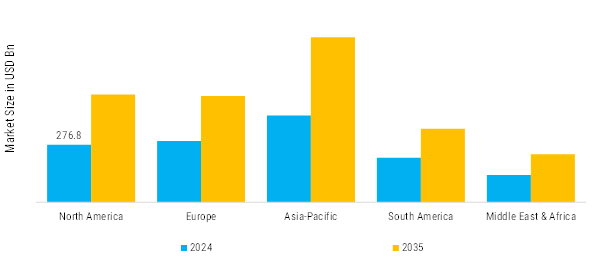
North America leads global meat consumption with its advanced production, diverse channels, and premium preferences across fresh, processed, organic, and conventional meats. The U.S. dominates the region market share, bolstered by robust cold chains and high per capita intake while Mexico drives growth via urbanization. Sustaining steakhouses via Angus premiums amid feed cost pressures. Poultry and pork grow via ready-to-cook cuts and Hispanic flavors, with processed poultry U.S. value share (sausages, nuggets). Organic niches expand in retail, but conventional dominates volume.
Europe: Emerging Meat Consumption
Europe's meat market emphasizes quality, sustainability, and tradition across fresh/processed, organic/conventional, and retail/HoReCa channels. Challenges include EU Green Deal emission cuts (favoring efficient poultry) and flexitarian dips in per capita intake, balanced by premiumization. Poland/Netherlands excel in poultry exports. The region processes over 50 million tonnes annually, with fresh/raw meat dominating at volume share due to culinary preferences for home-cooked cuts in Germany, France, and Italy. Pork leads production.
Asia-Pacific: Rapidly Growing Meat Consumption
Asia Pacific commands the largest share of the Meat Market at around 57.8% in 2025, propelled by population growth, urbanization, and rising incomes in China, India, and Southeast Asia. China recovers post-ASF with self-reliant pork, fueling household and export growth. India pivots to poultry/processed amid vegetarian traditions, Japan imports of preserved meats for premium retail. Thailand/China export regionally. Urban millennials drive organic/flexitarian shifts, but conventional volume prevails; sustainability via feed efficiency caps emissions amid of global demand rise.
Middle East and Africa: Emerging Meat Consumption
Middle East and Africa (MEA) represent an emerging meat market shaped by halal standards, urbanization, and diverse cultural demands across fresh, processed, organic, and conventional meats. The region grows steadily amid population pressures and rising middle classes, with poultry dominating due to affordability and religious compliance, though data shows fragmented valuations focused heavily on processed segments.
South America: Rapidly Develop Meat Consumption
The South America stands as a powerhouse in global meat production and exports, particularly beef, with Brazil and Argentina leading across fresh, processed, organic, and conventional segments. The region balances massive volume from conventional meats with growing processed convenience.
Many global, regional, and local vendors characterize the Meat Market. The market is highly competitive, with all the players competing to gain market share. Intense competition, rapid advances in technology, frequent changes in government policies, and environmental regulations are key factors that confront market growth. The vendors compete based on cost, product quality, reliability, and government regulations. Vendors must provide cost-efficient, high-quality products to survive and succeed in an intensely competitive market.
The major players in the market include Scandi Standard AB, MHP, Gruppo Veronesi, Animex, Plukon Food Group, Galliance, Avara Foods Ltd, Amadori, Hubers Landhendl, Wipasz S.A, SuperDrob S.A, Drosed Holding S.A, Grupa Cedrob, Landgeflügel FG Vertriebsgesellschaft mbH, PHW Group strategic market developments and decisions to improve operational effectiveness.





In 2025, Improve bird welfare, enhance behavioral outcomes, increase flock activity, and allow farmers more space to monitor and manage flock health. The move aligns with UK retailer commitments, improves sustainability credentials, and maintains competitive production costs.
The Meat Market is projected to grow at a 5.45%CAGR from 2025 to 2035, driven by growing geriatric population and technological advancements.
New opportunities lie in:
| Market Size 2024 | 1,337.11 (USD Billion) |
| Market Size 2025 | 1,409.98 (USD Billion) |
| Market Size 2035 | 2,413.28 (USD Billion) |
| Compound Annual Growth Rate (CAGR) | 5.45% (2025 - 2035) |
| Report Coverage | Revenue Forecast, Competitive Landscape, Growth Factors, and Trends |
| Base Year | 2024 |
| Market Forecast Period | 2025 - 2035 |
| Historical Data | 2019 - 2023 |
| Market Forecast Units | USD Billion |
| Key Companies Profiled | Scandi Standard AB, MHP, Gruppo Veronesi, Animex, Plukon Food Group, Galliance, Avara Foods Ltd, Amadori, Hubers Landhendl, Wipasz S.A, SuperDrob S.A, Drosed Holding S.A, Grupa Cedrob, Landgeflügel FG Vertriebsgesellschaft mbH, PHW Group. |
| Segments Covered | By Product Type, By Nature By Distribution Channel, By End Use, By Processing Type |
| Key Market Opportunities | · Expansion of plant-based meat alternatives · Ethnic Meat Varieties · Strategic Acquisitions and Market Expansion |
| Key Market Dynamics | · Rising Protein Consumption & Urbanization · Advancements in Cold Chain Logistics & Packaging · Technological Innovation in Meat Processing · Shift towards sustainable and ethical sourcing |
| Regional Covered | North America, Europe, Asia Pacific, Latin America, Middle East & Africa. |
The overall market valuation of the meat market was 1181.0 USD Billion in 2024.
The projected valuation for the meat market in 2035 is 1614.0 USD Billion.
The expected CAGR for the meat market during the forecast period 2025 - 2035 is 2.88%.
Beef appears to hold the highest market value, with a range of 400.0 to 550.0 USD Billion.
The poultry market is valued between 350.0 and 500.0 USD Billion, whereas the pork market ranges from 300.0 to 400.0 USD Billion.
Supermarkets lead the distribution channels, with a valuation between 500.0 and 700.0 USD Billion.
Processed meat products have a valuation range of 131.0 to 214.0 USD Billion.
Tray Sealed packaging is expected to have the highest market value, ranging from 300.0 to 400.0 USD Billion.
The food service segment is valued between 250.0 and 350.0 USD Billion.
Key players in the meat market include JBS S.A., Tyson Foods, Inc., and Cargill, Inc.



Kindly complete the form below to receive a free sample of this Report

“This is really good guys. Excellent work on a tight deadline. I will continue to use you going forward and recommend you to others. Nice job”


“Thanks. It’s been a pleasure working with you, please use me as reference with any other Intel employees.”


“Thanks for sending the report it gives us a good global view of the Betaïne market.”


“Thank you, this will be very helpful for OQS.”


“We found the report very insightful! we found your research firm very helpful. I'm sending this email to secure our future business.”


“I am very pleased with how market segments have been defined in a relevant way for my purposes (such as "Portable Freezers & refrigerators" and "last-mile"). In general the report is well structured. Thanks very much for your efforts.”


“I have been reading the first document or the study, ,the Global HVAC and FP market report 2021 till 2026. Must say, good info! I have not gone in depth at all parts, but got a good indication of the data inside!”


“We got the report in time, we really thank you for your support in this process. I also thank to all of your team as they did a great job.”


“The Automotive 48V ECU Components Procurement Intelligence Study” was a complex project, but the Market Research Future (MRFR) team handled it with quality, agility, and customer-centricity. They delivered all requested data on time and within the agreed scope. The team, including Shubhendra Anand and Rahul Gotadki, was always readily available to clarify questions and swiftly implement necessary adjustments, driving the project to a successful conclusion within a very demanding timeframe.
I would also like to specifically commend Akshay Agarwal for his responsiveness and support at every stage—from our initial inquiry on May 6th through to final delivery on June 18th. His dedication made the entire process seamless.”



