Download Free Sample
Kindly complete the form below to receive a free sample of this Report
South Korea Healthcare Payer Services Market Research Report: Size, Share, Trend Analysis By Service Type (Claims Management, Billing and Payment Processing, Member Management, Fraud Detection and Prevention), By End Users (Health Insurance Companies, Government Healthcare Programs, Managed Care Organizations, Third-Party Administrators), By Deployment Mode (On-Premises, Cloud-Based, Hybrid) and By Functionality (Administrative Services, Technology Support Services, Consulting Services) - Growth Outlook & Industry Forecast 2025 To 2035
As per Market Research Future analysis, the South Korea Healthcare Payer Services Market size was estimated at 1120.0 USD Million in 2024. The Healthcare Payer-services market is projected to grow from 1218.11 USD Million in 2025 to 2820.0 USD Million by 2035, exhibiting a compound annual growth rate (CAGR) of 8.7% during the forecast period 2025 - 2035
The South Korea healthcare payer-services market is experiencing a transformative shift towards digitalization and value-based care.
| 2024 Market Size | 1120.0 (USD Million) |
| 2035 Market Size | 2820.0 (USD Million) |
| CAGR (2025 - 2035) | 8.76% |
UnitedHealth Group (US), Anthem (US), Aetna (US), Cigna (US), Humana (US), Centene (US), Molina Healthcare (US), Kaiser Permanente (US), WellCare Health Plans (US)
Our Impact
Enabled $4.3B Revenue Impact for Fortune 500 and Leading Multinationals
Partnering with 2000+ Global Organizations Each Year
30K+ Citations by Top-Tier Firms in the Industry
The South Korea Healthcare Payer Services Market in South Korea is currently experiencing notable transformations driven by technological advancements and regulatory changes. The integration of digital health solutions is becoming increasingly prevalent, as stakeholders seek to enhance efficiency and improve patient outcomes. This shift appears to be supported by government initiatives aimed at promoting innovation within the healthcare sector. Furthermore, the rising demand for personalized healthcare services is influencing payer strategies, compelling them to adapt their offerings to meet the evolving needs of consumers. As a result, the landscape is becoming more competitive, with various players striving to differentiate themselves through enhanced service delivery and customer engagement. In addition, the healthcare payer-services market is witnessing a growing emphasis on data analytics and artificial intelligence. These technologies are being leveraged to optimize claims processing, fraud detection, and risk management. The potential for improved decision-making and operational efficiency is driving investment in these areas. Moreover, the increasing focus on value-based care is prompting payers to explore innovative payment models that align incentives with patient outcomes. Overall, the market is poised for continued evolution as it adapts to the changing dynamics of the healthcare environment.
The healthcare payer-services market is undergoing a digital transformation, with an increasing adoption of telemedicine and electronic health records. This trend is driven by the need for improved efficiency and patient engagement, as stakeholders leverage technology to streamline operations and enhance service delivery.
There is a growing emphasis on data analytics within the healthcare payer-services market. Payers are utilizing advanced analytics to improve claims processing, identify fraud, and manage risk more effectively. This trend suggests a shift towards more informed decision-making and operational efficiency.
The healthcare payer-services market is increasingly focusing on value-based care models. Payers are exploring innovative payment structures that align financial incentives with patient outcomes. This shift indicates a broader movement towards enhancing the quality of care while managing costs.
The healthcare payer-services market is significantly influenced by regulatory changes and compliance requirements. In South Korea, the government has implemented various policies aimed at enhancing healthcare accessibility and affordability. For instance, the introduction of the National Health Insurance Service (NHIS) has mandated that all citizens be covered, thereby expanding the payer base. This regulatory framework is expected to drive growth in the healthcare payer-services market, with an estimated increase in market size by 15% over the next few years. Compliance with these regulations necessitates that payers invest in robust systems to manage claims and ensure adherence to standards, which could further stimulate market activity.
The healthcare payer-services market is experiencing a notable transformation due to rapid technological advancements. Innovations such as artificial intelligence (AI) and machine learning are streamlining claims processing and enhancing fraud detection capabilities. In South Korea, the integration of these technologies is projected to reduce operational costs by approximately 20% over the next five years. Furthermore, telemedicine and digital health platforms are gaining traction, allowing payers to offer more efficient services. This shift not only improves patient engagement but also optimizes resource allocation within the healthcare payer-services market. As technology continues to evolve, it is likely that the market will see increased competition among payers striving to adopt cutting-edge solutions.
The healthcare payer-services market is witnessing a shift in consumer expectations, with a growing demand for personalized healthcare solutions. South Korean consumers are increasingly seeking tailored services that cater to their individual health needs. This trend is prompting payers to invest in data analytics and customer relationship management systems to better understand patient preferences. As a result, the market is likely to see a rise in personalized health plans and wellness programs, which could enhance customer satisfaction and retention rates. It is estimated that personalized healthcare offerings could lead to a 25% increase in market engagement over the next few years.
The integration of health information technology (HIT) is emerging as a pivotal driver in the healthcare payer-services market. In South Korea, the push for interoperability among various healthcare systems is gaining momentum, facilitating seamless data exchange between payers, providers, and patients. This integration is expected to enhance care coordination and improve overall healthcare outcomes. Moreover, the implementation of electronic health records (EHRs) is projected to reduce administrative costs by up to 15%, thereby allowing payers to allocate resources more effectively. As HIT continues to evolve, it is likely to play a crucial role in shaping the future landscape of the healthcare payer-services market.
The demographic shift towards an aging population in South Korea is a critical driver for the healthcare payer-services market. As the proportion of elderly individuals rises, there is an increasing prevalence of chronic diseases, necessitating more comprehensive healthcare services. This trend is projected to result in a 30% increase in healthcare expenditures by 2030. Payers are thus compelled to adapt their service offerings to meet the growing demand for chronic disease management programs. This adaptation not only enhances patient outcomes but also positions payers to capture a larger share of the market, as they develop tailored solutions for this demographic.
The South Korea healthcare payer-services market reveals a competitive landscape among its primary segments: Claims Management, Billing and Payment Processing, Member Management, and Fraud Detection and Prevention. Claims Management holds the largest share, playing a critical role in streamlining healthcare reimbursements and ensuring efficient provider payments. Meanwhile, Billing and Payment Processing, while crucial, maintains a smaller market share as stakeholders increasingly prioritize integrated solutions that encompass other service areas. Growth trends in this segment indicate a notable shift towards digital innovation, particularly in areas like Fraud Detection and Prevention. This segment is experiencing rapid growth driven by increased demand for security and compliance in healthcare transactions. Organizations are focusing on advanced analytics and technology to enhance fraud detection capabilities, reflecting a broader trend towards automated and AI-driven solutions that promise improved efficiency and reduced risk.
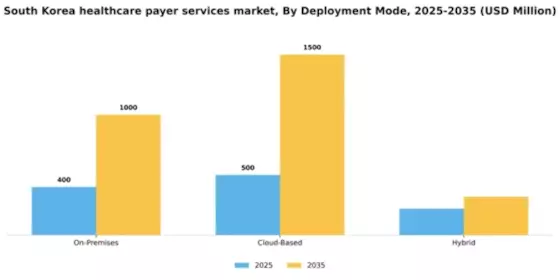
Claims Management (Dominant) vs. Fraud Detection and Prevention (Emerging)
Claims Management stands out as the dominant segment due to its critical role in managing the complexities of healthcare reimbursements. It encompasses the end-to-end process of claim submission, processing, and payment, ensuring healthcare providers receive timely compensation for services rendered. This segment benefits from established workflows and regulatory compliance. In contrast, Fraud Detection and Prevention is an emerging segment that is gaining traction as organizations become increasingly aware of financial risks associated with healthcare fraud. Leveraging advanced machine learning and real-time data analytics, this segment aims to identify and mitigate fraudulent activities effectively. The dual focus on operational efficiency in Claims Management and innovative security solutions in Fraud Detection and Prevention shapes a dynamic interplay that defines the evolving landscape of the market.
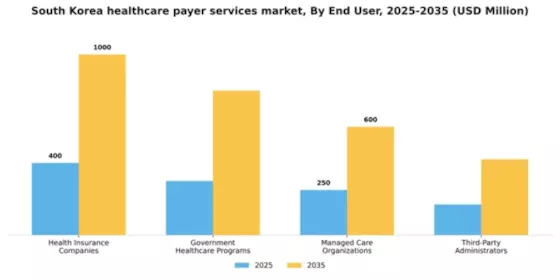
In the South Korea healthcare payer-services market, Health Insurance Companies dominate the end user segment, holding a significant share of the market. They play a crucial role in delivering healthcare coverage and services to a large population. In contrast, Government Healthcare Programs are emerging rapidly, reflecting the government's focus on expanding access to healthcare services and enhancing public health outcomes, thus they are gaining a noteworthy share. The growth trends for these segments are shaped by demographic changes, increasing healthcare expenditure, and the need for innovative care models. Health Insurance Companies are propelled by the rising demand for comprehensive coverage, while Government Healthcare Programs benefit from ongoing policy reforms aimed at increasing accessibility. Managed Care Organizations and Third-Party Administrators also contribute to this growth but are relatively less impactful compared to the leading segments.
Health Insurance Companies (Dominant) vs. Government Healthcare Programs (Emerging)
Health Insurance Companies represent the dominant force in the South Korea healthcare payer-services market, characterized by their established networks and robust financial capabilities. These organizations provide a range of services, including risk management and the development of tailored insurance products, thereby solidifying their market position. On the other hand, Government Healthcare Programs are seen as the emerging segment focused on enhancing healthcare delivery through subsidy programs and public health initiatives. This shift towards government-led health initiatives reflects an increasing societal emphasis on equitable healthcare access, which is expected to reshape payer services over the coming years.
In the South Korea healthcare payer-services market, the distribution of deployment modes showcases a significant preference for cloud-based solutions, which dominate the segment with the largest share. On-premises deployments are steadily declining as market participants recognize the advantages of cloud technologies. Cloud-based services are increasingly adopted due to their scalability, flexibility, and cost-effectiveness, making them the preferred choice among healthcare payers. Conversely, hybrid deployment models offer a balanced approach, allowing for the integration of existing on-premises systems with new cloud solutions, appealing to organizations seeking a gradual transition. Current trends in the South Korea healthcare payer-services market indicate a robust growth trajectory for cloud-based and hybrid deployment modes. The rising demand for remote access to healthcare services and the need for real-time data analytics are key drivers propelling the adoption of these models. Additionally, regulatory support for digital transformation initiatives fosters an environment conducive to innovation, enabling healthcare payers to leverage hybrid solutions to improve operational efficiency and patient outcomes. As organizations evolve, the hybrid model emerges as a strong contender, appealing to those who wish to balance traditional and modern approaches.
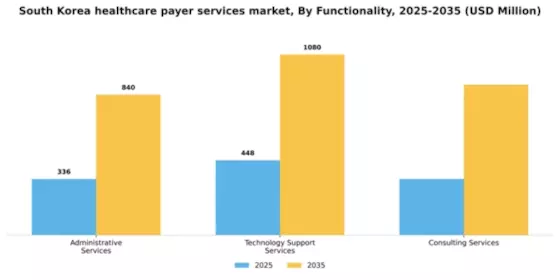
Cloud-Based (Dominant) vs. Hybrid (Emerging)
Cloud-based deployment in the South Korea healthcare payer-services market stands out as the dominant model, recognized for its operational advantages, such as cost reduction and enhanced data management capabilities. This approach allows payers to streamline their processes and improve accessibility to critical healthcare data, thus enhancing overall service delivery. In contrast, the hybrid model is emerging as a prominent alternative, gaining traction among organizations that prefer not to abandon their legacy systems entirely. With its flexibility to bridge on-premises infrastructure with cloud innovations, the hybrid model caters to both current needs and future growth, providing a strategic pathway for healthcare payers to optimize their IT investments while navigating the transition towards full cloud adoption.
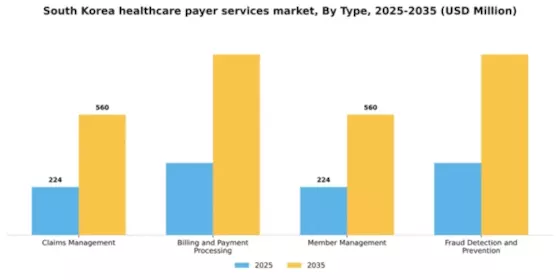
In the South Korea healthcare payer-services market, the distribution of market share among various functionality segments reveals that Consulting Services holds the largest share, driven by increasing demand for strategic advice and operational efficiency. Administrative Services, while essential, occupy a smaller share as payers increasingly seek to streamline operations through outsourced solutions. Technology Support Services, on the other hand, are progressively gaining traction as healthcare organizations integrate advanced technologies into their workflows. The growth trends in this market segment indicate a robust trajectory for Technology Support Services as digital transformation accelerates within the healthcare sector. Factors fueling this growth include increased investments in health-tech startups, the implementation of electronic health records (EHR), and a rising emphasis on data analytics. Meanwhile, Consulting Services are witnessing sustained demand driven by regulatory changes and the need for improved patient care services, aligning with the overall trend towards more efficient and effective healthcare delivery.
Consulting Services: Dominant vs. Technology Support Services (Emerging)
Consulting Services in the South Korea healthcare payer-services market are characterized by their role in guiding organizations through complex regulatory environments and operational challenges. This segment focuses on optimizing payer strategies, resulting in enhanced performance and patient satisfaction. The largest share of this market demonstrates its importance, as healthcare payers prioritize expertise to navigate evolving healthcare demands. Conversely, Technology Support Services are emerging rapidly, marked by a shift towards innovation and technology integration. This segment provides crucial support mechanisms, such as IT infrastructure, software solutions, and analytics capabilities, key for managing modern healthcare challenges. The fast-paced advancements in medical technology propel this segment, reflecting the critical need for technology-savvy solutions in the evolving healthcare landscape.
Get more detailed insights about South Korea Healthcare Payer Services Market Request Free Sample
The healthcare payer-services market in South Korea is characterized by a dynamic competitive landscape, driven by factors such as technological advancements, regulatory changes, and an increasing demand for personalized healthcare solutions. Major players in this market, including UnitedHealth Group (US), Anthem (US), and Cigna (US), are strategically positioning themselves through innovation and partnerships. These companies are focusing on enhancing their digital capabilities and expanding their service offerings, which collectively shapes a competitive environment that is increasingly reliant on technology and customer-centric solutions. Key business tactics employed by these companies include localizing services to better meet regional needs and optimizing their supply chains to enhance efficiency. The market appears to be moderately fragmented, with several key players exerting influence over various segments. This fragmentation allows for a diverse range of services and innovations, although it also intensifies competition among the leading firms. In October 2025, UnitedHealth Group (US) announced a partnership with a local technology firm to develop an AI-driven platform aimed at improving patient engagement and care management. This strategic move is likely to enhance UnitedHealth's service delivery and operational efficiency, positioning the company favorably in a market that increasingly values technological integration. In September 2025, Anthem (US) launched a new telehealth initiative designed to expand access to healthcare services in rural areas of South Korea. This initiative not only addresses the growing demand for remote healthcare solutions but also aligns with Anthem's strategy to enhance its market presence through innovative service delivery models. The focus on telehealth may significantly improve patient outcomes and satisfaction, thereby strengthening Anthem's competitive position. In August 2025, Cigna (US) expanded its health insurance offerings by introducing a new wellness program tailored to the South Korean market. This program emphasizes preventive care and chronic disease management, reflecting Cigna's commitment to promoting health and wellness among its members. Such initiatives are indicative of a broader trend towards value-based care, which is likely to resonate well with consumers seeking comprehensive health solutions. As of November 2025, the competitive trends in the healthcare payer-services market are increasingly defined by digitalization, sustainability, and the integration of AI technologies. Strategic alliances among key players are shaping the landscape, fostering innovation and enhancing service delivery. Looking ahead, competitive differentiation is expected to evolve, with a notable shift from price-based competition to a focus on innovation, technology, and supply chain reliability. This transition may redefine how companies engage with consumers and deliver value in an ever-evolving market.

Recent developments in the South Korea Healthcare Payer Services Markethave shown notable trends among major companies. In June 2023, Hanwha Life Insurance announced plans to enhance its digital services, aiming to improve customer experience by integrating artificial intelligence in claims processing. Meanwhile, Korea Health Insurance Corporation reported increased revenues due to a rise in mandatory contributions as of January 2023, attributed to legislative changes to address healthcare sustainability. Samsung Life Insurance has also focused on expanding its health insurance offerings, tapping into the growing demand for comprehensive coverage amidst an aging population.
On the mergers and acquisitions front, Meritz Fire and Marine Insurance finalized its acquisition of a minority stake in DB Insurance in March 2023, enhancing its portfolio in the healthcare segment. The market valuation of companies like AIA Korea has seen significant growth, with an increase in policy sales contributing to overall market expansion. Notable changes include the government's recent push for transparent pricing in medical services, which has been a significant point of discussion in healthcare policy reforms over the past two years.
The Healthcare Payer Services Market in South Korea is projected to grow at an 8.76% CAGR from 2025 to 2035, driven by technological advancements, regulatory changes, and increasing demand for efficient healthcare solutions.
New opportunities lie in:
By 2035, the market is expected to achieve substantial growth, reflecting evolving healthcare dynamics.
| MARKET SIZE 2024 | 1120.0(USD Million) |
| MARKET SIZE 2025 | 1218.11(USD Million) |
| MARKET SIZE 2035 | 2820.0(USD Million) |
| COMPOUND ANNUAL GROWTH RATE (CAGR) | 8.76% (2025 - 2035) |
| REPORT COVERAGE | Revenue Forecast, Competitive Landscape, Growth Factors, and Trends |
| BASE YEAR | 2024 |
| Market Forecast Period | 2025 - 2035 |
| Historical Data | 2019 - 2024 |
| Market Forecast Units | USD Million |
| Key Companies Profiled | UnitedHealth Group (US), Anthem (US), Aetna (US), Cigna (US), Humana (US), Centene (US), Molina Healthcare (US), Kaiser Permanente (US), WellCare Health Plans (US) |
| Segments Covered | Type, End User, Deployment Mode, Functionality |
| Key Market Opportunities | Integration of advanced analytics and artificial intelligence in healthcare payer-services market enhances operational efficiency and patient outcomes. |
| Key Market Dynamics | Rising technological advancements drive efficiency and competition in South Korea's healthcare payer-services market. |
| Countries Covered | South Korea |
The projected market valuation for the South Korea healthcare payer-services market is $2820.0 Million by 2035.
The overall market valuation in 2024 was $1120.0 Million.
The expected CAGR for the South Korea healthcare payer-services market during the forecast period 2025 - 2035 is 8.76%.
In 2024, the claims management segment had a valuation of $224.0 Million.
The projected valuation for billing and payment processing is $840.0 Million by 2035.
The health insurance companies segment is expected to grow the most, with a projected valuation of $1000.0 Million by 2035.
The valuation range for cloud-based deployment mode is projected to be between $500.0 Million and $1500.0 Million by 2035.
The consulting services functionality segment is projected to reach $900.0 Million by 2035.
Key players in the market include UnitedHealth Group, Anthem, Aetna, Cigna, Humana, Centene, Molina Healthcare, Kaiser Permanente, and WellCare Health Plans.
The valuation for government healthcare programs in 2024 was $300.0 Million.


Kindly complete the form below to receive a free sample of this Report

“This is really good guys. Excellent work on a tight deadline. I will continue to use you going forward and recommend you to others. Nice job”


“Thanks. It’s been a pleasure working with you, please use me as reference with any other Intel employees.”


“Thanks for sending the report it gives us a good global view of the Betaïne market.”


“Thank you, this will be very helpful for OQS.”


“We found the report very insightful! we found your research firm very helpful. I'm sending this email to secure our future business.”


“I am very pleased with how market segments have been defined in a relevant way for my purposes (such as "Portable Freezers & refrigerators" and "last-mile"). In general the report is well structured. Thanks very much for your efforts.”


“I have been reading the first document or the study, ,the Global HVAC and FP market report 2021 till 2026. Must say, good info! I have not gone in depth at all parts, but got a good indication of the data inside!”


“We got the report in time, we really thank you for your support in this process. I also thank to all of your team as they did a great job.”


“The Automotive 48V ECU Components Procurement Intelligence Study” was a complex project, but the Market Research Future (MRFR) team handled it with quality, agility, and customer-centricity. They delivered all requested data on time and within the agreed scope. The team, including Shubhendra Anand and Rahul Gotadki, was always readily available to clarify questions and swiftly implement necessary adjustments, driving the project to a successful conclusion within a very demanding timeframe.
I would also like to specifically commend Akshay Agarwal for his responsiveness and support at every stage—from our initial inquiry on May 6th through to final delivery on June 18th. His dedication made the entire process seamless.”



