Download Free Sample
Kindly complete the form below to receive a free sample of this Report
UK Peripheral Neuropathy Market Research Report By Type (Diabetic Peripheral Neuropathy, Chemotherapy-induced Peripheral Neuropathy, Idiopathic Peripheral Neuropathy, HIV/AIDS Associated Peripheral Neuropathy), By Treatment (Pharmacological Therapies, Non-Pharmacological Therapies, Others), and By End-user (Hospitals and Clinics, Ambulatory Centers, Others) - Growth & Industry Forecast 2025 To 2035
As per Market Research Future analysis, the UK peripheral neuropathy market size was estimated at 138.6 USD Million in 2024. The UK peripheral neuropathy market is projected to grow from 153.31 USD Million in 2025 to 420.38 USD Million by 2035, exhibiting a compound annual growth rate (CAGR) of 10.6% during the forecast period 2025 - 2035
The UK peripheral neuropathy market is experiencing notable growth driven by advancements in treatment and increasing awareness.
| 2024 Market Size | 138.6 (USD Million) |
| 2035 Market Size | 420.38 (USD Million) |
| CAGR (2025 - 2035) | 10.61% |
Pfizer Inc (US), Johnson & Johnson (US), Bristol-Myers Squibb (US), AstraZeneca PLC (GB), Novartis AG (CH), Teva Pharmaceutical Industries Ltd (IL), Eli Lilly and Company (US), Sanofi S.A. (FR), Mylan N.V. (US)
Our Impact
Enabled $4.3B Revenue Impact for Fortune 500 and Leading Multinationals
Partnering with 2000+ Global Organizations Each Year
30K+ Citations by Top-Tier Firms in the Industry
The market is currently experiencing notable developments, driven by an increasing awareness of the condition and its impact on quality of life. Peripheral neuropathy, characterized by damage to the peripheral nerves, often results in pain, numbness, and weakness, significantly affecting daily activities. In the UK, the prevalence of this condition appears to be rising, likely due to factors such as an aging population and the growing incidence of diabetes. Healthcare providers are increasingly focusing on early diagnosis and management strategies, which may contribute to improved patient outcomes. Moreover, advancements in treatment options, including pharmacological therapies and non-pharmacological interventions, are shaping the landscape of the peripheral neuropathy market. Innovative approaches, such as neuromodulation techniques and regenerative medicine, are gaining traction. The integration of technology in treatment protocols, including telemedicine and digital health solutions, seems to enhance patient engagement and adherence to treatment plans. As the market evolves, stakeholders are likely to prioritize research and development to address unmet needs and improve therapeutic options for individuals affected by peripheral neuropathy.
There is a growing recognition of peripheral neuropathy among healthcare professionals and the general public. This heightened awareness is leading to increased screening and diagnosis rates, which may result in more individuals receiving timely treatment. As educational initiatives expand, patients are becoming more informed about their symptoms, prompting earlier consultations with healthcare providers.
The peripheral neuropathy market is witnessing significant advancements in treatment options. New pharmacological therapies are being developed, alongside innovative non-pharmacological approaches such as physical therapy and cognitive behavioral therapy. These advancements aim to provide more effective pain management and improve overall patient quality of life.
The incorporation of technology into the management of peripheral neuropathy is becoming increasingly prevalent. Telehealth services and mobile health applications are facilitating remote consultations and monitoring, which may enhance patient access to care. This trend suggests a shift towards more personalized and patient-centered treatment approaches.
The demographic shift towards an older population in the UK significantly influences the market. As individuals age, the risk of developing neuropathic conditions increases, with age-related factors contributing to nerve damage. The Office for National Statistics (ONS) indicates that the proportion of individuals aged 65 and over is expected to rise, leading to a higher prevalence of age-related neuropathies. This trend compels healthcare systems to adapt and provide adequate resources for diagnosis and treatment. Consequently, the peripheral neuropathy market is likely to experience growth as healthcare providers seek to address the needs of an aging population, focusing on tailored therapies and management strategies.
The increase in healthcare expenditure in the UK is a significant driver for the market. With the NHS allocating more resources to manage chronic conditions, including neuropathies, there is a growing emphasis on improving patient care. The UK government has committed to enhancing healthcare services, which includes funding for neuropathy-related treatments. This financial support is likely to facilitate access to innovative therapies and diagnostic tools, thereby fostering market growth. As healthcare budgets expand, the peripheral neuropathy market may see an influx of new products and services aimed at addressing the needs of patients suffering from neuropathic conditions.
Investment in research and development (R&D) within the pharmaceutical sector is a pivotal driver for the peripheral neuropathy market. The UK government has been actively promoting innovation in healthcare, leading to increased funding for R&D initiatives. This focus on developing new therapies and treatment modalities for neuropathic pain and related conditions is expected to yield novel solutions. The market is witnessing a surge in clinical trials aimed at evaluating the efficacy of emerging treatments, which could potentially transform patient care. As R&D efforts intensify, the peripheral neuropathy market may benefit from the introduction of advanced therapeutic options, thereby improving patient outcomes and expanding market reach.
The rising incidence of diabetes in the UK is a critical driver for the peripheral neuropathy market. Diabetes is known to be a leading cause of peripheral neuropathy, with studies indicating that approximately 50% of diabetic patients may develop some form of neuropathy. This growing diabetic population necessitates enhanced diagnostic and therapeutic options, thereby expanding the peripheral neuropathy market. The National Health Service (NHS) has reported a steady increase in diabetes cases, which is projected to continue. As healthcare providers focus on managing diabetes-related complications, the demand for effective treatments and interventions in the peripheral neuropathy market is likely to rise, creating opportunities for pharmaceutical companies and healthcare professionals alike.
The emergence of patient advocacy and support groups in the UK plays a crucial role in driving the market. These organizations raise awareness about neuropathic conditions, providing education and resources to patients and their families. By advocating for better treatment options and increased funding for research, these groups influence healthcare policies and practices. Their efforts contribute to a more informed patient population, which may lead to earlier diagnosis and treatment. As awareness grows, the demand for effective therapies in the peripheral neuropathy market is likely to increase, prompting healthcare providers to respond to the needs of patients more effectively.
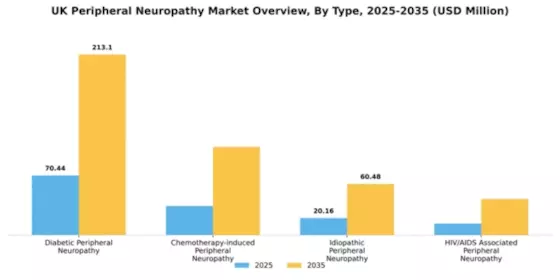
In the UK peripheral neuropathy market, Diabetic Peripheral Neuropathy continues to command the largest share, significantly influencing overall market dynamics. Following closely is Chemotherapy-induced Peripheral Neuropathy, which is making notable strides and shows early signs of robust growth, driven by rising cancer incidences and increasing awareness regarding treatment options. The remaining segments, including Idiopathic Peripheral Neuropathy and HIV/AIDS Associated Peripheral Neuropathy, account for a smaller but increasingly relevant portion of the market. Growth trends in the UK peripheral neuropathy market are being shaped by several factors, including an aging population, increased prevalence of diabetes, and advancements in treatment technology. The rising application of targeted therapies and customized management plans for Diabetic Peripheral Neuropathy are enhancing patient outcomes, while the urgent need for effective therapies in Chemotherapy-induced Peripheral Neuropathy is accelerating its growth. Additionally, awareness campaigns and improved diagnostic methods are expected to boost the presence of other peripheral neuropathy types in the market.
Diabetic Peripheral Neuropathy (Dominant) vs. Chemotherapy-induced Peripheral Neuropathy (Emerging)
Diabetic Peripheral Neuropathy represents the dominant segment in the UK peripheral neuropathy market, driven by the high prevalence of diabetes. This condition creates substantial challenges for patients, profoundly impacting their quality of life. On the other hand, Chemotherapy-induced Peripheral Neuropathy is the emerging force, gaining traction as cancer treatments become more widespread. Patients often face debilitating symptoms that necessitate effective management strategies. As healthcare providers prioritize patient well-being, both segments are experiencing tailored interventions. Diabetic Peripheral Neuropathy benefits from established diagnostic modalities, while Chemotherapy-induced Peripheral Neuropathy is supported by ongoing research aimed at ameliorating its effects on cancer survivors.
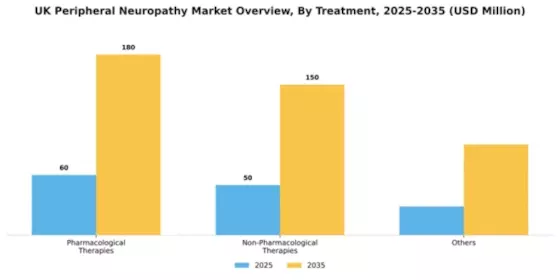
The UK peripheral neuropathy market presents a varied distribution of treatment options, with pharmacological therapies dominating the segment. These therapies, which include medications such as antidepressants and anticonvulsants, account for a substantial share of the overall treatment landscape. In contrast, non-pharmacological therapies, which encompass techniques like physical therapy and psychological support, are gaining traction as a complementary approach to manage symptoms and improve overall patient outcomes. Recent trends indicate a significant shift towards non-pharmacological therapies as patients and healthcare providers seek holistic treatment options. This emerging preference is driven by increasing awareness of the benefits of lifestyle changes, personalized therapy, and the growing demand for non-invasive treatments. Additionally, ongoing clinical studies and health insurance support for alternative therapies fuel their rapid growth in the UK peripheral neuropathy market.
Pharmacological Therapies: Dominant vs. Non-Pharmacological Therapies: Emerging
Pharmacological therapies are characterized by their established presence and effectiveness in treating peripheral neuropathy. They remain the first line of treatment due to their ability to alleviate pain and manage symptoms effectively. These therapies cater to a wide range of neuropathy causes, ensuring comprehensive patient care. Non-pharmacological therapies are emerging as significant alternatives, focusing on a more integrative approach. These methods often include lifestyle modifications, cognitive-behavioral therapy, and physical rehabilitation, appealing to patients seeking to mitigate side effects associated with medications. As these segments evolve, the synergy between them offers a more personalized treatment approach, enhancing overall patient satisfaction in the UK peripheral neuropathy market.
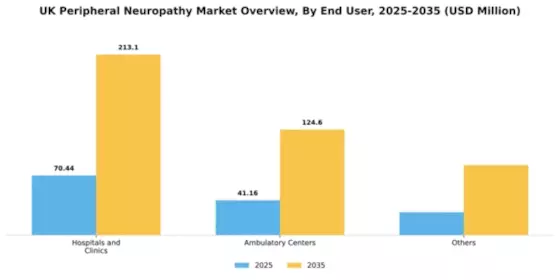
In the UK peripheral neuropathy market, the segment distribution reveals that hospitals and clinics represent the largest share, leveraging their established infrastructure and comprehensive care options. This segment garners substantial market recognition due to its ability to provide specialized treatment for patients with peripheral neuropathy, addressing complex cases that require advanced diagnostics and therapeutics. Conversely, ambulatory centers are emerging as the fastest-growing segment due to the increasing preference for outpatient care, driven by their cost-effectiveness and convenience. Patients are increasingly opting for settings that provide efficient treatment options with shorter wait times, influencing a shift towards this segment. This growth is also fueled by advancements in technology that facilitate quick and effective procedures in ambulatory settings.
Hospitals and Clinics (Dominant) vs. Ambulatory Centers (Emerging)
Hospitals and clinics remain dominant in the UK peripheral neuropathy market, characterized by their comprehensive services and specialized medical expertise. These facilities are equipped with advanced diagnostic tools and treatment modalities, catering to a diverse patient population with varying needs. On the other hand, ambulatory centers are emerging as a viable alternative, focusing on outpatient services that deliver treatment with greater efficiency and lower costs. This shift reflects a growing trend among patients who seek immediate care without the need for prolonged hospital stays. While hospitals prioritize intensive care, ambulatory centers attract those looking for convenience, making them pivotal in reshaping patient care dynamics in the market.
Get more detailed insights about UK Peripheral Neuropathy Market Request Free Sample
The peripheral neuropathy market is characterized by a competitive landscape that is increasingly shaped by innovation, strategic partnerships, and a focus on patient-centric solutions. Key players such as Pfizer Inc (US), Johnson & Johnson (US), and AstraZeneca PLC (GB) are actively engaged in enhancing their product portfolios and expanding their market reach. Pfizer Inc (US) has been focusing on the development of novel therapies aimed at addressing neuropathic pain, which appears to be a significant growth driver in this sector. Meanwhile, Johnson & Johnson (US) is leveraging its extensive research capabilities to explore new treatment modalities, indicating a commitment to innovation that could redefine patient outcomes. AstraZeneca PLC (GB) is also positioning itself strategically by investing in digital health solutions, which may enhance patient engagement and adherence to treatment regimens, thereby shaping the competitive environment.The business tactics employed by these companies reflect a nuanced understanding of the market's structure, which is moderately fragmented yet dominated by a few key players. Localizing manufacturing and optimizing supply chains are critical strategies that these companies are adopting to enhance operational efficiency and reduce costs. This collective influence of major players not only drives competition but also fosters an environment where innovation can thrive, as companies seek to differentiate themselves through unique offerings and improved patient experiences.
In October Pfizer Inc (US) announced a strategic collaboration with a leading biotechnology firm to develop a new class of pain management therapies specifically targeting peripheral neuropathy. This partnership is expected to accelerate the development timeline and enhance the therapeutic options available to patients, reflecting Pfizer's commitment to addressing unmet medical needs in this area. The strategic importance of this collaboration lies in its potential to position Pfizer as a leader in innovative pain management solutions, thereby strengthening its competitive edge.
In September Johnson & Johnson (US) launched a digital health platform designed to support patients with chronic pain conditions, including peripheral neuropathy. This initiative aims to provide personalized treatment plans and real-time monitoring, which could significantly improve patient outcomes. The strategic significance of this move is underscored by the growing trend towards digital health solutions, suggesting that Johnson & Johnson is keen to integrate technology into its therapeutic offerings, thereby enhancing its market position.
In August AstraZeneca PLC (GB) expanded its research and development efforts by establishing a new innovation hub focused on neurological disorders, including peripheral neuropathy. This initiative is indicative of AstraZeneca's long-term commitment to advancing treatment options in this field. The establishment of this hub may facilitate collaboration with academic institutions and startups, potentially leading to groundbreaking discoveries that could reshape the treatment landscape.
As of November the competitive trends in the peripheral neuropathy market are increasingly defined by digitalization, sustainability, and the integration of artificial intelligence (AI) into therapeutic development. Strategic alliances are becoming more prevalent, as companies recognize the value of collaboration in driving innovation. Looking ahead, it appears that competitive differentiation will evolve from traditional price-based competition to a focus on technological advancements, innovative treatment solutions, and reliable supply chains. This shift may ultimately enhance patient care and foster a more dynamic market environment.



The UK Peripheral Neuropathy Market has recently seen significant developments, particularly concerning major pharmaceutical companies such as Pfizer, AstraZeneca, and Johnson and Johnson. In July 2023, AstraZeneca announced a strategic partnership aimed at advancing its research and development of peripheral neuropathy treatment options, reflecting an increased focus on this area.
Additionally, in August 2023, Teva Pharmaceutical Industries launched a new medication targeting symptoms related to diabetic neuropathy, further enhancing the available treatment landscape. Growth in the market valuation of companies such as Merck and Co. and Regeneron Pharmaceuticals has been notable, driven by innovative therapies that address neuropathic pain.
The overall market is experiencing an upward trajectory, with increasing demand for effective treatments influencing investments and advancements in the field. Over the past two to three years, notable happenings include the increased collaborations for clinical trials and research initiatives.
This surge in activity underscores the heightened attention to addressing peripheral neuropathy among leading pharmaceuticals within the UK, reflecting both the challenges and opportunities present in this evolving market sector.
The Peripheral Neuropathy Market is projected to grow at a 10.61% CAGR from 2025 to 2035, driven by increasing prevalence, advancements in treatment options, and rising awareness.
New opportunities lie in:
By 2035, the market is expected to achieve substantial growth, driven by innovative solutions and increased patient engagement.
| MARKET SIZE 2024 | 138.6(USD Million) |
| MARKET SIZE 2025 | 153.31(USD Million) |
| MARKET SIZE 2035 | 420.38(USD Million) |
| COMPOUND ANNUAL GROWTH RATE (CAGR) | 10.61% (2025 - 2035) |
| REPORT COVERAGE | Revenue Forecast, Competitive Landscape, Growth Factors, and Trends |
| BASE YEAR | 2024 |
| Market Forecast Period | 2025 - 2035 |
| Historical Data | 2019 - 2024 |
| Market Forecast Units | USD Million |
| Key Companies Profiled | Pfizer Inc (US), Johnson & Johnson (US), Bristol-Myers Squibb (US), AstraZeneca PLC (GB), Novartis AG (CH), Teva Pharmaceutical Industries Ltd (IL), Eli Lilly and Company (US), Sanofi S.A. (FR), Mylan N.V. (US) |
| Segments Covered | Type, Treatment, End User |
| Key Market Opportunities | Advancements in digital therapeutics enhance treatment options in the peripheral neuropathy market. |
| Key Market Dynamics | Rising demand for innovative therapies drives competition and regulatory scrutiny in the peripheral neuropathy market. |
| Countries Covered | UK |
The market valuation of the UK peripheral neuropathy market was $138.6 Million in 2024.
The projected market valuation for the UK peripheral neuropathy market is $420.38 Million by 2035.
The expected CAGR for the UK peripheral neuropathy market during the forecast period 2025 - 2035 is 10.61%.
Key players in the UK peripheral neuropathy market include Pfizer Inc, Johnson & Johnson, Bristol-Myers Squibb, AstraZeneca PLC, Novartis AG, Teva Pharmaceutical Industries Ltd, Eli Lilly and Company, Sanofi S.A., and Mylan N.V.
The main types of peripheral neuropathy segments in the UK market include Diabetic Peripheral Neuropathy, Chemotherapy-induced Peripheral Neuropathy, Idiopathic Peripheral Neuropathy, and HIV/AIDS Associated Peripheral Neuropathy.
The market size for Diabetic Peripheral Neuropathy was $70.44 Million in 2024.
The projected market size for Non-Pharmacological Therapies is $150.0 Million by 2035.
In 2024, the segment that accounted for the highest market size was Diabetic Peripheral Neuropathy, valued at $70.44 Million.
The expected market size for Hospitals and Clinics is projected to reach $213.12 Million by 2035.
The market size for Chemotherapy-induced Peripheral Neuropathy was $34.32 Million in 2024 and is projected to grow to $104.12 Million by 2035.



Kindly complete the form below to receive a free sample of this Report

“This is really good guys. Excellent work on a tight deadline. I will continue to use you going forward and recommend you to others. Nice job”


“Thanks. It’s been a pleasure working with you, please use me as reference with any other Intel employees.”


“Thanks for sending the report it gives us a good global view of the Betaïne market.”


“Thank you, this will be very helpful for OQS.”


“We found the report very insightful! we found your research firm very helpful. I'm sending this email to secure our future business.”


“I am very pleased with how market segments have been defined in a relevant way for my purposes (such as "Portable Freezers & refrigerators" and "last-mile"). In general the report is well structured. Thanks very much for your efforts.”


“I have been reading the first document or the study, ,the Global HVAC and FP market report 2021 till 2026. Must say, good info! I have not gone in depth at all parts, but got a good indication of the data inside!”


“We got the report in time, we really thank you for your support in this process. I also thank to all of your team as they did a great job.”


“The Automotive 48V ECU Components Procurement Intelligence Study” was a complex project, but the Market Research Future (MRFR) team handled it with quality, agility, and customer-centricity. They delivered all requested data on time and within the agreed scope. The team, including Shubhendra Anand and Rahul Gotadki, was always readily available to clarify questions and swiftly implement necessary adjustments, driving the project to a successful conclusion within a very demanding timeframe.
I would also like to specifically commend Akshay Agarwal for his responsiveness and support at every stage—from our initial inquiry on May 6th through to final delivery on June 18th. His dedication made the entire process seamless.”



