Download Free Sample
Kindly complete the form below to receive a free sample of this Report
White Pepper Market Size, Share, Industry Trend & Analysis Research Report By Product Type (Whole White Peppercorns, Ground White Pepper, White Pepper Oil, White Pepper Extracts), By Application (Food and Beverages, Cosmetics and Personal Care, Pharmaceuticals, Other Industrial Applications), By Distribution Channel (Traditional Trade, Modern Trade, Online, Direct Sale), By Grade (Standard Grade, Premium Grade, Organic Grade), By Form (Whole, Powder, Paste, Liquid) and By Regional (North America, Europe, South America, Asia Pacific, Middle East and Africa) - Forecast to 2035
As per Market Research Future analysis, the White Pepper Market Size was estimated at 1.55 USD Billion in 2024. The White Pepper industry is projected to grow from USD 1.596 Billion in 2025 to USD 2.137 Billion by 2035, exhibiting a compound annual growth rate (CAGR) of 2.96% during the forecast period 2025 - 2035
The White Pepper Market is experiencing a dynamic shift driven by health consciousness and culinary innovation.
| 2024 Market Size | 1.55 (USD Billion) |
| 2035 Market Size | 2.137 (USD Billion) |
| CAGR (2025 - 2035) | 2.96% |
The White Pepper Market is currently experiencing a dynamic phase characterized by evolving consumer preferences and increasing demand for natural flavoring agents. As culinary trends shift towards healthier and more organic options, white pepper is gaining traction among chefs and home cooks alike. This spice, known for its distinct flavor profile, is being utilized in a variety of cuisines, enhancing dishes without overpowering them. Furthermore, the growing awareness of the health benefits associated with white pepper, such as its potential anti-inflammatory properties, is likely to drive its popularity in the food industry. In addition to culinary applications, the White Pepper Market is witnessing a surge in demand from the food processing sector. Manufacturers are increasingly incorporating this spice into packaged foods, sauces, and seasonings, thereby expanding its reach. The rise of e-commerce platforms is also facilitating greater accessibility for consumers, allowing them to purchase white pepper from various sources. As sustainability becomes a focal point for consumers, the market may see a shift towards ethically sourced and environmentally friendly production practices. Overall, the White Pepper Market appears poised for growth, driven by changing consumer behaviors and innovative applications across multiple sectors.
The increasing focus on health and wellness among consumers is propelling the demand for white pepper. As individuals seek natural ingredients with potential health benefits, this spice is being recognized for its anti-inflammatory and digestive properties, making it a preferred choice in various culinary applications.
Chefs and home cooks are increasingly experimenting with flavors, leading to a rise in the use of white pepper in diverse cuisines. Its unique taste enhances dishes without overwhelming other ingredients, making it a versatile option in modern cooking.
As consumers become more environmentally conscious, there is a growing emphasis on sustainable practices within the White Pepper Market. Producers are likely to adopt ethical sourcing methods, appealing to a demographic that values transparency and environmental responsibility.
The White Pepper Market is experiencing a notable increase in demand for natural flavors, as consumers increasingly seek authentic and unprocessed ingredients in their culinary experiences. This trend is driven by a growing awareness of health and wellness, leading to a preference for natural over artificial flavorings. According to recent data, the market for natural flavors is projected to grow at a compound annual growth rate of approximately 5.5% over the next five years. This shift towards natural ingredients is likely to bolster the white pepper market, as it is perceived as a healthier alternative to synthetic flavor enhancers. As culinary professionals and home cooks alike embrace the use of white pepper for its unique flavor profile, the industry is poised for expansion, reflecting a broader movement towards clean label products.
The White Pepper Market is witnessing a surge in interest due to the increased focus on the health benefits associated with white pepper. Research indicates that white pepper contains bioactive compounds that may offer various health advantages, such as improved digestion and anti-inflammatory properties. As consumers become more health-conscious, they are actively seeking out spices that not only enhance flavor but also contribute to overall well-being. This trend is supported by a growing body of evidence linking the consumption of spices to health benefits, which is likely to drive the demand for white pepper in both retail and food service sectors. The potential health benefits of white pepper may position it as a preferred choice among consumers looking to incorporate functional ingredients into their diets.
The White Pepper Market is benefiting from culinary trends that favor the use of exotic spices in both home cooking and professional kitchens. As chefs and home cooks experiment with diverse flavor profiles, white pepper is gaining popularity for its unique taste and versatility. This trend is reflected in the increasing number of recipes and cooking shows that highlight the use of white pepper in various cuisines. Market analysis suggests that the demand for exotic spices, including white pepper, is expected to rise by approximately 6% over the next few years. This growing interest in The White Pepper Market for white pepper, as consumers seek to elevate their culinary experiences with distinctive ingredients.
The White Pepper Market is significantly influenced by the expansion of the food processing sector, which is increasingly incorporating white pepper into various products. The processed food market has seen a surge in demand, with projections indicating a growth rate of around 4% annually. This growth is attributed to changing consumer lifestyles and preferences for convenience foods. White pepper, with its distinct flavor and aroma, is being utilized in sauces, soups, and ready-to-eat meals, enhancing the overall taste profile of these products. As food manufacturers continue to innovate and diversify their offerings, the incorporation of white pepper is likely to become more prevalent, thereby driving demand within the white pepper market.
The White Pepper Market is poised for growth due to emerging markets that present increased export opportunities. Countries in Asia and Africa are experiencing rising disposable incomes and changing dietary habits, leading to a higher demand for spices, including white pepper. Recent statistics indicate that the export of white pepper from major producing countries is expected to increase by approximately 8% over the next few years. This trend is driven by the expanding food service industry and the growing popularity of international cuisines. As producers look to capitalize on these emerging markets, the white pepper market is likely to see enhanced growth, driven by both domestic consumption and international demand.
In the White Pepper Market, the product type segment is characterized by a diverse range of offerings. Whole White Peppercorns dominate this landscape, accounting for a significant portion of market share. Ground White Pepper, while not as large, is rapidly gaining traction due to shifting consumer preferences and the convenience it offers in food preparation. Together, these product types illustrate the dynamic nature of the market, where traditional and modern preferences coexist. Growth trends in the White Pepper Market indicate an increasing inclination towards convenience-oriented options, with Ground White Pepper leading the charge as the fastest-growing segment. The rise in culinary exploration and the need for easily incorporable spice forms are primary drivers contributing to this growth. Additionally, heightened consumer awareness regarding the flavor profile and health benefits of white pepper fuels demand across various cuisines, further promoting segment expansion.
Whole White Peppercorns: Dominant vs. Ground White Pepper: Emerging
Whole White Peppercorns are the dominant product type in the White Pepper Market, known for their robust flavor and aroma. They are highly sought after by chefs and food enthusiasts, offering a freshness and intensity in dishes that pre-ground alternatives cannot match. This segment is favored in high-quality culinary applications, including gourmet restaurants and specialty food production. Conversely, Ground White Pepper represents an emerging segment, capitalizing on the demand for convenience in fast-paced cooking environments. Its ease of use appeals to a broad consumer base, particularly in the prepared foods sector, where flavor convenience is paramount. The balance between whole and ground options reflects evolving culinary trends, blending traditional spice experiences with modern cooking lifestyles.
In the White Pepper Market, the application segment is primarily driven by the Food and Beverages sector, which holds the largest market share. This sector benefits from the rising trend towards natural food flavors, with white pepper being favored for its subtle heat and aromatic profile. Consequently, Food and Beverages not only dominate the overall market but also significantly influence the demand patterns seen in the industry. Cosmetics and Personal Care is witnessing substantial interest, marking itself as the fastest-growing segment. This trend stems from the increasing consumer preference for organic and natural ingredients used in personal care products, which enhances the demand for white pepper extracts for its antibacterial properties.
Food and Beverages: Dominant vs. Cosmetics and Personal Care: Emerging
The Food and Beverages application stands as a dominant force in the White Pepper Market, defined by its extensive use in various culinary applications. This sector's deep-rooted acceptance and integration into a wide range of recipes, from sauces to gourmet dishes, underscore its market strength. On the other hand, the Cosmetics and Personal Care sector is emerging as a significant player, keeping pace with the growing trend of natural and organic product formulations. White pepper is increasingly recognized for its natural antioxidants and antibacterial properties, making it a valuable ingredient in skincare and hair care products. While Food and Beverages commands the market, the growing interest and innovation in cosmetics and personal care applications suggest a dynamic shift in market priorities.
The distribution of white pepper in the market is heavily influenced by traditional trade channels, which continue to dominate the landscape due to their established networks and relationships with customers. Traditional trade channels include local markets, small grocery stores, and specialty shops that have maintained a strong presence in the white pepper sector. In contrast, online sales, while currently a smaller segment, are rapidly catching up as consumers increasingly seek convenience and variety, driving significant growth.
Traditional Trade (Dominant) vs. Online (Emerging)
Traditional trade channels are deeply rooted in the local food culture, providing a direct link between producers and consumers. They cater to long-standing customer preferences for fresh and locally sourced spices, which include white pepper. This segment benefits from established relationships and trust built over time. On the other hand, the online distribution channel, although emerging, is transforming how consumers purchase white pepper. It offers wider accessibility and diverse product options, appealing to younger, tech-savvy shoppers. The shift towards online shopping is driven by convenience, increased internet penetration, and the growing trend of e-commerce, which is expected to continue fueling this channel's growth in the coming years.
The White Pepper Market is characterized by a diverse array of grades, with Standard Grade holding a significant portion of the market share. However, Premium Grade is recognized as the largest segment, appealing to consumers seeking higher quality and flavor complexity. Organic Grade, while smaller in overall share, is rapidly gaining traction as health-conscious consumers increasingly opt for naturally sourced products, thus reshaping the market dynamics.
Premium Grade: Dominant vs. Organic Grade: Emerging
Premium Grade white pepper is distinguished by its superior quality, with careful selection of berries and meticulous processing that enhances its flavor profile. This segment is favored by gourmet chefs and high-end food brands, leading to stable demand and market dominance. In contrast, Organic Grade represents an emerging segment that caters to the growing consumer awareness around sustainability and health. This grade not only adheres to organic farming standards but also resonates with eco-conscious buyers, leading to a surge in demand as more consumers seek clean label options.
In the White Pepper Market, the form segment is primarily dominated by powder, which holds the largest share due to its versatility and widespread usage in various culinary applications. Whole white pepper has been steadily gaining traction, especially among gourmet chefs and in specialty food products, as it offers a unique flavor profile that appeals to high-end consumers. This duality in preferences highlights a significant dichotomy in market demands, catering to both traditional and modern culinary trends.
White Pepper Market: Powder (Dominant) vs. Whole (Emerging)
Powdered white pepper stands as the dominant form in the market, appreciated for its ease of use and ability to blend seamlessly into dishes. It is favored in ready-to-eat meals, sauces, and seasoning mixes, contributing to its established market presence. On the other hand, whole white pepper is emerging rapidly, capturing the interest of those seeking authentic flavor experiences. Its unique appeal lies in the freshness and intense flavor it releases when ground, making it a preferred choice among food enthusiasts and chefs focusing on quality and authenticity in their cooking. This evolving preference explains its significant growth trajectory in recent years.
The North American white pepper market is driven by increasing consumer interest in gourmet cooking and health benefits associated with spices. The region holds approximately 30% of the global market share, with the United States being the largest market, followed by Canada. Regulatory support for food safety and quality standards further enhances market growth, encouraging local production and importation of high-quality white pepper. Leading players in this region include McCormick & Company and Olam International, which dominate the market with innovative product offerings. The competitive landscape is characterized by a mix of established brands and emerging players focusing on organic and sustainably sourced white pepper. The demand for premium spices is on the rise, driven by culinary trends and the growing popularity of international cuisines.
Europe is witnessing a significant rise in the demand for white pepper, driven by the growing trend of gourmet cooking and the increasing popularity of ethnic cuisines. The region accounts for approximately 25% of the global market share, with Germany and the United Kingdom being the largest markets. Regulatory frameworks in the EU promote food safety and quality, which further supports market growth and consumer confidence in spice products. Key players such as Aust & Hachmann and Kanegrade Limited are well-established in the European market, focusing on high-quality sourcing and distribution. The competitive landscape is marked by a blend of local and international suppliers, with an emphasis on organic and sustainably sourced products. The increasing awareness of health benefits associated with spices is also contributing to the market's expansion.
The Asia-Pacific region is emerging as a powerhouse in the white pepper market, driven by rising disposable incomes and changing dietary preferences. This region holds approximately 35% of the global market share, with India and Vietnam leading in production and consumption. Regulatory initiatives aimed at enhancing agricultural practices and food safety standards are further propelling market growth, making it a key player in the global spice trade. India is home to several key players, including Sambavanam Spices and Dharampal Satyapal Group, which are focusing on expanding their product lines and enhancing quality. The competitive landscape is characterized by a mix of traditional producers and modern enterprises, with a growing emphasis on export markets. The increasing demand for organic and natural spices is also shaping the market dynamics in this region.
The Middle East and Africa region is experiencing a growing demand for white pepper, driven by its diverse culinary traditions and increasing consumer awareness of health benefits. This region holds approximately 10% of the global market share, with countries like South Africa and the UAE leading in consumption. Regulatory frameworks are evolving to ensure food safety and quality, which is crucial for market growth and consumer trust in spice products. The competitive landscape features a mix of local and international players, with a focus on high-quality sourcing and distribution. Key players are increasingly investing in marketing and product innovation to cater to the unique tastes of consumers in this region. The rising trend of gourmet cooking and the popularity of international cuisines are further boosting the demand for white pepper.
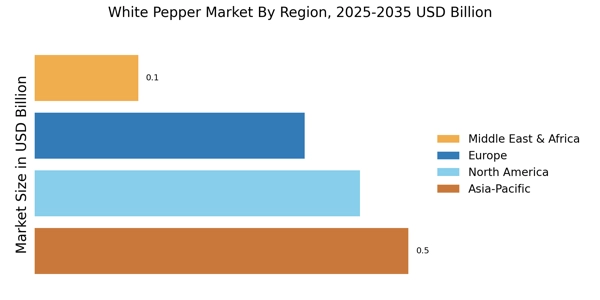
Major players in the White Pepper Market industry are continuously focusing on expanding their geographical reach and enhancing their product portfolio through strategic acquisitions, partnerships, and collaborations. Leading White Pepper Market players are also making significant investments in research and development activities to develop innovative and sustainable solutions that cater to evolving consumer preferences.
The White Pepper Market development is significantly influenced by the expansion of the organized retail sector, increasing demand for packaged and branded products and changing consumer lifestyles. Furthermore, the rising popularity of white pepper in cuisines worldwide, particularly in emerging markets, is contributing to the growth of the market.
A leading player in the White Pepper Market is McCormick & Company, Inc. The company is a leader in the production, marketing, and distribution of spices, seasonings, and flavors. McCormick has a wide range of white pepper products, including whole, ground, and cracked peppercorns, which it sells under its own brand and private labels to retail, foodservice, and industrial customers. The company also offers a variety of specialty white pepper products, such as organic, kosher, and smoked peppercorns. A competitor of McCormick & Company, Inc. is Olam International Limited.
Olam is a major supplier of agricultural products and food ingredients, including white pepper. The company sources its white pepper from a network of farmers and suppliers in major growing regions worldwide, ensuring a consistent supply of high-quality peppercorns. Olam offers a range of white pepper products, including whole, ground, and crushed peppercorns, which it sells to a diverse customer base in the food and beverage, pharmaceutical, and cosmetics industries.




The white pepper market is expected to reach a value of USD 1.9 billion by 2032, expanding at a CAGR of 2.96% from 2024 to 2032. Increasing demand for white pepper in the food and beverage industry, particularly in emerging markets, is a key driver of market growth. Additionally, rising disposable income and changing consumer preferences toward healthy and flavorful foods are contributing to the market's expansion. The market is also witnessing the emergence of new applications in the pharmaceutical and personal care industries, further fueling demand.
Recent news and developments include the expansion of white pepper cultivation in Vietnam, the world's largest producer, to meet growing demand. Furthermore, key players in the market are investing in research and development to enhance the quality and yield of white pepper, driving innovation and competitiveness.
The White Pepper Market is projected to grow at 2.96% CAGR from 2025 to 2035, driven by increasing demand in culinary applications and health benefits.
New opportunities lie in:
By 2035, the market is expected to achieve robust growth, positioning itself as a key player in the spice industry.
| MARKET SIZE 2024 | 1.55(USD Billion) |
| MARKET SIZE 2025 | 1.596(USD Billion) |
| MARKET SIZE 2035 | 2.137(USD Billion) |
| COMPOUND ANNUAL GROWTH RATE (CAGR) | 2.96% (2025 - 2035) |
| REPORT COVERAGE | Revenue Forecast, Competitive Landscape, Growth Factors, and Trends |
| BASE YEAR | 2024 |
| Market Forecast Period | 2025 - 2035 |
| Historical Data | 2019 - 2024 |
| Market Forecast Units | USD Billion |
| Key Companies Profiled | McCormick & Company (US), Olam International (SG), Kanegrade Limited (GB), Aust & Hachmann (DE), Sambavanam Spices (IN), Dharampal Satyapal Group (IN), Pioneer Spice (IN), Sambavanam Spices (IN) |
| Segments Covered | Product Type, Application, Distribution Channel, Grade, Form, Regional |
| Key Market Opportunities | Growing demand for organic white pepper due to health-conscious consumer trends presents a market opportunity. |
| Key Market Dynamics | Rising consumer preference for organic products drives demand and influences pricing dynamics in the white pepper market. |
| Countries Covered | North America, Europe, APAC, South America, MEA |
The White Pepper Market was valued at 1.55 USD Billion in 2024.
The market is projected to reach 2.137 USD Billion by 2035.
The expected CAGR for the White Pepper Market during 2025 - 2035 is 2.96%.
The Whole White Peppercorns segment holds the highest valuation, with figures ranging from 0.62 to 0.85 USD Billion.
The Ground White Pepper segment has a valuation range of 0.45 to 0.6 USD Billion.
The Food and Beverages application is the largest, with a valuation range of 0.93 to 1.25 USD Billion.
The Cosmetics and Personal Care application is valued between 0.31 and 0.45 USD Billion.
The Traditional Trade distribution channel is expected to grow, with a valuation range of 0.775 to 1.05 USD Billion.
The Standard Grade is projected between 0.775 and 0.975 USD Billion, while Premium Grade ranges from 0.525 to 0.675 USD Billion.
Key players include McCormick & Company, Olam International, and Kanegrade Limited, among others.



Kindly complete the form below to receive a free sample of this Report

“This is really good guys. Excellent work on a tight deadline. I will continue to use you going forward and recommend you to others. Nice job”


“Thanks. It’s been a pleasure working with you, please use me as reference with any other Intel employees.”


“Thanks for sending the report it gives us a good global view of the Betaïne market.”


“Thank you, this will be very helpful for OQS.”


“We found the report very insightful! we found your research firm very helpful. I'm sending this email to secure our future business.”


“I am very pleased with how market segments have been defined in a relevant way for my purposes (such as "Portable Freezers & refrigerators" and "last-mile"). In general the report is well structured. Thanks very much for your efforts.”


“I have been reading the first document or the study, ,the Global HVAC and FP market report 2021 till 2026. Must say, good info! I have not gone in depth at all parts, but got a good indication of the data inside!”


“We got the report in time, we really thank you for your support in this process. I also thank to all of your team as they did a great job.”


“The Automotive 48V ECU Components Procurement Intelligence Study” was a complex project, but the Market Research Future (MRFR) team handled it with quality, agility, and customer-centricity. They delivered all requested data on time and within the agreed scope. The team, including Shubhendra Anand and Rahul Gotadki, was always readily available to clarify questions and swiftly implement necessary adjustments, driving the project to a successful conclusion within a very demanding timeframe.
I would also like to specifically commend Akshay Agarwal for his responsiveness and support at every stage—from our initial inquiry on May 6th through to final delivery on June 18th. His dedication made the entire process seamless.”



