Research Methodology on Solar Inverter Market
1. Introduction
The published research report by Market Research Future is a comprehensive evaluation of the solar inverter market’s performance during the forecast period 2023-2030. It draws an extremely detailed picture that combines both qualitative and quantitative data to explain the current trends, opportunities and challenges in the market. The report provides an in-depth understanding of the size, scope and dynamics of the solar inverter market.
The research methodology applied for this report is an extensive market research analysis that closely examines and assesses the global solar inverter market and the various driving, restraining and other influential forces. It provides a deep dive into the various segments of the market, macro- and micro-level economic indicators, government policies, upcoming trends and opportunities and the competitive landscape.
2. Research Design
The research design for this report covers both primary and secondary research techniques and covers a variety of sources for data collection. Primary sources include interviews and surveys of experts in the solar inverter industry, industry participants, distributors, investors and other key stakeholders. Secondary sources include proprietary databases, paid and free sources including news articles published materials and the internet.
The methods employed for qualitative analysis include SWOT analysis and Porter’s Five Forces analysis. The quantitative analysis includes market sizing using past data, trend analysis, as well as a top-down and bottom-up approach. The methodology works together to provide estimates of market size and potential future developments.
3. Data Collection & Analysis
The data used for this report include real-time and granular market data collected from industry sources, proprietary databases, interviews and surveys. All the data collected is thoroughly analyzed to draw insights and the most accurate market forecasts. The data is validated using industry-standard checks such as validating data based on sources, industry trends and published materials.
Both quantitative and qualitative analyses are applied including regression analysis, correlation analysis and factors analysis to study the various elements of the market. Secondary sources of information are also extensively used to identify the major trends and movements in the industry.
4. Assumptions
The research is conducted with certain assumptions based on collected data and available industry sources. The assumptions used include the availability of skilled labour and a shift towards renewable energy sources in different areas.
5. Research Scope
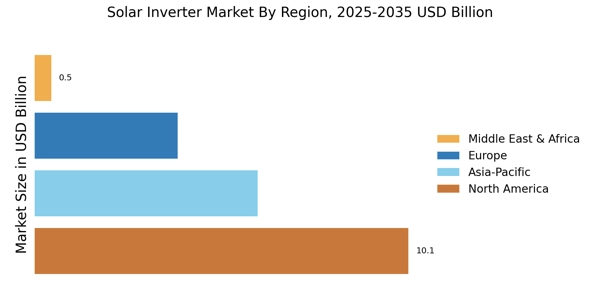
The scope of the research covers the global solar inverter market in terms of its drivers, opportunities, challenges and trends. The geographical scope covers the major markets for solar inverters in the Americas, Asia-Pacific, Europe, and the Middle East & Africa. The report also covers the market performance and potential developments for each of the key countries and regions.
6. Conclusion
This report aims to provide an in-depth assessment of the global solar inverter market. It offers an understanding of the various dynamics including drivers, opportunities, challenges and trends of the market. To this end, the report used both primary and secondary research techniques to gather data from a variety of sources. All the data is validated with industry-standard checks to maximize accuracy and provide the most accurate overview of the field. The scope of the research covers the potential developments and the geography of the global solar inverter market.