Integration of Advanced Technologies
The integration of advanced technologies such as artificial intelligence and machine learning into the Wireless Asset Management Market is transforming asset management practices. These technologies enable organizations to analyze vast amounts of data generated by assets, leading to more informed decision-making. For instance, predictive maintenance powered by AI can significantly reduce equipment failures and maintenance costs. The market is witnessing a shift towards smart asset management solutions that leverage these technologies, with a projected increase in adoption rates. As organizations seek to enhance their operational capabilities, the integration of advanced technologies is likely to play a pivotal role in shaping the future of wireless asset management.
Growing Need for Operational Efficiency
The Wireless Asset Management Market is significantly influenced by the growing need for operational efficiency among businesses. Companies are increasingly seeking ways to streamline their operations and reduce costs, which has led to a heightened interest in asset management solutions. By implementing wireless asset management systems, organizations can gain better visibility into their assets, optimize resource allocation, and minimize waste. Recent studies indicate that businesses that adopt these solutions can achieve operational efficiencies of up to 30%. This trend underscores the critical role that wireless asset management plays in helping organizations meet their efficiency goals and remain competitive in their respective markets.
Regulatory Compliance and Risk Management
Regulatory compliance and risk management are becoming increasingly important drivers in the Wireless Asset Management Market. Organizations are facing mounting pressure to adhere to various regulations concerning asset tracking and management, particularly in sectors such as healthcare and finance. Failure to comply with these regulations can result in substantial penalties and reputational damage. Consequently, businesses are turning to wireless asset management solutions to ensure compliance and mitigate risks associated with asset mismanagement. The market is expected to see a rise in demand for solutions that offer robust compliance features, as organizations prioritize risk management in their asset management strategies.
Increased Focus on Supply Chain Visibility
The Wireless Asset Management Market is witnessing an increased focus on supply chain visibility as businesses strive to enhance their operational transparency. With the complexities of modern supply chains, organizations are recognizing the necessity of having real-time insights into their assets throughout the supply chain. This demand for visibility is driving the adoption of wireless asset management solutions that provide comprehensive tracking and monitoring capabilities. Recent data suggests that companies with improved supply chain visibility can reduce inventory costs by up to 20%. As businesses continue to prioritize transparency and efficiency, the role of wireless asset management in achieving these objectives is likely to expand.
Rising Demand for Real-Time Tracking Solutions
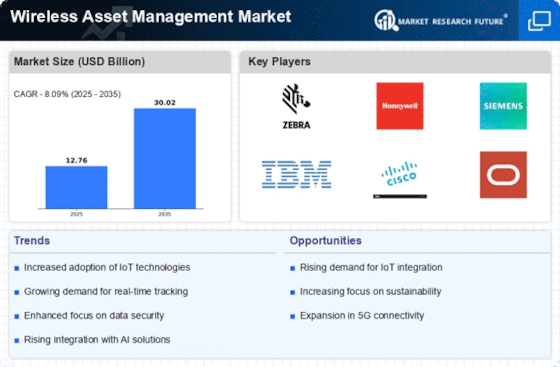
The Wireless Asset Management Market experiences a notable surge in demand for real-time tracking solutions. Organizations across various sectors are increasingly recognizing the value of monitoring assets in real-time to enhance operational efficiency. This trend is particularly evident in industries such as logistics and manufacturing, where the ability to track assets in real-time can lead to significant cost savings and improved service delivery. According to recent estimates, the market for real-time tracking solutions is projected to grow at a compound annual growth rate of over 15% in the coming years. This growth is driven by the need for businesses to optimize their asset utilization and reduce downtime, thereby reinforcing the importance of wireless asset management technologies.























Leave a Comment