Carbon Capture and Storage Market Summary
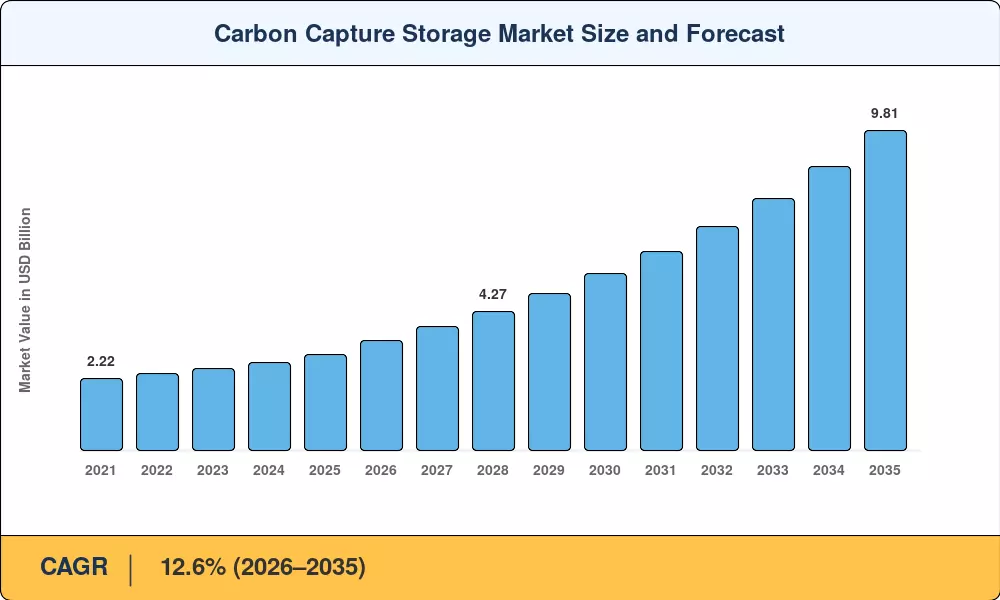
2025 年碳捕获和封存市场规模为 29.5 亿美元,预计到 2026 年将达到 33.7 亿美元,到 2035 年将攀升至 98.1 亿美元,2026-2035 年复合年增长率为 12.6%。这种扩张直接归因于美国《通货膨胀削减法案》增强的 45Q 税收抵免(目前专用地质封存的价值高达每吨 85 美元)以及欧盟的碳边界调整机制,该机制对进口钢铁、水泥和铝的内含排放量进行定价[1][2]。这些工具共同将碳捕获和封存市场从利基示范项目转变为可融资的商业基础设施。
技术格局正在快速发展。在早期燃烧后二氧化碳捕集装置中占主导地位的第一代胺洗涤器正在让位于先进的溶剂混合物、膜接触器和固体吸附剂系统,这些系统有望将能源损失降低 30-40%[3]。美国能源部承诺通过其碳捕集示范项目计划投入 35 亿美元,以加速煤炭、天然气和工业设施的下一代捕集,而欧盟创新基金仅在 2024 年就为 15 个大型 CCS 项目拨款 18 亿欧元[4][5].
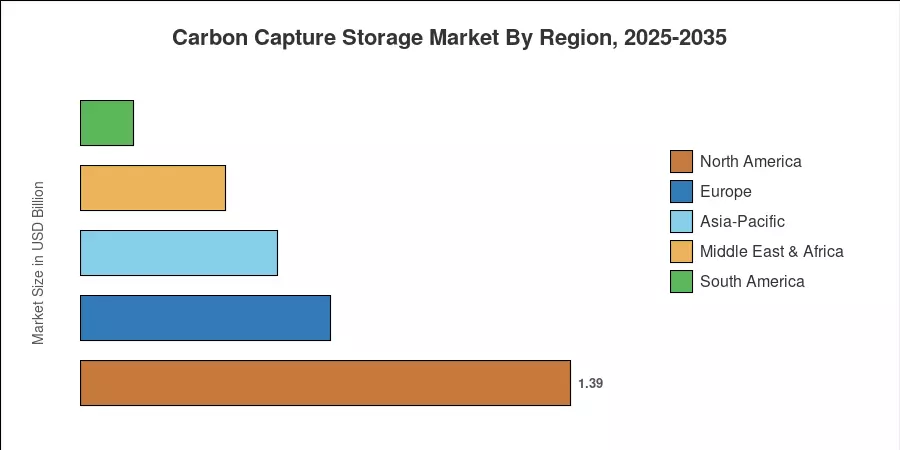
北美占据约 47% 的碳捕获和封存市场,以墨西哥湾沿岸成熟的管道网络和封存地质为基础。在积极的脱碳目标和跨境二氧化碳运输协议的推动下,欧洲成为增长最快的地区,预计复合年增长率约为 24%。亚太地区占据第二大份额,约为 19%,这主要得益于中国依赖煤炭的电厂和日本对海上存储的战略投资。未来十年将考验政策动力是否转化为十亿吨规模的持续部署。
报告要点
• 按技术
- 到 2025 年,燃烧前捕集约占碳捕集和封存市场的 76%,反映了其在碳捕集和封存领域的既定地位。氢气生产和合成气加工。
- 富氧燃烧捕获技术被定位为增长最快的技术领域,预计到 2035 年复合年增长率约为 19.6%。
• 按最终用户行业
- 到 2025 年,石油和天然气领域约占碳捕获和封存市场规模的 64%。
- 在氨和乙烯脱碳指令的推动下,预计 2026 年至 2035 年间,化工行业将以约 27% 的复合年增长率扩张。
• 按地区
- 北美在碳捕获和封存市场处于领先地位,到 2025 年收入份额接近 47%。
- 在欧盟排放交易体系第四阶段框架和北海存储开发的支持下,欧洲预计将实现最快的地区增长。
- 2025 年,亚太地区贡献了约 5.6 亿美元,其中以中国和日本的工业捕获项目为基础。
碳捕集与封存市场规模及预测(2021-2035)
Market Research Future 根据全球 CCS 研究所维护的运营设施数据库得出历史估计,并辅以已披露的资本支出备案和 IEA 温室气体研发计划的排放强度基准。预测预测采用自下而上的产能模型,并根据政策渠道分析和已公布的项目 FID 时间表进行交叉验证[6][7].





















.webp?v=1787579600)
