Haptic Technology Market

触觉技术市场研究报告信息按组件(执行器、驱动器和控制器以及软件)、按应用(消费电子产品、汽车和运输、游戏、教育和研究、医疗保健和工程)- 到 2030 年的行业规模、份额和预测
ID: MRFR/SEM/2694-CR
200 Pages
Nirmit Biswas, Aarti Dhapte
Last Updated: July 20, 2026
Haptic Technology Market
Market Size
Forecast Period2025 - 2035
CAGR (2025 - 2035)13.9%
2024 Market Size$ 13.62 Billion
2025 Market Size$ 15.52 Billion
2035 Market Size$ 57.02 Billion
Key Players
Immersion Corporation
HaptX
Ultraleap
SenseGlove
Novint Technologies
Tactai
Opportunities
  • PORTER'S FIVE FORCES MODEL
  • Rising Demand in Gaming Industry
  • Increased Focus on User Experience

全球触觉技术市场概况:

2021 年触觉技术市场规模预计为 93 亿美元。触觉技术行业预计将从 2022 年的 105 亿美元增长到 2030 年的 263 亿美元,在预测期内(2022 - 2030 年)复合年增长率 (CAGR) 为 13.9%。 

推动市场发展的主要因素之一是消费电子行业的显着扩张以及触觉技术解决方案的不断使用,以实现更好的设备可扩展性。由于 3D 触摸屏显示器在汽车和医疗设备中的广泛使用,触觉技术市场正在不断扩大。此外,由于触觉技术在游戏应用中的使用越来越多,该行业正在不断扩张。
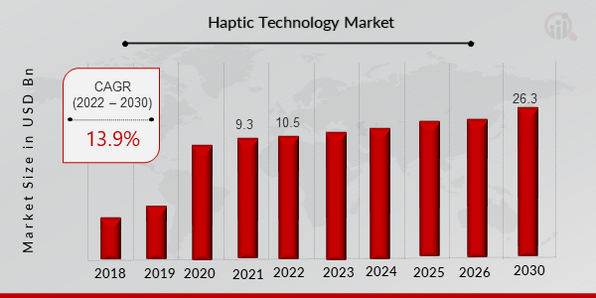
Global Haptic Technology Market Overview

资料来源:二次研究、初步研究、MRFR 数据库和分析师评论

触觉技术市场趋势 

    • 消费电子产品渗透率上升推动市场增长

推动触觉技术需求的关键因素之一是智能手机、平板电脑和其他可穿戴技术等消费电子设备的使用不断增加。拥有69.2亿手机截至 2023 年,全球用户数量将达到 86.41%,这意味着全球 86.41% 的人口将拥有智能手机。触觉技术几乎普遍应用于智能手机和平板电脑中,并且趋势正在朝着将其融入智能手表和腕带中的方向发展。

凭借更快的控制速度、更长的电池寿命和用户友好的交互,触觉反馈在智能手表、手环和健身追踪器等可穿戴设备技术中得到了应用。这些可穿戴设备的触觉可实现信息交流和真实的体验。不断扩大的消费电子行业是推动触觉技术市场收入的另一个因素。

图1:2014年至2026年全球消费电子各细分领域收入预估
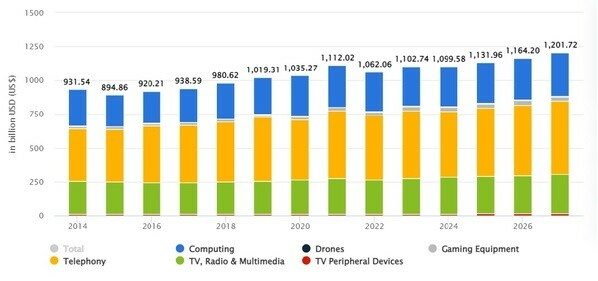
Estimated worldwide revenue of consumer electronics of various segments from 2014 to 2026

资料来源:二次研究、初步研究、MRFR 数据库和分析师评论

由于多项发展,包括开发可适应 4G 和无线频谱的下一代互联网协议 (IP) 系统,触觉技术市场前景乐观。从模拟到数字 SDR 的日益增长是一个重要的增长诱导因素。 SDR 预计将成为提供数字电视、无线电广播和视频流频道等电信服务的基础技术。由于其他原因,包括物联网(物联网集成)与无线技术以及电信行业的大量研发,预计该市场将进一步增长。

高达426.2亿物联网设备、传感器和执行器将于2022年在全球范围内安装。因此,4G和5G塑料的趋势增强了近年来市场的复合年增长率。

触觉技术细分市场洞察:

触觉技术组件见解

基于组件的触觉技术市场细分包括执行器、驱动器和控制器以及软件。在触觉技术市场收入的预测期内,触觉技术的软件市场预计将以更快的复合年增长率扩张。软件层必须具有面向性能的功能才能产生高质量的触觉体验。随着触觉技术的使用不断增加,消费电子行业预计将在预测期内显着发展。

图 2:2021 年和 2030 年触觉技术市场(按组成部分)(十亿美元)
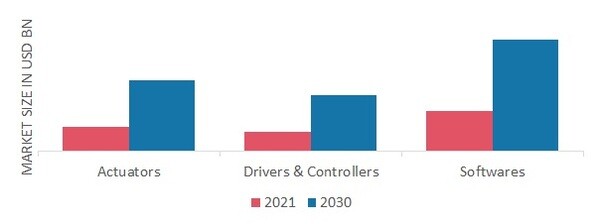
Haptic Technology Market, by Component, 2021& 2030

资料来源:二次研究、初步研究、MRFR 数据库和分析师评论

触觉技术行业中增长第二快的部分是执行器。移动终端、可穿戴技术和汽车应用对触觉执行器的需求是市场扩张的主要原因。此外,家用电器对触觉执行器的需求不断增长对于扩大该市场至关重要。

触觉技术应用见解

触觉技术市场细分已分为消费电子、汽车和运输、游戏、教育和研究、医疗保健和工程等应用领域。在预测期内,汽车和交通应用的触觉技术市场预计将以最大的复合年增长率发展。这解释了高端和混合动力电动汽车对高性能电子系统的持续需求。此外,触觉车载信息娱乐系统和触摸屏 GPS 设备的使用也越来越广泛。因此,电动汽车应用的增加对市场增长产生积极影响。

触觉技术数据中增长第二快的领域是游戏行业。当触觉技术集成到游戏机和智能手机设备中时,游戏玩家可以获得更好的现实生活体验。具有触觉功能的游戏控制器为视频游戏事件(如碰撞和爆炸)提供了切实的现实感,创造了巨大的市场增长前景。

2020 年 4 月:索尼宣布为下一代 PlayStation 5 发布带有触觉反馈的 DualSense 游戏控制器。DualSense 在控制器的 L2 和 R2 按钮上包含可调节触发器,可提供强烈的感觉并增强与其他玩家的沟通。这一创造进一步拓宽了触觉技术行业的增长机会。

触觉技术区域洞察

按地区划分,该研究提供了欧洲、北美、亚太地区和世界其他地区的市场洞察。 2021 年北美触觉技术市场规模达 39 亿美元,预计研究期间复合年增长率将达到 42.3%。由于美国 Immersion 公司等主要市场领导者的存在,北美预计将成为触觉技术市场的主导地区。

随着医疗设备、汽车、游戏等各种应用对虚拟现实的需求不断增长,美国将主导北美触觉技术市场。截至 2021 年,美国有 9090 万 AR 用户和 5740 万 VR 用户。

此外,市场报告研究的主要国家包括美国、加拿大、德国、法国、英国、意大利、西班牙、中国、日本、印度、澳大利亚、韩国和巴西。

图 3:2021 年按地区划分的触觉技术市场份额 (%)
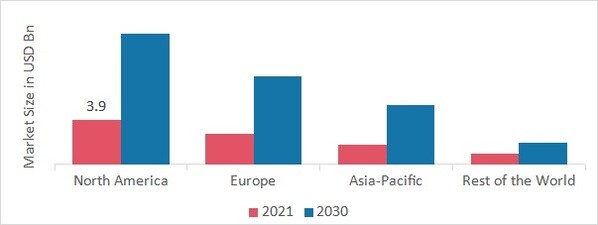
HAPTIC TECHNOLOGY MARKET SHARE BY REGION 2021 资料来源:二次研究、初步研究、MRFR 数据库和分析师评论

欧洲触觉技术市场占据第二大市场份额。消费者对技术先进的消费电子产品的支出不断增长,推动了欧洲触觉技术市场的发展。欧洲对触摸屏技术的需求很高,特别是在交通、汽车和消费电子应用方面。因此,欧洲预计将推动触觉技术行业的显着增长。该技术在计算机生成的培训应用程序中的累积使用将推动该地区的市场扩张。例如,2020 年 4 月,英国医疗培训公司 FundamentalVR Limited 开发了一款基于触觉技术的 VR 平台,用于医学专家的手术培训。

此外,德国触觉技术市场占有最大的市场份额,英国触觉技术市场是欧洲地区增长最快的市场。

亚太地区的触觉技术市场预计将出现显着的市场增长。市场扩张的主要驱动因素之一是可支配收入的增加,这增加了消费品的使用。许多顶级智能手机原始设备制造商的总部都位于中国,包括华为、Oppo、Vivo、小米和一加。中国也是智能手机和平板电脑等消费设备的最大终端用户。预计到2022年,中国智能手机用户数量将达到近10.4亿。

此外,中国触觉技术市场占有最大的市场份额,印度触觉技术市场是亚太地区增长最快的市场。

触觉技术主要市场参与者和竞争洞察

随着主要市场参与者进行大量研发投资以扩大其产品组合,该市场将会增长。除了关键的市场发展(包括新产品发布、合同协议、并购、增加投资以及与其他组织的合作)外,市场参与者还采取了多项战略措施来巩固自己的地位。如果触觉技术行业的竞争对手想要在竞争更加激烈的市场中取得进步并取得成功,他们必须为其产品设定公平的价格。

触觉技术行业为满足客户需求和发展市场领域而采用的主要业务策略之一是本地生产以降低运营成本。近年来,触觉技术行业取得了一些最重要的医学发现。触觉技术市场的主要参与者,包括 Synaptics Incorporated(美国)、SMK Corporation(日本)、Haption S.A.(法国)和 Immersion Corporation(美国),都在研发计划上投入资金,以增加需求。

Ultraleap 是全球领先的空中触觉和 3D 手部追踪公司。该公司突破性的触觉技术(以前称为 Ultrahaptics)利用超声波来创建丰富的三维形状和纹理,这些形状和纹理可以感觉到但看不见。该公司利用专有算法和支持硬件来投射超声波驱动的触觉,无需控制器或触摸屏。这使得用户能够通过手势与产品和设备交互并接收触觉反馈。

例如,2020 年 11 月,Ultraleap 宣布与 IPlan Ideas Events 及其子公司 IPlan Ideas Technology (IPI Tech)(阿联酋 Hawas Group 的子公司)达成协议,为阿联酋客户提供 Ultraleap 的手部追踪和空中触觉技术。 IPI Tech 将向各个行业展示该技术,包括信息亭制造商、零售、广告和营销以及剧院。

Immersion Company 创造身临其境的真实体验,利用触觉技术增强移动设备上的数字交互。沉浸式技术已应用于各种数字设备,包括汽车、游戏、医疗和消费电子产品。该公司在全球的分支机构提供服务/支持、许可选项和软件,以协助电子公司开发高质量的触觉体验。例如,2020 年 9 月,Immersion 与 LG 电子(韩国)签署了一份多年许可续订协议,继续在移动设备中使用 TouchSense 软件和触觉技术。 LG 预计将继续在其整个智能手机系列中使用 Immersion 触觉软件。

触觉技术市场的主要公司包括

    • Immersion 公司(美国)

    • 德州仪器公司(美国)

    • Ultrahaptic (Ultraleap)(英国)

    • Haption S.A.(法国)

    • 安森美半导体公司(美国)

    • SMK株式会社(日本)

    • Microchip 技术公司(美国)

    • Synaptics 公司(美国)

    • 力维(瑞士)

触觉技术行业发展

2024 年 2 月: 在今天于巴塞罗那开幕的世界移动通信大会 (MWC) 上,Telefónica 推出了 Telefónica Edge Haptic Arena,这是一种新的游戏体验,它使用最新技术从运营商网络创建身临其境的体验。

在本次演示中,Telefónica 结合了沉浸式扩展现实 (XR)(特别是触觉技术)和虚拟现实(可在游戏中实现与触摸相关的感觉);光纤,为极端的多用户交互提供低延迟;在 Nvidia 云中渲染或创建图像,在连接到运营商网络的边缘计算中心执行;和 3D 环境基因。

2023 年 7 月:为了将其计算机触觉触摸和手指感应技术商业化,Aito 筹集了 650 万美元。目前的投资者 Forward One、KBC Focus Fund、Innovation Industries 以及私人高净值投资者提供了这笔资金。继 2022 年和 2023 年与一家大型全球笔记本电脑制造商成功实施其触觉触摸解决方案后,这家阿姆斯特丹初创公司将利用这笔资金来接触更多客户并开发新的笔记本电脑触觉应用。 Aito 表示,其专利技术使笔记本电脑和其他消费设备生产商能够为客户开发新鲜有趣的触摸体验。

它还提供目前市场上最精确的手指检测和触觉触摸。

2023 年 6 月:Titan Haptics 推出了集群阵列,用于服务非标准设计。工程师可以使用 Titan 的集群阵列电机技术将多个触觉电机集成到一个广泛的阵列中,以精确满足他们的应用需求。这些电机采用模块化方法进行触觉技术设计,使其能够针对各种应用进行适当扩展。除了提供各种工具、固件和参考设计来帮助希望将触觉纳入其设计的工程师之外,Titan 还专门生产利用其专有技术的触觉电机。

线性磁力杆是 Titan 触觉电机使用的一项技术。

2022 年 1 月:Synaptics Incorporated(纳斯达克股票代码:SYNA)今天宣布推出 S9A0H ASIC TouchPadTM 解决方案,这是一个支持业界最高级别固件安全性的集成硬件/软件平台。它还提供可扩展性,以满足对更大、更智能、响应更灵敏的触觉触摸板不断增长的需求,从而提高生产力。 S9A0H 是一款兼容 Microsoft Windows 和 Google Chromebook 的解决方案,是第一个支持 NIST SP800-193 合规性和 384 位固件加密的解决方案。

2021 年 2 月:全球领先的汽车技术公司之一佛吉亚 (Faurecia) 与领先的触觉技术和解决方案开发商和供应商 Immersion Corporation(纳斯达克股票代码:IMMR)今天宣布达成一项多年期许可协议,佛吉亚将获得 Immersion 的触觉技术和解决方案。此次合作使佛吉亚能够利用 Immersion 的最新技术来创建创新的交互式触觉用户界面。

触觉技术细分:

触觉技术组件

    • 执行器

    • 驱动器和控制器

    • 软件

触觉技术应用

    • 消费电子产品

    • 汽车与运输

    • 赌博

    • 教育与研究

    • 卫生保健

    • 工程

触觉技术区域展望

    • 北美

      • 我们
      • 加拿大
    • 欧洲

      • 德国
      • 法国
      • 英国
      • 意大利
      • 西班牙
      • 欧洲其他地区
    • 亚太
      • 中国
      • 日本
      • 印度
      • 澳大利亚
      • 韩国
      • 澳大利亚
      • 亚太其他地区
    • 世界其他地区
      • 中东
      • 非洲
      • 拉美

FAQs

What is the current valuation of the Haptic Technology Market as of 2024?

The Haptic Technology Market was valued at 13.62 USD Billion in 2024.

What is the projected market size for the Haptic Technology Market in 2035?

The market is projected to reach 57.02 USD Billion by 2035.

What is the expected CAGR for the Haptic Technology Market during the forecast period 2025 - 2035?

The expected CAGR for the Haptic Technology Market during 2025 - 2035 is 13.9%.

Which segments are included in the Haptic Technology Market's component category?
The component category includes Actuators, Drivers & Controllers, and Software.
What was the market size for Actuators in 2024, and what is its projected size in 2035?

The market size for Actuators was 4.08 USD Billion in 2024 and is projected to reach 17.25 USD Billion in 2035.

How does the Gaming application segment perform in the Haptic Technology Market?

The Gaming application segment was valued at 4.0 USD Billion in 2024 and is expected to grow to 18.0 USD Billion by 2035.

What role do key players like Immersion Corporation and HaptX play in the Haptic Technology Market?

Key players such as Immersion Corporation and HaptX are instrumental in driving innovation and market growth.

What is the projected market size for the Healthcare application segment by 2035?

The Healthcare application segment is projected to grow from 1.5 USD Billion in 2024 to 6.0 USD Billion by 2035.

What is the expected growth for the Automotive & Transportation segment in the Haptic Technology Market?
The Automotive & Transportation segment is anticipated to increase from 2.0 USD Billion in 2024 to 8.0 USD Billion by 2035.
How does the Haptic Technology Market's performance compare across different applications?
The market shows varied performance, with Consumer Electronics and Gaming leading in growth potential, while Education & Research remains smaller.
作者
Author
Author Profile
Nirmit Biswas LinkedIn
Senior Research Analyst
With 5+ years of expertise in Market Intelligence and Strategic Research, Nirmit Biswas specializes in ICT, Semiconductors, and BFSI. Backed by an MBA in Financial Services and a Computer Science foundation, Nirmit blends technical depth with business acumen. He has successfully led 100+ projects for global enterprises and startups, including Amazon, Cisco, L&T and Huawei, delivering market estimations, competitive benchmarking, and GTM strategies. His focus lies in transforming complex data into clear, actionable insights that drive growth, innovation, and investment decisions. Recognized for bridging engineering innovation with executive strategy, Nirmit helps businesses navigate dynamic markets with confidence.
Co-Author
Co-Author Profile
Aarti Dhapte LinkedIn
AVP - Research
A consulting professional focused on helping businesses navigate complex markets through structured research and strategic insights. I partner with clients to solve high-impact business problems across market entry strategy, competitive intelligence, and opportunity assessment. Over the course of my experience, I have led and contributed to 100+ market research and consulting engagements, delivering insights across multiple industries and geographies, and supporting strategic decisions linked to $500M+ market opportunities. My core expertise lies in building robust market sizing, forecasting, and commercial models (top-down and bottom-up), alongside deep-dive competitive and industry analysis. I have played a key role in shaping go-to-market strategies, investment cases, and growth roadmaps, enabling clients to make confident, data-backed decisions in dynamic markets.

Research Approach


Secondary Research

The secondary research process involved comprehensive analysis of technology standards databases, peer-reviewed engineering journals, patent repositories, and authoritative industry associations. Key sources included the Institute of Electrical and Electronics Engineers (IEEE), International Electrotechnical Commission (IEC), Consumer Technology Association (CTA), Society of Automotive Engineers (SAE International), Entertainment Software Association (ESA), International Game Developers Association (IGDA), U.S. Patent and Trademark Office (USPTO), European Patent Office (EPO), National Institute of Standards and Technology (NIST), U.S. Department of Transportation (DOT), National Highway Traffic Safety Administration (NHTSA), European Commission Horizon Europe Program, Japan Ministry of Economy, Trade and Industry (METI), and Korea Institute of Science and Technology (KIST). These sources were used to collect technology adoption statistics, patent filing data, component shipment volumes, regulatory compliance standards, and market landscape analysis for actuators, drivers & controllers, software solutions, and application-specific implementations across consumer electronics, automotive, gaming, healthcare, and industrial sectors.


Primary Research

To gather both qualitative and quantitative information, the primary research process involved interviewing players from both the supply and demand sides. The supply side consisted of executives from haptic technology companies, component suppliers, and system integrators, including chief executive officers, vice presidents of engineering, heads of research and development, product line managers, and directors of business development. On the demand side, we had CTOs, UX directors, procurement heads, and integration specialists from original equipment manufacturers (OEMs), medical device makers, gaming studios, automotive Tier 1 suppliers, industrial automation firms, and consumer electronics. Market segmentation, technology roadmap timescales, and adoption patterns across gaming peripherals, automotive HMIs, medical simulation systems, and industrial robots were all validated through primary research. Data was also acquired on these topics.

Primary Respondent Breakdown:

By Designation: C-level Primaries (32%), Director Level (31%), Others (37%)

By Region: North America (32%), Europe (29%), Asia-Pacific (33%), Rest of World (6%)


Market Size Estimation

Global market valuation was derived through revenue mapping and component shipment analysis. The methodology included:

Identification of 50+ key technology providers and component manufacturers across North America, Europe, Asia-Pacific, and Latin America

Product mapping across actuators (eccentric rotating mass, linear resonant actuators, piezoelectric), drivers & controllers, and haptic software platforms

Analysis of reported and modeled annual revenues specific to haptic technology portfolios

Coverage of manufacturers representing 72-78% of global market share in 2024

Extrapolation using bottom-up (component shipment volume × ASP by application) and top-down (manufacturer revenue validation) approaches to derive segment-specific valuations across consumer electronics, automotive, gaming, healthcare, education, and engineering applications

下载免费样本

请填写以下表格以获取本报告的免费样本

Download PDF ×

We do not share your information with anyone. However, we may send you emails based on your report interest from time to time. You may contact us at any time to opt-out.