Aerostructures Market

航空構造物市場調査レポート コンポーネント別(胴体、操縦翼面、翼、機首、ナセル、パイロンなど)、材料別(複合材料、合金、金属)、最終用途別(oemおよびアフターマーケット)、プラットフォーム別(固定翼および回転翼)、地域別(北米、欧州、アジア太平洋、中東アフリカ、ラテンアメリカ)の情報 - 2030年までの予測
ID: MRFR/AD/6297-CR
133 Pages
Abbas Raut, Swapnil Palwe
Last Updated: June 29, 2026
Aerostructures Market
Market Size
Forecast Period2025 - 2035
CAGR (2025 - 2035)6.8%
2024 Market Size$ 74.52 Billion
2025 Market Size$ 78.93 Billion
2035 Market Size$ 152.59 Billion
Key Players
INDRAERO
Spirit AeroSystems, Inc.
GKN plc
FACC AG
RUAG International Holding AG
Kawasaki Heavy Industries Ltd.
Opportunities
  • Air Cargo and Freight Expansion
  • Sustainability and Fuel Efficiency Imperatives
  • Supply Chain Recovery and Geopolitical Influences

航空構造物市場の概要

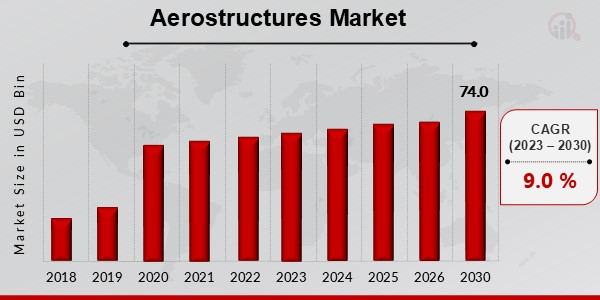
航空構造物の市場規模は 2030 年までに 740 億米ドルと推定 2024 ~ 2032 年までに 9% の CAGR で成長Aerostructures Market

この市場は、機体または飛行機の本体の主要部品の 1 つです。航空構造物は、飛行機の動作を支援し、合理化された動力に耐えるのに役立ち、飛行機の飛行を助けるあらゆるコンポーネントが組み込まれています。これには、翼、胴体、推進フレームワーク、および飛行制御面が含まれます。航空構造物市場は、いくつかの追加部品に対する特定の関心に加えて、新しい航空機に対する需要の高まりにより、市場が拡大しつつあります。航空構造物市場 企業は世界中で主にビジネス飛行機用の航空構造物を製造しています。

長年にわたり、旅行者数の増加により、航空構造物会社は航空構造物を生産し、航空ハードウェア市場を牽引しています。さらに、航空宇宙メーカーは飛行機の外観を改善するための新しい手順を採用しており、航空構造物の組み立ては拡大しています。

航空機を組み立てるための複合材料の改良は、市場の発展を活性化しています。イノベーションの進歩により、製造業者は材料への害を把握し、PC や赤外線を利用して航空機の設計にアクセスし、頑丈さと実行を実現できるようになりました。航空構造物は飛行機の動作において重要な部分を担うため、航空構造物市場の戦略の実行はこれらのテストで推定できます。航空構造物は、ヘリコプターや戦闘機から旅行者やビジネスの流れに至るまで、極めて重要です。

軍は、飛行機艦隊の規模、戦闘能力、戦力をアップグレードするために、大幅な変更を準備している。

新型コロナウイルス感染症(COVID-19)の分析

新型コロナウイルスの感染拡大は航空宇宙・防衛分野にも影響を与えている。 2002 年の第 1 四半期には、ボーイング社とエアバス SE はそれぞれ 70 機と 196 機の航空機の納入を記録しただけでした。しかし、2019 年には、同じ期間に両社は約 389 機の航空機を納入しました。このデータは、新型コロナウイルス感染症のパンデミックによる航空機の納入の減少を示しています。

新型コロナウイルス感染症のパンデミックにより、世界中の政府がロックダウンの実施を決定し、社会的距離のガイドラインを発行し、航空宇宙を含む多くのビジネス組織に大きな影響を与えました。  しかし、監視用の UAV に対する需要の高まりが航空構造物市場の成長を支える可能性があります。たとえば、2019 年に、Kratos Defense & security solutions, Inc. は米国空軍と海軍から 5,700 万ドルの契約を受け取りました。この契約はジェット推進無人機の性能向上を目的としたものであった。

さらに、2019年7月、Insitu Inc.の宇宙・安全保障部門は、米海軍、海兵隊、およびその他の軍事顧客向けの航空機を製造する3年間の3億9,040万ドルの契約を受け取りました。  したがって、新型コロナウイルス感染症のパンデミックにより、航空構造物市場はさまざまな影響を受けました。

市場動向

市場の推進力

他の旅行モードよりも空路を好む乗客の増加により、民間航空機の製造と納入は過去数十年間で急速に増加しました。世界中の人々と新興経済の一人当たり所得の上昇が乗客数の増加に貢献し、需要に応えるために民間航空機の生産が増加しています。  インドや中国といった大国では、人々のライフスタイルの変化により航空機の需要が急増しています。

性能を向上させる新しい軽量構造の航空機への採用が、世界的な産業の成長を推進しています。  軽量素材により航空機の速度が向上し、二酸化炭素排出量が削減され、燃費が向上します。その結果、世界市場では需要がプラスの成長を遂げるでしょう。軍用機のアップグレードも世界市場の主要な推進力の 1 つです。  国境緊張により軍用車両の需要が高まっている。したがって、軍隊は諜報、監視、ISR能力を強化します。

これらの UAV は高い耐久性を備えており、軍事力を向上させることができます。さらに、UAV は、従来のものよりも優れた性能を発揮できる高度な複合構造で作られており、航空構造機器市場の成長を推進しています。現在、高度な複合構造は、耐久性、靭性、信頼性などの特性により、航空機の製造に非常に好まれています。強度を備えながらも軽量な素材を使用しており、機体の強度を高めながら全体の重量を軽減しています。これらの要因は、予測期間の航空構造機器市場を推進します。

市場機会

航空分野における先進複合材料の需要は大幅に増加しており、メーカーは次のような先進技術を採用しています。3Dプリント生産能力を向上させるため。製造における 3D プリンティング技術の導入は、高度な品質と性能を備えた大量の製品をより短時間で製造するのに役立ちます。また、この技術は製造プロセスで消費される材料の数を減らすのにも役立ちます。これは費用対効果の高い製造プロセスであり、この技術の採用は航空構造機器市場に機会をもたらします。

市場の制約

複合材料には非常に多くの特性があり、航空機構造の開発に理想的な選択肢となります。しかし、複合材料のリサイクルは異なる材料で使用するのが非常に難しく、航空構造物市場の成長の大きな制約となっています。  また、新型コロナウイルス感染症のパンデミックによる多くの製造会社の操業停止も市場の抑制となっている。

市場の課題

航空機の製造に使用される複合材料の廃棄に関する懸念が高まっており、合金汚染は世界の産業にとって課題となる可能性があります。主要企業は、これらの課題を克服し、今後数年間で市場の需要を高める上で重要な役割を果たしています。

累積成長分析

世界市場は2020年に485億7000万ドルと評価され、高度な複合構造に対する需要の高まりにより、予測期間中に9%のCAGR率で成長すると予想されます。  航空構造物市場は、複合構造物に対する需要の高まりにより、今後数年間でさらに成長すると予想されます。

市場の細分化

世界市場は、コンポーネント、材料、プラットフォーム、最終用途、地域に基づいて分割されています。

    • 成分別-市場のコンポーネントセグメントには、胴体、翼、操縦翼面、ナセル、パイロン、尾翼が含まれます。
    • 素材別-市場の材料セグメントには、複合材料、合金、金属が含まれます。
    • プラットフォーム別-市場のプラットフォームセグメントは、固定翼航空機と回転翼航空機に分かれています。固定翼航空機はさらに、商用、無人航空機、軍用、一般用などに分類されます。回転翼航空機はさらに商用、軍用、無人航空機にも応用されました。
    • 最終用途別-この市場セグメントには、OEM メーカーとアフターマーケットが含まれます。
    • 地域別-市場の地域セグメントには、北米、ヨーロッパ、アジア太平洋、その他の世界が含まれます。

地域分析

世界市場の主な地域は、北米、ヨーロッパ、アジア太平洋、および世界のその他の地域です。航空構造物市場レポートによると、北米は市場で最高のシェアを保持しており、この地域の航空産業の拡大により、予測期間中に市場を支配すると予想されています。また、北米は防衛用航空機の需要が最も高く、予測期間中の市場の成長を促進します。 

アジア太平洋地域は、先進的な航空機製造施設の開発への注目の高まりにより、予測期間中に有望な成長を示すと予想されます。政府の支援的な取り組みと防空分野への投資の増加により、この地域の航空構造物市場の需要が高まるでしょう。人口の増加と民間航空機の需要の高まりが市場を押し上げるだろう。世界のその他の地域では、この地域にメーカーが不足しているため、航空構造物市場の需要は緩やかに成長すると予想されます。しかし、この地域は、UAEと同様に、航空機に対する膨大な需要により、大幅な成長が見込まれる。

競争環境

世界市場における主な主要企業は次のとおりです。

    • AAR社(米国)、
    • ボンバルディア社(カナダ)、
    • ルアググループ(スイス)、
    • スピリット・エアロシステムズ社(米国)、
    • Stelia Aerospace Group (フランス)、
    • トライアンフ・グループ・インク(米国)、
    • Cyient Ltd (インド)、
    • Elbit Systems Ltd (イスラエル)、
    • GKN エアロスペース (英国)、
    • レオナルド SpA (イタリア)、
    • UTC エアロスペース システムズ (米国)。

最近の動向

新型コロナウイルスの感染拡大は、航空分野や保護分野にも影響を与えている。 2002 年の主要四半期には、ボーイング社とエアバス SE が 70 機と 196 機の航空機の輸送を依頼したばかりです。しかし、2019 年には、同様の期間に、両組織は約 389 機の航空機を輸送しました。

コロナウイルスのパンデミックにより、世界中の公的機関が強制的なロックダウンを選択し、社会的排除の規則を与え、航空を含む多くのビジネス団体に深刻な影響を与えました。

2019年8月、米空軍はボーイング社に対し、A-10翼の代替として9億9900万ドルの契約を認めた。

FAQs

What is the projected market valuation of the Aerostructures Market by 2035?

The Aerostructures Market is projected to reach a valuation of 4500.0 USD Million by 2035.

What was the market valuation of the Aerostructures Market in 2024?

In 2024, the Aerostructures Market was valued at 1900.0 USD Million.

What is the expected CAGR for the Aerostructures Market during the forecast period 2025 - 2035?

The expected CAGR for the Aerostructures Market during the forecast period 2025 - 2035 is 8.45%.

Which companies are considered key players in the Aerostructures Market?

Key players in the Aerostructures Market include Boeing, Airbus, Lockheed Martin, Northrop Grumman, Raytheon Technologies, Safran, Leonardo, Thales, and Mitsubishi Heavy Industries.

What are the main segments of the Aerostructures Market by application?

The main segments by application include Commercial Aviation, Military Aviation, Space Exploration, Unmanned Aerial Vehicles, and Helicopters.

What is the valuation range for the Commercial Aviation segment in the Aerostructures Market?
The valuation range for the Commercial Aviation segment is between 800.0 and 2000.0 USD Million.
How does the valuation of Composite Materials compare to Aluminum in the Aerostructures Market?
Composite Materials have a valuation range of 700.0 to 1800.0 USD Million, whereas Aluminum ranges from 600.0 to 1400.0 USD Million.
What manufacturing processes are included in the Aerostructures Market segments?
Manufacturing processes include Additive Manufacturing, Subtractive Manufacturing, Forming, Machining, and Assembly.
What is the projected valuation for the Machining segment by 2035?
The projected valuation for the Machining segment is expected to be between 570.0 and 1350.0 USD Million by 2035.
Which end-use segments are included in the Aerostructures Market?
End-use segments include Airframes, Wings, Fuselages, Empennages, and Control Surfaces.

著者
Author
Author Profile
Abbas Raut LinkedIn
Research Analyst
Abbas Raut is a Senior Research Analyst with 5+ years of experience delivering data-driven insights and strategic recommendations across the Automotive and Aerospace & Defense sectors. He specializes in emerging technologies, industry value chains, and global market dynamics shaping the future of mobility and defense. In automotive, Abbas has led studies on EVs, charging stations, BMS, superchargers, and more, guiding stakeholders through electrification and regulatory shifts. In Aerospace & Defense, he has analyzed markets for military electronics, drones, radars, and electronic warfare solutions, supporting procurement and investment strategies. With expertise in market sizing, forecasting, benchmarking, and technology adoption, Abbas is known for transforming complex datasets into actionable insights that drive strategy, innovation, and growth.
Co-Author
Co-Author Profile
Swapnil Palwe LinkedIn
Team Lead - Research
With a technical background as Bachelor's in Mechanical Engineering, with MBA in Operations Management , Swapnil has 6+ years of experience in market research, consulting and analytics with the tasks of data mining, analysis, and project execution. He is the POC for our clients, for their consulting projects running under the Automotive/A&D domain. Swapnil has worked on major projects in verticals such as Aerospace & Defense, Automotive and many other domain projects. He has worked on projects for fortune 500 companies' syndicate and consulting projects along with several government projects.
コメントを残す

Research Approach


Secondary Research

The secondary research process involved comprehensive analysis of aviation regulatory databases, aerospace engineering journals, defense procurement publications, and authoritative aviation industry organizations. Key sources included the Federal Aviation Administration (FAA), European Union Aviation Safety Agency (EASA), International Civil Aviation Organization (ICAO), International Air Transport Association (IATA), US Department of Defense (DoD) procurement databases, Defense Logistics Agency (DLA), NASA Technical Reports Server (NTRS), National Transportation Safety Board (NTSB), European Defence Agency (EDA), Flight Global (Ascend), Teal Group, Aviation Week Intelligence Network (AWIN), Aerospace Industries Association (AIA), General Aviation Manufacturers Association (GAMA), International Helicopter Industry Association (IHIA), and national civil aviation authorities from India (DGCA), China (CAAC), and Brazil (ANAC). These sources were utilized to collect aircraft delivery statistics, defense budget allocations for military aircraft, composite material certification data, airworthiness directives, fleet expansion announcements, and MRO (Maintenance, Repair, Overhaul) spending patterns across commercial aviation, military defense, and UAV sectors.


Primary Research

In the primary research process, supply-side and demand-side stakeholders were interviewed to obtain qualitative and quantitative insights. Presidents of aerostructures divisions, vice presidents of engineering, chief aerodynamics engineers, program directors for large airframe contracts, supply chain executives from tier-1 and tier-2 aerostructure manufacturers, suppliers of composite materials, and experts in metal fabrication were examples of supply-side sources. Senior procurement executives from commercial aircraft OEMs (Boeing, Airbus, Bombardier), defense contractors (Lockheed Martin, Northrop Grumman, BAE Systems), fleet acquisition managers from large commercial airlines, military procurement officers from defense ministries, and directors of MRO facilities with a focus on structural repairs and aftermarket modifications were examples of demand-side sources. Primary research validated platform segmentation (fixed-wing vs. rotary-wing), confirmed composite adoption trends, and gathered insights on contract manufacturing strategies, lightweighting initiatives, and defense procurement cycles.

Primary Respondent Breakdown:

• By Designation: C-level Primaries (32%), Director Level (31%), Others (37%)

• By Region: North America (38%), Europe (25%), Asia-Pacific (28%), Rest of World (9%)


Market Size Estimation

Global market valuation was derived through contract value mapping and aircraft delivery volume analysis. The methodology included:

• Identification of 40+ key aerostructure suppliers and OEMs across North America, Europe, Asia-Pacific, and Latin America

• Component mapping across wings, fuselages, empennage structures, nacelles, and flight control surfaces, segmented by metallic and composite material compositions

• Analysis of long-term OEM supply agreements, defense procurement contracts, and reported segment revenues specific to aerostructure manufacturing divisions

• Coverage of manufacturers representing 70-75% of global aerostructures market share in 2024

• Extrapolation using bottom-up (aircraft delivery forecasts × aerostructure content value per platform by material type and component) and top-down (contract revenue validation and defense budget allocation analysis) approaches to derive segment-specific valuations for OEM and aftermarket services

無料サンプルをダウンロード

このレポートの無料サンプルを受け取るには、以下のフォームにご記入ください

Download PDF ×

We do not share your information with anyone. However, we may send you emails based on your report interest from time to time. You may contact us at any time to opt-out.