Electric Commercial Vehicle Market

Key Players: Tesla (US), BYD (CN), Mercedes-Benz (DE), Volvo (SE), Rivian (US), Nikola (US), MAN (DE), Scania (SE), Workhorse (US)

Electric Commercial Vehicle Market

電動商用車市場調査レポート 推進方式別(bev、phev、fcev)コンポーネント別(電気モーター、電気自動車用バッテリー、水素燃料電池、その他)車両タイプ別(バス、トラック、その他)、地域別(北米、ヨーロッパ、アジア太平洋、中東およびアフリカ、南米) – 2032年までの市場予測
ID: MRFR/AT/5456-CR
128 Pages
Shubham Munde, Sejal Akre
Last Updated: June 16, 2026

Electric Commercial Vehicle Market 概要

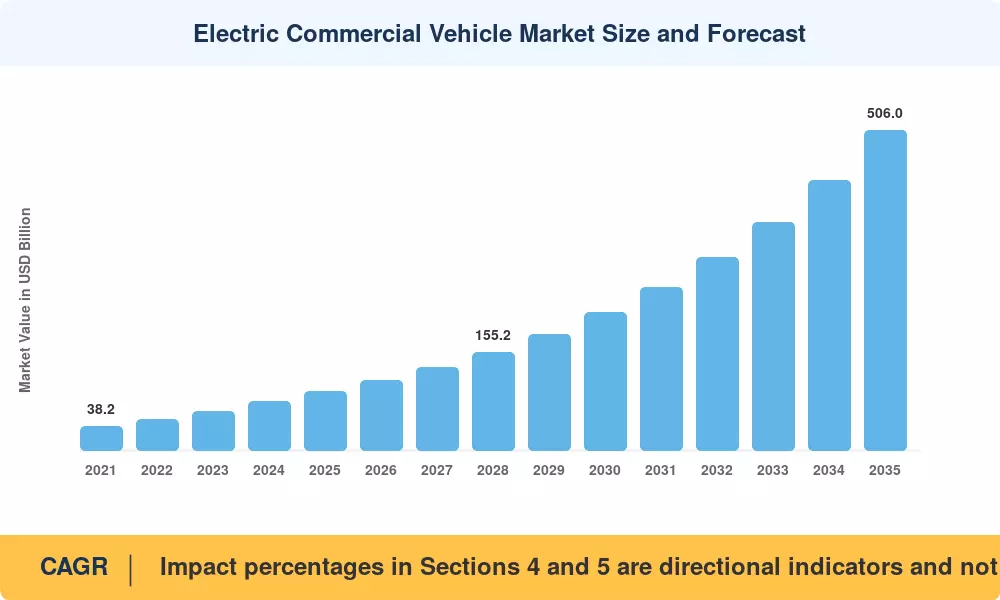
MRFR分析によると、電動商用車の市場規模は2024年に136億6,302万ドルと推定されています。電動商用車業界は2025年の1万6,514.77ドルから2035年までに10億9,933.6万ドルに成長すると予測されており、2025年までの予測期間中に20.87%の年間平均成長率(CAGR)を示します。 2035年。

主要な市場動向とハイライト

電気商用車市場は、技術の進歩と規制のサポートによって大幅な成長が見込まれています。

  • バッテリーシステムの技術進歩により、電気商用車の効率と航続距離が向上しています。
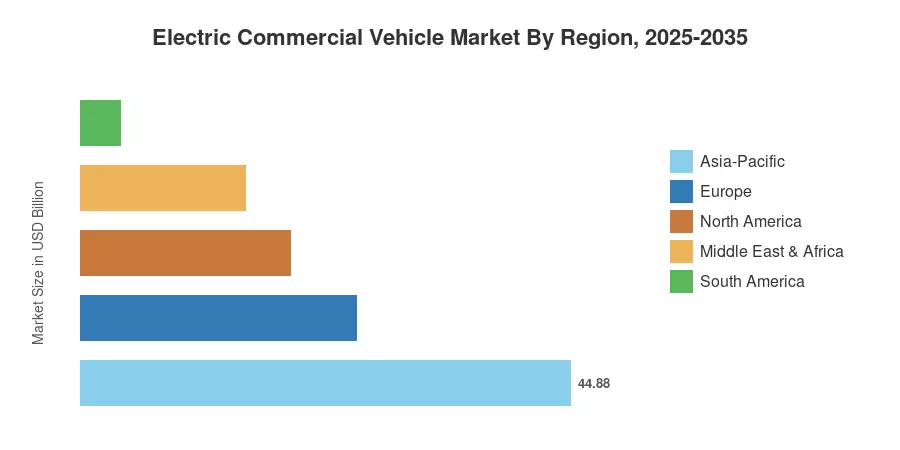
  • 北米が依然として最大の市場である一方、アジア太平洋地域は電気商用車の最も急成長している地域として浮上しています。
  • 物流部門が市場を独占している一方、配送サービス部門は急速な成長を遂げています。
  • 燃料価格の高騰と環境意識の高まりが、商用電気自動車の導入を促進する大きな要因となっています。

市場規模と予測

2024年の市場規模 13663.02 (USD Million)
2035年の市場規模 109933.6 (USD Million)
CAGR (2025 - 2035) 20.87%
2024 年に最大の地域市場シェアを獲得 北米

主要なプレーヤー

テスラ(US)、BYD (CN)、Mercedes-Benz (DE)、Volvo (SE)、Rivian (US)、ニコラ(US)、MAN (DE)、Scania (SE)、Workhorse (US)

Our Impact
Enabled $4.3B Revenue Impact for Fortune 500 and Leading Multinationals
Partnering with 2000+ Global Organizations Each Year
30K+ Citations by Top-Tier Firms in the Industry

市場セグメントの洞察

用途別: 物流 (最大手) vs. 公共交通機関 (急成長)

電動商用車市場では、物流部門が最大のシェアを占めており、主に商品配送における効率的で持続可能な輸送ソリューションに対する需要の高まりに牽引されています。物流業務では、運営コストと炭素排出量を削減するために電動化が継続的に求められており、この分野では電気自動車への大幅な移行が進んでいます。一方で、都市中心部では環境規制や公衆衛生上の懸念に対処するために電気バスやシャトルを優先しているため、公共交通機関が最も急速に成長している分野となっています。世界中の都市は、インフラ投資と政府支援の顕著な変化を反映して、公共交通機関を電力ソリューションに移行しています。

物流(有力) vs. 建設(新興)

物流は、小売業や電子商取引などのさまざまな業界に対応する電動配送トラックおよびバンに対する堅調な需要を特徴とする電動商用車市場の主要なアプリケーションとして認識されています。このセグメントは、バッテリー効率と車両航続距離における技術進歩の恩恵を受けており、運用能力が向上しています。逆に、建設セグメントは新興ながら、排出ガスの低減と運用効率の向上により電気自動車の採用が増えており、大きな注目を集めています。建設会社は、厳しい規制を遵守し、持続可能な慣行を促進するインセンティブを活用できる電気設備を検討しています。物流が建設資材の配送をサポートするため、両方のセグメントは相互に関連しており、それによってこの分野の相乗的な成長環境が促進されます。

車両タイプ別: 小型商用車 (最大) 対 大型商用車 (最も急成長)

電気商用車市場は、小型商用車、中型商用車、大型商用車、バス、バンなどの車両タイプごとに分類された明確なセグメントによって特徴付けられます。これらの中で、小型商用車は、物流ニーズや都市部の配送サービスによって広く普及していることを反映し、最大の市場シェアを占めています。一方、大型商用車は、二酸化炭素削減と大型車両の電動化を促進する規制の強化により、急速に拡大しているセグメントとして注目を集めています。

小型商用車(主流) vs. 大型商用車(新興)

小型商用車(LCV)は、主にその多用途性とラストマイル配送サービスへの適合性により、電気商用車市場で支配的な地位を占めています。これらの車両は都市物流に適しており、積載量と効率のバランスが取れています。逆に、大型商用車 (HCV) は、貨物物流における持続可能な輸送ソリューションのニーズに牽引されて、新興セグメントを代表しています。バッテリー技術の進歩と政府の支援政策により、メーカーが大型車両の電動化、運用コストの削減、厳しい排出基準への準拠に注力しているため、HCV の注目が高まっています。

電源別: バッテリー電気自動車 (最大) vs. 燃料電池電気自動車 (最も急成長)

電気商用車市場では、電源セグメントの大きな分布が見られます。現在、バッテリー電気自動車(BEV)が市場を支配しており、他の電源と比較して大きなシェアを占めています。プラグイン ハイブリッド電気自動車 (PHEV) やハイブリッド電気自動車 (HEV) も存在しますが、市場での存在感は BEV に比べると見劣りします。一方、燃料電池電気自動車 (FCEV) は、シェアは劣るものの、業界に登場するにつれて急速な成長を示しています。成長傾向は電動モビリティへの強力な推進を示しており、バッテリー技術の進歩とコスト削減によりBEVがリードしています。政府の支援政策と水素インフラへの投資増加により、FCEV は勢いを増しています。持続可能性とイノベーションへの取り組みを組み合わせることで、電気商用車市場の将来が形成され、今後数年間の成長に向けたダイナミックでエキサイティングな市場となっています。

バッテリー電気自動車 (主流) vs. ハイブリッド電気自動車 (新興)

バッテリー電気自動車(BEV)は、電気商用車市場の支配力を占めており、完全電気で動作し、排出ガスがゼロであることが特徴です。充電インフラの拡大とバッテリー技術の進歩の恩恵を受け、持続可能な輸送ソリューションに対する需要の高まりに応えています。対照的に、ハイブリッド電気自動車 (HEV) は、従来の電源と電力源の両方を統合して効率を高め、燃料消費量を削減する多用途のオプションとして台頭しています。 HEV は、特に充電インフラがまだ発展途上の市場において、より幅広い市場セグメントにアピールします。これら 2 つのセグメントの組み合わせは、BEV が将来の電動化への道を切り開く一方で、HEV が現在の輸送ニーズに対する即時ソリューションを提供するという、業界の過渡期を浮き彫りにしています。

最終用途別: 都市交通 (最大手) vs. 貨物輸送 (急成長)

電気商用車市場は多様な最終用途セグメントによって特徴付けられ、都市交通が最大のシェアを占めています。このセグメントには、排出量を最小限に抑える環境に優しいソリューションに対する強い需要を反映して、都市部内の公共交通機関を促進する電気バスや電気バンが含まれます。貨物輸送は、厳しい環境規制と持続可能な慣行への移行により、企業による物流用電気トラックの採用が増えており、最も急成長している部門として認識されています。

貨物輸送(支配的) vs 建設活動(新興)

貨物輸送は現在、電気商用車市場の主要なセグメントです。これには、効率的で環境に優しい輸送を必要とする拡大するオンライン ショッピング文化に対応する、配送および物流目的のために設計されたさまざまな電気トラックが含まれます。一方で、建設活動は新興分野の代表であり、建設現場向けに特別にカスタマイズされた電気自動車が注目を集めています。これらの車両は、過酷な作業向けに設計されており、排出ガスを削減するため、建設業界の持続可能な実践への取り組みと一致しています。貨物輸送は確立された物流ネットワークによって繁栄していますが、建設業者がより環境に優しい代替手段を模索するにつれて、建設活動も成長すると予想されます。

充電インフラ別: 公共充電ネットワーク (最大) vs. 急速充電ステーション (最も急速に成長)

電気商用車市場では、充電インフラの分布を見ると、公共充電ネットワークが最大のシェアを占めており、車両の運行や長距離移動には不可欠となっていることがわかります。これらのネットワークは乗用電気自動車だけでなく、商用車にも大きく対応し、広範囲にわたるアクセスを保証します。対照的に、ダウンタイムを最小限に抑えたい車両管理者の間で急速充電ソリューションに対する需要が高まるにつれ、急速充電ステーションが急速に注目を集めています。市場が電動モビリティに移行するにつれて、成長傾向は主に技術の進歩とインフラ開発に対する政府の支援によって推進されています。より環境に優しい交通ソリューションの推進と電気自動車の普及拡大により、急速充電機能への投資が増加しています。企業は利便性と効率性を高めるためにワイヤレス充電システムの革新を進めており、商用車の充電環境が確実に進化していることを示しています。

公共充電ネットワーク (主流) vs. 急速充電ステーション (新興)

公共充電ネットワークは現在、電気商用車市場の主要なプレーヤーとして位置付けられており、短距離と長距離の両方の物流をサポートする広範なサービスを提供しています。これらのネットワークにより、商用車両への電気自動車の統合が促進され、企業は最小限の中断で効果的に業務を管理できるようになります。対照的に、高速充電ステーションは、これらのネットワークを補完する重要な手段として台頭しており、効率を重視する車両管理者にとって魅力的な迅速な所要時間を提供します。技術の進歩とインフラ投資の拡大により、急速充電ステーションは、車両のダウンタイムを大幅に削減できる、より柔軟で高速な充電ソリューションへの道を切り開いています。スピードと効率性に対するニーズの高まりにより、このセグメントは前進しており、電気自動車インフラの進化する状況において重要な役割を果たしています。

Electric Commercial Vehicle Marketに関する詳細な洞察を得る

Electric Commercial Vehicle Market市場の主要企業には以下が含まれます

レポートの範囲

FAQs

What is the current valuation of the Electric Commercial Vehicle Market in 2025?

The Electric Commercial Vehicle Market is valued at approximately 13663.02 USD Million in 2025.

What is the projected market valuation for the Electric Commercial Vehicle Market by 2035?

The market is expected to reach a valuation of around 109933.6 USD Million by 2035.

What is the expected CAGR for the Electric Commercial Vehicle Market during the forecast period 2025 - 2035?

The market is anticipated to grow at a CAGR of 20.87% from 2025 to 2035.

Which companies are considered key players in the Electric Commercial Vehicle Market?

Key players include Tesla, BYD, Mercedes-Benz, Volvo, Rivian, Nikola, MAN, Scania, Ford, and Workhorse.

What are the primary applications of electric commercial vehicles?

The main applications include logistics, public transport, construction, delivery services, and waste management.

How do the valuations of electric commercial vehicles differ by application?

In 2024, logistics was valued at 3000.0 USD Million, while public transport reached 4000.0 USD Million.

What types of vehicles are included in the Electric Commercial Vehicle Market?

The market encompasses light commercial vehicles, medium commercial vehicles, heavy commercial vehicles, buses, and vans.

What is the valuation of battery electric vehicles compared to other power sources?

Battery electric vehicles were valued at 8000.0 USD Million in 2024, significantly higher than plug-in hybrids and fuel cell vehicles.

What charging infrastructure is necessary for electric commercial vehicles?

Essential charging infrastructure includes fast charging stations, home charging solutions, public charging networks, and wireless charging systems.

What is the expected growth in freight transport for electric commercial vehicles?

Freight transport is projected to grow significantly, with a valuation of 5000.0 USD Million in 2024, indicating strong demand.
著者
Author
Author Profile
Shubham Munde LinkedIn
Team Lead - Research
Shubham brings over 7 years of expertise in Market Intelligence and Strategic Consulting, with a strong focus on the Automotive, Aerospace, and Defense sectors. Backed by a solid foundation in semiconductors, electronics, and software, he has successfully delivered high-impact syndicated and custom research on a global scale. His core strengths include market sizing, forecasting, competitive intelligence, consumer insights, and supply chain mapping. Widely recognized for developing scalable growth strategies, Shubham empowers clients to navigate complex markets and achieve a lasting competitive edge. Trusted by start-ups and Fortune 500 companies alike, he consistently converts challenges into strategic opportunities that drive sustainable growth.
Co-Author
Co-Author Profile
Sejal Akre LinkedIn
Senior Research Analyst
She has over 5 years of rich experience, in market research and consulting providing valuable market insights to client. Hands on expertise in management consulting, and extensive knowledge in domain including ICT, Automotive & Transportation and Aerospace & Defense. She is skilled in Go-to market strategy, industry analysis, market sizing, in depth company profiling, competitive intelligence & benchmarking and value chain amongst others.
コメントを残す

Research Approach


Secondary Research

The secondary research process involved comprehensive analysis of automotive regulatory databases, transportation energy publications, peer-reviewed engineering journals, and authoritative mobility research organizations. Key sources included the US Environmental Protection Agency (EPA), National Highway Traffic Safety Administration (NHTSA), California Air Resources Board (CARB), US Department of Energy (DOE) Alternative Fuels Data Center, US Energy Information Administration (EIA), European Automobile Manufacturers Association (ACEA), European Environment Agency (EEA) Transport Database, International Energy Agency (IEA) Global EV Outlook, International Council on Clean Transportation (ICCT), International Organization of Motor Vehicle Manufacturers (OICA), Society of Automotive Engineers (SAE) International, US Department of Transportation (DOT) Bureau of Transportation Statistics, China Ministry of Industry and Information Technology (MIIT), Japan Ministry of Land, Infrastructure, Transport and Tourism (MLIT), BloombergNEF Electric Vehicle Outlook, International Road Transport Union (IRU) commercial vehicle reports, and national automotive registries from key markets.

Data about vehicle registration, emissions regulations, battery technology cost curves, fleet electrification mandates, charging infrastructure deployment statistics, and OEM production capacity announcements for battery electric vehicles, plug-in hybrid architectures, fuel cell technologies, and hydrogen fuel systems were all gathered from these sources.


Primary Research

Interviews with supply-side and demand-side stakeholders were conducted as part of the primary research process in order to gather qualitative and quantitative information about commercial adoption hurdles and electrification roadmaps. Among the supply-side sources were CEOs, CTOs, Heads of E-Mobility Strategy, Chief Sustainability Officers, directors of battery supply chains, and directors of commercial vehicle platforms from tier-1 component manufacturers (fuel cell developers, electric drivetrain suppliers, battery cell manufacturers), OEMs (Tesla, BYD, Daimler Truck, Volvo, Rivian, MAN, Scania, Ford, and Workhorse), and charging infrastructure providers. Demand-side sources included depot charging infrastructure planners from North America, Europe, and Asia-Pacific markets, fleet procurement directors from logistics operators (long-haul freight, last-mile delivery), heads of municipal transport authorities, managers of public transit fleets, and executives of construction equipment rental companies. Primary research confirmed vehicle launch dates (light commercial vehicles, medium/heavy trucks, buses), validated powertrain segmentation splits (BEV vs. PHEV vs. FCEV), evaluated total cost of ownership (TCO) dynamics versus diesel equivalents, and collected data on fleet electrification strategies, battery leasing models, and preferences for depot charging versus public fast-charging.

Primary Respondent Breakdown:

By Designation: C-level Primaries (28%), Director Level (32%), Others (40%)

By Region: North America (32%), Europe (30%), Asia-Pacific (28%), Rest of World (10%)


Market Size Estimation

Unit shipment analysis and revenue mapping across propulsion technologies and vehicle classes were used to determine the global market valuation. The methods included:

Finding more than fifty-five major manufacturers and up-and-coming electric vehicle startups across North America, Europe, Asia-Pacific, China, and Latin America

Product mapping by vehicle type (Light Commercial Vehicles, Medium/Heavy Trucks, Buses, Vans), Fuel Cell Electric Vehicles (FCEV), Plug-in Hybrid Electric Vehicles (PHEV), and Battery Electric Vehicles (BEV)

Analysis of projected and reported yearly revenues for electric commercial vehicle portfolios that do not include sales of internal combustion engines

coverage of battery providers and OEMs that will account for 75–80% of the world's production volume of electric commercial vehicles in 2024

Segment-specific valuations for electric drivetrain components, energy storage systems, and hydrogen fuel cell powertrains are derived through extrapolation using top-down (OEM revenue validation and battery gigafactory capacity allocation) and bottom-up (unit sales × Average Selling Price by country/region, segmented by vehicle class and battery capacity) approaches.

無料サンプルをダウンロード

このレポートの無料サンプルを受け取るには、以下のフォームにご記入ください

Download PDF ×

We do not share your information with anyone. However, we may send you emails based on your report interest from time to time. You may contact us at any time to opt-out.