Author

Pradeep Nandi

メガネ市場規模、シェア、業界動向&分析調査レポート 製品タイプ別(眼鏡、サングラス、コンタクトレンズ、その他の製品タイプ)、カテゴリ別(マス、プレミアム)、エンドユーザー別(男性、女性、ユニセックス)、流通チャネル別(オフラインストア、オンラインストア) - 2035年までの予測
MRFRの分析によると、2024年の世界の眼鏡市場規模は211.22億米ドルと推定されています。眼鏡業界は、2025年に225.82億米ドルから2035年には440.58億米ドルに成長すると予測されており、2025年から2035年の予測期間中に年平均成長率(CAGR)は6.91を示します。
グローバルアイウェア市場は、革新と変化する消費者の好みによってダイナミックな成長を遂げています。
| 2024 Market Size | 211.22 (米ドル十億) |
| 2035 Market Size | 440.58 (米ドル十億) |
| CAGR (2025 - 2035) | 6.91% |
ルクソティカ(IT)、エシロール(FR)、サフィログループ(IT)
Our Impact
Enabled $4.3B Revenue Impact for Fortune 500 and Leading Multinationals
Partnering with 2000+ Global Organizations Each Year
30K+ Citations by Top-Tier Firms in the Industry
グローバルアイウェア市場は、消費者の好みの変化と技術の進歩によって、現在ダイナミックな変革を遂げています。個人が目の健康とファッションをますます重視する中で、多様なアイウェアオプションの需要が高まっています。この市場は、処方メガネ、サングラス、コンタクトレンズなど、さまざまな製品を含み、さまざまな人口統計やライフスタイルに対応しています。革新的な素材とデザインの統合が風景を再形成し、ブランドは視力を向上させるだけでなく、ファッションステートメントとしても機能する製品を提供できるようになっています。さらに、UV保護やデジタル眼精疲労に対する意識の高まりが購買決定に影響を与え、これらの懸念を軽減するために設計された専門的なアイウェアの急増をもたらしています。健康やスタイルの考慮に加えて、持続可能性がグローバルアイウェア市場において重要な要素となっています。消費者はますますエコフレンドリーなオプションを求めており、製造業者は持続可能な素材や倫理的な生産慣行を探求しています。この持続可能性へのシフトは、消費者行動のより広範なトレンドを反映しており、個人は自分の価値観に合ったブランドを支持する傾向が強まっています。市場が進化し続ける中で、ファッション、機能性、持続可能性の相互作用がアイウェアの未来を形作り、業界全体での革新と成長の機会を生み出すことが期待されます。
スマートアイウェアの出現は、グローバルアイウェア市場を再形成しています。これらの技術的に進んだ製品は、拡張現実や健康モニタリングなどの機能を統合し、テクノロジーに精通した消費者にアピールしています。機能性とスタイルが融合する中で、スマートアイウェアはより広いオーディエンスを引き付け、ユーザーエクスペリエンスとエンゲージメントを向上させる可能性があります。
持続可能性は、グローバルアイウェア市場における消費者の選択にますます影響を与えています。ブランドは、環境に配慮した製品に対する需要の高まりに応えるために、エコフレンドリーな素材や倫理的な製造プロセスを採用しています。このトレンドは、消費者の懸念に対処するだけでなく、競争の激しい市場で企業を有利に位置づけるものです。
アイウェアにおけるカスタマイズのトレンドが勢いを増しています。消費者は、自分の独自のスタイルや好みを反映したパーソナライズされたオプションを求めています。このシフトは、ブランドに対してテーラーメイドのソリューションを提供することを促し、顧客満足度とロイヤルティを高め、混雑した市場での差別化を図ることを可能にします。
健康とウェルネスへの関心の高まりは、グローバルな眼鏡産業に大きな影響を与えています。消費者はより健康志向になり、有害な環境要因から目を守る保護眼鏡への関心が高まっています。例えば、UV保護やブルーライトカット機能を備えたサングラスの需要が増加しており、個人は長時間の画面露出や日焼けの悪影響を軽減しようとしています。マーケットリサーチフューチャーによると、保護眼鏡セグメントは、目の健康に対する意識の高まりにより、著しい成長が見込まれています。さらに、疲労軽減レンズなどの健康関連機能を眼鏡に統合することは、スタイルと機能性の両方を重視する消費者に魅力的です。このトレンドは、眼鏡ブランドが健康志向の消費者層を活用し、市場の拡大を促進する可能性を示しています。
急速に拡大する電子商取引プラットフォームは、グローバルな眼鏡産業を再形成しています。消費者が便利さと多様性を求めてオンラインショッピングにますます移行する中、眼鏡ブランドはオンラインプレゼンスを強化するために戦略を適応させています。オンラインで眼鏡を購入する容易さとバーチャル試着技術の組み合わせは、より広範なオーディエンスを引き付ける可能性があります。市場データは、眼鏡のオンライン販売が大幅に成長することが予測されており、電子商取引が近い将来において総眼鏡販売のかなりの部分を占める可能性があることを示しています。このオンライン小売へのシフトは、消費者により多くの製品へのアクセスを提供するだけでなく、ブランドがより効果的にグローバル市場に到達することを可能にします。したがって、電子商取引の成長は、眼鏡セクター内での販売を促進し、消費者基盤を拡大する上で重要な役割を果たすと予想されています。
視覚障害に対する意識の高まりとその生活の質への影響は、グローバルな眼鏡産業における重要な要因となっているようです。人口が高齢化するにつれて、近視、遠視、老視などの視覚関連の問題の有病率は増加する可能性があります。報告によると、2050年までに世界の人口のほぼ半数が近視に影響を受ける可能性があり、矯正眼鏡が必要となるでしょう。この懸念の高まりは、処方眼鏡やコンタクトレンズの需要を高め、市場の成長を促進しています。さらに、定期的な眼科検診を促進する教育キャンペーンは、積極的な眼のケアの文化を育んでおり、眼鏡市場をさらに刺激する可能性があります。その結果、視覚障害の発生率の増加は、消費者の購買行動に大きな影響を与え、眼鏡セクターの売上を押し上げると予想されています。
眼鏡における技術革新は、グローバル眼鏡産業の風景を変革しています。拡張現実や健康モニタリング機能を統合したスマート眼鏡の登場は、消費者の関心を引きつけています。例えば、ヘッドアップディスプレイやフィットネストラッキング機能を備えたスマートグラスは、テクノロジーに精通した消費者の間で人気を集めています。さらに、ブルーライトカットやフォトクロミックレンズなどのレンズ技術の進歩は、特にデジタルデバイスを使用するユーザーの現代的なライフスタイルのニーズに応えています。スマート眼鏡の市場は、今後数年間で20%以上の年平均成長率を示すと予測されており、急成長が見込まれています。これらの技術的な向上は、機能性を向上させるだけでなく、若い層にもアピールし、消費者基盤を拡大し、市場全体の成長を促進しています。
眼鏡が単なる機能的なアイテムではなく、ファッションステートメントとしての認識が進化していることは、グローバル眼鏡産業の顕著な推進要因です。消費者はますます眼鏡を自分のスタイルを引き立てる必須のアクセサリーと見なしています。この傾向は特に若い世代の間で顕著であり、彼らはさまざまなスタイル、色、ブランドを試すことに対してより積極的です。ソーシャルメディアのインフルエンサーやセレブの推薦の増加は、この傾向をさらに強めており、消費者はお気に入りの人物のスタイルを模倣しようとしています。市場データによると、特にサングラスの眼鏡セグメントは堅調な成長を遂げており、今後数年で数十億米ドルの売上が見込まれています。ファッション志向の眼鏡へのシフトは、ブランドが革新し、製品の多様化を促進することを促し、市場競争力を高めることが期待されます。
2024年のグローバルアイウェア市場は136.97億米ドルの価値を持ち、さまざまな消費者ニーズに応える多様な製品タイプを示しています。その中でも、処方眼鏡は2024年に450億米ドルの評価を持ち、2035年までに700億米ドルに達すると予測されています。このセグメントは、視覚障害の増加と矯正眼鏡の着用の受容が高まっているため、特に重要であり、市場の成長の主要な推進力となっています。
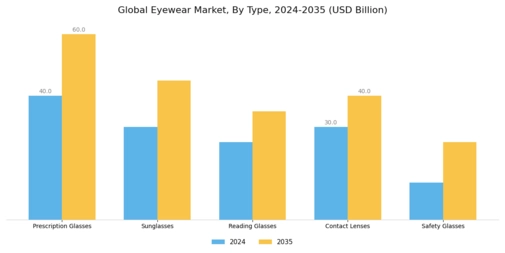
サングラスは、現在300億米ドルの価値があり、2035年までに450億米ドルに達すると予想されています。このセグメントは、ファッションや日焼け防止に対する消費者のトレンドに支えられており、眼鏡市場の重要な要素となっています。リーディンググラスは現在200億米ドルの評価を受けており、世界の高齢化とスクリーンタイムの増加を反映して、300億米ドルに成長することが期待されています。これは、読書や長時間の視聴のための視力補助具が必要とされるためです。
コンタクトレンズは市場の重要な部分を占めており、2024年には280億米ドルの価値があり、2035年までに400億米ドルに達する見込みです。これは、従来の眼鏡オプションに対する利便性と美観の人気を強調しています。最後に、安全眼鏡も重要な役割を果たしており、2024年には139.7億米ドルの価値があり、2035年までに200億米ドルに増加することが期待されています。これは、産業が労働者の安全と保護眼鏡に関する厳格な規制を優先し続けるためです。
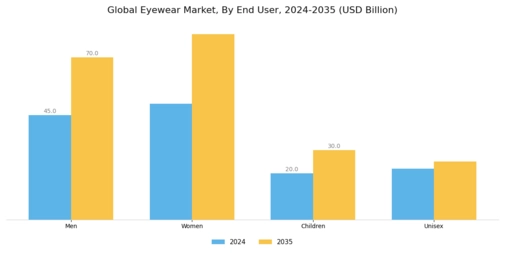
グローバルアイウェア市場は大きな成長が見込まれており、2024年には136.97億米ドル、2035年には205.0億米ドルの市場価値が予測されています。市場は材料に基づいてセグメント化されており、これらの材料は製品の機能性や消費者の好みにおいて重要な役割を果たしています。これらの材料の中で、プラスチックは軽量で耐久性があるため、日常のアイウェアとして好まれる選択肢となっています。
一方、金属は堅牢性とより高級感のある魅力を提供し、スタイリッシュで耐久性のある選択肢を求める消費者に応えています。ガラスレンズは光学的な明瞭さから依然として人気があり、複合材料はさまざまな材料の特性を組み合わせる能力からますます利用されています。木製の眼鏡は、よりニッチな市場ですが、持続可能でユニークなデザインを求めるエコ意識の高い消費者を惹きつけています。材料の継続的な革新は、快適さ、耐久性、スタイルに対する消費者の需要によって推進されており、これによりグローバル眼鏡市場のダイナミクスが形成されています。
業界が進化する中、企業は製品の提供を強化するために先進的な材料の統合に注力しており、市場の風景の中で新たな機会を創出しています。
グローバルアイウェア市場は堅調な成長を示しており、2024年には136.97億米ドルの評価が見込まれています。これは、男性、女性、子供、ユニセックスのカテゴリーを含むエンドユーザーセグメントの重要性を反映しています。このセグメントは、市場のダイナミクスを定義する上で重要な役割を果たしており、ファッションのトレンドの変化や健康意識の高まりがさまざまなデモグラフィックにおける需要を促進しています。特に、男性と女性はファッションと目の健康への関心の高まりにより、市場の重要なシェアを占めています。
特に子供を含む若年層は、眼鏡の早期採用が一般的になるにつれて重要性を増しています。ユニセックスカテゴリーは多様な顧客の好みに応え、より広いオーディエンスに対応しています。市場統計は、矯正用およびレクリエーション用の眼鏡を利用する個人の数が着実に増加していることを示しています。さらに、市場の成長はレンズ技術やフレーム材料の技術革新によって支えられ、快適さとスタイルが向上しています。しかし、競争力のある価格設定や地域間の格差といった課題が市場浸透に影響を与える可能性があります。
グローバルアイウェア市場の機会は、消費者が目の保護とファッションの重要性をますます認識しているため、今後数年間の成長が期待されるこのセグメントは強いままです。
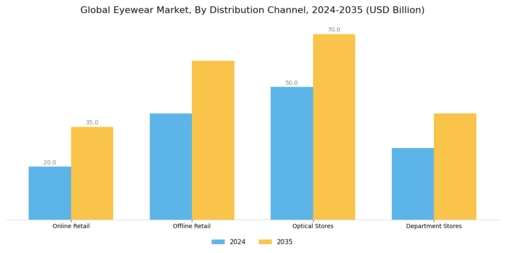
グローバルアイウェア市場は、全体の収益生成において重要な役割を果たす多様な流通チャネルの風景を示しており、2024年までに136.97億米ドルに達することが予測されています。消費者がオンラインショッピングにシフトする中、オンライン小売セグメントが拡大し、世界中の顧客に便利さと幅広い製品選択を提供しています。
一方、オフライン小売は、特に顧客に評価されるパーソナライズされたサービスや対面での相談を提供する確立された光学店やデパートを通じて、強い存在感を維持し続けています。光学店セグメントは、特定の視覚ニーズに対応するための専門的な製品やサービスを提供できる点で際立っており、重要な役割を果たしています。さらに、デパートは高い来店客数と顧客ロイヤルティプログラムの恩恵を受けており、眼鏡市場における競争力を高めています。
デジタルチャネルへのグローバルトレンドが進む中、オンライン小売セグメントの成長は、オフラインの存在が伝統的なショッピング体験を好む消費者にとって不可欠である一方で、さらなる変革をもたらすと期待されています。これらの流通チャネル間のダイナミックな相互作用は、進化する消費者の好みを反映し、グローバルアイウェア市場における機会と課題の両方を浮き彫りにしています。
メガネ市場に関する詳細な洞察を得る 無料サンプルを請求する
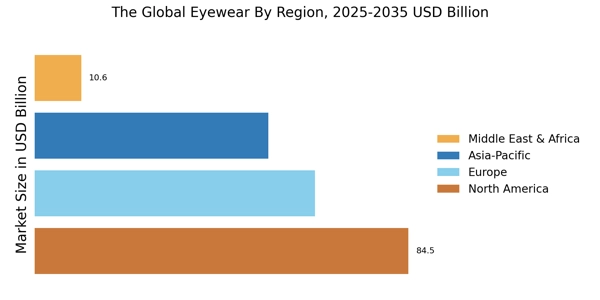
北米は眼鏡市場で最大の市場であり、世界のシェアの約40%を占めています。この地域の成長は、目の健康に対する意識の高まり、デジタルデバイスの使用増加、視力矯正を必要とする高齢者人口の増加によって推進されています。視力ケアと眼鏡のアクセスに対する規制の支援が需要をさらに促進し、処方箋眼鏡とファッション眼鏡の両方にとって堅実な市場を形成しています。北米の競争環境は、ルクソティカ、マーチョン・アイウェア・マーケット、ワービー・パーカーなどの主要プレーヤーの存在によって特徴づけられています。アメリカが市場をリードし、カナダが続き、革新的なデザインと持続可能な実践に強い重点が置かれています。また、市場はオンライン販売チャネルの急増を目撃しており、消費者にとってのアクセス性と利便性を高めています。
ヨーロッパは眼鏡市場で2番目に大きな市場であり、世界の市場シェアの約30%を保持しています。この地域では、消費者のエコフレンドリーな製品に対する需要とプラスチック使用に関する厳しい規制によって、持続可能な眼鏡ソリューションへのシフトが見られます。ドイツやフランスなどの国々が先頭に立ち、リサイクルや持続可能な製造実践を促進するイニシアチブを推進しており、市場のダイナミクスを形成する上で重要です。ヨーロッパの主要国にはドイツ、フランス、イタリアが含まれ、エシロールやサフィログループなどの主要プレーヤーが市場を支配しています。競争環境は、伝統的な職人技と現代技術の融合によって特徴づけられ、眼鏡デザインの革新を促進しています。この地域の規制フレームワークは持続可能な実践の成長を支援し、エコ意識の高いブランドの魅力を高めています。
アジア太平洋地域は、世界の眼鏡市場で重要なプレーヤーとして急速に台頭しており、全体の市場シェアの約25%を占めています。この地域の成長は、可処分所得の増加、都市化の進展、目の健康に対する意識の高まりによって推進されています。中国やインドなどの国々では、処方箋眼鏡とファッション眼鏡の需要が急増しており、視力ケアを促進する政府の好意的なイニシアチブによって支えられています。中国はアジア太平洋地域で市場をリードし、日本とインドが続き、競争環境は地元ブランドと国際ブランドの両方が共存しています。マウイ・ジムやマルコリンなどの主要プレーヤーが存在感を拡大し、革新的なデザインと技術統合に焦点を当てています。この地域の多様な消費者基盤は、眼鏡製品におけるカスタマイズとパーソナライズのトレンドを推進し、市場のダイナミクスを強化しています。
中東およびアフリカは眼鏡の新興市場を代表しており、世界のシェアの約5%を占めています。この地域の成長は、都市化の進展、中間層の増加、目の健康に対する意識の高まりによって推進されています。医療アクセスを改善することを目的とした規制イニシアチブも市場の拡大に寄与しており、特に南アフリカやUAEなどの国々では眼鏡の需要が高まっています。この地域の主要国には南アフリカ、UAE、ナイジェリアが含まれ、競争環境は徐々に進化しています。主要プレーヤーは、増加する人口に対応するために手頃な価格の眼鏡ソリューションに焦点を当て、足場を築き始めています。市場は地元ブランドと国際ブランドの混合によって特徴づけられ、処方箋眼鏡とファッション眼鏡の両方のセグメントで成長の機会があります。
グローバルアイウェアは、革新、持続可能性、デジタルトランスフォーメーションによって推進されるダイナミックな競争環境が特徴です。ルクソティカ(IT)、エシロール(FR)、ワービー・パーカー(US)などの主要プレーヤーが最前線に立ち、それぞれが市場ポジションを強化するための独自の戦略を採用しています。ルクソティカ(IT)は、広範な小売ネットワークとブランドポートフォリオを活用し、プレミアムアイウェアセグメントに焦点を当て続けています。一方、エシロール(FR)は、レンズ製造における技術革新を強調し、スマートアイウェアソリューションの統合を目指しています。ワービー・パーカー(US)は、従来の小売を破壊するだけでなく、デジタルプラットフォームを通じて顧客エンゲージメントを高めるダイレクト・トゥ・コンシューマーモデルで注目されています。これらの戦略は、消費者中心の革新と持続可能性イニシアティブにますます焦点を当てた競争環境に寄与しています。
ビジネスタクティクスに関しては、企業は供給チェーンの混乱を軽減し、物流を最適化するために製造のローカリゼーションを進めています。この傾向は特にアイウェアセクターで顕著であり、ブランドは市場の需要に迅速に対応するために地域生産施設に投資しています。市場構造は中程度に分散しているようで、確立されたプレーヤーと新興ブランドが市場シェアを争っています。主要プレーヤーの集合的な影響が競争ダイナミクスを形成し、彼らは市場での存在感を強化するために戦略的パートナーシップやコラボレーションを行っています。
2025年8月、ルクソティカ(IT)は、拡張現実(AR)アイウェアを開発するために、主要なテクノロジー企業との戦略的パートナーシップを発表しました。このコラボレーションは、ルクソティカの製品提供を強化し、スマートアイウェアソリューションに対する消費者の関心の高まりに沿ったものです。AR技術の統合は、ルクソティカを革新的なアイウェアセグメントのリーダーとして位置づけ、テクノロジーに精通した層を引き付ける可能性があります。
2025年9月、エシロール(FR)は、リサイクル材料から作られた新しいエコフレンドリーなレンズラインを発表しました。このイニシアティブは、環境に配慮した製品に対する消費者の需要の高まりに応える形で、同社の持続可能性へのコミットメントを強調しています。持続可能な実践を優先することで、エシロールはブランドイメージを向上させるだけでなく、エコ意識の高い消費に向かう世界的なトレンドに沿ったものとなり、顧客の忠誠心と市場成長を促進する可能性があります。
2025年7月、ワービー・パーカー(US)は、特に英国とドイツをターゲットにして、ヨーロッパ市場に進出することで国際的な足場を拡大しました。この戦略的な動きは、これらの地域での手頃なアイウェアソリューションに対する需要の高まりを活かそうとする同社の野心を反映しています。成功したダイレクト・トゥ・コンシューマーモデルを活用することで、ワービー・パーカーはヨーロッパの伝統的な小売パラダイムを破壊し、競争環境を再構築する可能性があります。
2025年10月現在、グローバルアイウェアの現在のトレンドは、デジタル化、持続可能性、製品開発における人工知能(AI)の統合に向けた顕著なシフトを示しています。戦略的アライアンスは、企業が技術能力と市場のリーチを強化するために協力する中で、競争環境をますます形成しています。今後、競争の差別化は進化し、価格だけでなく革新と技術により大きな重点が置かれる可能性があります。供給チェーンの信頼性と持続可能な実践への焦点は、競争戦略をさらに再定義し、企業が進化する消費者のニーズにより良く応えることを可能にします。





最近のグローバルアイウェア市場の動向は、デザイナーアイウェアへの需要の高まりと技術の進歩によって大きな拡大を示しています。ルクソティカやサフィログループなどの企業は、市場評価の成長を報告し、高級ファッションアイウェアにおける存在感を高めています。2023年10月現在、オークリーとナイキはスポーツやアウトドア活動に焦点を当てた革新的なラインを発表し、より広い消費者層にアピールしています。2022年9月には、ディオールがラグジュアリーと持続可能性を融合させた新しいコレクションを発表し、消費者の嗜好の変化を反映しています。さらに、2023年7月にはエシロールが技術企業の戦略的持分を取得し、研究開発能力を強化する重要な合併があり、光学ソリューションの未来を形作ることが期待されています。市場では、グッチとフェンディがラグジュアリーセグメントを対象とした特別版アイウェアのコラボレーションを行うなど、ブランド間のコラボレーションが増加しています。全体として、グローバルアイウェア市場はダイナミックであり、企業は持続可能性、技術統合、消費者行動の変化といったトレンドに適応し、今後の強い成長の可能性を確保しています。
グローバルアイウェア市場は、2024年から2035年までの間に6.91%のCAGRで成長することが予測されており、これは技術の進歩、健康意識の高まり、ファッショントレンドの上昇によって推進されます。
新しい機会は以下にあります:
2035年までに、市場は堅調な成長を遂げ、ダイナミックな産業としての地位を確立することが期待されています。
| 2024年の市場規模 | 211.22億米ドル |
| 2025年の市場規模 | 225.82億米ドル |
| 2035年の市場規模 | 440.58億米ドル |
| 年平均成長率(CAGR) | 6.91%(2024年 - 2035年) |
| レポートの範囲 | 収益予測、競争環境、成長要因、トレンド |
| 基準年 | 2024年 |
| 市場予測期間 | 2025年 - 2035年 |
| 過去データ | 2019年 - 2024年 |
| 市場予測単位 | 億米ドル |
| プロファイルされた主要企業 | 市場分析進行中 |
| カバーされるセグメント | 市場セグメンテーション分析進行中 |
| 主要市場機会 | スマート技術の眼鏡への統合が機能性を高め、テクノロジーに精通した消費者を惹きつけます。 |
| 主要市場ダイナミクス | 持続可能な眼鏡に対する消費者の需要の高まりが、イノベーションと市場内の競争を促進します。 |
| カバーされる国 | 北米、ヨーロッパ、APAC、南米、中東・アフリカ |


The secondary research process involved comprehensive analysis of regulatory databases, industry standards organizations, peer-reviewed medical journals, and authoritative health and trade institutions. Key sources included the US Food & Drug Administration (FDA) Center for Devices and Radiological Health, European Medicines Agency (EMA) Medical Device Regulation (MDR), International Organization for Standardization (ISO 12870 for ophthalmic optics and ISO 18369 for contact lenses), World Health Organization (WHO) World Report on Vision, Centers for Disease Control and Prevention (CDC) Vision Health Initiative, National Eye Institute (NEI/NIH), American National Standards Institute (ANSI Z80 standards), Federal Trade Commission (FTC) Eyeglass and Contact Lens Rule compliance data, and the Vision Council of America. International trade data was gathered from Euromonitor International, Euromed, and national statistics offices of key markets including Germany (Federal Statistical Office), France (INSEE), Italy (ISTAT), China (National Bureau of Statistics), and India (Ministry of Commerce and Industry). These sources were utilized to collect product safety standards, vision impairment prevalence statistics, regulatory approval pathways for contact lenses and medical device classifications, material standards for frames and lenses, distribution channel metrics, and competitive intelligence across prescription glasses, sunglasses, contact lenses, and protective eyewear segments.
In the primary research process, qualitative and quantitative insights specific to the global eyewear value chain were obtained by interviewing supply-side and demand-side stakeholders. Supply-side sources encompassed Chief Executive Officers, Vice Presidents of Product Innovation, Heads of Regulatory Affairs, and Commercial Directors from prominent frame manufacturers (such as EssilorLuxottica, Safilo Group, Marcolin, Kering Eyewear, Marchon Eyewear, and Fielmann AG), ophthalmic lens manufacturers (such as Zeiss, Hoya Corporation, and Shamir), contact lens producers, raw material suppliers (acetate, titanium, and bio-based materials), and OEM/ODM partners who specialize in smart eyewear technology. The demand-side sources included licensed optometrists and ophthalmologists, optical chain medical directors, independent dispensing opticians, procurement heads from multi-brand optical retailers, sunglass specialty store buyers, e-commerce platform merchandising leads, and department store eyewear category managers. Primary research has confirmed pipeline timelines for smart eyewear and sustainable materials, validated product segmentation across prescription, sunglass, and contact lens categories, and gathered insights on omnichannel distribution strategies, prescription fulfillment dynamics, regional pricing architectures, and consumer preference shifts toward customization and virtual try-on technologies.
Primary Respondent Breakdown:
By Designation: C-level Primaries (40%), Director Level (25%), Others (35%)
By Region: North America (40%), Europe (28%), Asia-Pacific (24%), Rest of World (8%)
Global market valuation was derived through systematic revenue mapping and unit volume analysis across optical retail channels. The methodology included:
Identification of over 50 main manufacturers in North America, Europe, Asia-Pacific, Latin America, and the Middle East and Africa, including frame producers, lens manufacturers, and contact lens suppliersProduct mapping encompasses prescription spectacles (spectacle lenses and frames), sunglasses (fashion and corrective), contact lenses (daily disposables, extended wear, and specialty), reading glasses, and safety/protective eyewearA material segmentation analysis that encompasses sustainable wood/bio-based alternatives, metal (titanium, stainless steel, monel), and plastic (acetate, TR90)Analysis of annual revenues for eyewear portfolios, as reported and modeled, disaggregated by distribution channel (optical stores, online retail, department stores, and independent retailers)
Coverage of manufacturers and brands representing 75-80% of global market share in 2024
Extrapolation using bottom-up (procedure volume × average selling price by country, stratified by prescription complexity and lens type) and top-down (manufacturer revenue validation and retail audit data) approaches to derive segment-specific valuations for product type, material composition, end-user demographics, and regional distribution dynamics
Integration of trade association shipment data, retail point-of-sale tracking, and ophthalmic survey statistics to refine market share allocations across luxury, mid-market, and value-tier segments
このレポートの無料サンプルを受け取るには、以下のフォームにご記入ください

“This is really good guys. Excellent work on a tight deadline. I will continue to use you going forward and recommend you to others. Nice job”


“Thanks. It’s been a pleasure working with you, please use me as reference with any other Intel employees.”


“Thanks for sending the report it gives us a good global view of the Betaïne market.”


“Thank you, this will be very helpful for OQS.”


“We found the report very insightful! we found your research firm very helpful. I'm sending this email to secure our future business.”


“I am very pleased with how market segments have been defined in a relevant way for my purposes (such as "Portable Freezers & refrigerators" and "last-mile"). In general the report is well structured. Thanks very much for your efforts.”


“I have been reading the first document or the study, ,the Global HVAC and FP market report 2021 till 2026. Must say, good info! I have not gone in depth at all parts, but got a good indication of the data inside!”


“We got the report in time, we really thank you for your support in this process. I also thank to all of your team as they did a great job.”


“The Automotive 48V ECU Components Procurement Intelligence Study” was a complex project, but the Market Research Future (MRFR) team handled it with quality, agility, and customer-centricity. They delivered all requested data on time and within the agreed scope. The team, including Shubhendra Anand and Rahul Gotadki, was always readily available to clarify questions and swiftly implement necessary adjustments, driving the project to a successful conclusion within a very demanding timeframe.
I would also like to specifically commend Akshay Agarwal for his responsiveness and support at every stage—from our initial inquiry on May 6th through to final delivery on June 18th. His dedication made the entire process seamless.”



