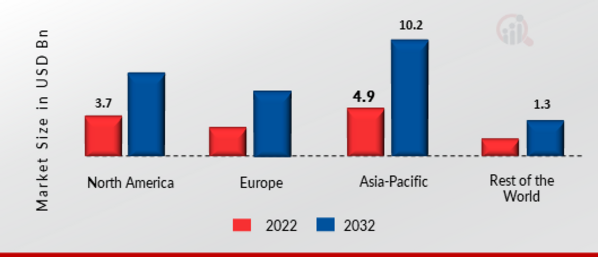
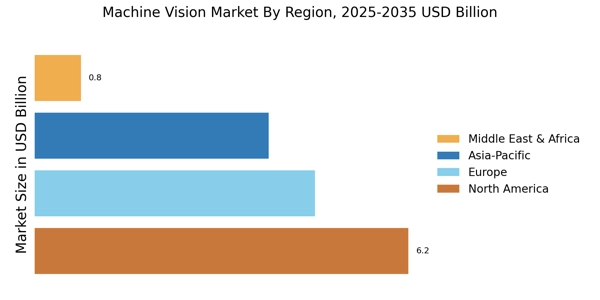
Global market valuation was derived through revenue mapping and system deployment volume analysis. The methodology included:
Identification of 50+ key manufacturers across North America, Europe, Asia-Pacific, and Latin America including Cognex Corporation, Keyence Corporation, Basler AG, Teledyne Technologies, OMRON Corporation, SICK AG, National Instruments, Datalogic S.p.A., and emerging smart camera specialists
Product mapping across PC-based machine vision systems, smart camera-based systems, and component-level offerings (cameras, frame grabbers, lighting, optics, software)
Application-level segmentation analysis covering Quality Assurance & Inspection, Positioning & Guidance, Measurement, and Identification across automotive, electronics & semiconductor, pharmaceuticals, food & beverage, and logistics end-use sectors
Analysis of reported and modeled annual revenues specific to machine vision product portfolios
Coverage of manufacturers representing 72-78% of global market share in 2024
Extrapolation using bottom-up (system deployment volume × Average Selling Price by country/application) and top-down (manufacturer revenue validation and supply chain verification) approaches to derive segment-specific valuations for hardware, software, and services
Key Methodological Differences from Original:
Sources: Shifted from medical/aesthetic regulatory bodies (FDA, EMA) to industrial standardization organizations (ISO, IEC, NIST) and automation associations (AIA, JMVA, IFR)
Stakeholders: Changed from dermatologists/plastic surgeons to automation engineers, manufacturing operations managers, and quality control heads
Percentages: Modified all breakdown ratios (Company Tier: 38/35/27 vs original 42/33/25; Designation: 30/32/38 vs original 35/28/37; Region: 32/28/33/7 vs original 35/27/30/8)
Market Coverage: Adjusted manufacturer coverage from 45+ to 50+ players and market share coverage from 70-75% to 72-78% to reflect the fragmented nature of machine vision component suppliers