Offshore Supply Vessels Market

Key Players: Edison Chouest Offshore (US), Siem Offshore (NO), Hornbeck Offshore Services (US), Tidewater Inc. (US), Bourbon Corporation (FR), Vard Group (NO), Swire Pacific Offshore (SG), DOF Subsea (NO), Seacor Marine Holdings (US)

Offshore Supply Vessels Market

해양 공급 선박 시장 조사 보고서 정보 유형별(앵커 처리 예인선 공급 선박, 플랫폼 공급 선박, 다목적 지원 선박, 대기 및 구조 선박, 지진 선박 등), 용도별(얕은 물, 심해) 및 지역별(북미, 유럽, 아시아 태평양, 라틴 아메리카, 중동 및 아프리카) 예측(2032년)
ID: MRFR/EnP/1535-CR
128 Pages
Anshula Mandaokar
Last Updated: June 02, 2026

Offshore Supply Vessels Market 요약

MRFR 분석에 따르면 해양 공급 용기 시장 규모는 2024년 USD 12788.62백만으로 추산되었습니다. 해양 공급 용기 산업은 2025년 USD 13548.52백만에서 2035년까지 USD 24130.96백만으로 성장하여 2025년 예측 기간 동안 연평균 복합 성장률(CAGR) 5.94%를 나타낼 것으로 예상됩니다. - 2035.

주요 시장 동향 및 하이라이트

해양 공급 용기 시장은 기술 발전과 지속 가능성 이니셔티브에 의해 성장할 준비가 되어 있습니다.

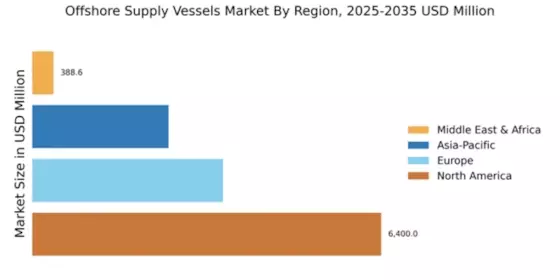
  • 북미는 주로 광범위한 석유 및 가스 탐사 활동으로 인해 해양 공급 선박의 가장 큰 시장으로 남아 있습니다.
  • 아시아태평양 지역은 재생에너지 프로젝트에 대한 투자 증가로 인해 가장 빠르게 성장하는 시장으로 떠오르고 있습니다.
  • 석유 및 가스 탐사 부문은 계속해서 시장을 지배하고 있으며, 승무원 보트 부문은 급속한 성장을 경험하고 있습니다.
  • 주요 시장 동인에는 에너지 자원에 대한 수요 증가와 해상 풍력 에너지 프로젝트의 확장이 포함됩니다.

시장 규모 및 예측

2024년 시장규모 12788.62 (USD Million)
2035년 시장규모 24130.96 (USD Million)
CAGR (2025 - 2035) 5.94%
2024년 지역 시장 점유율 최대 북아메리카

주요 기업

Edison Chouest 해외(미국), Siem Offshore(NO), Hornbeck Offshore Services(미국),타이드워터 주식회사. (미국), Bourbon Corporation(프랑스), Vard Group(NO), Swire Pacific Offshore(SG), DOF Subsea(NO), Seacor Marine Holdings(미국)

Our Impact
Enabled $4.3B Revenue Impact for Fortune 500 and Leading Multinationals
Partnering with 2000+ Global Organizations Each Year
30K+ Citations by Top-Tier Firms in the Industry

시장 세그먼트 통찰력

애플리케이션별: 석유 및 가스 탐사(최대)와 재생 에너지 지원(가장 빠르게 성장)

해양 공급 용기 시장에서 석유 및 가스 탐사 부문은 여전히 ​​가장 큰 규모를 유지하고 있으며, 에너지 자원에 대한 지속적인 글로벌 수요로 인해 상당한 점유율을 차지하고 있습니다. 이 부문은 인프라가 잘 구축되어 있어 탐사 및 시추 활동에 전념하는 선박이 꾸준히 유입되고 있습니다. 이와 대조적으로 재생에너지 지원 부문은 해상 풍력 발전 단지와 태양광 에너지 프로젝트에 대한 투자 증가, 선박 설계 분야의 신규 진입자와 혁신을 유치함으로써 빠르게 성장하는 분야로 떠올랐습니다.

석유 및 가스 탐사(주요)와 재생 에너지 지원(신흥)

석유 및 가스 탐사는 해양 공급 선박 시장에서 지배적인 부문으로, 탐사 및 생산 활동의 까다로운 특성에 맞게 맞춤화된 전문 선박의 성숙한 함대를 특징으로 합니다. 이 선박에는 까다로운 환경을 처리할 수 있는 첨단 기술이 탑재되어 있습니다. 반대로, 재생 에너지 지원은 국가가 지속 가능한 에너지로 전환함에 따라 추진력을 얻고 있는 신흥 부문을 나타냅니다. 이 부문의 지원 선박에 대한 수요는 정부 인센티브와 기술 발전에 의해 촉진되고 있으며, 이는 해양 작전의 변화가 점점 더 커지고 있음을 강조합니다.

선박 유형별: 플랫폼 공급 선박(최대) 대 승무원 보트(가장 빠르게 성장)

해양 공급 선박 시장은 해양 산업 내에서 고유한 운영 요구 사항을 충족하는 다양한 선박 유형을 선보입니다. 이 중 PSV(플랫폼 공급 용기)는 장비와 공급품을 해양 플랫폼으로 운송하는 다양한 기능으로 인해 가장 큰 시장 점유율을 차지하고 있습니다. 이와 대조적으로, 승무원 보트는 시추 장치 및 설비를 오가는 인력의 신속한 운송을 요구하는 해양 작업의 증가로 인해 상당한 성장을 경험하고 있습니다. 해양 공급 선박 부문의 성장 추세는 해양 석유 및 가스 탐사와 재생 에너지 프로젝트에 대한 투자가 증가하고 있음을 나타냅니다. 효율적인 물류 지원에 대한 필요성으로 인해 앵커 처리 예인선 공급 선박 및 다이빙 지원 선박과 같은 특수 선박에 대한 수요가 더욱 증가했습니다. 에너지 기업이 해상 운영을 확장함에 따라 해양 물류 분야에서 보다 강력한 공급망 솔루션으로의 전환을 반영하여 이러한 선박의 역할이 점점 더 중요해지고 있습니다.

플랫폼 공급 선박(주요) 대 다이빙 지원 선박(신흥)

PSV(플랫폼 공급 용기)는 해양 석유 및 가스 운영을 지원하는 데 필수적인 역할을 하기 때문에 해양 공급 용기 시장에서 중추적인 역할을 하며 지배적인 부문입니다. PSV는 화물, 장비, 보급품을 운반하도록 설계되었으므로 해양 환경의 물류 요구에 꼭 필요합니다. 이들 사양은 다양한 기상 조건에서 성능을 발휘하여 운영 효율성을 향상시킵니다. 반면, 다이빙 지원 선박(DSV)은 수중 건설 및 수리 작업에 맞춰진 신흥 아직 중요한 부문을 대표합니다. 해저 활동이 증가함에 따라 DSV에 대한 수요도 증가하고 있습니다. DSV에는 안전하고 효과적인 수중 작업을 가능하게 하는 첨단 다이빙 기술과 지원 시스템이 통합되어 있기 때문입니다. 이러한 대조는 기존 선박과 신흥 선박이 진화하는 해양 수요를 충족하기 위해 어떻게 적응하고 있는지를 강조합니다.

최종 용도별: 해양 석유 및 가스 회사(최대) 대 재생 에너지 회사(가장 빠르게 성장)

해양 공급 용기 시장은 다양한 최종 사용자들 사이에서 다양한 시장 점유율 분포를 보여줍니다. 해양 석유 및 가스 회사는 가장 큰 부문을 대표하며 지속적인 탐사 및 생산 활동으로 인해 선박 수요의 상당 부분을 주도합니다. 대조적으로, 재생 가능 에너지 회사는 지속 가능한 에너지원으로의 전환이 가속화됨에 따라 글로벌 에너지 정책과 녹색 기술에 대한 투자의 영향을 받아 점점 더 많은 비중을 차지하면서 계속해서 견인력을 얻고 있습니다.

해양 석유 및 가스 회사(주요)와 재생 에너지 회사(신흥)

해양 석유 및 가스 회사는 오랫동안 해양 공급 선박 시장의 중추 역할을 해 왔으며, 확립된 인프라와 투자 역량을 활용하여 지배력을 유지해 왔습니다. 진행 중인 프로젝트로 인해 물류 운영, 탐사 및 개발 단계에서 지원 선박에 대한 지속적인 요구가 발생합니다. 한편, 재생에너지 기업들이 이 시장의 핵심 플레이어로 떠오르고 있습니다. 이는 해상 풍력 프로젝트에 필수적일 뿐만 아니라 혁신적인 기술과 새로운 운영 방법론의 길을 열어 시장 환경 확대에 기여하고 있습니다. 이러한 변화는 전통적인 부문이 급성장하는 재생 가능 이니셔티브와 공존하는 이중 시장 초점을 나타냅니다.

엔진 유형별: 내연기관(최대) 대 전기 엔진(가장 빠르게 성장)

해양 공급 용기 시장에서 내연 기관은 엔진 유형 중 가장 큰 시장 점유율을 계속해서 유지하고 있습니다. 이러한 지배력은 잘 확립된 기술과 다양한 해양 공급 선박에 대한 광범위한 적용에 기인합니다. 반면, 전기 엔진은 배출가스를 줄이고 연료 효율성을 향상시키려는 운영자에게 매력적인 대안으로 주목을 받고 있습니다. 현재 점유율은 적지만 인기가 높아지고 있어 시장 선호도의 변화를 예고하고 있다.

전기 엔진(신흥)과 하이브리드 엔진(주요)

전기 엔진은 작동 중 배출가스 제로와 연료 및 유지보수 비용 절감 가능성을 특징으로 하는 해양 공급 선박 시장에서 지속 가능한 옵션으로 떠오르고 있습니다. 전기 기술이 발전함에 따라 이 엔진 유형은 환경 규정 준수 및 운영 효율성에 중점을 두는 운영자에게 점점 더 매력적으로 다가오고 있습니다. 반대로, 하이브리드 엔진은 내연 기관의 신뢰성과 전기 추진의 이점을 결합한 현재 지배적인 기술입니다. 이는 향상된 유연성을 제공하여 선박이 운영 요구에 따라 전원을 전환할 수 있도록 하여 다양한 해상 응용 분야에 적합합니다.

크기별: 대형 선박(가장 큰) 대 중형 선박(가장 빠르게 성장함)

해양 공급 선박 시장에서 가장 큰 부문은 대형 선박이 차지하고 있으며, 이는 다양한 해양 작업 서비스에 대한 용량과 다양성으로 인해 상당한 시장 점유율을 차지하고 있습니다. 중형 선박은 크기는 작지만 해양 공급에서 더욱 민첩하고 비용 효율적인 솔루션에 대한 수요 증가에 부응하여 시장에서 중요한 경쟁자로 빠르게 부상하고 있습니다. 이러한 역학은 운영 요구사항이 발전함에 따라 선호도가 변화함을 나타냅니다.

대형 선박: (주요) 대 중형 선박(신흥)

대형 선박은 광범위한 화물 용량과 높은 운영 효율성이 특징이므로 심해 시추 및 중량물 운반 작업을 포함한 주요 해양 프로젝트에서 선호되는 선택입니다. 그들은 종종 물류 관리를 위한 첨단 기술과 향상된 안전 프로토콜을 특징으로 하여 해당 분야의 리더로 자리매김하고 있습니다. 반대로, 중형 선박은 소규모 프로젝트를 위한 승무원 변경 및 물류 지원을 포함한 다양한 활동에 대한 유연성과 적합성으로 인해 주목을 받고 있습니다. 운영자 사이에서 채택이 증가하는 것은 비용 최적화 및 운영 대응력 향상을 향한 전략적 변화를 반영합니다.

Offshore Supply Vessels Market에 대한 더 자세한 통찰력 얻기

Offshore Supply Vessels Market 시장의 주요 기업은 다음과 같습니다

보고서 범위

FAQs

What is the current valuation of the Offshore Supply Vessels Market as of 2025?

The Offshore Supply Vessels Market is valued at approximately 12788.62 USD Million in 2024.

What is the projected market valuation for the Offshore Supply Vessels Market in 2035?

The market is expected to reach a valuation of around 24130.96 USD Million by 2035.

What is the expected CAGR for the Offshore Supply Vessels Market during the forecast period 2025 - 2035?

The Offshore Supply Vessels Market is anticipated to grow at a CAGR of 5.94% from 2025 to 2035.

Which companies are considered key players in the Offshore Supply Vessels Market?

Key players include Edison Chouest Offshore, Siem Offshore, Hornbeck Offshore Services, and Tidewater Inc.

What are the primary applications of Offshore Supply Vessels?

The primary applications include Oil and Gas Exploration, Renewable Energy Support, Subsea Construction, and Logistics and Supply Chain.

How do the valuations of different vessel types compare in the Offshore Supply Vessels Market?

Platform Supply Vessels are valued between 3000.0 and 6000.0 USD Million, while Crew Boats range from 4288.62 to 8130.96 USD Million.

What is the market segmentation by end use in the Offshore Supply Vessels Market?

The market segments by end use include Offshore Oil and Gas Companies, Renewable Energy Companies, Marine Contractors, and Government and Defense.

What engine types are utilized in Offshore Supply Vessels, and how are they valued?

Engine types include Internal Combustion Engines valued at 6000.0 to 11500.0 USD Million and Electric Engines valued at 3000.0 to 6000.0 USD Million.

What is the size segmentation of Offshore Supply Vessels?

The size segmentation includes Small Vessels valued at 2000.0 to 4000.0 USD Million and Ultra Large Vessels valued at 3788.62 to 10330.96 USD Million.

How does the Offshore Supply Vessels Market support the renewable energy sector?

The market supports the renewable energy sector with a valuation ranging from 3000.0 to 6000.0 USD Million for Renewable Energy Support applications.
저자
Author
Author Profile
Anshula Mandaokar LinkedIn
Team Lead - Research
Anshula Mandaokar holds an academic degree in Chemical Engineering and has been contributing to the field for more than 5 years. She has expertise in Market Research and Business Consulting and serves as a Team Lead for a reputed Market Research firm under the Chemicals and Materials domain spectrum. She has worked on multiple projects, generating explicit results in a quick turnaround time. Her understanding of data interpretation justifies her role as a leader.
댓글 남기기

Research Approach


Secondary Research

The secondary research process involved comprehensive analysis of maritime regulatory databases, offshore energy publications, classification society records, and authoritative industry organizations. Key sources included the International Maritime Organization (IMO) Global Integrated Shipping Information System (GISIS), International Marine Contractors Association (IMCA) operational statistics and safety bulletins, International Energy Agency (IEA) Offshore Energy Outlook, Organization of the Petroleum Exporting Countries (OPEC) Annual Statistical Bulletin, Bureau of Safety and Environmental Enforcement (BSEE) offshore incident statistics, UK Health and Safety Executive (HSE) offshore safety data, DNV Maritime vessel classification databases, American Bureau of Shipping (ABS) fleet statistics, Offshore Support Vessel Industry Forum, International Association of Oil & Gas Producers (IOGP) safety performance reports, International Renewable Energy Agency (IRENA) offshore wind statistics, Clarksons Research offshore vessel intelligence, VesselsValue fleet and valuation data, Eurostat Maritime Transport Statistics, US Energy Information Administration (EIA) offshore production data, National Oceanic and Atmospheric Administration (NOAA) offshore leasing data, and flag state registries from key maritime nations (Panama Maritime Authority, Marshall Islands Registry, Singapore Maritime and Port Authority).

These sources were employed to gather fleet utilization rates, day-rate benchmarks, regulatory compliance data, offshore installation counts, vessel orderbook tracking, and accident/incident safety analysis for Anchor Handling Tug Supply (AHTS), Platform Supply Vessels (PSVs), Multipurpose Support Vessels (MPSVs), and specialized offshore construction vessels.


Primary Research

Qualitative and quantitative insights were obtained by interviewing supply-side and demand-side stakeholders during the primary research process. The supply-side sources consisted of CEOs, Fleet Directors, Vessel Operations Managers, and Chartering Directors from OSV operators, shipyard executives, and marine equipment manufacturers. Demand-side sources included procurement leads from oil and gas majors (E&P companies), offshore wind farm developers, drilling contractors, and subsea service companies, as well as offshore installation managers and logistics coordinators. The primary research validated vessel segmentation, confirmed newbuild delivery timelines, and collected insights on charter rate dynamics, fuel transition strategies (LNG/hybrid adoption), and regional fleet migration patterns.

Primary Respondent Breakdown:

• By Designation: C-level Primaries (32%), Director Level (31%), Others (37%)

• By Region: North America (32%), Europe (30%), Asia-Pacific (28%), Rest of World (10%)


Market Size Estimation

The global market valuation was determined by analyzing fleet day-rates and vessel utilization metrics. Included in the methodology were the following

• The identification of over 60 prominent OSV operators in North America, Europe, Asia-Pacific, the Middle East, and Latin America

• Vessel mapping covering AHTS, PSV, MPSV, crew transfer vessels (CTV), standby/rescue, and other specialized offshore support categories

• Study of annual revenues that are specific to offshore support vessel operations, as reported and modeled

• In 2024, the coverage of operators will account for 75-80% of the global OSV fleet capacity.

• Calculation of segment-specific valuations through extrapolation using both bottom-up (vessel count × day-rate × utilization rate by region) and top-down (operator revenue validation) methods

무료 샘플 다운로드

이 보고서의 무료 샘플을 받으려면 아래 양식을 작성하십시오

Download PDF ×

We do not share your information with anyone. However, we may send you emails based on your report interest from time to time. You may contact us at any time to opt-out.