Download Free Sample
Kindly complete the form below to receive a free sample of this Report
Germany Artificial Tears Market Research Report By Type (Polyethylene Glycol, Propylene Glycol, Cellulose, Glycerin, Others), By Delivery Mode (Eye Drops, Ointments, Sprays), By Application (Dry Eye Syndrome, Allergies, Infections, Others), and By Distribution Channel (Hospital Pharmacies, Drug Stores, Retail Pharmacies, Online Pharmacies) - Growth & Industry Forecast 2025 To 2035
As per Market Research Future analysis, the Germany artificial tears market Size was estimated at 175.16 USD Million in 2024. The Germany artificial tears market is projected to grow from 188.83 USD Million in 2025 to 400.0 USD Million by 2035, exhibiting a compound annual growth rate (CAGR) of 7% during the forecast period 2025 - 2035
The Germany artificial tears market is experiencing notable growth driven by increasing awareness and innovation.
| 2024 Market Size | 175.16 (USD Million) |
| 2035 Market Size | 400.0 (USD Million) |
| CAGR (2025 - 2035) | 7.8% |
Allergan (US), Santen Pharmaceutical (JP), Bausch Health (CA), Novartis (CH), Johnson & Johnson (US), Alcon (CH), Ocular Therapeutix (US), Eyevance Pharmaceuticals (US)
Our Impact
Enabled $4.3B Revenue Impact for Fortune 500 and Leading Multinationals
Partnering with 2000+ Global Organizations Each Year
30K+ Citations by Top-Tier Firms in the Industry
The artificial tears market in Germany is currently experiencing notable growth, driven by an increasing prevalence of dry eye conditions among the population. Factors such as environmental changes, prolonged screen time, and an aging demographic contribute to the rising demand for these products. As awareness of eye health continues to expand, consumers are more inclined to seek effective solutions for alleviating discomfort associated with dry eyes. This trend is further supported by advancements in formulation technologies, which enhance the efficacy and comfort of artificial tears. Manufacturers are focusing on developing innovative products that cater to specific needs, such as preservative-free options and those with enhanced viscosity for prolonged relief. Moreover, the regulatory landscape in Germany appears to be supportive of the artificial tears market, with stringent quality standards ensuring product safety and effectiveness. This regulatory framework fosters consumer trust and encourages market entry for new players. Additionally, the growing trend of online retailing is reshaping distribution channels, making artificial tears more accessible to consumers. As the market evolves, it is likely that competition will intensify, prompting companies to invest in marketing strategies that highlight the unique benefits of their offerings. Overall, the artificial tears market in Germany is poised for continued expansion, driven by both consumer demand and innovation in product development.
There is a growing recognition among consumers regarding the importance of eye health, particularly in relation to dry eye conditions. This trend is likely to drive demand for artificial tears, as individuals seek effective solutions to manage discomfort and maintain eye wellness.
Advancements in formulation technologies are leading to the development of new artificial tears that offer improved comfort and efficacy. Products that are preservative-free or designed for specific conditions are becoming increasingly popular, reflecting consumer preferences for tailored solutions.
The rise of e-commerce is transforming how artificial tears are marketed and sold. Consumers are increasingly turning to online platforms for purchasing these products, which enhances accessibility and convenience, thereby potentially boosting overall market growth.
The expansion of e-commerce platforms in Germany is reshaping the distribution landscape for the artificial tears market. Consumers increasingly prefer the convenience of purchasing eye care products online, leading to a surge in sales through digital channels. This shift is particularly evident among younger demographics who are more inclined to shop online. E-commerce allows for greater accessibility to a variety of artificial tears products, including niche and specialized formulations that may not be available in traditional retail settings. As a result, the artificial tears market is likely to benefit from this trend, with online sales projected to account for over 30% of total market revenue by 2026. This growth in online retailing is expected to enhance competition and drive innovation within the market.
The rising incidence of dry eye syndrome in Germany is a pivotal driver for the artificial tears market. Factors such as prolonged screen time, environmental pollutants, and aging populations contribute to this trend. According to recent health statistics, approximately 20% of the adult population in Germany experiences symptoms of dry eye, which has led to a heightened demand for artificial tears. This growing prevalence necessitates effective treatment options, thereby propelling the artificial tears market forward. As healthcare providers increasingly recognize the importance of managing dry eye symptoms, the market is likely to see a surge in product offerings tailored to meet the needs of affected individuals. Consequently, the artificial tears market is positioned for growth as awareness and diagnosis of dry eye conditions improve.
Technological advancements in the formulation of artificial tears are significantly influencing the market landscape in Germany. Innovations such as preservative-free formulations and enhanced viscosity agents are being developed to improve the efficacy and comfort of artificial tears. These advancements cater to the growing consumer preference for products that minimize irritation and provide longer-lasting relief. The introduction of smart delivery systems, which allow for precise dosing, is also gaining traction. As a result, the artificial tears market is witnessing an influx of new products that promise improved performance. Market data indicates that the segment of preservative-free artificial tears is expected to grow at a CAGR of 8% over the next five years, reflecting the demand for advanced solutions in eye care.
Regulatory frameworks in Germany are increasingly supportive of the artificial tears market, facilitating easier access to eye care products. The German Medicines Agency has streamlined approval processes for new artificial tears formulations, encouraging innovation and market entry. This regulatory support is crucial for manufacturers looking to introduce novel products that meet the evolving needs of consumers. Additionally, the emphasis on safety and efficacy in product development aligns with consumer expectations for high-quality eye care solutions. As a result, the artificial tears market is likely to experience accelerated growth, with new entrants and established players alike benefiting from a more favorable regulatory environment. Market analysts predict that this trend will contribute to a 10% increase in the number of new product launches in the coming years.
Germany's aging population is a crucial driver for the artificial tears market. As individuals age, the likelihood of developing dry eye symptoms increases, leading to a greater need for artificial tears. The demographic shift towards an older population is accompanied by a rise in awareness regarding eye health, prompting more individuals to seek treatment for dry eyes. This trend is further supported by public health campaigns aimed at educating the population about the importance of eye care. Consequently, the artificial tears market is expected to expand as older adults become more proactive in managing their eye health. Market projections suggest that the demand for artificial tears will increase by approximately 15% in the next few years, driven by this demographic trend.
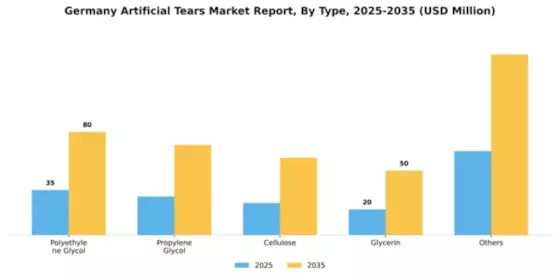
In the Germany artificial tears market, the Type segment exhibits a varied distribution with Polyethylene Glycol leading as the largest component, demonstrating widespread acceptance due to its effective moisture-retaining properties. Following closely are other components like Glycerin and Cellulose, which also carve out significant shares, catering to specific consumer needs within the ocular health community. The growth trajectory for the Type segment indicates a robust expansion, particularly for Propylene Glycol, which has emerged as the fastest-growing ingredient. This surge can be attributed to increased awareness of dry eye conditions and the desire for long-lasting relief. Additionally, the ongoing advancements in formulation technologies are driving the adoption of innovative artificial tear solutions, bolstering market growth across several segment values.
Polyethylene Glycol (Dominant) vs. Propylene Glycol (Emerging)
Polyethylene Glycol is characterized as the dominant ingredient in the Type segment, noted for its ability to mimic natural tears and provide prolonged comfort. It is favored for its low viscosity and efficiency in providing moisture to the eyes, making it a staple in many artificial tears formulations. In contrast, Propylene Glycol is an emerging contender, gaining traction for its unique properties that enhance formulation performance. As consumer preferences shift towards more effective and longer-lasting ocular solutions, products featuring Propylene Glycol are becoming increasingly popular, signaling a dynamic shift in the Type segment's landscape.
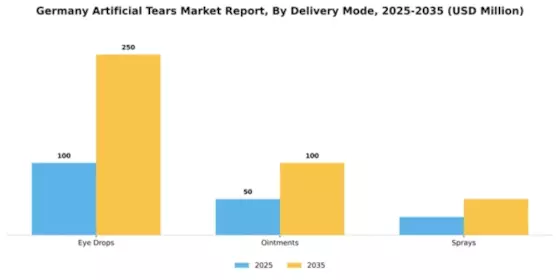
In the Germany artificial tears market, Eye Drops stand out as the largest segment, capturing a significant share due to their widespread availability and ease of use. Ointments, while smaller in overall market share, are rapidly gaining traction among consumers looking for prolonged relief from dryness, positioning themselves as an essential alternative within the market. Growth trends for this segment indicate a shift towards more innovative delivery methods, with manufacturers focusing on enhancing product formulations to meet consumer demands. The increase in ophthalmic disorders and the aging population are key drivers fuelling the demand for various delivery modes. Additionally, the convenience offered by Ointments is attracting new consumers, contributing to their status as the fastest-growing segment.
Eye Drops (Dominant) vs. Ointments (Emerging)
Eye Drops are positioned as the dominant delivery mode in the market, primarily valued for their effectiveness and rapid action in alleviating symptoms of dry eyes. This segment is characterized by a diverse range of formulations, including preservative-free options that cater to sensitive users. In contrast, Ointments are emerging as a viable alternative, particularly favored for their long-lasting relief and comfort. These thicker formulations provide a protective layer over the eye, making them suitable for use during sleep. The popularity of both delivery modes is shaped by consumer preferences for convenience and efficacy, driving innovation and product development across the market.
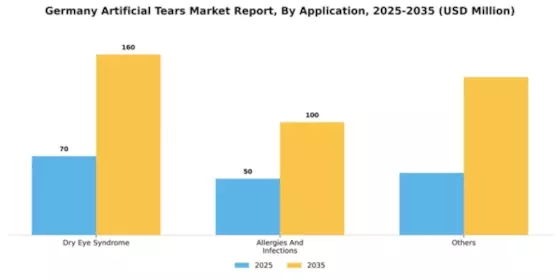
In the Germany artificial tears market, the distribution of application segments shows that Dry Eye Syndrome holds the largest share, appealing to a significant portion of consumers seeking relief from chronic dryness. This segment's robust position is complemented by a growing awareness of the condition among the general public, leading to increased product adoption and utilization. Conversely, Allergies And Infections are emerging as the fastest-growing segment within this market. The rise in cases of allergic reactions, alongside seasonal fluctuations, drives demand for specialized artificial tears. Furthermore, advancements in formulation technology are enhancing product effectiveness, thereby attracting new customers and encouraging repeat purchases in this segment.
Dry Eye Syndrome (Dominant) vs. Allergies And Infections (Emerging)
Dry Eye Syndrome is the dominant segment in the Germany artificial tears market, characterized by its broad appeal and strong consumer base seeking solutions for chronic eye discomfort. Products targeting this condition are highly effective and frequently recommended by healthcare professionals, fostering trust and loyalty among users. In contrast, the Allergies And Infections segment is emerging rapidly, driven by heightened awareness of allergy treatments and the efficacy of artificial tears in alleviating symptoms. This segment caters to a diverse demographic, especially during peak allergy seasons, and continuously innovates to improve product formulations and delivery methods, reflecting the dynamic nature of consumer needs.
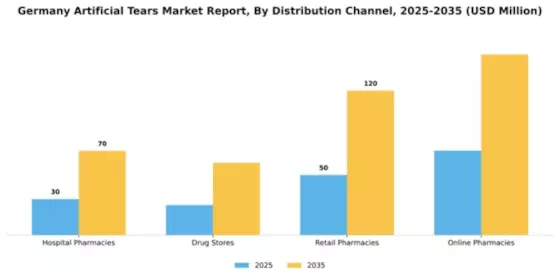
The distribution of market share among the various channels in the Germany artificial tears market indicates that retail pharmacies hold the largest share, leveraging their physical presence and accessibility for consumers. Following retail pharmacies, drug stores also contribute significantly, though they lag behind in market presence. Online pharmacies are gaining traction as more consumers embrace the convenience of digital shopping, which is reshaping the distribution landscape. Growth trends reveal that online pharmacies are the fastest-growing channel due to the increasing preference for e-commerce, especially since the COVID-19 pandemic catalyzed a shift towards online purchases. Meanwhile, retail pharmacies continue to dominate, supported by trust and familiarity with physical locations. As healthcare becomes more integrated with technology, the hybrid shopping experience combining online and offline will shape future dynamics in this segment.
Retail Pharmacies: Dominant vs. Online Pharmacies: Emerging
Retail pharmacies are the dominant distribution channel in the Germany artificial tears market, largely due to their established presence and strong consumer trust. They offer a wide array of products, making it convenient for customers to find suitable artificial tear solutions while seeking advice from pharmacy staff. In contrast, online pharmacies represent an emerging segment that is rapidly gaining ground, driven by consumer demand for convenience and the ability to compare products easily. This channel offers competitive pricing and home delivery options, appealing particularly to tech-savvy consumers and those seeking discreet purchasing options. As both channels evolve, the interaction between them is expected to redefine how consumers access artificial tears.
Get more detailed insights about Germany Artificial Tears Market Request Free Sample
The artificial tears market in Germany exhibits a dynamic competitive landscape characterized by a blend of innovation, strategic partnerships, and regional expansion. Key players such as Allergan (US), Santen Pharmaceutical (JP), and Bausch Health (CA) are actively shaping the market through their distinct operational focuses. Allergan (US) emphasizes innovation in product development, particularly in enhancing the efficacy of its artificial tears formulations. Meanwhile, Santen Pharmaceutical (JP) is strategically positioned to leverage its strong presence in Asia to expand its footprint in Europe, focusing on localized manufacturing to meet regional demands. Bausch Health (CA) appears to be concentrating on digital transformation initiatives, aiming to streamline its supply chain and enhance customer engagement through technology. Collectively, these strategies contribute to a moderately fragmented market structure, where competition is driven by both product differentiation and operational efficiency.In terms of business tactics, companies are increasingly localizing manufacturing to reduce lead times and optimize supply chains. This approach not only enhances responsiveness to market demands but also aligns with sustainability goals by minimizing transportation emissions. The competitive structure of the market remains moderately fragmented, with several players vying for market share. The influence of key players is significant, as their strategic initiatives often set the tone for industry standards and practices.
In October Allergan (US) announced the launch of a new line of preservative-free artificial tears, which is expected to cater to the growing consumer preference for safer, more effective eye care solutions. This strategic move underscores Allergan's commitment to innovation and positions the company to capture a larger share of the market, particularly among consumers with sensitive eyes. The introduction of preservative-free options may also enhance customer loyalty and brand reputation in a competitive landscape.
In September Santen Pharmaceutical (JP) entered into a partnership with a local German distributor to enhance its market penetration. This collaboration is likely to facilitate better access to Santen's products across Germany, thereby increasing its visibility and sales potential. Such strategic alliances are crucial in navigating the complexities of the German market, where localized knowledge and distribution networks can significantly impact success.
In August Bausch Health (CA) unveiled a new digital platform aimed at improving patient education and engagement regarding eye health. This initiative reflects a broader trend towards digitalization in the healthcare sector, where companies are leveraging technology to foster stronger connections with consumers. By prioritizing patient education, Bausch Health not only enhances its brand image but also positions itself as a thought leader in the artificial tears market.
As of November the competitive trends in the artificial tears market are increasingly defined by digitalization, sustainability, and the integration of artificial intelligence (AI) in product development. Strategic alliances are becoming more prevalent, as companies recognize the value of collaboration in enhancing their market positions. Looking ahead, competitive differentiation is likely to evolve from traditional price-based competition to a focus on innovation, technological advancements, and supply chain reliability. This shift suggests that companies that prioritize these aspects will be better positioned to thrive in an increasingly competitive environment.
The Germany Artificial Tears Market has witnessed notable developments recently, particularly with advancements in product formulations and increased consumer awareness of dry eye conditions. Notable companies such as Allergan, Johnson and Johnson, and Bausch Health are expanding their product lines to address the rising incidence of ocular dryness.
In recent months, Systane and Rohto have also made strides in enhancing their product offerings, contributing to a more competitive landscape. In terms of mergers and acquisitions, there have been no recent publicly known acquisitions directly impacting the Germany Artificial Tears Market among the targeted companies as of late October 2023.
Despite the lack of merger activity, the market's growth has accelerated, driven by a growing population and an increase in environmental factors that contribute to eye dryness.
In the past 2-3 years, Germany has seen an assertive push towards innovation in the artificial tears segment, particularly with a focus on formulations containing hyaluronic acid, driven by the Hyaluronic Acid Institute's ongoing research. These elements are influencing market dynamics significantly and shaping consumer preferences in the sector.
The Artificial Tears Market is projected to grow at a 7.8% CAGR from 2025 to 2035, driven by increasing prevalence of dry eye conditions and advancements in product formulations.
New opportunities lie in:
By 2035, the market is expected to achieve substantial growth, driven by innovation and strategic partnerships.
| MARKET SIZE 2024 | 175.16(USD Million) |
| MARKET SIZE 2025 | 188.83(USD Million) |
| MARKET SIZE 2035 | 400.0(USD Million) |
| COMPOUND ANNUAL GROWTH RATE (CAGR) | 7.8% (2025 - 2035) |
| REPORT COVERAGE | Revenue Forecast, Competitive Landscape, Growth Factors, and Trends |
| BASE YEAR | 2024 |
| Market Forecast Period | 2025 - 2035 |
| Historical Data | 2019 - 2024 |
| Market Forecast Units | USD Million |
| Key Companies Profiled | Allergan (US), Santen Pharmaceutical (JP), Bausch Health (CA), Novartis (CH), Johnson & Johnson (US), Alcon (CH), Ocular Therapeutix (US), Eyevance Pharmaceuticals (US) |
| Segments Covered | Type, Delivery Mode, Application, Distribution Channel |
| Key Market Opportunities | Growing demand for preservative-free formulations in the artificial tears market presents significant opportunities. |
| Key Market Dynamics | Rising demand for preservative-free artificial tears drives innovation and competition among manufacturers in Germany. |
| Countries Covered | Germany |
The overall market valuation was $175.16 Million in 2024.
The projected valuation for 2035 is $400.0 Million.
The expected CAGR for the market during the forecast period is 7.8%.
The Eye Drops segment had the highest valuation at $100.0 - $250.0 Million in 2024.
Key players include Allergan, Santen Pharmaceutical, Bausch Health, Novartis, Johnson & Johnson, Alcon, Ocular Therapeutix, and Eyevance Pharmaceuticals.
The Dry Eye Syndrome application segment is projected to grow significantly, with a valuation of $70.0 - $160.0 Million in 2024.
The valuation range for the Glycerin type segment was $20.0 - $50.0 Million in 2024.
Online pharmacies had a valuation range of $70.16 - $150.0 Million, which is higher than other distribution channels in 2024.
The Others segment in the type category had a valuation range of $65.16 - $140.0 Million in 2024.
Companies like Allergan and Johnson & Johnson are likely to lead the market in terms of innovation and product development.


Kindly complete the form below to receive a free sample of this Report

“This is really good guys. Excellent work on a tight deadline. I will continue to use you going forward and recommend you to others. Nice job”


“Thanks. It’s been a pleasure working with you, please use me as reference with any other Intel employees.”


“Thanks for sending the report it gives us a good global view of the Betaïne market.”


“Thank you, this will be very helpful for OQS.”


“We found the report very insightful! we found your research firm very helpful. I'm sending this email to secure our future business.”


“I am very pleased with how market segments have been defined in a relevant way for my purposes (such as "Portable Freezers & refrigerators" and "last-mile"). In general the report is well structured. Thanks very much for your efforts.”


“I have been reading the first document or the study, ,the Global HVAC and FP market report 2021 till 2026. Must say, good info! I have not gone in depth at all parts, but got a good indication of the data inside!”


“We got the report in time, we really thank you for your support in this process. I also thank to all of your team as they did a great job.”


“The Automotive 48V ECU Components Procurement Intelligence Study” was a complex project, but the Market Research Future (MRFR) team handled it with quality, agility, and customer-centricity. They delivered all requested data on time and within the agreed scope. The team, including Shubhendra Anand and Rahul Gotadki, was always readily available to clarify questions and swiftly implement necessary adjustments, driving the project to a successful conclusion within a very demanding timeframe.
I would also like to specifically commend Akshay Agarwal for his responsiveness and support at every stage—from our initial inquiry on May 6th through to final delivery on June 18th. His dedication made the entire process seamless.”



