Research Methodology on Rice Syrup Market
1. Introduction
Research methodology is a systematic approach which outlines the techniques and methods used in the collection and processing of data for the Rice Syrup Market Market Research Report. It is a way to identify, select, process, and analyze information on a given topic. The main purpose of the research methodology is to define the objective of the research and the scientific rigour with which the study is conducted.
This research report focuses on drivers, restraints, trends, and opportunities of the global rice syrup market. The market size and forecast in terms of revenue (US$ Mn) for the period 2023–2030 have been provided for each of the rice syrup types including liquid and dried syrup.
2. Research Design and Scope
This research report on Rice Syrup Market provides an analysis of the global market and covers the key market developments and trends. The research report is based on extensive secondary research along with primary interviews with industry experts. These research techniques help in determining the dynamics of the market, its segmentation, and sub-segmentation.
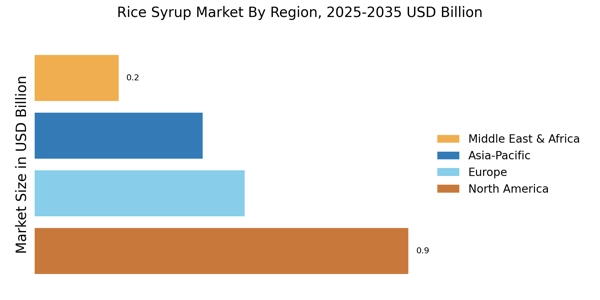
To determine the market size and forecast, the research report considered both historic and current data. A top-down approach has been used to estimate the global rice syrup market size for the various market segments, considering the regional and country-wise split. This approach was applied to derive the global market size and to identify the market size of a particular segment.
The research design includes the following:
- Secondary Research: Secondary research has been conducted to understand the market segments and identify the opportunities in the global market. Databases such as Factiva, Bloomberg, Hoovers, Reuters, and other online and offline sources have been consulted, and valid sources have been used to undertake the study.
- Primary Research: Primary research was conducted to identify potential business opportunities in the global rice syrup market. Key players in the market such as manufacturers, raw material suppliers, and consumers have been interviewed through survey questionnaires.
3. Market Segmentation
This research report segments the global rice syrup market on the basis of type into liquid and dried syrup.
4. Porter’s Five Forces Model
Porter’s five forces model is a well-established tool to comprehend the competitive dynamics and assess the bargaining power of the buyers and sellers, and develop an effective growth strategy.
- Bargaining power of suppliers: The suppliers have low bargaining power since they have to compete fiercely to be able to reach the larger consumer base.
- Bargaining power of buyers: The buyers have high bargaining power in the rice syrup market since they are price-conscious.
- Threat of substitutes: Products such as starchy vegetable syrups, plant-derived sweeteners, and high-intensity sweeteners pose a threat of substitutes in the rice syrup market.
- Threat of new entrants: The threat of new entrants is low in the rice syrup market since a new entrant would require considerable capital investment and technical know-how.
- Competitive rivalry: The level of competitive rivalry is high as the market has several well-established players.
5. Data Collection and Validation
The data was collected from several reliable sources such as market journals, government websites, secondary research, and primary research. The primary research included interviewing manufacturers, suppliers, traders, and consumers of the product.
The data collected through secondary and primary research was validated by interviewing industry experts and stakeholders.
6. Conclusion
A comprehensive research methodology has been adopted for the global Rice Syrup Market Research Report that includes understanding the global market dynamics through secondary and primary research and building the business model from thereon. The research focused extensively on market developments, drivers, restraints, trends, and opportunities that will influence the growth of the global rice syrup market in the years to come. The research was conducted systematically to capture the market dynamics and identify profitable business opportunities in the market along with the forecasts from 2023 to 2030.