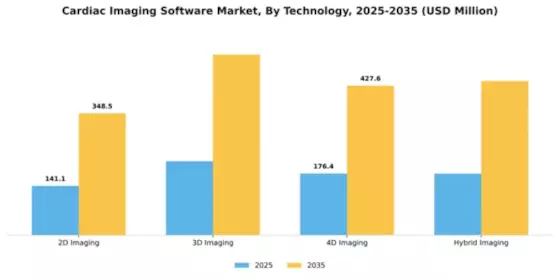
3D イメージングは、強化された視覚化および診断精度の機能の恩恵を受け、2024 年には約 42.8% の市場シェアを獲得しました。
市場規模と予測
2024年の市場規模
705.38 (USD Million)
2035年の市場規模
1733.97 (USD Million)
CAGR (2025 - 2035)
8.52%
2024 年に最大の地域市場シェアを獲得
北米
主要なプレーヤー
GE Healthcare (US)、Siemens Healthineers (DE)、Philips Healthcare (NL)、Canon Medical Systems (JP)、Agfa HealthCare (BE)、Medtronic (US)、Fujifilm (JP)、Lantheus Medical Imaging (US)、Esaote (IT) などの企業が市場の主要参加者です。
Our Impact
Enabled $4.3B Revenue Impact for Fortune 500 and Leading Multinationals
Partnering with 2000+ Global Organizations Each Year
心臓画像ソフトウェアへの人工知能の組み込みは、診断プロセスに革命をもたらしています。 AI アルゴリズムにより画像分析が強化され、より迅速かつ正確な解釈が可能になります。この傾向により、臨床転帰が改善され、放射線科医の負担が軽減される可能性があります。
GE ヘルスケアは、画像分析とレポートのワークフローを自動化する CardIQ Suite や ViewPoint EchoPilot などのイノベーションを通じて、AI 主導の心臓画像処理を強化し続けています。 AI 統合をサポートする戦略的コラボレーションにより診断効率が向上し、新たに CE マークを取得した心臓病ソリューションによりワークフローの標準化と臨床の信頼性が向上し、AI 対応の心臓画像プラットフォームの採用が世界的に加速されています。
フィリップス ヘルスケアは、AI 対応の心臓血管画像プラットフォームと FDA 認可の診断アプリケーションを通じて、パーソナライズされた心臓ケアを推進しています。自動心臓定量化や統合された心臓血管ワークスペースなどのイノベーションにより、個別の治療計画がサポートされる一方、規制当局が承認したテクノロジーにより診断精度が向上し、臨床医がより患者に特化した心臓評価と治療戦略を提供できるようになります。
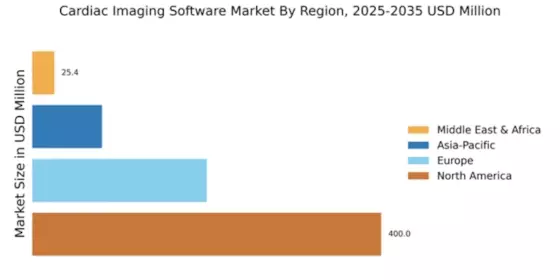
心臓画像ソフトウェア市場規模では北米がリードしており、2024年には世界収益の43.74%以上を占めます。この地域の成長は、高度な医療インフラ、心血管疾患の有病率の増加、技術革新への強い注力によって推進されています。 FDA などの機関からの規制上のサポートにより市場の拡大がさらに促進され、患者の転帰を改善するために最先端のソリューションが迅速に導入されることが保証されます。
GE ヘルスケアは、CardIQ Suite や ViewPoint EchoPilot などの新たな CE マークを取得したソリューションで心臓病ポートフォリオを拡大し、AI 対応の心臓画像処理機能を強化し、北米の医療施設全体のワークフロー効率の向上をサポートしました。
ヨーロッパ : 可能性を秘めた新興市場
ヨーロッパの心臓画像ソフトウェア市場規模は2024年に2億米ドルと評価され、28.35%のシェアを誇る第2位の地域市場となっています。この地域は心血管疾患の罹患率が高く、予防医療に重点が置かれていることから恩恵を受けています。 EU 医療機器規制などの規制枠組みにより、心臓画像技術の安全性と有効性が強化され、診断精度と患者ケアを向上させる革新的なソリューションの需要が高まっています。
EMA および広範な EU 医療技術枠組みによってサポートされている欧州の規制環境は、革新的な心臓画像技術の導入を促進し続けています。安全性、パフォーマンス、臨床有効性に対する規制の強化により、医療提供者は高度な画像処理ソフトウェアを導入することが奨励され、欧州の医療システム全体で心血管診断と患者転帰の改善をサポートしています。
心臓画像ソフトウェア市場は現在、技術の進歩と正確な診断ツールに対する需要の増加によって引き起こされる、ダイナミックな競争環境によって特徴付けられています。 GE Healthcare (米国)、Siemens Healthineers (DE)、Philips Healthcare (NL) などの大手企業が最前線に立っており、それぞれが市場での存在感を高めるために独自の戦略を採用しています。 GE Healthcare (米国) は高度な画像アルゴリズムの開発によるイノベーションに重点を置いており、Siemens Healthineers (DE) はソフトウェア ソリューションを既存のシステムに統合するために医療提供者とのパートナーシップを重視しています。 Philips Healthcare (NL) は、ワークフローを合理化し、患者の転帰を改善することを目的として、デジタル変革の取り組みを積極的に推進しています。総合すると、これらの戦略は、技術革新と協力的な取り組みがますます中心となる競争環境に貢献します。ビジネス戦略の観点からは、企業は製造の現地化とサプライチェーンの最適化を進め、業務効率を高めています。市場は適度に細分化されており、いくつかの主要企業がさまざまなセグメントに影響力を及ぼしているようです。この断片化により、ニッチなプレーヤーの出現が可能になりますが、大手企業の総合力が市場全体のダイナミクスを形成し、継続的な改善と革新を促す競争的な雰囲気を促進します。11 月、GE ヘルスケア (米国) は、診断精度を高めるために AI 主導の分析を組み込んだ最新の心臓画像ソフトウェアの発売を発表しました。この戦略的動きは、GE ヘルスケアをテクノロジーの最先端に位置させ、高度なソリューションを求める医療提供者にアピールすることで市場シェアを拡大する可能性があるため、重要です。 AI の統合により、診断能力が向上するだけでなく、臨床医のワークフローが合理化され、それによって患者ケア全体が強化されます。10 月、Siemens Healthineers (DE) は、心臓画像ソフトウェアの提供範囲を拡大するために、大手遠隔医療プロバイダーと戦略的パートナーシップを締結しました。この提携により、シーメンスは遠隔医療のトレンドを活用できるようになり、心臓画像サービスへのアクセスが向上するため、注目に値します。シーメンス ヘルスニアーズは、自社のソフトウェアを遠隔医療プラットフォームと統合することで、特に専門的なケアへのアクセスが制限されている遠隔地で、より幅広い視聴者を獲得できる可能性があります。9 月、フィリップス ヘルスケア (NL) は、心臓病患者の遠隔監視と分析を容易にするために設計された新しいクラウドベースのプラットフォームを発表しました。この取り組みは、デジタル医療ソリューションへのトレンドの高まりを反映しており、医療提供者が患者をリアルタイムで監視できるようになります。この開発の戦略的重要性は、タイムリーな介入を通じて患者の転帰を改善する可能性にあり、それによって心臓ケアの革新に対するフィリップスの取り組みを強化します。12月の時点で、心臓画像ソフトウェア市場の競争傾向は、デジタル化、持続可能性、AIテクノロジーの統合によってますます定義されています。企業が自社のサービスを強化する上でのコラボレーションの価値を認識するにつれ、戦略的提携がさらに一般的になってきています。今後、競争上の差別化は、従来の価格ベースの競争から、イノベーション、技術の進歩、サプライチェーンの信頼性に焦点を当てたものへと進化する可能性があります。この変化は、高品質の製品を提供するだけでなく、それらが堅牢で効率的な運用フレームワークによって確実にサポートされることの重要性を強調しています。
Cardiac Imaging Software Market市場の主要企業には以下が含まれます
業界の動向
2022年2月Neudesic, LLC (米国) は、ハイブリッド クラウドおよび AI 戦略の進歩と IBM のポートフォリオのさらなる拡大を目的として IBM (米国) に買収されました。
2021年3月Symphony Innovation, LLC (米国) は、主要なヘルスケア イメージング AI テクノロジー企業の 1 つである TeraRecon を買収しました。 Symphony AI Group との提携により、ヘルスケア AI ソリューションの新しいポートフォリオを継続しています。医療画像処理.
2021年6月 Circle Cardiovascular Imaging Inc. (カナダ) は、DiA Imaging Analysis (イスラエル) と提携します。このパートナーシップを通じて、顧客は完全なオールインワンの AI ベースの心臓血管画像ソリューションを受け取ることができ、世界中の医師、患者、病院にマルチモダリティ画像ソリューションの新たな可能性が生まれます。 Circle の心臓画像ポートフォリオは、FDA の認可と CE 認証を取得した DiA の最先端の AI ベースの心臓超音波製品である Vivo Toolbox によって強化されます。
レポートの範囲
2024 年の市場規模
705.38(USD Million)
2025 年の市場規模
765.48(USD Million)
2035年の市場規模
1733.97(USD Million)
年間複利成長率 (CAGR)
8.52% (2025 - 2035)
レポートの範囲
収益予測、競争環境、成長要因、トレンド
基準年
2024
市場予測期間
2025 - 2035
過去のデータ
2019 - 2024
市場予測単位
USD Million
主要企業の概要
GE Healthcare (US)、Siemens Healthineers (DE)、Philips Healthcare (NL)、Canon Medical Systems (JP)、Agfa HealthCare (BE)、Medtronic (US)、Fujifilm (JP)、Lantheus Medical Imaging (US)、Esaote (IT)
What is the current valuation of the Cardiac Imaging Software Market?
The Cardiac Imaging Software Market was valued at 705.38 USD Million in 2024.
What is the projected market size for the Cardiac Imaging Software Market by 2035?
The market is projected to reach 1733.97 USD Million by 2035.
What is the expected CAGR for the Cardiac Imaging Software Market during the forecast period?
The expected CAGR for the market from 2025 to 2035 is 8.52%.
Which companies are considered key players in the Cardiac Imaging Software Market?
Key players include Siemens Healthineers, GE Healthcare, Philips Healthcare, and Canon Medical Systems.
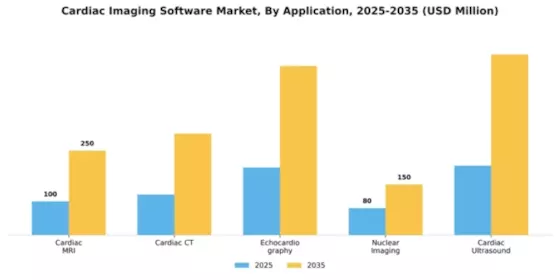
What are the primary applications of Cardiac Imaging Software?
Primary applications include Cardiac MRI, Cardiac CT, Echocardiography, Nuclear Imaging, and Cardiac Ultrasound.
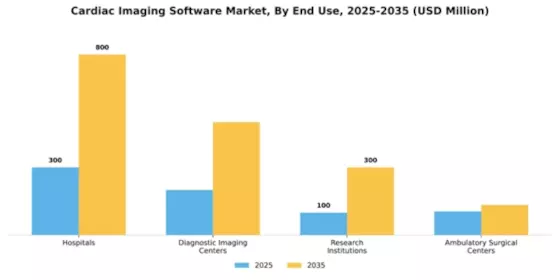
How does the market segment by end use?
The market segments by end use include Hospitals, Diagnostic Imaging Centers, Research Institutions, and Ambulatory Surgical Centers.
What technologies are utilized in Cardiac Imaging Software?
Technologies include 2D Imaging, 3D Imaging, 4D Imaging, and Hybrid Imaging.
What are the deployment models for Cardiac Imaging Software?
Deployment models include On-Premise, Cloud-Based, and Web-Based solutions.
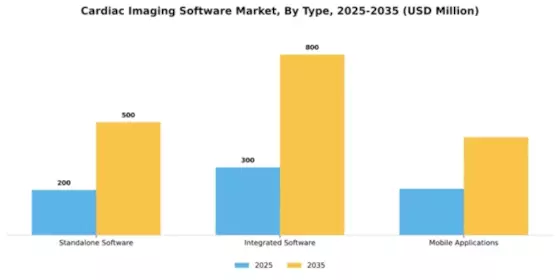
What types of software are available in the Cardiac Imaging Software Market?
Types of software include Standalone Software, Integrated Software, and Mobile Applications.
What is the valuation range for Echocardiography in the market?
Echocardiography is valued between 200.0 and 500.0 USD Million.
著者
Author
Vikita Thakur
Senior Research Analyst
She holds an experience of about 5+ years in market research and business consulting projects for sectors such as life sciences, medical devices, and healthcare IT. She possesses a robust background in data analysis, market estimation, competitive intelligence, pipeline analysis market trend identification, and consumer behavior insights. Her expertise lies in technical Sales support, client interaction and project management, designing and implementing market research studies, conducting competitive analysis, and synthesizing complex data into actionable recommendations that drive business growth.
read more
Co-Author
Rahul Gotadki
Research Manager
He holds an experience of about 9+ years in Market Research and Business Consulting, working under the spectrum of Life Sciences and Healthcare domains. Rahul conceptualizes and implements a scalable business strategy and provides strategic leadership to the clients. His expertise lies in market estimation, competitive intelligence, pipeline analysis, customer assessment, etc.
The secondary research process involved comprehensive analysis of regulatory databases, peer-reviewed medical journals, clinical publications, and authoritative health organizations. Key sources included the US Food & Drug Administration (FDA), European Medicines Agency (EMA), International Organization for Standardization (ISO), National Institutes of Health (NIH), National Center for Biotechnology Information (NCBI/PubMed), Centers for Medicare & Medicaid Services (CMS), Centers for Disease Control and Prevention (CDC) National Center for Health Statistics, World Health Organization (WHO) Global Health Observatory, European Society of Cardiology (ESC), American College of Cardiology (ACC), American Heart Association (AHA), Society for Cardiovascular Magnetic Resonance (SCMR), American Society of Echocardiography (ASE), Radiological Society of North America (RSNA), EU Eurostat Health Database, OECD Health Statistics, and national health ministry reports from key markets (CMS.gov, HHS.gov, NHS England, Japan Ministry of Health). These sources were used to collect cardiovascular disease prevalence statistics, regulatory approval data for cardiac imaging devices, clinical safety and efficacy studies, hospital IT adoption trends, and market landscape analysis for computed tomography, magnetic resonance imaging, ultrasound imaging, X-ray imaging, SPECT, OCT, and combined modality imaging technologies.
Primary Research
In order to gather both qualitative and quantitative insights, supply-side and demand-side stakeholders were interviewed during the primary research process. Supply-side sources included CEOs, VPs of Product Development, regulatory affairs heads, and commercial directors from cardiac imaging software developers, medical device manufacturers, and healthcare IT solution providers. Demand-side sources comprised chief of cardiology departments, director of diagnostic imaging, hospital CIOs/CMIOs, procurement leads from hospitals and health systems, medical directors from diagnostic imaging centers, and cardiology clinic administrators. Primary research validated market segmentation across imaging modalities (CT, MRI, ultrasound, X-ray, SPECT, OCT), confirmed AI integration and cloud deployment timelines, and gathered insights on clinical adoption patterns, pricing strategies, and reimbursement dynamics for diagnostic imaging versus image-guided treatment applications.
Primary Respondent Breakdown:
By Designation: C-level Primaries (32%), Director Level (30%), Others (38%)
By Region: North America (38%), Europe (25%), Asia-Pacific (28%), Rest of World (9%)
Market Size Estimation
Global market valuation was derived through revenue mapping and procedure volume analysis. The methodology included:
Identification of 40+ key manufacturers across North America, Europe, Asia-Pacific, and Latin America specializing in cardiac imaging software
Product mapping across imaging modalities including computed tomography, magnetic resonance imaging, ultrasound imaging, X-ray imaging, SPECT, OCT, and combined modalities
Analysis of reported and modeled annual revenues specific to cardiac imaging software portfolios
Coverage of manufacturers representing 75-80% of global market share in 2024
Extrapolation using bottom-up (imaging procedure volume × software licensing fees by country) and top-down (manufacturer revenue validation) approaches to derive segment-specific valuations for standalone software, integrated software, and mobile applications across hospital, diagnostic center, and research institution end-users
“This is really good guys. Excellent work on a tight deadline. I will continue to use you going forward and recommend you to others. Nice job”
Noah MalgeriCo-Founder
“Thanks. It’s been a pleasure working with you, please use me as reference with any other Intel employees.”
Joseph AguayoSales Operations & Pricing Manager
“Thanks for sending the report it gives us a good global view of the Betaïne market.”
Peter Groot koerkampAccount and Business Manager
“Thank you, this will be very helpful for OQS.”
La Terria DoddProgram Support Specialist
“We found the report very insightful! we found your research firm very helpful. I'm sending this email to secure our future business.”
Younghwan ChoiSenior Retail Manager
“I am very pleased with how market segments have been defined in a relevant way for my purposes (such as "Portable Freezers & refrigerators" and "last-mile").
In general the report is well structured. Thanks very much for your efforts.”
Mark IrwinManagement Consultant
“I have been reading the first document or the study, ,the Global HVAC and FP market report 2021 till 2026. Must say, good info! I have not gone in depth at all parts, but got a good indication of the data inside!”
Rob KooikerGroup Product Manager HVAC & Fire Protection GMA
“We got the report in time, we really thank you for your support in this process. I also thank to all of your team as they did a great job.”
Akif MorogluStrategy & Business Development Director
“The Automotive 48V ECU Components Procurement Intelligence Study” was a complex project, but the Market Research Future (MRFR) team handled it with quality, agility, and customer-centricity. They delivered all requested data on time and within the agreed scope. The team, including Shubhendra Anand and Rahul Gotadki, was always readily available to clarify questions and swiftly implement necessary adjustments, driving the project to a successful conclusion within a very demanding timeframe.
I would also like to specifically commend Akshay Agarwal for his responsiveness and support at every stage—from our initial inquiry on May 6th through to final delivery on June 18th. His dedication made the entire process seamless.”
Guilherme Gomes MartinsProduct Management Director