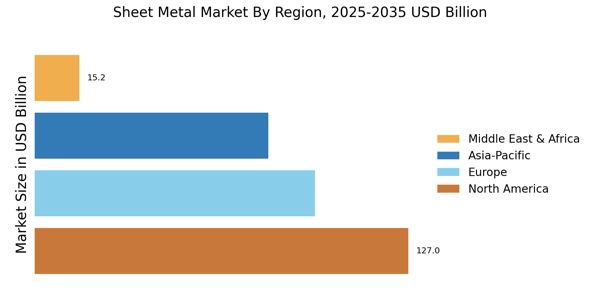
Global market valuation was derived through production volume mapping and value-chain analysis across material grades. The methodology included:
Identification of 60+ key manufacturers across North America, Europe, Asia-Pacific, Latin America, and Middle East
Product mapping across hot-rolled steel, cold-rolled steel, galvanized steel, aluminum sheet (1xxx-8xxx series), and specialty alloys (titanium, copper-nickel) by gauge thickness and finish type
Analysis of reported capacity utilization, shipment volumes, and modeled annual revenues specific to flat-rolled product portfolios
Coverage of manufacturers and service centers representing 70-75% of global market share in 2024
Extrapolation using bottom-up (tonnage volume × average selling price by alloy grade and region) and top-down (industry association production validation × value-added fabrication margins) approaches to derive segment-specific valuations for construction, automotive, appliance, and energy end-use sectors
Key Distinctions from the Dermal Filler Template:
Secondary sources shifted from medical regulators (FDA/EMA) to mineral/metal bureaus (USGS, worldsteel) and industrial trade groups (AISI, Aluminum Association)
Primary interviewees shifted from plastic surgeons to automotive procurement directors and construction project managers
Breakdown percentages modified (e.g., Tier 2 increased to 40% reflecting the fragmented mid-market steel service center landscape; Asia-Pacific share increased to 33% reflecting China/India dominance; C-level reduced to 28% emphasizing operational-level insights from plant managers)